
The Everglades Florida, a vast and enigmatic wetland, stands as one of the most remarkable natural treasures in the United States. This unique ecosystem, often referred to as a “River of Grass,” is a mosaic of sawgrass prairies, cypress swamps, pinelands, and mangrove forests, teeming with an incredible diversity of wildlife. Designated a UNESCO World Heritage Site, an International Biosphere Reserve, and a Wetland of International Importance, the Everglades National Park offers an unparalleled travel experience for adventurers, nature lovers, and anyone seeking to connect with the wild heart of Florida. Far from being a mere swamp, it’s a dynamic landscape where the delicate balance of nature is on full display, promising a journey filled with discovery and awe-inspiring encounters.

Discovering the Unique Ecosystem of the Everglades
The Everglades is not just a destination; it’s a living, breathing entity crucial to the health of South Florida’s environment. Its slow-moving sheet of water creates a rich habitat for an extraordinary array of flora and fauna, including endangered species that exist nowhere else on Earth. Understanding its ecological significance enriches any visit, transforming a simple sightseeing trip into a profound educational journey. The park’s diverse habitats support everything from majestic wading birds and elusive big cats to reptiles that have roamed these lands for millennia.
The best time to experience the Everglades is during the dry season, typically from November to April. During these months, temperatures are cooler, humidity is lower, and the mosquitoes are less prevalent. More importantly, the receding water levels concentrate wildlife around remaining water holes, making sightings of alligators, birds, and other animals far more frequent and accessible. The wet season, from May to October, brings higher temperatures, heavy rains, and an abundance of insects, yet it also showcases the Everglades at its most vibrant and lush, a truly different, though equally captivating, experience for the prepared traveler.
Thrilling Airboat Rides and Wildlife Encounters
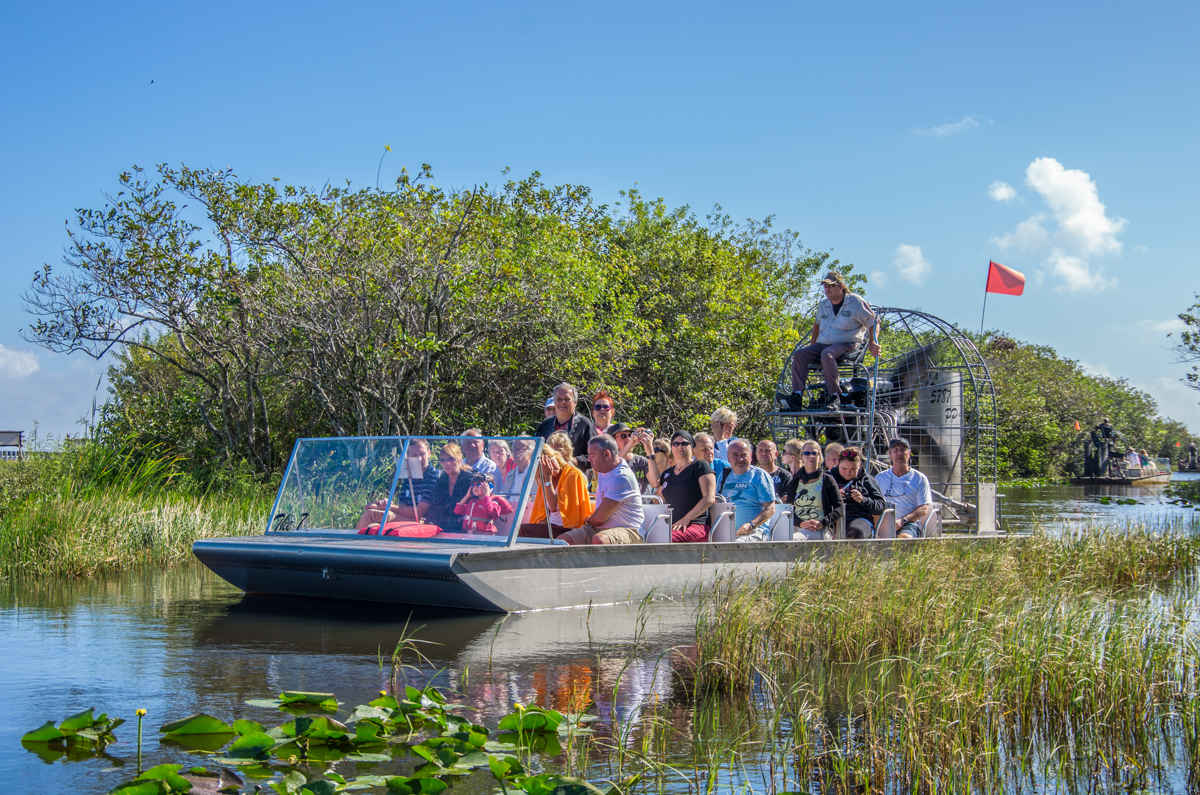
For many, the quintessential Everglades experience begins and ends with an airboat ride, and for good reason. These powerful, flat-bottomed vessels offer an exhilarating way to skim across the shallow waters, providing a unique vantage point into the heart of the “River of Grass.”
Airboat Adventures
Airboat tours are not merely rides; they are immersive excursions guided by experienced captains who often share fascinating insights into the ecosystem and its inhabitants. Operators such as Everglades Safari Park, Gator Park, and Coopertown Airboat Tour provide various tour lengths and packages, often including live wildlife shows after the ride. As the airboat glides through the sawgrass, visitors can expect to witness the wild beauty of the Everglades up close. The thrill comes from the combination of speed, the wind in your hair, and the anticipation of spotting an American Alligator basking lazily on a bank or a graceful wading bird taking flight. These tours typically operate outside the main national park boundaries but offer an authentic taste of the wetland wilderness. When choosing an operator, prioritize those that emphasize responsible tourism and minimal environmental impact.
Observing Native Wildlife
Beyond the high-octane airboat rides, the Everglades offers countless opportunities for quiet, respectful wildlife observation. The sheer abundance of life here is staggering. While the American Alligator is undoubtedly the most iconic resident, the park is also home to crocodiles, turtles, snakes, and a myriad of bird species. Keep an eye out for the stealthy heron, the elegant egret, and the vibrant roseate spoonbill. Mammals like deer, raccoons, and even the incredibly rare Florida Panther call this place home, though spotting the latter requires immense luck and patience.
Excellent spots for close-up wildlife viewing include the famous Anhinga Trail and the Shark Valley area. On the Anhinga Trail, a paved and boardwalk trail, alligators and various birds are often visible just feet away. Shark Valley provides a different perspective, with its 15-mile loop offering prime viewing from a tram or bicycle, especially during the dry season when alligators congregate along the water’s edge.
Exploring the Everglades by Land and Water
For those who prefer a more hands-on and immersive exploration, the Everglades provides a wealth of options, from tranquil paddling routes to scenic drives that reveal hidden corners of the park.
Hiking and Biking Trails
The Everglades National Park is crisscrossed with trails that cater to various fitness levels and interests. The aforementioned Anhinga Trail is a must-do for its easy accessibility and abundant wildlife. For a longer excursion, the Shark Valley Tram Road offers a 15-mile paved loop that can be explored by bicycle (rentals available) or via a guided tram tour, culminating in a 65-foot observation tower with panoramic views of the “River of Grass.” Other notable trails include the serene Mahogany Hammock Trail, a boardwalk winding through a dense hardwood hammock, and the Pa-Hay-Okee Overlook Trail, which offers stunning views from an elevated boardwalk. When venturing onto trails, especially during warmer months, always wear lightweight, long-sleeved clothing, a hat, and plenty of insect repellent. Carry ample water, as hydration is paramount in Florida’s climate.
Kayaking and Canoeing

For an intimate encounter with the Everglades’ serene beauty, kayaking and canoeing offer an unparalleled experience. Gliding silently through the maze of mangroves and sawgrass allows for close-up observations of wading birds, fish, and even manatees in certain areas, without the disturbance of a motor. Popular paddling routes include the marked Nine Mile Pond Canoe Trail (offering access to mangrove tunnels), the adventurous Turner River Canoe Trail (a mix of freshwater and saltwater ecosystems), and the challenging Hells Bay Canoe Trail for experienced paddlers. Rentals are available at the Flamingo Visitor Center and through outfitters near Everglades City. Always check weather conditions and water levels before embarking on a paddling trip, and ensure you have appropriate safety gear.
Scenic Drives
The Everglades can also be admired from the comfort of your vehicle, with several scenic drives offering accessible wildlife viewing and photo opportunities. The iconic Tamiami Trail (U.S. Highway 41) cuts through the northern section of the Everglades and provides numerous roadside stops where alligators and birds are frequently seen in the canals alongside the road. For a more rugged adventure, the Loop Road Scenic Drive, an unpaved road accessible from the Tamiami Trail, delves deeper into the cypress swamps. The main Park Road, stretching from the Ernest Coe Visitor Center near Homestead all the way to Flamingo on the southern coast, is punctuated with various boardwalks and short hiking trails, offering a comprehensive overview of the park’s diverse landscapes.
Educational Experiences and Visitor Centers
To truly appreciate the ecological marvel that is the Everglades, engaging with its visitor centers and ranger-led programs is highly recommended. These resources provide invaluable context, guidance, and unique learning opportunities.
Visitor Centers as Gateways
The park features several key visitor centers, each serving as an excellent starting point for different regions of the Everglades. The Ernest Coe Visitor Center, near the park’s main Homestead entrance, offers maps, brochures, and orientation films, as well as a bookstore. The Shark Valley Visitor Center, accessible off the Tamiami Trail, is the hub for tram tours and bike rentals for the 15-mile loop. On the west coast, near Everglades City, the Gulf Coast Visitor Center is the gateway to the marine side of the Everglades and the Ten Thousand Islands, offering boat tours and kayak rentals. Finally, the Flamingo Visitor Center, at the southern tip of the park, provides boat tours into Florida Bay, canoe and kayak rentals, and camping facilities. Each center is staffed with knowledgeable rangers who can offer up-to-date information on conditions and activities.
Ranger-Led Programs
Throughout the dry season, park rangers conduct a variety of insightful programs that delve deeper into the Everglades’ ecology, history, and ongoing conservation efforts. These free programs might include guided nature walks, bird walks, campfire talks, or even canoe excursions. Participating in a ranger-led activity offers a richer understanding of the park’s intricate ecosystem and the challenges it faces. Check the official Everglades National Park website or visitor center bulletin boards for schedules and specific offerings during your visit. These programs are not just educational; they are an engaging way to connect with the passion and expertise of those dedicated to preserving this incredible landscape.
Practical Tips for Your Everglades Adventure
A well-planned trip ensures a more enjoyable and responsible visit to the Everglades. Being prepared for the unique environment will help you make the most of your adventure.
Planning Your Visit
The Everglades National Park charges an entrance fee per vehicle, which is valid for seven days. Consider an America the Beautiful Pass if you plan on visiting multiple national parks within a year. As mentioned, the dry season (November to April) is generally the most pleasant time to visit. Regardless of the season, essentials to pack include high-SPF sunscreen, a wide-brimmed hat, sunglasses, plenty of water, insect repellent with DEET, binoculars for wildlife viewing, and a camera to capture the stunning landscapes.
For accommodations, camping is available inside the park at Flamingo and Long Pine Key campgrounds, offering a truly immersive experience. Reservations are recommended, especially during peak season. Alternatively, nearby towns like Homestead, Florida City, and Everglades City offer a range of hotels, motels, and vacation rentals to suit different budgets. Book well in advance, especially if traveling during the dry season or holidays.
Safety and Responsible Tourism
When exploring the Everglades, safety should always be a priority. Observe wildlife from a respectful distance; never feed animals, as it can be harmful to them and dangerous to you. Stay on marked trails and boardwalks to protect both yourself and the delicate ecosystem. Be aware of your surroundings, especially near water, where alligators may be present. Always carry sufficient water to stay hydrated, and inform someone of your itinerary if you plan to venture into remote areas.
Embrace the “Leave No Trace” principles: pack out everything you pack in, dispose of waste properly, and minimize your impact on the natural environment. The Everglades is a fragile and irreplaceable wilderness. By being a responsible and informed traveler, you contribute to its preservation for future generations to explore and enjoy. Your adventure here will not only be an unforgettable journey into a wild frontier but also a testament to the importance of protecting such unique and vital natural spaces.
LifeOutOfTheBox is a participant in the Amazon Services LLC Associates Program, an affiliate advertising program designed to provide a means for sites to earn advertising fees by advertising and linking to Amazon.com. Amazon, the Amazon logo, AmazonSupply, and the AmazonSupply logo are trademarks of Amazon.com, Inc. or its affiliates. As an Amazon Associate we earn affiliate commissions from qualifying purchases.