
The captivating title immediately sparks curiosity for any traveler considering the Sunshine State, particularly during hurricane season. Florida, renowned for its pristine beaches, vibrant cities, and theme park thrills, is also geographically positioned within a high-risk zone for tropical cyclones. The allure of discovering a hurricane-proof haven within this beloved peninsula is strong, yet the reality is more nuanced than a simple yes or no answer. To truly understand where to travel for relative peace of mind, one must first dismantle a common misconception and then explore the state’s unique geography and historical storm patterns.

Debunking the Myth: Florida’s Inevitable Dance with Nature
The premise of a town in Florida being “never hit” by a hurricane is, regrettably, a myth. Due to its peninsular shape, extensive coastline, and warm surrounding waters, virtually every corner of Florida has experienced the impact of a tropical storm or hurricane at some point in recorded history. Hurricanes are immense weather systems, capable of affecting areas far from their direct landfall point with strong winds, torrential rains, and inland flooding. While some regions may have a lower statistical probability of a direct hit or may be less susceptible to storm surge, absolute immunity is not a luxury afforded by any location within the state.
Geographical Realities and Storm Dynamics
Understanding storm dynamics is crucial for any traveler to Florida. Coastal areas, particularly those with low elevations, are highly vulnerable to storm surge, a phenomenon that can cause catastrophic flooding. Communities along the Gulf Coast, such as Tampa and Key West, and those on the Atlantic Seaboard, including Miami and Jacksonville, face significant risks from both storm surge and high winds. Inland areas, while safe from storm surge, remain susceptible to powerful winds, heavy rainfall leading to freshwater flooding, and tornadoes spawned by hurricanes. Even major inland hubs like Orlando, home to Disney World and Universal Studios, have felt the disruptive force of numerous hurricanes, leading to temporary park closures and travel disruptions. The notion of a completely “safe” zone simply doesn’t align with the geographical realities of the state.
Identifying Regions with Lower Statistical Exposure
While no town is entirely immune, certain areas of Florida do statistically experience fewer direct hurricane landfalls or suffer less severe impacts, making them potentially more appealing to travelers seeking to minimize risk during peak hurricane season (June 1st to November 30th). These areas are often further inland or situated in parts of the state that historically see less frequent direct hits based on common hurricane tracks.
The Gulf Coast vs. The Atlantic Seaboard
Historically, Florida’s Atlantic Seaboard and the southern tip of the peninsula have experienced a higher frequency of direct hurricane impacts due to their exposure to storms forming in the Atlantic Ocean and Caribbean Sea. The Panhandle region of the Gulf Coast also sees significant activity from storms brewing in the Gulf of Mexico. While the central and southern parts of the Gulf Coast have also been hit, their exposure patterns can differ. However, relying solely on historical data can be misleading, as hurricane paths are notoriously unpredictable, and a single strong storm can defy decades of statistical trends.
The Relative Respite of Inland Cities
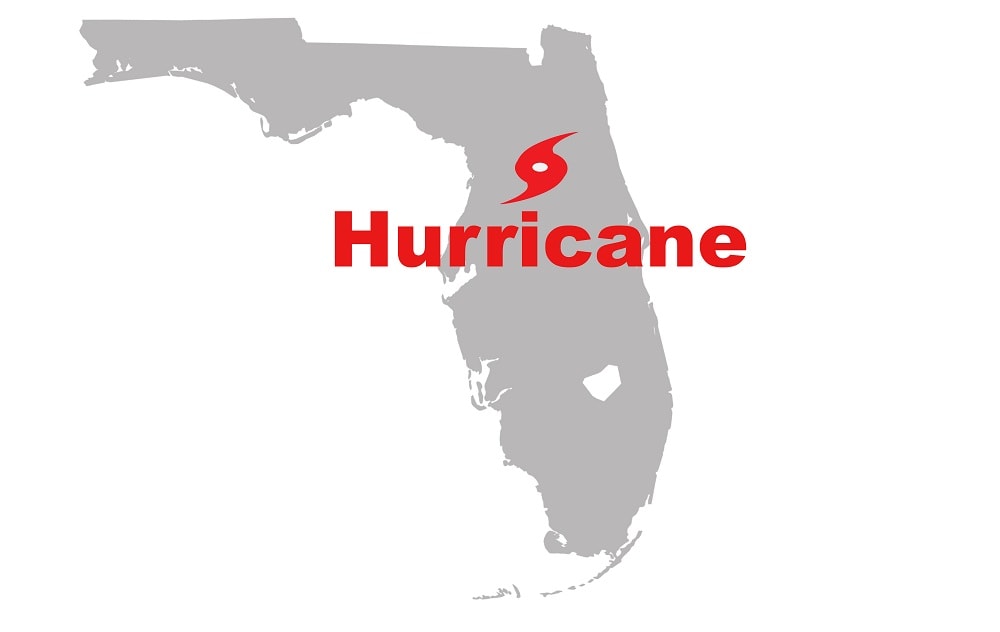
For travelers prioritizing storm surge avoidance and a generally lower probability of direct hurricane impact, inland cities offer a compelling alternative. These destinations are insulated from the immediate dangers of coastal flooding and often benefit from the weakening of storms as they move over land. While still susceptible to strong winds, heavy rains, and associated hazards, the severity of impact is often diminished compared to their coastal counterparts. This makes them attractive options for those who wish to experience a different side of Florida travel without the constant worry of coastal evacuation orders.
Gainesville: An Inland Gem for Travelers
If one were to pinpoint a Florida town that frequently offers a relatively safer haven from the most devastating effects of hurricanes, especially storm surge, Gainesville emerges as a strong contender. Located in North Central Florida, approximately 75 miles from both the Gulf Coast and the Atlantic Seaboard, Gainesville boasts a higher elevation compared to most coastal cities and is sufficiently far inland to mitigate the immediate threats posed by oceanic storms. This geographical advantage, combined with its unique cultural and natural attractions, makes Gainesville an exceptional travel destination, particularly for those looking to explore Florida beyond its beaches.
A Hub of Culture and Education
Gainesville is best known as the home of the University of Florida, one of the largest and most respected universities in the nation. This academic influence imbues the city with a vibrant, youthful energy and a rich cultural scene often overlooked by conventional Florida itineraries. Travelers can immerse themselves in the wonders of the Florida Museum of Natural History, home to impressive exhibits including the “Butterfly Rainforest,” or explore the diverse collections at the Harn Museum of Art, featuring African, Asian, modern, and contemporary works. The historic downtown area offers an array of independent shops, farm-to-table restaurants, and lively entertainment venues, providing a stark contrast to the bustling coastal resorts. For sports enthusiasts, catching a Gators game at the University of Florida is an unforgettable experience, showcasing the fierce local pride and collegiate spirit.
Natural Wonders and Outdoor Pursuits
Beyond its intellectual and cultural pursuits, Gainesville serves as a gateway to some of Florida’s most unique natural landscapes. Outdoor adventurers will find ample opportunities for exploration. Paynes Prairie Preserve State Park, a vast savanna, is a designated National Natural Landmark and offers incredible wildlife viewing, including wild horses, bison, and over 300 bird species. Hiking, biking, and wildlife photography are popular activities here. Another geological marvel, Devils Millhopper Geological State Park, descends into a 120-foot deep, 500-foot wide sinkhole featuring a miniature rainforest environment at its base.
For those drawn to Florida’s famous springs, Gainesville is ideally situated near several crystal-clear springs, perfect for swimming, snorkeling, diving, and kayaking. Ginnie Springs, on the Santa Fe River, is internationally recognized for its exceptional cave diving. The nearby town of Micanopy, Florida’s oldest inland town, offers a charming step back in time with its antique shops and historic buildings, making for an excellent day trip. This blend of educational, cultural, and natural attractions offers a comprehensive Florida experience without the direct coastal exposure.

Navigating Florida Travel: Preparedness and Peace of Mind
While destinations like Gainesville offer a degree of relative safety from the most destructive hurricane impacts, no travel to Florida during hurricane season is entirely risk-free. Therefore, a professional and insightful approach to travel planning is essential.
- Stay Informed: Before and during your trip, monitor weather forecasts from reliable sources like the National Hurricane Center. Many local news outlets and emergency management agencies also provide up-to-date information.
- Travel Insurance: Consider purchasing comprehensive travel insurance that covers hurricane-related cancellations, delays, and medical emergencies. Read policies carefully to understand what is covered.
- Flexible Bookings: Opt for refundable flights and accommodations, especially if traveling during peak hurricane season. This provides flexibility should travel plans need to change unexpectedly.
- Emergency Plans: Familiarize yourself with local emergency procedures, including evacuation routes and shelter locations, even for inland destinations. Know how to receive emergency alerts on your mobile device.
- Pack Smart: While a hurricane kit isn’t typically on a vacation packing list, having essential documents (IDs, insurance information), a portable phone charger, and a small first-aid kit is always prudent.
- Alternative Itineraries: Have a backup plan. If your primary coastal destination is impacted, consider an inland alternative like Gainesville or even exploring other regions of the country.
- Respect Local Directives: If local authorities issue evacuation orders or travel advisories, follow them without hesitation. Your safety is paramount.
In conclusion, while no town in Florida can genuinely claim to be “never hit by a hurricane,” prudent travel planning, informed decision-making, and an understanding of geographical risks can significantly enhance your travel experience. Destinations like Gainesville provide a compelling and relatively lower-risk option for those seeking to explore the diverse beauty and culture of Florida, even during hurricane season, offering a wealth of attractions far from the coastal storm surge. Traveling smart means traveling prepared, allowing you to enjoy all the Sunshine State has to offer with greater peace of mind.
LifeOutOfTheBox is a participant in the Amazon Services LLC Associates Program, an affiliate advertising program designed to provide a means for sites to earn advertising fees by advertising and linking to Amazon.com. Amazon, the Amazon logo, AmazonSupply, and the AmazonSupply logo are trademarks of Amazon.com, Inc. or its affiliates. As an Amazon Associate we earn affiliate commissions from qualifying purchases.