
Understanding Florida’s Climate Paradox
Florida, widely known as the Sunshine State, conjures images of perpetual warmth, pristine beaches, and endless summer. Its subtropical to tropical climate is a primary magnet for tourists and residents alike, offering an escape from colder northern latitudes. The state’s geographical position, nestled between the Gulf of Mexico to the west and the Atlantic Ocean to the east, significantly moderates its temperatures, resulting in mild winters and hot, humid summers. Cities like Miami, Orlando, and Tampa rarely experience prolonged periods of extreme cold, making the idea of sub-zero temperatures seem almost mythical.
The Sunshine State’s Subtropical Allure
The vast majority of Florida falls within a humid subtropical climate zone, characterized by abundant sunshine and high average temperatures year-round. South Florida, particularly the Florida Keys and the southern tip of the Florida Peninsula, even boasts a tropical savanna climate, completely frost-free. This warm environment supports an incredible diversity of unique ecosystems, from the vast wetlands of the Everglades to the vibrant coral reefs off the coast of Key West. The expectation of warm weather is so ingrained that cold snaps, even those just dipping below freezing, are often met with widespread concern for agriculture, wildlife, and infrastructure not designed for sustained cold. Yet, despite this reputation, Florida has a surprising history of extreme cold, capable of delivering temperatures far below the typical winter chill.
Factors Influencing Florida’s Weather Extremes
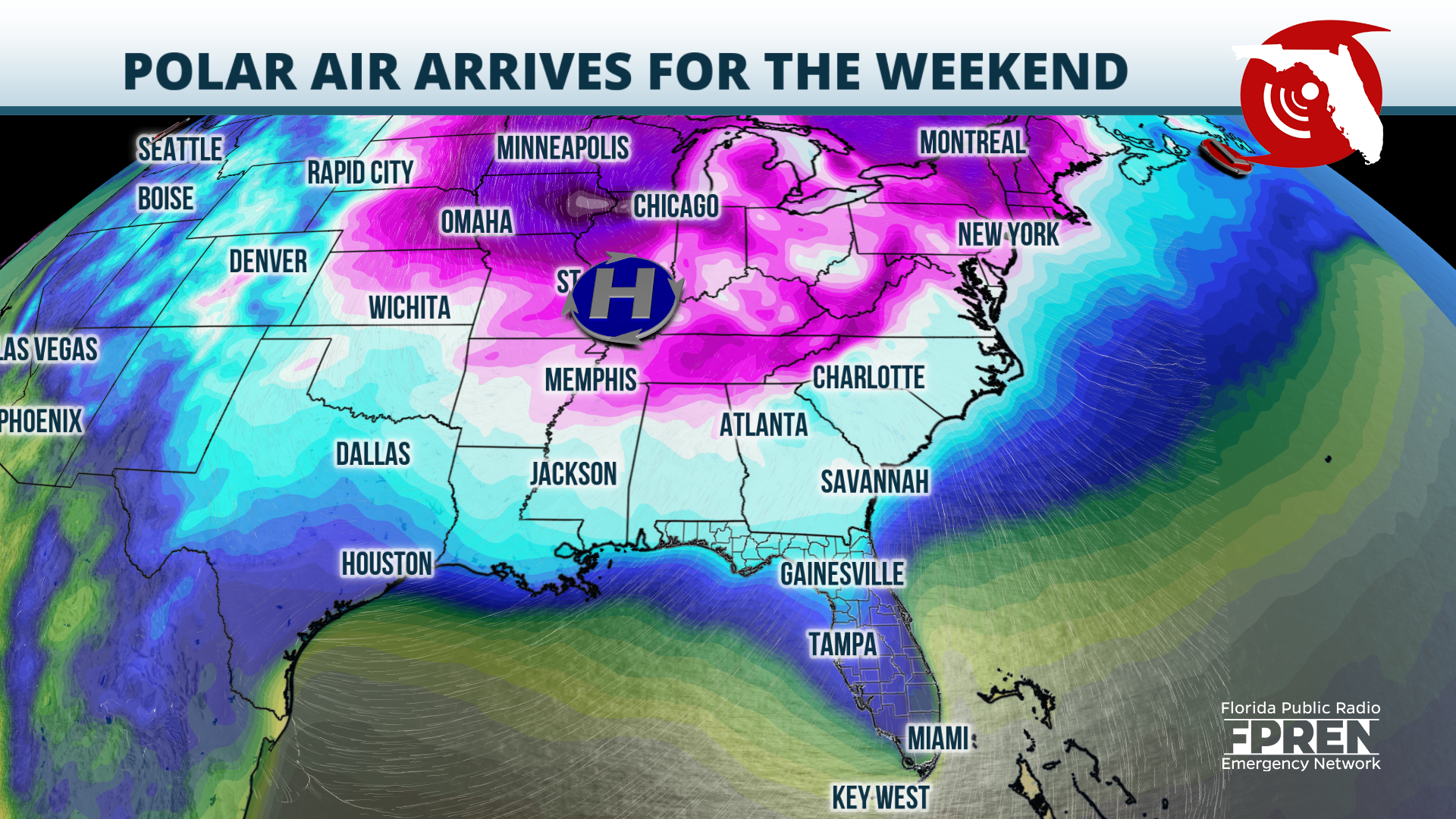
While Florida’s peninsular shape and oceanic influences generally protect it from severe winter cold, specific meteorological conditions can conspire to bring exceptionally frigid air masses south. The most common culprit is a powerful Arctic cold front that plunges deep into the United States, often without significant moderation as it travels over land. If this cold air is accompanied by strong high pressure and clear skies, it allows for maximum radiative cooling overnight, driving temperatures to remarkably low levels. The flat topography of much of Florida, especially in the northern and central regions, provides little to no obstruction for these cold air masses, allowing them to penetrate deep into the state. These events are rare but impactful, leaving a lasting mark on the state’s historical climate record.
The Historic Deep Freeze: January 1899
The winter of 1899 stands as an unparalleled benchmark in Florida’s climate history, remembered for one of the most severe and impactful cold outbreaks ever recorded in the United States. This event, often referred to as the Great Freeze of 1899, delivered not one, but two devastating cold waves within a single month, fundamentally altering the state’s agricultural landscape and leaving an indelible mark on its collective memory. The coldest temperatures in Florida’s recorded history were observed during the second of these cold waves in February, marking a truly extraordinary meteorological phenomenon.
Unpacking the Great Freeze of 1899
The Great Freeze of 1899 was a two-part event. The first cold snap occurred in late January, bringing temperatures well below freezing across much of Florida and causing significant damage to the burgeoning citrus industry. However, it was the second, even more intense cold wave in February that set the all-time record low for the state. A massive high-pressure system descended from the Arctic into the central United States, bringing with it an unprecedented surge of frigid air. This air mass pushed relentlessly southward, unimpeded, and enveloped nearly the entire Florida Peninsula. Snow fell as far south as Fort Myers and Miami reported its first-ever snowfall, a truly astonishing occurrence for a city typically basking in tropical warmth. The sustained cold, combined with low humidity and clear skies, allowed for extreme radiative cooling, pushing temperatures to their absolute lowest.
Record-Breaking Lows Across the State
On February 13, 1899, Florida experienced its coldest recorded temperature. The official record, as documented by the United States Weather Bureau (now the National Weather Service), was an astonishing -4°F (-20°C), registered in Jacksonville. This incredibly low temperature smashed previous records and remains the coldest official reading in the state’s history. Other locations across North Florida and Central Florida also reported extreme lows. Tallahassee, the state capital, recorded -2°F (-19°C) on the same day, while other areas dipped into single digits, often staying below freezing for multiple days. Even South Florida experienced temperatures in the low 20s. The profound nature of this cold snap lies not just in the absolute minimum temperature, but in its widespread and sustained impact across a state largely unprepared for such an event. The St. Johns River, a major waterway, reportedly froze solid in some northern sections, a sight that has not been repeated since.
Other Notable Cold Events in Florida History
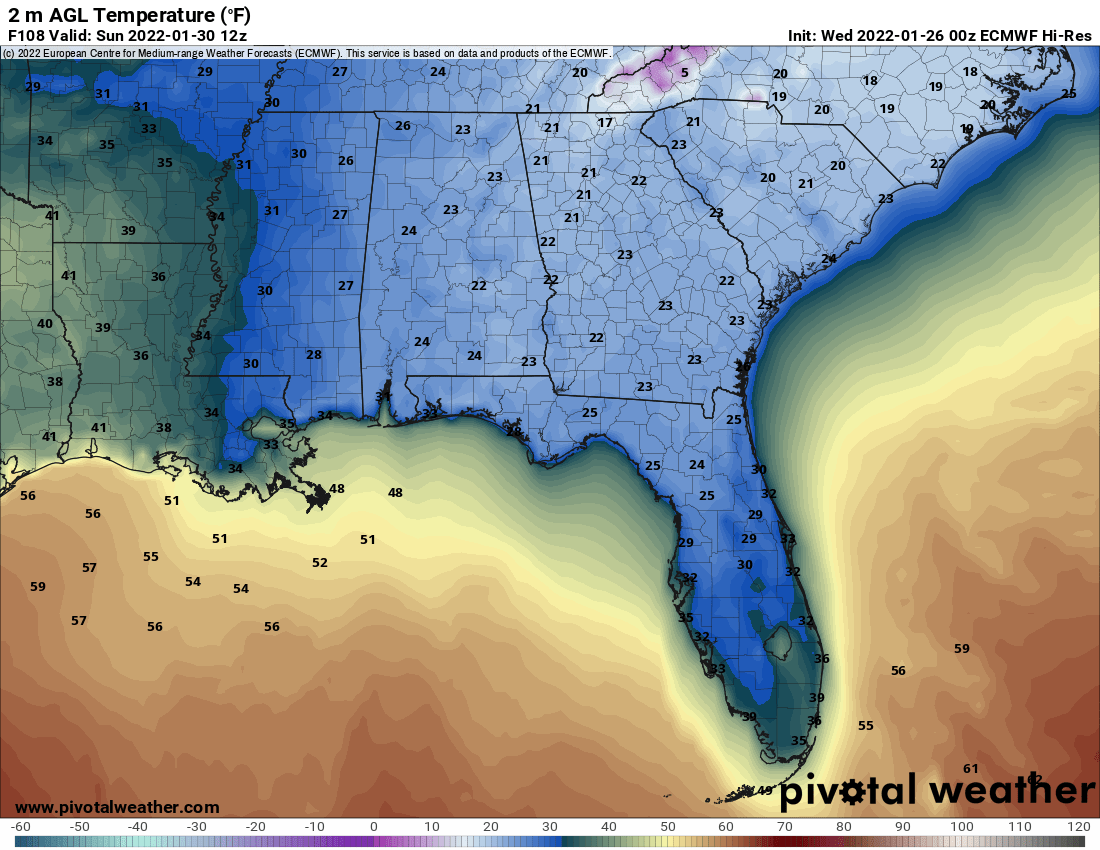
While the Great Freeze of 1899 holds the record for Florida’s coldest temperature, it was not the only significant cold event to impact the state. Several other severe freezes have left their mark, demonstrating that while rare, extreme cold remains a recurring, albeit infrequent, phenomenon in the Sunshine State. These events, though perhaps not reaching the absolute extremes of 1899, caused immense economic and environmental damage, particularly to the state’s agriculture.
The Winter of 1977
The winter of 1977 was notoriously cold across much of the United States, and Florida was no exception. January of that year brought a series of cold fronts that resulted in consecutive days of freezing temperatures across Central Florida and North Florida. On January 19, 1977, snow flurries were reported as far south as Miami-Dade County, with measurable snow accumulation occurring in Central Florida, including Orlando and Tampa. While temperatures didn’t drop to 1899 levels, many locations experienced lows in the teens, causing widespread damage to citrus and vegetable crops. This freeze was a stark reminder that even in modern times, Florida is susceptible to significant cold.
The Hard Freeze of 1983 and 1985
The 1980s witnessed two particularly devastating freezes that profoundly impacted Florida’s agricultural industry. The Freeze of 1983, occurring on Christmas Day, was one of the most economically damaging cold events in the state’s history. Temperatures across Central Florida plunged into the teens, remaining below freezing for 12 to 15 hours. This sustained cold obliterated a significant portion of the citrus crop and prompted many growers to relocate their groves further south, or abandon citrus altogether. Just two years later, in January 1985, another equally severe cold wave struck, again devastating the citrus industry. This event, often referred to as the Freeze of 1985, brought temperatures to 9°F (-13°C) in Orlando and even colder in northern and central regions, with Tallahassee dropping to 0°F (-18°C). The cumulative impact of these 1980s freezes led to a significant shift in Florida’s agricultural landscape, with many citrus operations moving towards the warmer southern parts of the state or into Mexico and Brazil.
More Recent Cold Snaps
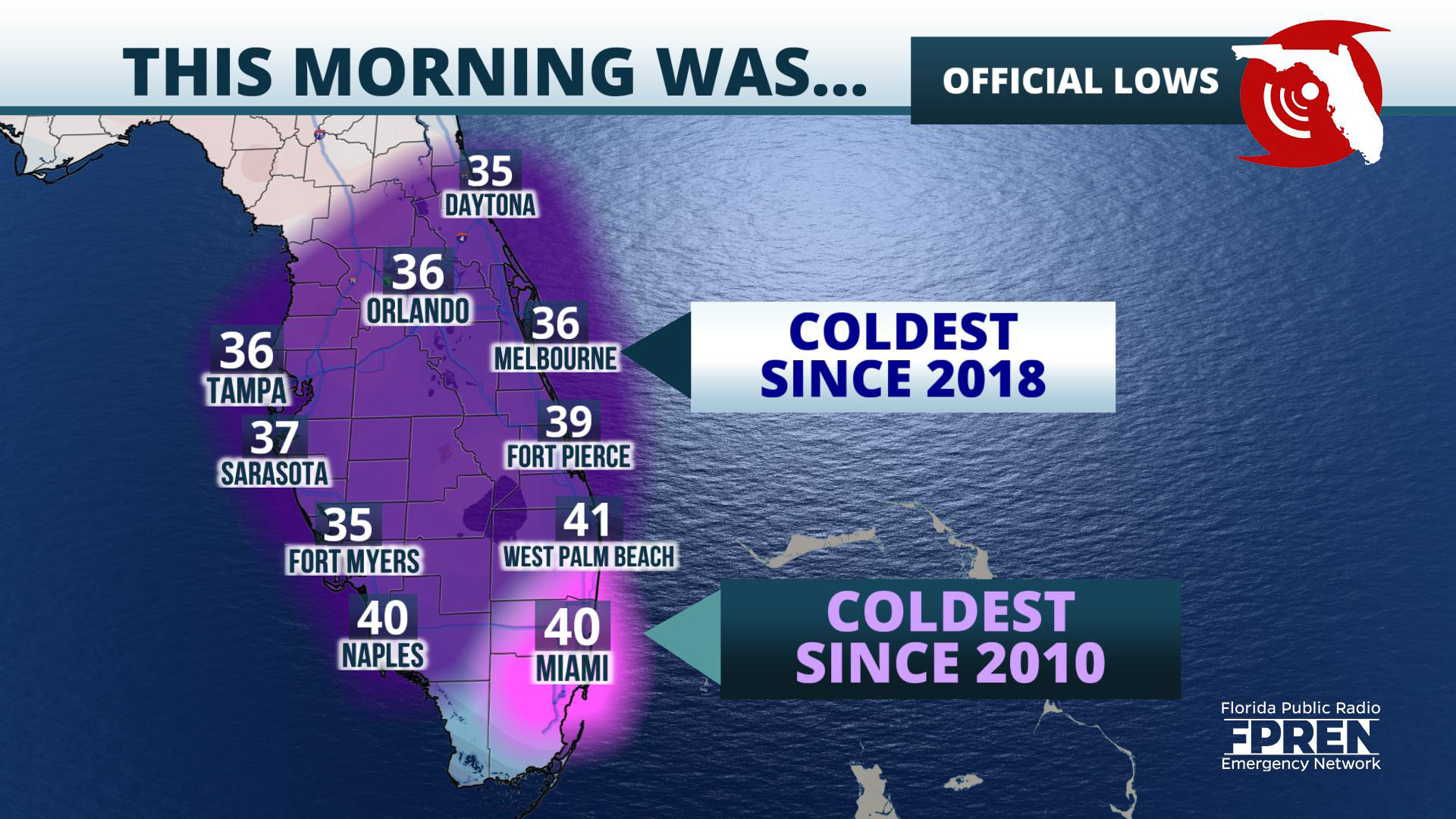
While not as historically extreme as 1899 or the 1980s, more recent decades have seen notable cold snaps. The winters of 2009-2010 and 2010-2011, for instance, were unusually cold and protracted for Florida. In January 2010, many areas experienced multiple nights of freezing temperatures, with lows dipping into the teens and 20s. These events caused significant losses for agriculture, particularly for tender crops, and led to “cold stunning” events for manatees and other marine wildlife seeking warmer waters in power plant outfalls. Even South Florida saw temperatures fall into the low 30s, causing concern for tropical plants and sensitive ecosystems like the Everglades. These more recent events underscore the continued vulnerability of Florida’s climate-sensitive environment to the occasional deep penetration of Arctic air.
Impact on Florida’s Natural and Agricultural Landscape
The occasional but severe cold snaps that strike Florida have had profound and lasting impacts on both its natural ecosystems and its historically significant agricultural sector. From the record-setting Great Freeze of 1899 to the devastating freezes of the 1980s, these events have shaped the state’s development, forcing adaptation and resilience in the face of environmental challenges. The inherent vulnerability of Florida’s warm-weather flora and fauna makes these extreme temperature drops particularly impactful.
Devastation to Citrus and Agriculture
Florida’s identity is deeply intertwined with its citrus industry. For decades, the state was the leading producer of oranges and grapefruits in the United States. However, major freezes have repeatedly tested this industry. The Great Freeze of 1899 was so catastrophic that it effectively wiped out the existing citrus groves in North Florida and Central Florida, forcing a mass migration of the industry further south, towards Lake Okeechobee and other more southerly regions. Similarly, the freezes of 1983 and 1985 delivered a one-two punch that decimated the remaining Central Florida groves. Many growers either went out of business or moved to South Florida or even out of the state entirely. These events fundamentally reshaped the Citrus Belt, illustrating how a single extreme weather event can alter an entire economic sector for generations. While modern mitigation techniques like overhead irrigation, protective covers, and even genetic improvements for cold hardiness have been developed, the threat of a severe freeze remains a constant concern for Florida‘s agricultural producers.
Effects on Wildlife and Ecosystems
Florida’s unique ecosystems, teeming with subtropical and tropical species, are particularly sensitive to cold. Reptiles, such as alligators and iguanas, are often “cold-stunned” during prolonged freezes, entering a dormant state where they appear lifeless but can recover as temperatures rise. During severe cold snaps, alligators have been observed entering a state of brumation, allowing their snouts to freeze above the water while the rest of their body remains submerged and warmer. Manatees, seeking warm water refugia, congregate in power plant discharge canals or natural springs, making them vulnerable to disease transmission. Exotic species, especially invasive tropical plants and animals, often suffer significant die-offs, which can paradoxically offer temporary relief for native species. However, repeated freezes can also stress native plant communities, especially those at the southern limits of their range or those typically found in tropical zones, leading to changes in species distribution and ecosystem structure within areas like the Everglades and the coastal hammocks.
Long-Term Adaptations and Resilience
The history of extreme cold in Florida has fostered a culture of adaptation and resilience. Urban planning, particularly in Central Florida and North Florida, now often considers the potential for freezing temperatures in infrastructure design and landscaping choices. Farmers have diversified crops, invested in sophisticated frost protection systems, or shifted to more cold-hardy varieties. The state’s research institutions, like the University of Florida’s Institute of Food and Agricultural Sciences (IFAS), play a crucial role in developing strategies to protect crops and natural resources from cold weather. While Florida will always be synonymous with warmth, its coldest historical temperatures serve as a powerful reminder of the dynamic forces of nature and the enduring capacity of the state and its inhabitants to adapt to unexpected challenges. The extreme low of -4°F in Jacksonville on February 13, 1899, remains a stark, fascinating, and somewhat paradoxical highlight in the historical narrative of the Sunshine State.
LifeOutOfTheBox is a participant in the Amazon Services LLC Associates Program, an affiliate advertising program designed to provide a means for sites to earn advertising fees by advertising and linking to Amazon.com. Amazon, the Amazon logo, AmazonSupply, and the AmazonSupply logo are trademarks of Amazon.com, Inc. or its affiliates. As an Amazon Associate we earn affiliate commissions from qualifying purchases.