
Planning a trip to West Palm Beach, Florida often starts with a fundamental question: what kind of weather can I expect? As a premier Florida destination, West Palm Beach boasts a subtropical climate, characterized by warm temperatures year-round, distinct wet and dry seasons, and ample sunshine. Understanding its climate is key to packing appropriately, planning your activities, and ultimately, enjoying your visit to the fullest. Whether you’re seeking a winter escape from colder climes or embracing the vibrant energy of a Florida summer, West Palm Beach’s temperature dictates the rhythm of its tropical allure.

Understanding West Palm Beach’s Tropical Climate
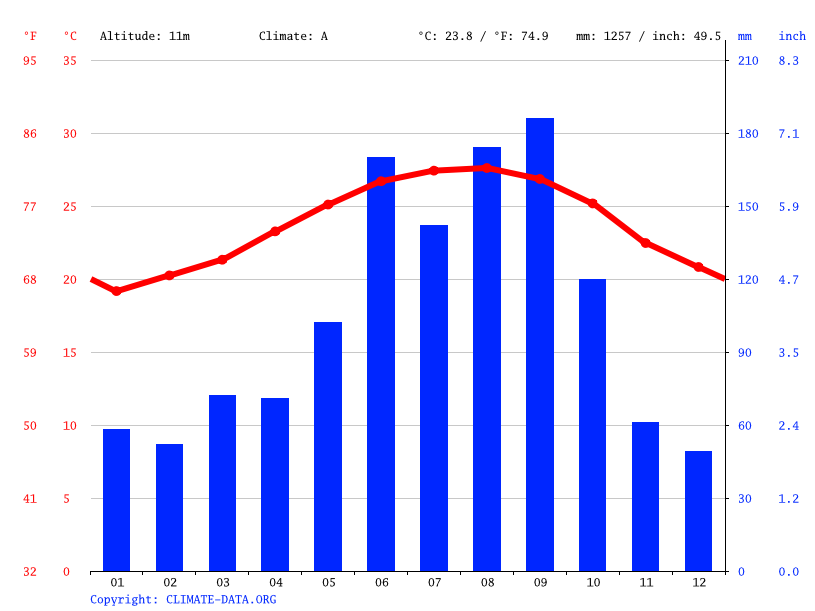
West Palm Beach falls squarely within a humid subtropical climate zone, which means it experiences hot, humid summers and warm, dry winters. This distinction between seasons is primarily marked by rainfall patterns and subtle shifts in temperature, rather than dramatic changes in foliage or snow. The overarching theme is warmth, with daytime temperatures rarely dipping below the 60s Fahrenheit (15-20°C), even in the coolest months. This consistent warmth is a major draw for travelers seeking sun and an escape from harsh winters elsewhere.
The year in West Palm Beach can be broadly divided into two main periods: the dry season and the wet season. The dry season typically runs from late October through May, characterized by lower humidity, less frequent rainfall, and more moderate temperatures. This is often considered the peak tourist season due to its comfortably warm and sunny days. Conversely, the wet season, from June through October, brings higher temperatures, significant humidity, and daily afternoon thunderstorms. While these storms can be intense, they are often brief, clearing the air and making way for more sunshine.
Average annual temperatures in West Palm Beach hover around 75°F (24°C). During the coolest months of December, January, and February, daytime highs typically range from the mid-70s to low-80s Fahrenheit (24-28°C), with evenings cooling down to the mid-50s or low-60s Fahrenheit (13-17°C). The summer months, from June through September, see average highs consistently in the upper 80s to low 90s Fahrenheit (31-33°C), coupled with high humidity that can make it feel even warmer. Evenings in summer are warm and sticky, rarely dropping below the mid-70s Fahrenheit (24-26°C).
A notable aspect of the climate in West Palm Beach is the Atlantic hurricane season, which officially runs from June 1st to November 30th. While not every year brings a direct hit, travelers visiting during this period should be aware of the possibility of tropical storms and hurricanes, which can impact travel plans. Local authorities and hotels are well-prepared, and it’s advisable to monitor weather forecasts.
Seasonal Breakdown for Travelers
Understanding the nuances of each season helps in planning the perfect West Palm Beach itinerary.
Winter (December – February): The Dry Season’s Mild Charm
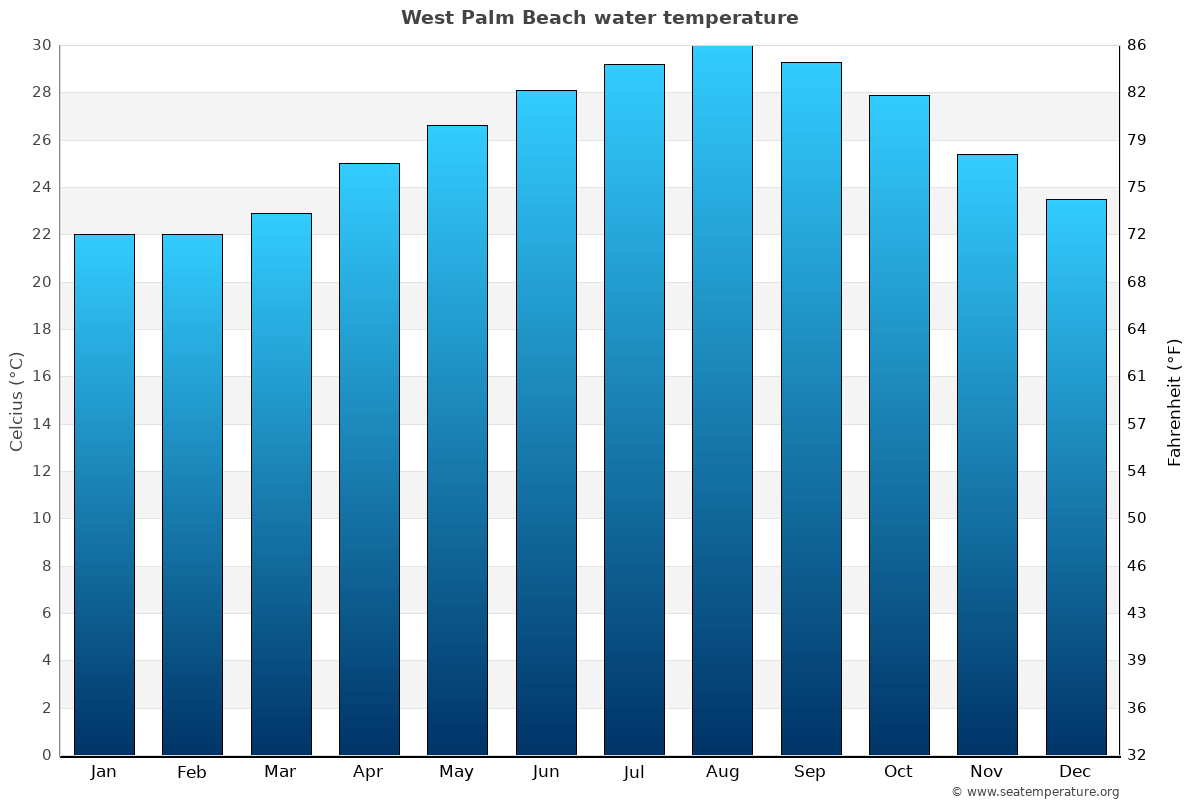
This is arguably the most popular time to visit. Temperatures are ideal, with daytime highs typically in the mid-70s to low-80s Fahrenheit (24-28°C) and much lower humidity. Nights are comfortably cool, often requiring a light jacket or sweater. Rainfall is minimal, leading to consistently sunny days perfect for outdoor activities like golf, tennis, and long walks on the beach. The ocean temperature remains pleasant for swimming, usually in the low 70s Fahrenheit (21-23°C). Expect larger crowds and higher prices during these months, especially around holidays and major events.
Spring (March – May): Pleasant Transition
Spring in West Palm Beach offers a delightful balance. The weather remains largely dry and sunny, with temperatures gradually climbing from the mid-70s to mid-80s Fahrenheit (24-30°C). Humidity begins to increase but is still manageable. This period often sees fewer crowds than the peak winter months, making it an excellent time for those seeking good weather without the bustling atmosphere. Ocean temperatures become even more inviting, often reaching the upper 70s Fahrenheit (25-26°C), perfect for all sorts of water activities.
Summer (June – August): Hot, Humid, and Vibrant
Summer embraces the true tropical nature of West Palm Beach. Expect daily highs in the upper 80s to low 90s Fahrenheit (31-33°C), coupled with significant humidity. Afternoon thunderstorms are a regular occurrence, often providing a dramatic but brief respite from the heat before clearing to reveal more sunshine. These rains usually last an hour or two and often cool things down slightly. While hot, the summer offers opportunities for incredible water sports and indoor attractions. It’s also typically the season for finding better deals on accommodation and flights due to fewer crowds.
Fall (September – November): Preparing for Peak Season
The fall months are a transition period. Early fall, particularly September and October, still maintains summer-like heat and humidity, and is within the peak of hurricane season. As November approaches, temperatures begin to cool, and humidity levels gradually drop, signaling the return of the dry season. This period can offer a sweet spot for travelers looking for warmer weather before the winter crowds arrive, often with pleasant conditions and fewer people. Ocean temperatures remain warm, making late-season beach trips very enjoyable.
Beyond the Thermometer: Experiencing West Palm Beach
The climate of West Palm Beach isn’t just a number on a thermometer; it’s an integral part of the destination’s appeal, shaping the experiences and activities available to travelers. From pristine beaches to lush nature preserves and vibrant urban centers, West Palm Beach offers a diverse range of attractions that can be enjoyed across its distinct seasons. Understanding the temperature helps visitors plan which activities are best suited for their chosen travel dates.
Outdoor Adventures for Every Season
Regardless of the time of year, West Palm Beach’s natural beauty encourages outdoor exploration.
For water enthusiasts, the warm Atlantic waters and serene Intracoastal Waterway are always calling. Snorkeling and diving around Peanut Island are popular activities, especially when water temperatures are at their warmest from spring through fall. Kayaking, paddleboarding, and boating are fantastic ways to explore the extensive waterways, with options ranging from calm mangrove tunnels to the open ocean. Palm Beach and Singer Island offer expansive stretches of golden sand, perfect for sunbathing, swimming, and beachcombing. During the cooler, drier winter months, these beaches are bustling, while in summer, they offer a refreshing escape from the heat, with a quick dip often providing immediate relief.
Nature and wildlife enthusiasts will find a wealth of opportunities. Manatee Lagoon, an FPL Eco-Discovery Center, provides a unique chance to observe manatees in their natural habitat, particularly during the cooler winter months when they seek refuge in the warm water outflow. The Loggerhead Marinelife Center in nearby Juno Beach offers fascinating insights into sea turtle conservation year-round. For hikers and birdwatchers, the Grassy Waters Preserve offers miles of trails through diverse wetland ecosystems, providing a cooler, shaded experience on warmer days. Golf is a prevalent pastime in the region, with numerous championship courses that are particularly enjoyable during the mild, dry winter and spring seasons.
Cultural Immersion and Indoor Escapes
When the sun is at its most intense or an afternoon shower rolls in, West Palm Beach offers a rich array of indoor and cultural experiences. The Norton Museum of Art boasts an impressive collection of European, American, Chinese, and contemporary art, making it a perfect spot for air-conditioned contemplation. The Kravis Center for the Performing Arts hosts a diverse calendar of Broadway shows, concerts, and cultural performances, providing evening entertainment regardless of the weather. For a blend of art and nature, the Ann Norton Sculpture Gardens offers a tranquil oasis, best explored in the milder mornings or late afternoons.
Shopping and dining are integral parts of the West Palm Beach experience. Rosemary Square (formerly CityPlace) is an open-air shopping, dining, and entertainment district, best enjoyed when temperatures are comfortable, though many establishments offer air-conditioned interiors. For a more upscale retail experience, Worth Avenue on Palm Beach offers designer boutiques and exquisite dining, providing plenty of opportunities to step inside and escape the heat.
Families traveling to West Palm Beach will find attractions like the Palm Beach Zoo & Conservation Society and the South Florida Science Center and Aquarium. While the zoo is an outdoor attraction, it offers shaded pathways and misting stations to keep visitors comfortable on warmer days. The science center and aquarium provide interactive, air-conditioned fun, making them ideal choices for hot or rainy afternoons.
Packing Smart for Your West Palm Beach Getaway
Given West Palm Beach’s consistently warm temperatures, smart packing is essential for a comfortable trip. Regardless of the season, lightweight, breathable clothing is a must. Think cotton, linen, and moisture-wicking fabrics. Swimwear is practically a year-round necessity, alongside a good pair of sunglasses, a wide-brimmed hat, and plenty of reef-safe sunscreen to protect against the strong Florida sun.
For winter visitors, a light jacket, cardigan, or sweater will be useful for cooler evenings and air-conditioned indoor spaces. Spring and fall travelers can often get away with just a light wrap. Summer visitors should prepare for the humidity and potential afternoon downpours by including quick-drying clothes and perhaps a lightweight rain jacket or umbrella. Comfortable walking shoes are always advisable, especially if you plan on exploring the city’s vibrant districts or natural preserves. Sandals and flip-flops are perfect for beach days and casual strolls.
Best Time to Visit West Palm Beach
Ultimately, the “best” time to visit West Palm Beach depends on individual preferences and priorities.
If temperate weather, low humidity, and a bustling atmosphere are what you seek, the winter months (December to February) are unparalleled. This is prime time for outdoor activities, golf, and enjoying the vibrant social scene, though it comes with higher prices and larger crowds. Major events like the Palm Beach International Boat Show often fall within this period.
For those who prefer pleasant weather with fewer crowds and potentially better value, spring (March to May) and late fall (November) offer an ideal balance. The temperatures are still wonderfully warm, the water is inviting, and you can experience much of what West Palm Beach has to offer without the peak season rush. Spring is also home to SunFest, one of Florida’s’s largest music and art festivals.
Travelers who are budget-conscious, enjoy hot weather, and don’t mind the occasional afternoon thunderstorm might find summer (June to August) appealing. While humid, the summer brings a lively energy, fantastic deals on accommodation, and the opportunity to spend endless hours in the refreshing ocean or pool.
In essence, West Palm Beach is a year-round destination, each season offering a unique set of advantages shaped by its delightful subtropical climate. Knowing what to expect temperature-wise ensures that your trip will be as comfortable and enjoyable as possible, allowing you to immerse yourself fully in the beauty and excitement of this South Florida gem.
LifeOutOfTheBox is a participant in the Amazon Services LLC Associates Program, an affiliate advertising program designed to provide a means for sites to earn advertising fees by advertising and linking to Amazon.com. Amazon, the Amazon logo, AmazonSupply, and the AmazonSupply logo are trademarks of Amazon.com, Inc. or its affiliates. As an Amazon Associate we earn affiliate commissions from qualifying purchases.