
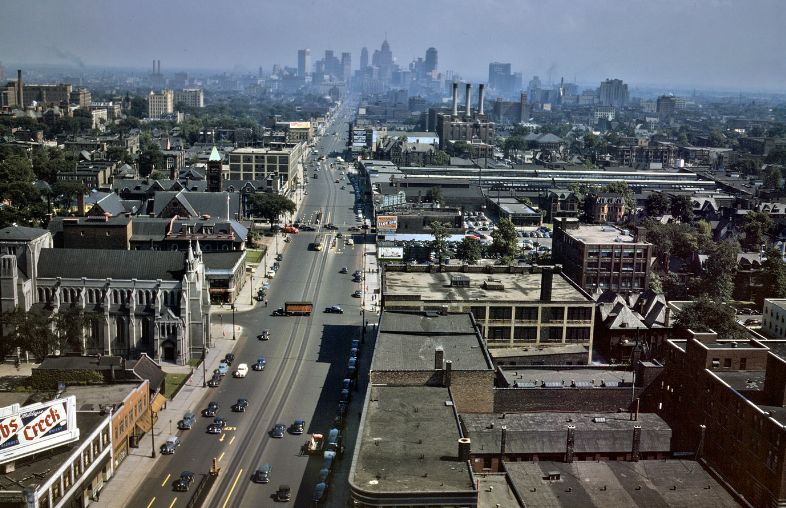
The question “Is Detroit dangerous?” is one that has long lingered in the minds of prospective travelers, often fueled by outdated narratives and historical perceptions. For decades, the city, once a booming industrial powerhouse and the birthplace of the automotive industry, grappled with significant economic downturns, population decline, and the social challenges that often accompany such shifts. These struggles, widely reported, unfortunately cemented a reputation that didn’t always reflect the full picture, and certainly doesn’t represent the vibrant reality of Detroit today.
In recent years, Detroit has undergone an astonishing revitalization, transforming into one of the most exciting and dynamic cities in the United States. A surge of investment, innovation, and community spirit has breathed new life into its historic streets, leading to the emergence of thriving cultural districts, innovative culinary scenes, and a renewed sense of optimism. While it’s true that, like any major urban center, Detroit has areas where caution is advisable, the parts of the city most frequented by tourists are remarkably safe, welcoming, and teeming with attractions.
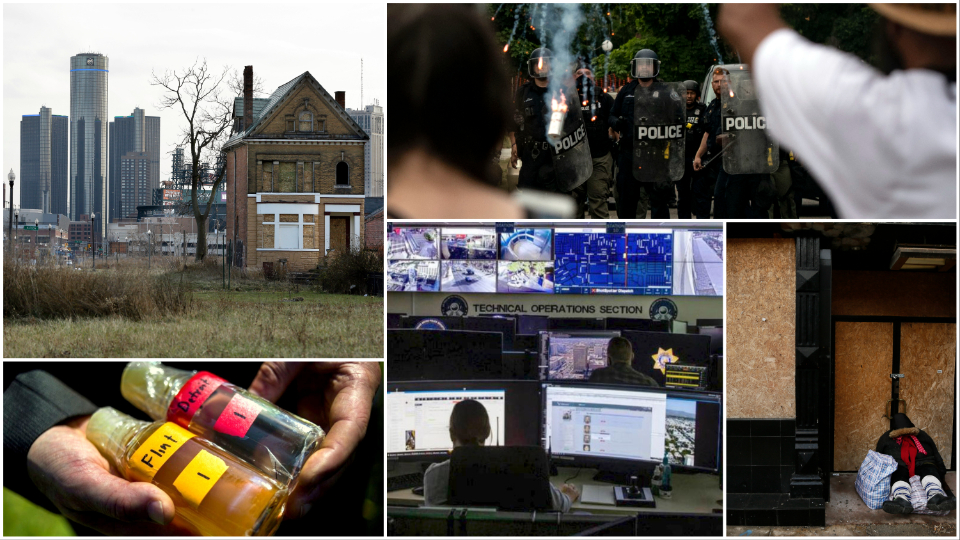
This article aims to provide an honest, up-to-date perspective on safety in Detroit, guiding you through its revitalized core, highlighting its incredible landmarks, and offering practical advice for an enjoyable and secure travel experience. Whether you’re considering a weekend getaway, a business trip, or a deeper dive into Michigan’s largest city, understanding the true landscape of modern Detroit is key to unlocking its unique charm and discovering why it’s becoming a top destination for travelers worldwide.
Debunking the Myth: Understanding Detroit’s Safety Landscape
The perception of Detroit as inherently dangerous is a deeply ingrained one, often rooted in media portrayals from its most challenging periods. However, to truly understand the city’s current safety landscape, it’s essential to move beyond these outdated narratives and look at the dramatic shifts that have occurred, particularly in the areas most relevant to tourism.
A City Transformed: From Past Perceptions to Present Realities
The narrative of Detroit is one of resilience and reinvention. Following its municipal bankruptcy in 2013, the city embarked on an ambitious journey of renewal. This wasn’t just about financial restructuring; it was about reimagining urban spaces, fostering economic growth, and strengthening communities. The focus of this revitalization has been particularly pronounced in key districts such as Downtown Detroit, Midtown, Corktown, and New Center.
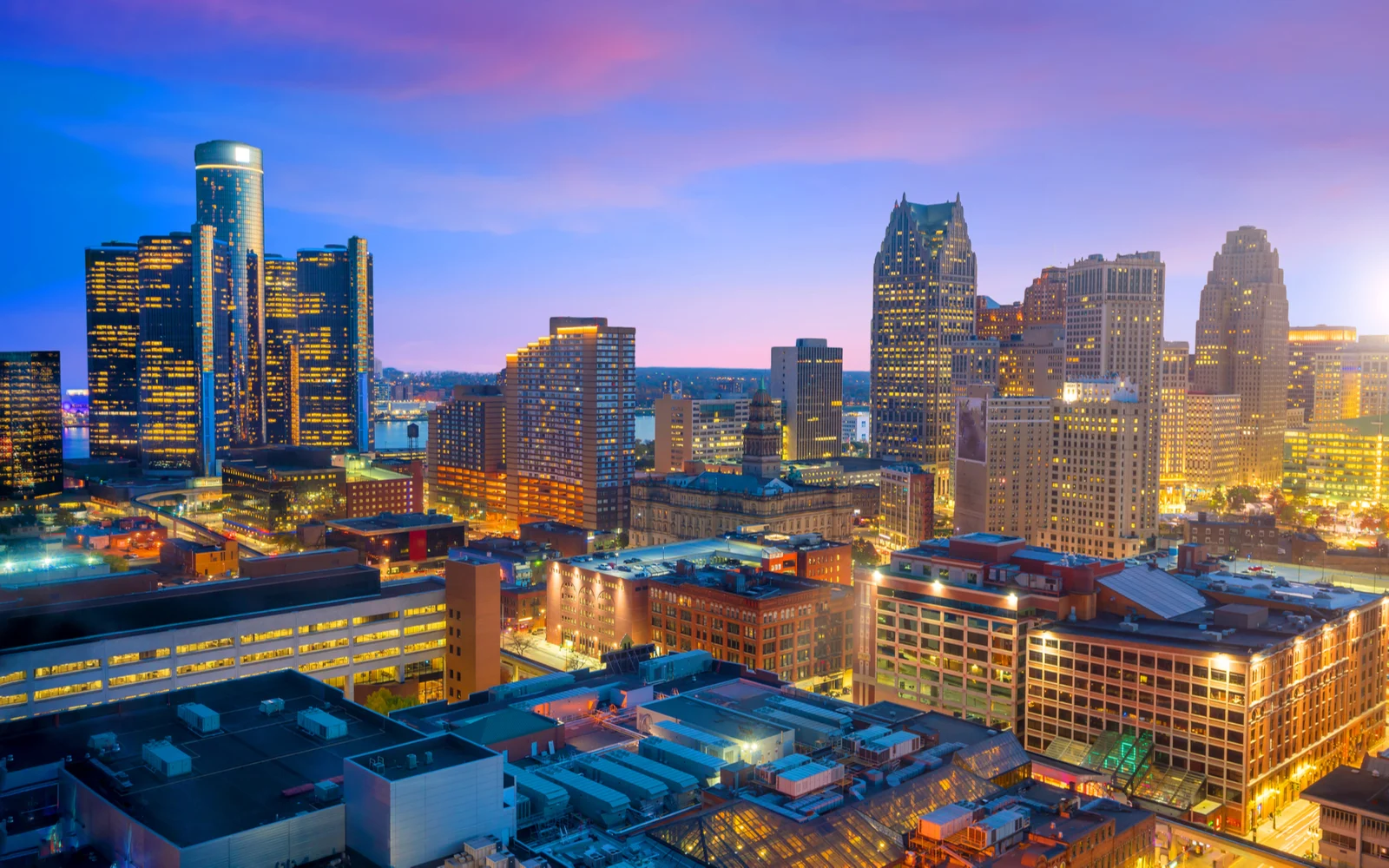
These areas, once plagued by vacancy and neglect, are now bustling hubs of activity. Downtown Detroit, for instance, has seen massive investments in infrastructure, leading to beautifully restored buildings, new hotels, vibrant parks like Campus Martius Park and Grand Circus Park, and a palpable sense of energy. Similarly, Midtown has solidified its reputation as a cultural and educational center, home to world-class museums and universities, with a thriving street life that feels incredibly safe and welcoming. Corktown, the city’s oldest neighborhood, has transformed into a trendy district known for its eateries, boutiques, and historic architecture, drawing both locals and visitors.
The transformation isn’t just cosmetic; it’s deeply functional. Increased police presence in these revitalized areas, improved street lighting, and a strong sense of community pride have collectively contributed to a safer environment for residents and tourists alike. Travelers exploring these districts will find themselves in clean, well-maintained spaces, with plenty of people around, fostering a sense of security that challenges old stereotypes.
Navigating Detroit: Safe Practices for Travelers
While the vast majority of popular tourist areas in Detroit are safe, adopting general urban travel safety practices is always recommended, regardless of the city you visit. For Detroit, this means being aware of your surroundings and making informed choices, especially if you venture beyond the main downtown and cultural corridors.
- Stick to Well-Trafficked Areas: For first-time visitors, it’s best to concentrate your exploration on Downtown Detroit, Midtown, Corktown, and New Center. These districts offer an abundance of attractions, dining, and entertainment options, all within safe and easily navigable environments.
- Be Mindful at Night: Like any major city, some areas become quieter after dark. While Downtown Detroit and Midtown remain lively well into the evening, especially around venues and restaurants, it’s wise to use ride-sharing services or taxis if traveling long distances or in less familiar neighborhoods late at night.
- Secure Valuables: Keep your wallet, phone, and other valuables out of sight, and avoid displaying large sums of cash. Pickpocketing and petty theft can occur anywhere, so basic precautions are always a good idea.
- Travel with Company: If exploring less familiar areas, especially after dark, it’s always safer to travel in groups or with a companion.
- Trust Your Instincts: If a situation or area feels uncomfortable, it’s best to remove yourself from it.
By following these common-sense tips, visitors can confidently explore the best of what Detroit has to offer, focusing on its rich culture, history, and vibrant contemporary scene.
Statistical Snapshot: Crime Rates and Urban Trends
It’s important to acknowledge that Detroit has historically faced higher crime rates compared to national averages. However, recent trends show a significant and consistent decline in both violent and property crimes, particularly in the core areas that draw tourists and business travelers. The city has made substantial strides in public safety initiatives, including increased community policing, blight removal, and strategic investments in surveillance and security technologies.
While overall crime statistics for the entire city may still appear higher than some suburban areas, it is crucial to understand that these numbers often include neighborhoods far removed from the tourist epicenters. The perception versus reality gap is particularly wide when comparing crime rates in specific, well-maintained districts like Downtown Detroit or Midtown to the city-wide average. These revitalized zones benefit from dedicated efforts to ensure visitor safety, making them comparable in terms of security to downtown areas of other major United States cities. Travel to Detroit today is largely about experiencing this impressive resurgence, confident in the knowledge that significant progress has been made to foster a safe and enjoyable environment for everyone.
Discovering the New Detroit: A Vibrant Travel Destination
Beyond the discussions of safety, the true allure of Detroit lies in its incredible transformation into a vibrant travel destination. The city offers a unique blend of rich history, groundbreaking innovation, and a thriving contemporary culture that caters to a diverse range of interests. From world-class museums to an electrifying culinary scene, Detroit is a place of discovery and delight.
Iconic Landmarks and Cultural Treasures
Detroit’s historical significance is undeniable, and its landmarks tell compelling stories of American industry, music, and art. A visit here is a journey through pivotal moments in the nation’s past.
- The Motown Museum: Housed in “Hitsville U.S.A.“, the former headquarters and recording studio of Motown Records, this museum is a pilgrimage site for music lovers. Experience where legends like The Supremes, Stevie Wonder, and Marvin Gaye recorded their timeless hits.
- The Detroit Institute of Arts (DIA): Located in Midtown, the DIA boasts one of the largest and most significant art collections in the United States. Its crown jewel is Diego Rivera’s Detroit Industry Murals, a breathtaking tribute to the city’s industrial might.
- The Henry Ford Museum of American Innovation and Greenfield Village: While technically in nearby Dearborn, these attractions are essential Detroit experiences. The museum showcases American ingenuity, from the Rosa Parks bus to presidential limousines. Greenfield Village offers a living history experience with historic buildings, working farms, and craftspeople.
- The GM Renaissance Center: This iconic complex of seven interconnected skyscrapers dominates the Detroit skyline. It’s home to the Detroit Marriott at the Renaissance Center and offers stunning views of the city and the Detroit River.
- Fox Theatre: A breathtakingly opulent movie palace and concert venue, the Fox Theatre is a testament to Detroit’s architectural grandeur. Catch a show here for an unforgettable experience.
- Sports Venues: Detroit is a passionate sports city, home to Comerica Park (baseball), Little Caesars Arena (hockey and basketball), and Ford Field (football). Attending a game is a quintessential Detroit experience.
- Fisher Building: An architectural masterpiece located in New Center, often called “Detroit’s Largest Art Object,” featuring stunning marble, bronze, and mosaic work.
- Detroit Public Library: Another architectural gem, the main branch near the DIA is worth a visit for its grand design and peaceful atmosphere.
Culinary Delights and Entertainment Hubs
Detroit’s culinary scene has exploded, becoming a haven for foodies. From innovative farm-to-table restaurants to classic comfort food, there’s something to tantalize every palate. Don’t leave without trying a Detroit-style pizza (square, thick crust, crispy edges) or a famous coney dog.
- Eastern Market: One of the oldest and largest historic public markets in the United States, Eastern Market is a vibrant hub for fresh produce, local goods, and delicious food vendors, especially lively on Saturdays.
- Greektown: A historic entertainment district known for its vibrant nightlife, Greek restaurants, and the Greektown Casino-Hotel.
- Mexican Town: Offering authentic Mexican cuisine, vibrant markets, and cultural events, it’s a fantastic spot for an immersive culinary experience.
- Craft Breweries and Distilleries: Detroit boasts a thriving craft beer and spirits scene, with numerous breweries and distilleries offering tastings and tours.
- Music Scene: As the birthplace of Motown and Techno, music is deeply embedded in Detroit’s DNA. You can find live music venues ranging from intimate jazz clubs to large concert halls.
Green Spaces and Outdoor Adventures
Detroit’s natural beauty and urban green spaces offer a refreshing contrast to its industrial heritage.
- Belle Isle Park: A stunning 982-acre island park designed by Frederick Law Olmsted (who also designed New York City’s Central Park), Belle Isle Park offers an aquarium, conservatory, museum, golf course, and spectacular views of the Detroit and Windsor, Canada skylines. It’s a fantastic spot for cycling, picnicking, or simply enjoying nature.
- Detroit Riverwalk: This award-winning promenade stretches for miles along the Detroit River, offering scenic views, public art, and access to various parks and attractions. It’s perfect for walking, jogging, or biking, and provides a safe and pleasant way to explore the waterfront.
- Campus Martius Park: In the heart of Downtown Detroit, this park is a year-round hub of activity, featuring a beach in summer, an ice rink in winter, and numerous events and concerts.
Accommodation and Lifestyle: Making the Most of Your Stay
Choosing the right accommodation and understanding local transportation options are crucial for a comfortable and enjoyable trip to Detroit. The city’s resurgence has led to a boom in diverse lodging choices and improved infrastructure, catering to every travel style and budget.
Choosing Your Home Away From Home: Hotels and Unique Stays
Detroit’s hospitality scene has blossomed, offering everything from luxurious resorts to trendy boutique hotels and budget-friendly options. The best areas for visitors to stay are typically Downtown Detroit, Midtown, and Corktown, known for their safety, accessibility, and proximity to attractions.
- Luxury and Boutique Hotels: For those seeking a sophisticated experience, Detroit offers several upscale choices. The Shinola Hotel, an exemplar of Detroit’s design prowess, blends luxury with local craftsmanship. The Detroit Marriott at the Renaissance Center provides spectacular river views from the city’s iconic skyscraper. Newer additions like the Godfrey Hotel Detroit in Corktown offer stylish accommodations within walking distance of vibrant nightlife and dining.
- Casino Hotels: For entertainment and convenience, the city’s casino hotels like MGM Grand Detroit, MotorCity Casino Hotel, and Greektown Casino-Hotel offer a full suite of amenities, including restaurants, spas, and live entertainment.
- Mid-Range and Budget Options: Numerous chain hotels and independent establishments provide comfortable and affordable stays throughout the popular districts. Consider neighborhoods like Midtown for proximity to cultural institutions or Downtown Detroit for easy access to sports venues and the Detroit Riverwalk.
- Apartment and Vacation Rentals: For longer stays, family trips, or those preferring a local experience, platforms offering apartments or vacation homes are widely available, especially in Corktown and Midtown.
Booking in advance, especially during major events or peak seasons, is always recommended to secure the best rates and desired locations. Reading recent reviews on accommodation websites can provide valuable insights into specific properties and their immediate surroundings.
Experiencing Detroit Like a Local: From Luxury to Budget-Friendly
Detroit caters to all types of travelers, whether you’re looking for a lavish escape or an authentic, budget-conscious adventure.
- Luxury Travel: Indulge in fine dining at critically acclaimed restaurants, enjoy exclusive suites in upscale hotels, or explore the city’s private art galleries. Consider a private guided tour to delve deeper into Detroit’s architecture, history, and hidden gems.
- Budget Travel: Detroit can be surprisingly affordable. Many museums offer free admission or discounted days (e.g., Detroit Institute of Arts is free for Michigan residents, and often has free public areas). Public markets like Eastern Market provide delicious and inexpensive food options. Utilize public transportation and explore the city’s beautiful parks and riverfront for free entertainment.
- Family Trips: Attractions like the Detroit Zoo (in nearby Royal Oak), Michigan Science Center, and Belle Isle Park offer engaging experiences for all ages. Many hotels are family-friendly, with pools and amenities.
- Business Stays: With its revitalized Downtown Detroit and New Center districts, Detroit is increasingly a destination for conferences and corporate events. Hotels offer business centers, meeting rooms, and convenient access to the QLine or People Mover for easy transit.
Transportation and Accessibility
Getting around Detroit is relatively straightforward, especially within the main tourist corridors.
- Walking: Downtown Detroit, Midtown, and Corktown are very walkable. Exploring these districts on foot allows you to soak in the atmosphere and discover hidden gems.
- QLine: This modern streetcar system runs along Woodward Avenue, connecting Downtown Detroit, Midtown, and New Center. It’s an excellent, affordable, and safe way to move between many key attractions.
- Detroit People Mover: An elevated automated rail system that circles Downtown Detroit, offering convenient access to various landmarks, sports venues, and hotels.
- Ride-Sharing and Taxis: Uber and Lyft are readily available throughout the city, providing reliable and safe transportation, especially for longer distances or late-night travel. Traditional taxis are also an option.
- Driving: While convenient for reaching areas outside the core, navigating Detroit by car requires awareness of parking, which can vary in cost and availability. Parking structures are prevalent in Downtown Detroit and Midtown. If you plan to visit attractions like Henry Ford Museum in Dearborn, having a car is beneficial.
Detroit is a city best experienced by engaging with its diverse offerings and embracing its unique spirit. With a little planning and common-sense precautions, you can confidently navigate this incredible city and discover why it’s a truly unforgettable travel destination.
In conclusion, the question “Is Detroit dangerous?” is increasingly a relic of the past. While historical challenges are part of its narrative, the modern reality of Detroit in its revitalized core is one of safety, innovation, and an unparalleled cultural richness. The city has made monumental strides in transforming its most visited districts into welcoming, vibrant, and secure environments for travelers.
From the world-renowned Motown Museum and Detroit Institute of Arts to its burgeoning culinary scene, thriving nightlife, and beautiful green spaces like the Detroit Riverwalk and Belle Isle Park, Detroit offers a wealth of experiences for every type of traveler. With a range of accommodations to suit all budgets and efficient transportation options like the QLine and People Mover, exploring this dynamic city is more accessible than ever.
Like any major urban destination, exercising general travel awareness is prudent, but the fear of danger should no longer deter you from experiencing the incredible rebirth of this iconic American city. Detroit invites you to discover its resilience, innovation, and the warm hospitality of its people. It’s a city that defies expectations and rewards those who venture to explore its exciting present and promising future. Come to Detroit and see for yourself—you might just find your new favorite destination.
LifeOutOfTheBox is a participant in the Amazon Services LLC Associates Program, an affiliate advertising program designed to provide a means for sites to earn advertising fees by advertising and linking to Amazon.com. Amazon, the Amazon logo, AmazonSupply, and the AmazonSupply logo are trademarks of Amazon.com, Inc. or its affiliates. As an Amazon Associate we earn affiliate commissions from qualifying purchases.