
Understanding Miami‘s Subtropical Climate
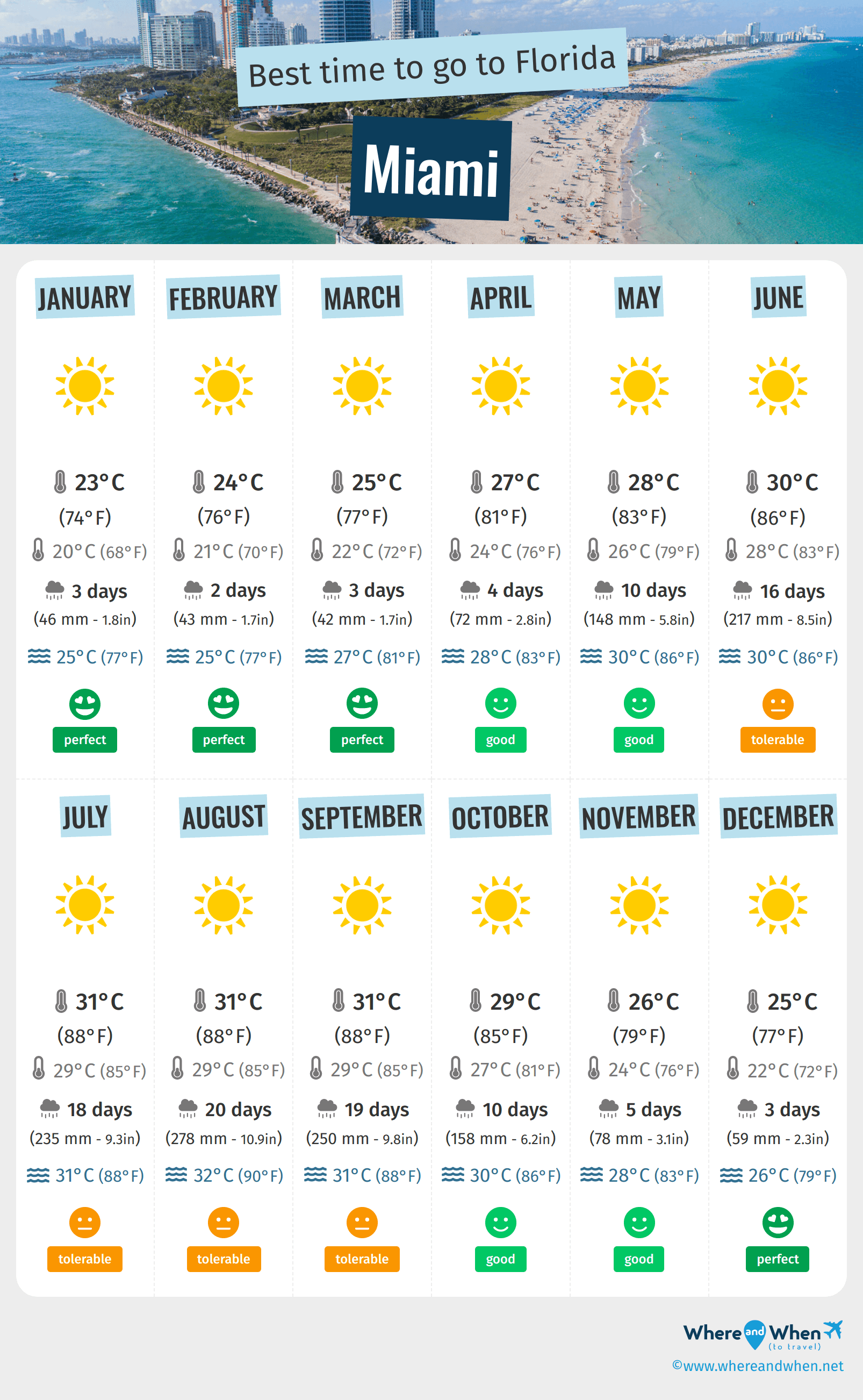
Miami, Florida, a dazzling jewel on the southeastern tip of the United States, is world-renowned for its vibrant culture, stunning beaches, and an undeniably enticing climate. Travelers considering a trip to this dynamic metropolis often inquire about its weather patterns, a crucial factor in planning the perfect escape. Situated in a subtropical zone, Miami experiences distinct, albeit less dramatic, seasonal shifts compared to more temperate regions. Its climate is primarily characterized by warm to hot temperatures year-round, high humidity, and a wet and dry season rather than the four traditional seasons.
A Year-Round Destination
Thanks to its favorable weather, Miami truly shines as a year-round travel destination. While each season presents its unique characteristics and challenges, the city consistently offers opportunities for outdoor enjoyment, from sunbathing on the iconic sands of South Beach to exploring the lush landscapes of Everglades National Park. Understanding these nuances is key to maximizing your travel experience, ensuring you pack appropriately and plan activities suited to the prevailing conditions. The allure of Miami’s warm climate is a primary draw for millions of tourists annually, seeking refuge from colder climes and embracing the city’s sunny disposition.
Key Climatic Characteristics
The defining features of Miami’s climate include consistent warmth, high humidity, and an abundance of sunshine. Even in the cooler months, temperatures rarely dip below comfortable levels, making outdoor pursuits highly accessible. Humidity is a constant companion, particularly during the summer, influencing how the heat is perceived. Rainfall is unevenly distributed throughout the year, with a pronounced wet season from late spring to early autumn and a drier period through winter and early spring. This unique combination creates an environment that supports tropical flora and fauna, and dictates the rhythm of daily life and tourist activities in the city.
Seasonal Weather Patterns and Travel Implications
Miami’s seasonal weather, while not extreme, significantly impacts travel planning. Each period offers a different facet of the city, from the bustling peak season to the quieter, more humid months.
Winter Wonderland (December – February): Mild, Dry, Perfect
Miami winters are nothing short of idyllic, making this the peak travel season. Temperatures average in the mid-70s Fahrenheit (20-24°C) during the day, with comfortable lows in the 60s Fahrenheit (15-18°C) at night. Rainfall is at its lowest, and humidity levels are significantly reduced, resulting in clear, sunny skies and pleasant breezes. This period is perfect for everything Miami has to offer, from relaxing on the beach and dining al fresco to exploring the Art Deco Historic District and enjoying boat tours. Travelers during these months should pack light layers, including a sweater or light jacket for cooler evenings, along with standard beachwear and comfortable walking shoes. The comfortable weather also means popular attractions and hotels can be more crowded and expensive, so booking in advance is highly recommended.
Spring’s Gentle Embrace (March – May): Pleasant and Vibrant
Spring in Miami maintains much of winter’s charm, with gradually rising temperatures and increasing humidity towards May. Daytime highs typically range from the high 70s to low 80s Fahrenheit (25-29°C), with evenings remaining comfortably warm. Rainfall begins to increase slightly, though heavy downpours are still infrequent. This is an excellent time for travelers seeking warm weather without the intense heat and humidity of summer, often at slightly more palatable prices than peak winter. Events such as the South Beach Wine & Food Festival draw crowds, adding to the city’s vibrant atmosphere. Packing should include light clothing, swimwear, and perhaps a light rain jacket as the season progresses. Sun protection remains paramount.
Summer’s Tropical Heat (June – August): Hot, Humid, and Rainy
Summer in Miami ushers in the true tropical experience: hot, humid, and wet. Daytime temperatures consistently hover in the high 80s to low 90s Fahrenheit (30-34°C), often feeling even hotter due to oppressive humidity. This period marks the beginning of the wet season, with frequent afternoon thunderstorms that, while often brief, can be intense. These downpours are typically a welcome relief from the heat and often leave behind clear, refreshed air. Hurricane season officially begins on June 1st, though the probability of a direct hit remains relatively low in early summer. Travelers visiting in summer should prioritize loose, breathable clothing, plenty of swimwear, and essential rain gear like an umbrella or a lightweight waterproof jacket. It’s an ideal time for water sports, enjoying air-conditioned indoor attractions, and taking advantage of potential off-season deals.
Autumn’s Transition (September – November): Lingering Warmth and Hurricane Watch
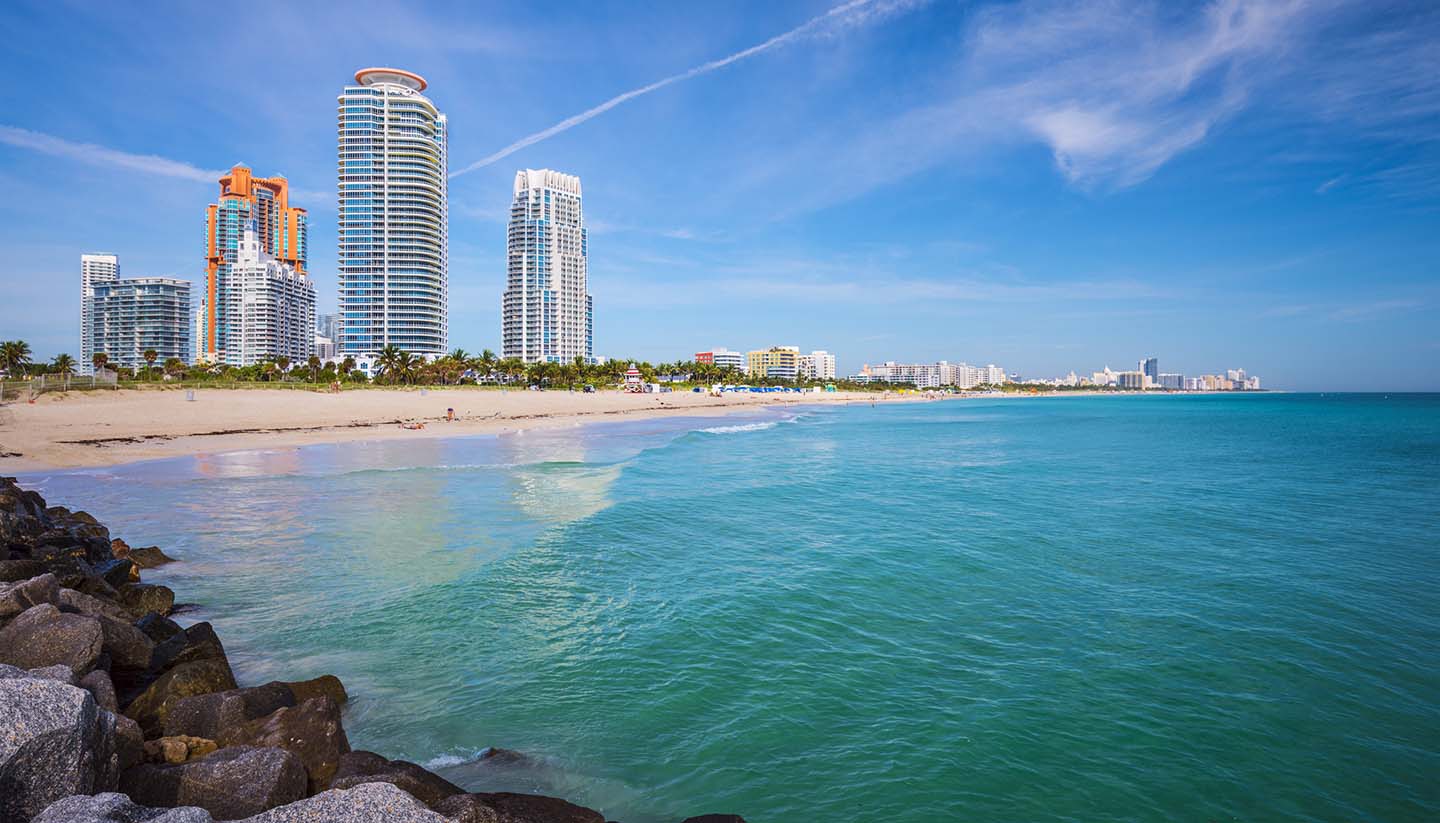
Autumn in Miami is a period of transition, moving from the intense heat and humidity of summer back towards the drier, milder conditions of winter. September and October are still very warm, with highs in the mid-80s Fahrenheit (29-31°C), and humidity remains high. Rainfall gradually decreases, but the region is still firmly within hurricane season, with peak activity historically occurring in September. By November, the weather typically becomes much more agreeable, with lower humidity and pleasant temperatures settling in. This can be a great time to visit for those seeking fewer crowds and good value, especially later in the season. Packing considerations remain similar to summer in early fall, gradually shifting to include lighter layers as November approaches. Vigilance regarding weather forecasts is advisable.
Preparing for Miami’s Diverse Forecasts
Effective preparation is paramount for any travel endeavor, and Miami’s climate demands specific considerations to ensure comfort and enjoyment.
Packing Essentials for Every Season
Regardless of the time of year, certain items are non-negotiable for a Miami trip. Lightweight, breathable clothing made from natural fibers is always a good idea. Swimwear is essential, as are comfortable walking shoes suitable for both city exploration and beach strolls. Sun protection, including high-SPF sunscreen, sunglasses, and a wide-brimmed hat, is crucial year-round due to the strong Florida sun. During the wet season, a compact umbrella or a lightweight, packable rain jacket will be invaluable for sudden downpours. Even in winter, a light sweater or jacket for air-conditioned interiors or cooler evenings is recommended.
Navigating Humidity and Sunshine
The high humidity, especially during the summer and early fall, can be a significant factor. Staying hydrated by drinking plenty of water is vital. Opt for accommodations with reliable air conditioning to provide a cool respite from the heat. Plan outdoor activities for the mornings or late afternoons during the hotter months, and utilize the midday for indoor attractions like museums or shopping at places like the Bayside Marketplace. Always reapply sunscreen regularly, especially after swimming or sweating, to prevent sunburn.
Understanding Hurricane Season (June 1 – November 30)
Travelers visiting Miami between June and November should be aware of hurricane season. While a direct hit from a major hurricane is rare, tropical storms and depressions can bring several days of heavy rain and strong winds. It is prudent to purchase travel insurance that covers weather-related disruptions during these months. Keep an eye on weather forecasts from reputable sources like the National Hurricane Center in the days leading up to and during your trip. Most importantly, maintain flexibility in your travel plans and be prepared to adapt if a storm develops or approaches. The city and its infrastructure are well-prepared for such events, but traveler awareness is key.
The Best Time to Visit Miami Based on Weather and Activities
Choosing the “best” time to visit Miami largely depends on individual preferences regarding weather, crowd levels, and specific activities.
For Beach Lovers and Outdoor Enthusiasts
The period from December to May is generally considered the optimal time for those whose primary goal is to bask on Miami’s famous beaches, explore the Florida Keys, or partake in extensive outdoor activities. The dry, mild, and sunny conditions during these months are ideal for everything from cycling along Ocean Drive to deep-sea fishing. While this is the peak tourist season, the comfortable weather often outweighs the larger crowds and higher prices for many travelers.
For Budget Travelers and Indoor Explorers
Summer and early fall (June through October) present opportunities for travelers on a budget or those who don’t mind the heat and humidity. Accommodation and flight prices tend to be lower during these off-peak months. While outdoor time may be punctuated by afternoon showers, this period is perfect for enjoying Miami’s extensive indoor attractions, including world-class museums like the Pérez Art Museum Miami and the Phillip and Patricia Frost Museum of Science, indulging in the city’s renowned culinary scene, or taking advantage of hotel amenities. Many travelers find the trade-off of higher temperatures for fewer crowds and better deals worthwhile.
Event-Driven Travel
Miami hosts numerous world-class events throughout the year, and the weather often plays a role in their timing. Major events like Art Basel Miami Beach typically take place in early December, capitalizing on the beautiful winter weather. Other significant gatherings, such as the Ultra Music Festival in March, also align with Miami’s dry season. If your travel is dictated by a specific festival or event, be sure to check its dates and factor in the likely weather conditions, as this may influence your packing and daily itinerary regardless of the season. Overall, Miami’s climate is a significant part of its appeal, offering warm, inviting conditions for a diverse range of travel experiences.
LifeOutOfTheBox is a participant in the Amazon Services LLC Associates Program, an affiliate advertising program designed to provide a means for sites to earn advertising fees by advertising and linking to Amazon.com. Amazon, the Amazon logo, AmazonSupply, and the AmazonSupply logo are trademarks of Amazon.com, Inc. or its affiliates. As an Amazon Associate we earn affiliate commissions from qualifying purchases.