
Planning a trip to a new destination always involves considering the local climate, and Tampa, Florida, with its enviable subtropical setting, is no exception. Understanding Tampa’s weather patterns is key to packing appropriately, scheduling activities, and ultimately, ensuring a comfortable and enjoyable travel experience. From its famously hot and humid summers to its refreshingly mild winters, Tampa offers distinct seasonal characteristics that shape the visitor’s journey.
Tampa’s Subtropical Climate: An Overview
Tampa is nestled on Florida’s west coast, benefitting from a humid subtropical climate. This classification means the region experiences long, hot, and humid summers, typically followed by short, mild winters. The influence of the warm waters of the Gulf of Mexico and its proximity to the Atlantic Ocean are primary drivers of its weather, moderating extreme temperatures compared to inland areas and contributing significantly to the humidity.
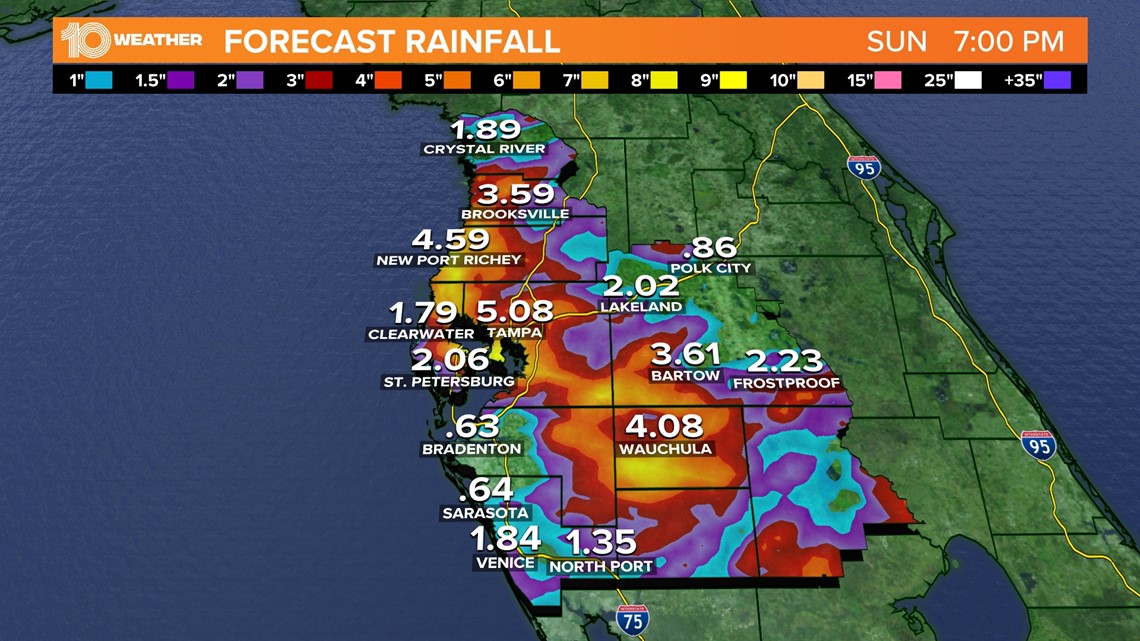
Visitors to Tampa can generally expect an abundance of sunshine throughout the year, earning Florida its nickname, “The Sunshine State.” Even during the rainy season, precipitation often comes in the form of brief, intense afternoon thunderstorms, allowing for plenty of clear skies and outdoor activities before and after the downpours. The average annual temperature hovers around 73°F (23°C), making it an attractive destination for those seeking warmth, particularly during colder months elsewhere.
Seasonal Breakdown: What to Expect Year-Round
The distinct seasons in Tampa each offer a unique set of weather conditions and implications for travelers.
Summer (June – September): The Heat and Humidity Reign
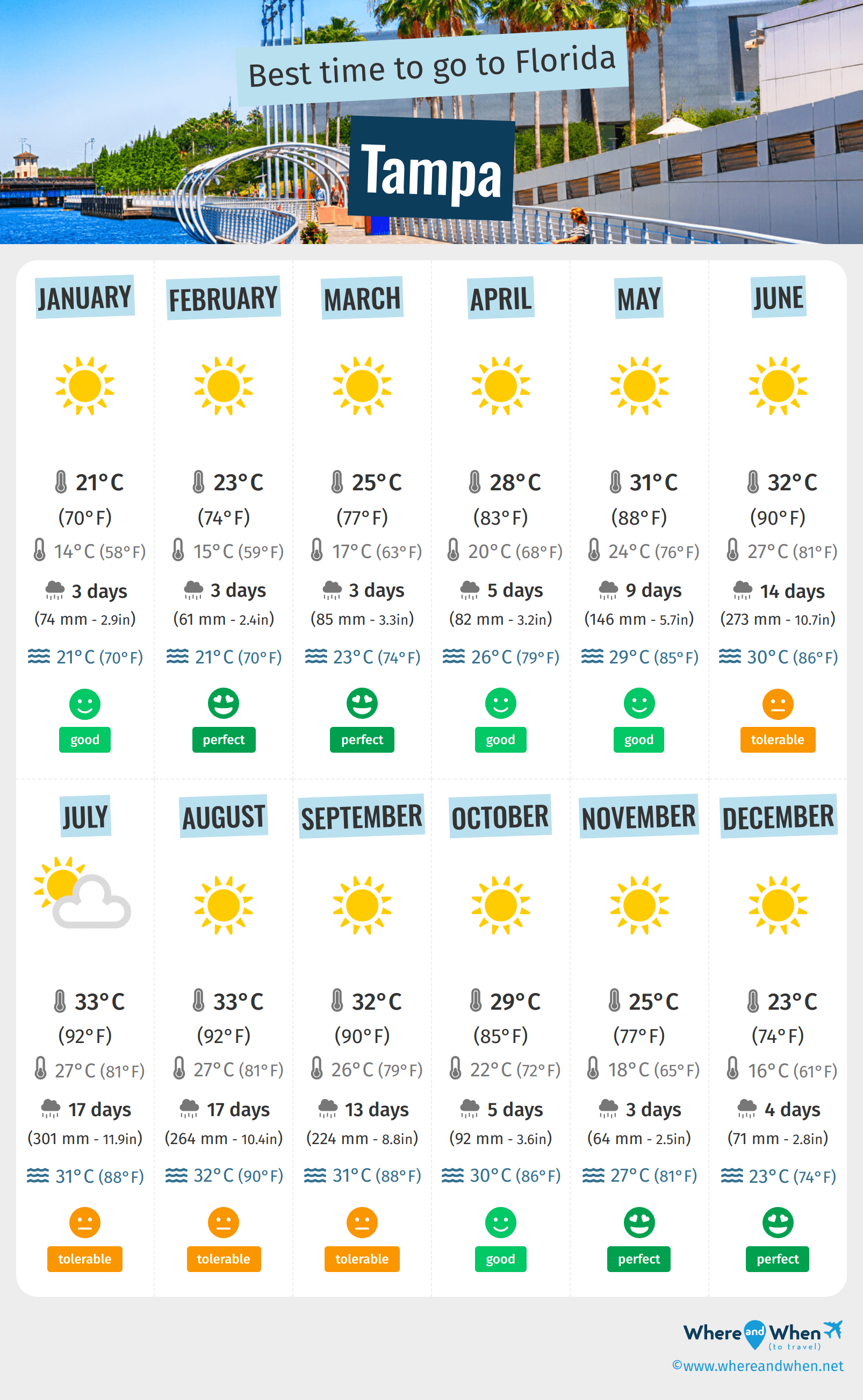
Summer in Tampa is characterized by substantial heat and high humidity, a hallmark of its subtropical climate. Daily high temperatures consistently reach into the low 90s°F (32-35°C), with overnight lows rarely dipping below the mid-70s°F (24-26°C). The relative humidity can often sit above 80%, making the “feels like” temperature even higher.
This period also marks the heart of the rainy season. Afternoon thunderstorms are an almost daily occurrence, typically rolling in during the late afternoon or early evening. These storms, while often dramatic with heavy rain and lightning, are usually short-lived, clearing up within an hour or two. They provide a temporary, albeit brief, cooling effect before the heat and humidity return.
Travelers visiting during summer should be aware that it coincides with hurricane season, which officially runs from June 1st to November 30th. While direct hurricane strikes are relatively infrequent, tropical storms and depressions can bring extended periods of heavy rain, strong winds, and coastal flooding. It’s crucial for visitors during these months to monitor weather forecasts closely and have flexible travel plans.
Despite the heat and rain, summer is a popular time for visitors, especially families, due to school holidays. Activities best suited for summer include trips to local water parks like Adventure Island, refreshing dips at Clearwater Beach or St. Pete Beach, and exploring indoor attractions such as The Florida Aquarium or the Tampa Museum of Art during the hottest parts of the day or during rain showers.
Autumn (October – November): A Welcome Transition
As summer transitions into autumn, Tampa’s weather becomes noticeably more pleasant. While temperatures remain warm, with highs typically in the mid-80s°F (29-31°C) in October and dropping into the mid-70s°F (24-26°C) by November, the oppressive humidity begins to recede. The frequency of afternoon thunderstorms also diminishes significantly.
This period offers a delightful balance of warmth and comfort, making it an excellent time for outdoor activities without the intensity of summer heat. The slightly cooler evenings are perfect for al fresco dining or enjoying a stroll along the Riverwalk. Autumn in Tampa is ideal for exploring outdoor festivals, visiting the historic streets of Ybor City, or experiencing the rides at Busch Gardens Tampa Bay with more comfortable conditions.
Winter (December – February): The Mild and Pleasant Escape
Winter is arguably Tampa’s peak season for visitors, especially those escaping colder climates. The weather is characteristically mild, sunny, and dry. Daytime temperatures typically range from the high 60s to low 70s°F (19-23°C), with cooler, crisp evenings dropping into the 50s°F (10-15°C). Humidity levels are at their lowest during these months, offering a refreshing contrast to the summer’s stickiness.
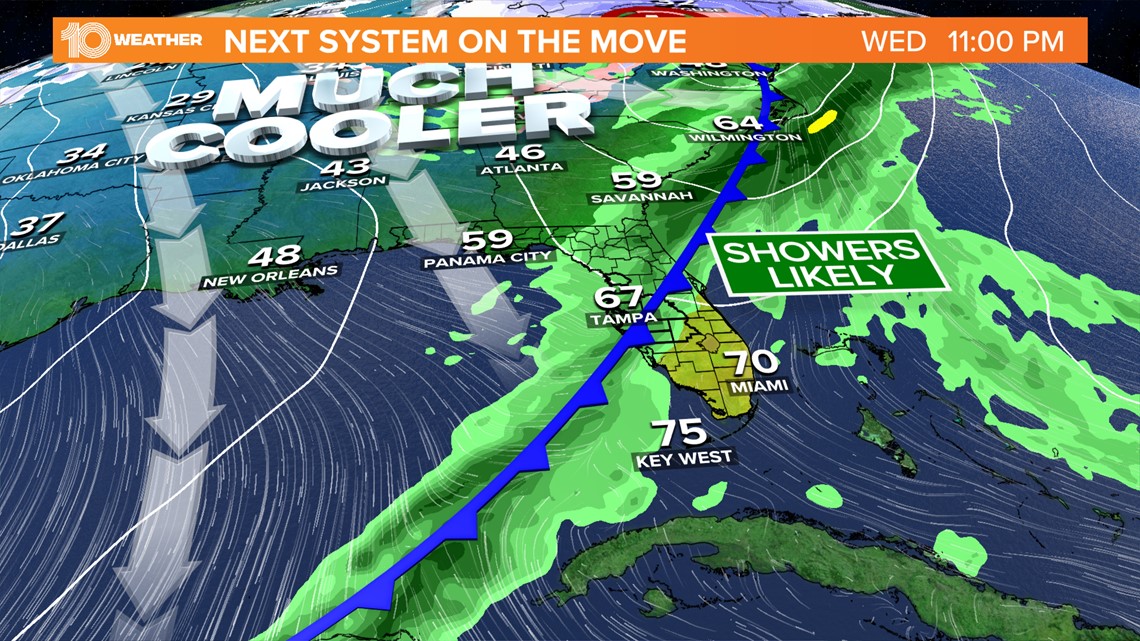
Rainfall is minimal during winter, and days are predominantly clear and bright. While the occasional cold front can bring temperatures down into the 40s°F (4-9°C) for a day or two, these cold snaps are usually brief, and warm weather quickly returns.
This season is perfect for enjoying all of Tampa’s outdoor attractions without breaking a sweat. It’s an excellent time for golfing, fishing, exploring nature parks, and long walks on the beach. Many “snowbirds” flock to the region to enjoy the consistently pleasant conditions, making it a bustling time for tourism.
Spring (March – May): The Sweet Spot
Spring in Tampa is often considered the “sweet spot” in terms of weather, offering a harmonious blend of rising temperatures and relatively low humidity before the summer heat fully sets in. March and April bring highs in the mid-70s to low 80s°F (24-28°C), with May seeing temperatures climb into the mid-80s°F (29-31°C). Rainfall remains infrequent in early spring but gradually increases as May approaches, signaling the transition back to the rainy season.
The dry, comfortable air and abundant sunshine make spring an exceptionally popular time to visit. It’s perfect for enjoying Tampa’s numerous outdoor dining options, exploring farmers’ markets, attending spring training baseball games, or simply relaxing by the pool or on the beautiful Gulf Coast beaches. The pleasant conditions extend into the evenings, making outdoor entertainment and events highly enjoyable.
Preparing for Tampa’s Weather: Essential Packing and Planning Tips
No matter when you decide to visit Tampa, smart preparation will enhance your trip.
- Clothing:
- Summer: Lightweight, breathable fabrics (cotton, linen), shorts, t-shirts, swimwear. A light rain jacket or umbrella is essential for afternoon storms.
- Autumn/Spring: Versatile layers are key. Days are warm, but evenings can be cooler. Include light long-sleeved shirts, sweaters, or a light jacket in addition to summer attire.
- Winter: While mild, bring a medium-weight jacket, sweaters, and long pants, especially for evenings or if a cold front is expected. Still, pack some lighter clothing for sunny days.
- Sun Protection: Regardless of the season, the Florida sun is strong. Always pack high-SPF sunscreen, a wide-brimmed hat, and sunglasses.
- Hydration: Especially during summer, staying hydrated is crucial. Carry a reusable water bottle and drink plenty of fluids, even if you don’t feel thirsty.
- Flexible Planning: During the summer rainy season, be prepared for spontaneous changes to outdoor plans. Have indoor alternatives in mind or schedule outdoor activities for the mornings. Always check local forecasts.
- Hurricane Season Awareness: If traveling between June and November, consider travel insurance and stay informed about potential tropical weather developments.
Maximizing Your Tampa Experience in Any Weather
Tampa’s diverse attractions mean there’s always something to do, regardless of what the weather brings.
Rainy Day Alternatives
When an afternoon thunderstorm rolls through, Tampa offers plenty of indoor entertainment. Immerse yourself in marine life at The Florida Aquarium, explore captivating exhibits at the Tampa Museum of Art or the Glazer Children’s Museum, or catch a movie at an upscale cinema. Even Busch Gardens Tampa Bay has a range of indoor shows, shops, and dining options to duck into. A visit to the historic Ybor City also provides ample covered walkways and unique shops to browse.
Embracing the Heat
In summer, the best way to beat the heat is to embrace water. Spend a day at Adventure Island water park, enjoy the pristine sands and warm waters of Clearwater Beach or St. Pete Beach nearby, or consider a kayaking or paddleboarding adventure on the calm waters of the Hillsborough River. Early mornings are also excellent for outdoor activities before temperatures peak.
Enjoying Mild Days
The glorious mild days of autumn, winter, and spring are perfect for experiencing Tampa’s outdoor appeal. Stroll or bike along the scenic Tampa Riverwalk, explore the charming brick streets and vibrant nightlife of Ybor City, or enjoy a round of golf at one of the many championship courses. Outdoor dining along the waterfront is particularly delightful during these seasons, offering stunning views alongside delicious cuisine.
In conclusion, Tampa, Florida, offers a compelling travel experience year-round, each season presenting its own unique weather profile. By understanding what to expect and packing accordingly, visitors can fully enjoy the vibrant culture, beautiful landscapes, and diverse attractions that make Tampa a fantastic destination.
LifeOutOfTheBox is a participant in the Amazon Services LLC Associates Program, an affiliate advertising program designed to provide a means for sites to earn advertising fees by advertising and linking to Amazon.com. Amazon, the Amazon logo, AmazonSupply, and the AmazonSupply logo are trademarks of Amazon.com, Inc. or its affiliates. As an Amazon Associate we earn affiliate commissions from qualifying purchases.