
Hurricane Idalia delivered a significant impact to Florida’s Gulf Coast in late August 2023, marking a crucial event for travelers planning journeys to the Sunshine State. Understanding the exact timeline of its arrival, its path, and the subsequent recovery efforts is essential for anyone interested in the resilience of Florida’s travel and tourism sectors. For prospective visitors, knowing the precise dates and affected regions provides invaluable context for future travel planning, offering insights into both the challenges faced and the remarkable speed of recovery that characterizes this popular destination.
Hurricane Idalia’s Arrival and Path in Florida
The genesis of Hurricane Idalia can be traced back to a tropical disturbance that formed in the Caribbean Sea. As it moved north, it rapidly intensified, becoming a major hurricane before making landfall. For travelers, understanding this timeline is critical, as it dictated the window for travel adjustments and safety precautions across a wide area of the state.
Initial Landfall and Peak Intensity
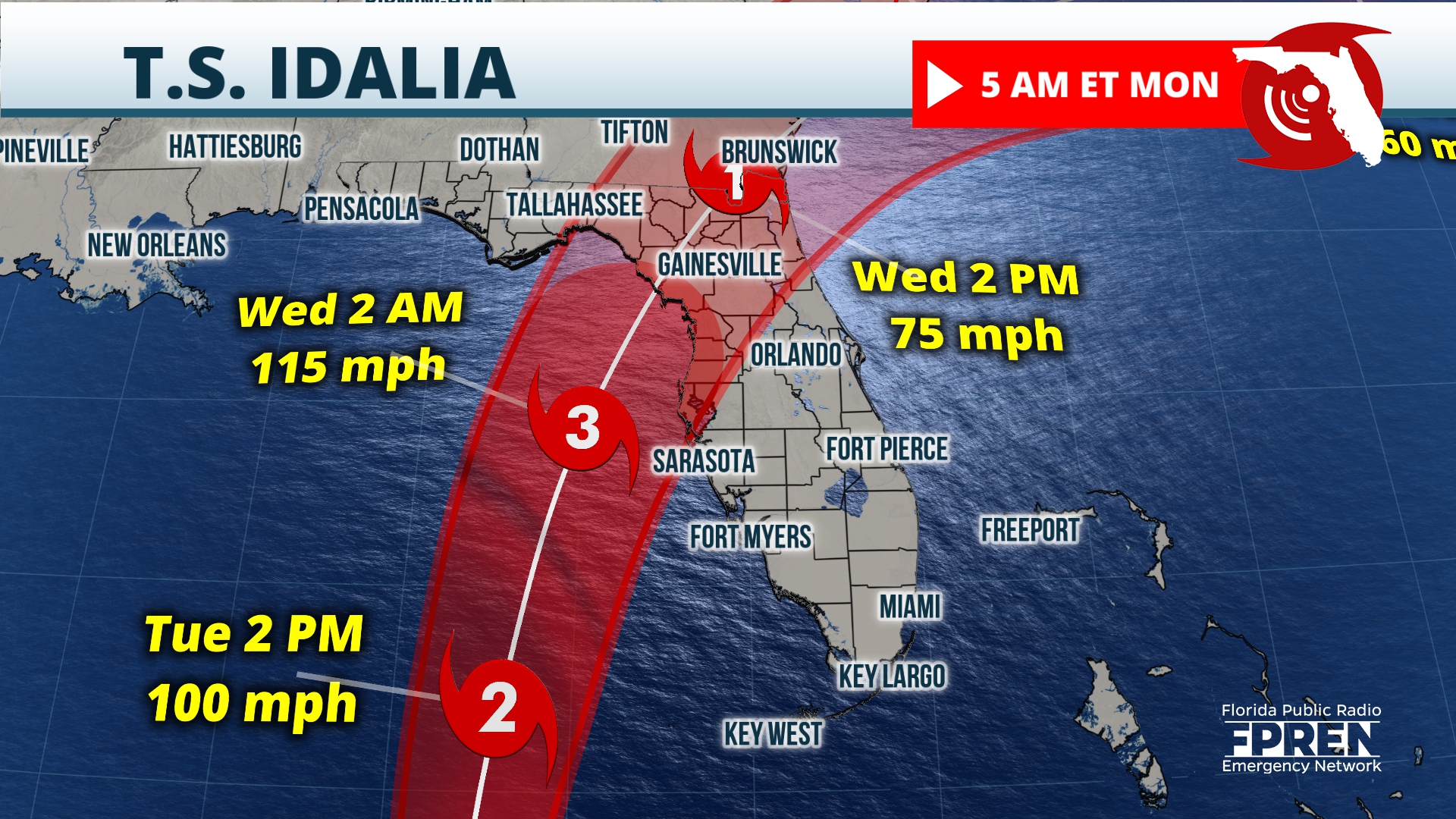
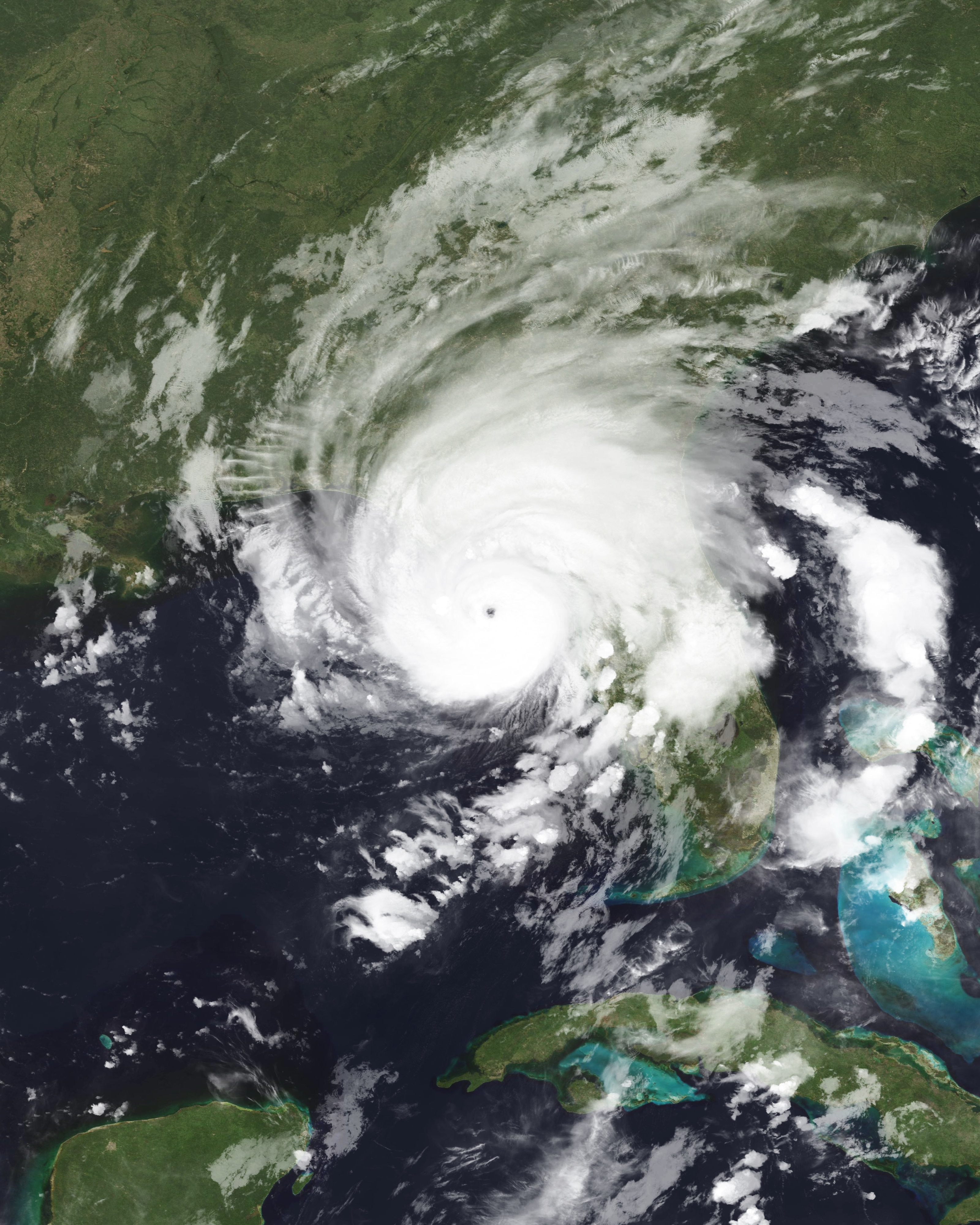
Hurricane Idalia made landfall as a powerful Category 3 hurricane on Wednesday, August 30, 2023, at approximately 7:45 AM EDT. The eye of the storm crossed the coast near Keaton Beach, a small community in Taylor County, Florida. At landfall, Idalia boasted maximum sustained winds of 125 mph (205 km/h), bringing with it a life-threatening storm surge and devastating winds to the immediate coastal areas of the Florida Big Bend. This region, characterized by its low-lying terrain and unique coastline, was particularly vulnerable to the surge, which exceeded historical levels in some locations. The rapid intensification of Idalia just hours before landfall presented significant challenges for emergency management and for travelers attempting to make last-minute changes to their plans.
Trajectory Across the Sunshine State
After hitting Keaton Beach, Idalia continued its destructive path inland, tracking northeastward across the Florida Big Bend region. As it moved over land, it gradually weakened but still maintained hurricane strength for several hours. By midday on August 30th, it had crossed into southeastern Georgia as a Category 1 hurricane, continuing its journey across the Carolinas before eventually moving out into the Atlantic Ocean.
The primary impact zone in Florida stretched from the Tampa Bay area north through the Big Bend and into the Panhandle. While the immediate landfall zone experienced catastrophic damage from wind and storm surge, areas further south like Tampa and Sarasota also felt significant effects, including heavy rainfall, strong winds, and coastal flooding, particularly during the morning high tide. This broad impact zone meant that travel plans across a large portion of the state were affected, necessitating widespread evacuations and the closure of various services and attractions.
Immediate Impact on Travel and Tourism Infrastructure
The arrival of a major hurricane like Idalia inevitably triggers widespread disruptions across all facets of travel and tourism. For Florida, a state heavily reliant on its visitor economy, these impacts were immediate and far-reaching, albeit concentrated in specific regions.
Airport and Transportation Disruptions
In the days leading up to Idalia’s landfall, and particularly on August 29th and 30th, numerous airports across the affected regions ceased commercial operations. Tampa International Airport, a major gateway to Florida, closed its doors on August 29th, with flights resuming only after damage assessments were completed. Similarly, St. Pete-Clearwater International Airport and Gainesville Regional Airport also experienced closures and significant flight cancellations. These closures led to thousands of stranded travelers and required airlines to issue travel waivers, allowing passengers to rebook without penalty.
Beyond air travel, ground transportation was also severely impacted. Major interstates such as I-75 and I-10 experienced temporary closures due to flooding, downed trees, and debris. Bridges in coastal areas underwent inspections before being deemed safe for traffic, and many local roads became impassable. Public transportation services, including buses and trolleys in affected cities, were suspended to ensure public safety, further limiting movement for both residents and visitors.
Lodging and Accommodation Challenges
The threat of Hurricane Idalia prompted mandatory evacuation orders for coastal communities and low-lying areas, particularly in the Big Bend and Tampa Bay regions. This led to the mass closure of hotels, resorts, and vacation rentals in these zones. Many properties that remained open shifted their operations to serve as shelters for evacuees or first responders, limiting availability for regular bookings.
Travelers with existing reservations faced immediate cancellations, with many hotels and booking platforms offering full refunds or the option to rebook. However, the sheer volume of cancellations and inquiries often overwhelmed customer service channels, creating challenges for individuals trying to adjust their plans. For those considering long-term stays or real estate inquiries in the affected areas, the immediate aftermath brought uncertainty regarding property damage and the timeline for full restoration of services.
Attractions and Recreational Closures
Florida’s diverse array of attractions, from pristine beaches to sprawling theme parks and state parks, also felt the hurricane’s ripple effect. While major theme parks in Orlando like Walt Disney World and Universal Orlando Resort remained open with minor operational adjustments, many coastal attractions closed entirely.
State parks and natural preserves along the Gulf Coast, vital for eco-tourism and outdoor activities, were closed for damage assessment and debris removal. Beaches in the path of Idalia experienced significant erosion, debris, and contamination, leading to temporary closures. Boating, fishing, and other water-based recreational activities were universally halted due to dangerous conditions, port closures, and the need for waterway clearing. These closures, while temporary, represented a significant disruption to the typical Florida visitor experience in the immediate wake of the storm.
Navigating Post-Idalia Travel: A Guide for Visitors
For travelers whose plans were impacted or who are considering a trip to Florida in the aftermath of a hurricane, navigating the landscape of advisories, rebooking options, and recovery efforts is crucial. Responsible and informed travel can both ensure personal safety and contribute positively to the state’s economic rebound.
Understanding Travel Advisories and Warnings
In the days and weeks following Hurricane Idalia’s landfall, staying informed through official channels was paramount. The National Hurricane Center provided real-time updates on the storm’s progression, while the Florida Division of Emergency Management offered critical information on evacuations, shelters, and recovery efforts specific to the state. Travelers were advised to check local county emergency management websites for hyper-local conditions.
Beyond government agencies, airlines, hotels, and cruise lines issued their own advisories. These often included details on specific flight cancellations, property closures, and waivers for rebooking. It was always recommended to directly consult the websites of your chosen providers for the most accurate and up-to-date information regarding your specific bookings. Relying on verified sources helps travelers make safe and informed decisions, avoiding misinformation during a critical period.
Rebooking and Cancellation Policies
The travel industry typically responds to major natural disasters with flexible rebooking and cancellation policies. Airlines often waived change fees and offered refunds or vouchers for affected flights. Similarly, hotels and vacation rental platforms generally provided full refunds for stays in mandatory evacuation zones or properties directly impacted by the storm.
Travelers with comprehensive travel insurance found this coverage invaluable, as it often covered non-refundable expenses like flights, accommodations, and tours that were disrupted or canceled due to the hurricane. It was always advisable for travelers to contact their insurance providers promptly to understand their coverage and initiate claims. For those without insurance, directly contacting airlines, hotels, and booking agents was the first step to explore options for rebooking or obtaining credit for future travel, highlighting the importance of understanding the terms and conditions of bookings during hurricane season.
Supporting Florida’s Recovery Through Responsible Travel
While certain areas faced significant devastation, it’s crucial to remember that much of Florida remained untouched by Idalia or experienced very minor impacts. Regions like Southeast Florida (e.g., Miami, Fort Lauderdale), the Space Coast (Melbourne), and much of Central Florida (including Orlando’s theme parks) were largely operational shortly after the storm.
For travelers looking to visit Florida post-Idalia, opting for destinations that were minimally affected or had swiftly recovered was a responsible choice. By patronizing local businesses, restaurants, and attractions in these areas, visitors directly contribute to the state’s economic recovery. It’s also vital to respect the ongoing recovery efforts in heavily impacted communities, avoiding areas still in cleanup stages to not strain local resources or impede workers. Planning trips to Florida outside of peak hurricane season or considering travel insurance for trips during the season remains a wise strategy for future visits.
The Resilient Spirit: Florida’s Swift Return for Travelers
Florida’s long history with tropical systems has fostered a robust and efficient disaster response and recovery infrastructure. The state’s ability to bounce back quickly, even from powerful storms like Idalia, is a testament to its preparedness and the resilient spirit of its communities and industries.
Accelerated Restoration of Services
Immediately following Idalia’s departure, a massive coordinated effort by utility companies, emergency services, and volunteers began. Power restoration was a top priority, with hundreds of thousands of outages addressed within days, and the vast majority restored within a week, even in heavily damaged areas. Roads were cleared of debris, and essential services like water and sewage were swiftly brought back online. The rapid deployment of resources ensured that recovery progressed at an impressive pace, minimizing the long-term disruption for both residents and potential visitors. This swift restoration is a key factor in how quickly travel services can resume.
Reopening of Key Travel Hubs and Attractions
Within 24 to 48 hours of Idalia’s passage, airports like Tampa International and St. Pete-Clearwater International had reopened and resumed flight operations. While some smaller regional airports in the direct path took longer, the primary gateways to Florida quickly became fully operational. Similarly, many state parks and beaches that experienced minor impacts were assessed and reopened within a few days. Hotels and resorts, particularly those outside the most severely hit Big Bend region, quickly welcomed guests again, showcasing their preparedness and ability to conduct rapid safety checks. This swift reopening of travel hubs and attractions is critical for maintaining Florida’s appeal as a top destination.

Planning Future Trips to Florida
Hurricane Idalia demonstrated that while parts of Florida can face significant challenges from tropical systems, much of the state, particularly its most popular tourist destinations, remains resilient and largely unaffected. For travelers considering future trips, Florida continues to offer unparalleled experiences. It’s important to remember that hurricanes are geographically specific; a storm impacting one region often leaves others untouched.
When planning, consider visiting during the cooler, drier months outside of peak hurricane season (June 1st to November 30th). Should you travel during hurricane season, investing in comprehensive travel insurance is always a prudent decision, offering peace of mind and financial protection against unexpected disruptions. Florida’s enduring appeal lies in its diverse offerings, from vibrant cities and world-class theme parks to stunning natural landscapes. The state’s rapid recovery from events like Idalia underscores its commitment to welcoming visitors and ensuring memorable, safe travel experiences year-round.
LifeOutOfTheBox is a participant in the Amazon Services LLC Associates Program, an affiliate advertising program designed to provide a means for sites to earn advertising fees by advertising and linking to Amazon.com. Amazon, the Amazon logo, AmazonSupply, and the AmazonSupply logo are trademarks of Amazon.com, Inc. or its affiliates. As an Amazon Associate we earn affiliate commissions from qualifying purchases.