
The Gateway to Unrestricted Florida Exploration
Florida, often lauded as the Sunshine State, beckons with its diverse landscapes, vibrant cities, and unparalleled recreational opportunities. From the sun-drenched beaches of Miami to the magical theme parks of Orlando and the serene natural beauty of the Everglades, there’s an endless array of experiences awaiting visitors and residents alike. While public transportation options exist in major urban centers, truly unlocking the full potential of Florida’s offerings often hinges on the freedom and flexibility that comes with driving. This is where the question of “When do you get your license in Florida?” becomes more than a mere administrative query; it’s a key to independent exploration and deeper engagement with the state’s unique charm.
Beyond the Tourist Traps: Why Driving Matters
Many visitors might stick to well-trodden tourist paths, relying on shuttles or rideshares. However, Florida is a state meant to be explored on its own terms. Imagine spontaneously deciding to detour to a lesser-known state park, discovering a local seafood shack away from the bustling beachfront, or embarking on a scenic coastal drive along Highway A1A from St. Augustine down to Key West. These authentic experiences are often inaccessible without personal transportation. A valid driver’s license in Florida isn’t just about legality; it’s about empowerment, allowing you to craft your own itinerary, uncover hidden gems, and immerse yourself in the local culture at your own pace. For those planning an extended stay, considering a move, or even just a long vacation, understanding the licensing requirements is a fundamental step toward a richer Florida experience.
Who Needs a Florida License? Visitors vs. New Residents
The necessity of obtaining a Florida driver’s license depends largely on your status in the state. For short-term visitors from other U.S. states, a valid driver’s license from your home state is generally accepted. International visitors, similarly, can typically drive in Florida for up to one year with a valid license from their home country, though an International Driving Permit (IDP) is highly recommended as a translation supplement, especially for non-English licenses.
However, the rules change significantly for those establishing residency in Florida. If you become a permanent resident, you are required to obtain a Florida driver’s license within 30 days of establishing residency. This applies to individuals who:
- Enroll children in public school.
- Register to vote in Florida.
- File for a homestead exemption.
- Accept employment in Florida.
- Establish an address in Florida.
Understanding this distinction is crucial to ensure compliance and avoid potential legal issues while enjoying all that the Sunshine State has to offer.
Navigating Florida’s Licensing Requirements
The process for obtaining a driver’s license in Florida is overseen by the Florida Department of Highway Safety and Motor Vehicles (FLHSMV). While it involves several steps, it is a straightforward process once you understand the requirements.
Age and Eligibility: Starting Your Driving Journey
The minimum age for obtaining a learner’s permit in Florida is 15 years old. This permit allows individuals to drive only when accompanied by a licensed driver who is at least 21 years old and occupies the front passenger seat. After holding a learner’s permit for at least 12 months without any traffic convictions, and accumulating a minimum of 50 hours of supervised driving experience (including 10 hours at night), individuals become eligible for a provisional Class E driver’s license. The minimum age for a provisional license is 16. A full, unrestricted Class E license is typically issued at age 18, or once the provisional license holder turns 18 and has maintained a clean driving record.
Essential Documentation: What to Bring
Preparing the correct documentation is paramount to a smooth licensing experience. When applying for any type of driver’s license or permit, you will need to provide proof of:
- Primary Identification: This typically includes a U.S. birth certificate, valid U.S. passport, or a valid alien registration card. For non-U.S. citizens, immigration documents proving legal presence are required.
- Social Security Number: Your Social Security card or other documentation showing your SSN (e.g., W-2 form, pay stub) is necessary.
- Residential Address: Two different documents proving your Florida residential address are required. Examples include utility bills, a deed, lease agreement, or a bank statement.
- Proof of Name Change (if applicable): If your current name differs from your birth certificate or other identification, you’ll need certified proof of any name changes (e.g., marriage certificate, court order).
It’s highly advisable to visit the official FLHSMV website or contact your local driver’s license office prior to your visit to confirm the most current and specific requirements, as they can sometimes change or have unique stipulations based on individual circumstances.
The Testing Process: Knowledge and Road Skills
For new drivers, or those converting an out-of-country license without reciprocity, both a knowledge test and a driving skills test are required.
- Knowledge Test: This test covers Florida traffic laws and road signs. It consists of multiple-choice questions, and a passing score is generally 80%. Many applicants prepare by studying the official Florida Driver Handbook, which is available online.
- Driving Skills Test (Road Test): Once you pass the knowledge test and meet other eligibility requirements, you’ll schedule a road test. During this test, an examiner will assess your ability to safely operate a vehicle, follow traffic laws, and perform basic maneuvers like turns, parallel parking, and lane changes. You must provide a vehicle that is properly insured, registered, and in safe working condition for the test.
For those converting an out-of-state U.S. driver’s license, the knowledge and road skills tests are typically waived, provided your out-of-state license is valid and current.
A Step-by-Step Guide for New Florida Drivers
For those new to driving or new to Florida and needing a license, the process generally follows a structured progression.
Preparing for Your Permit: The Learner’s Journey
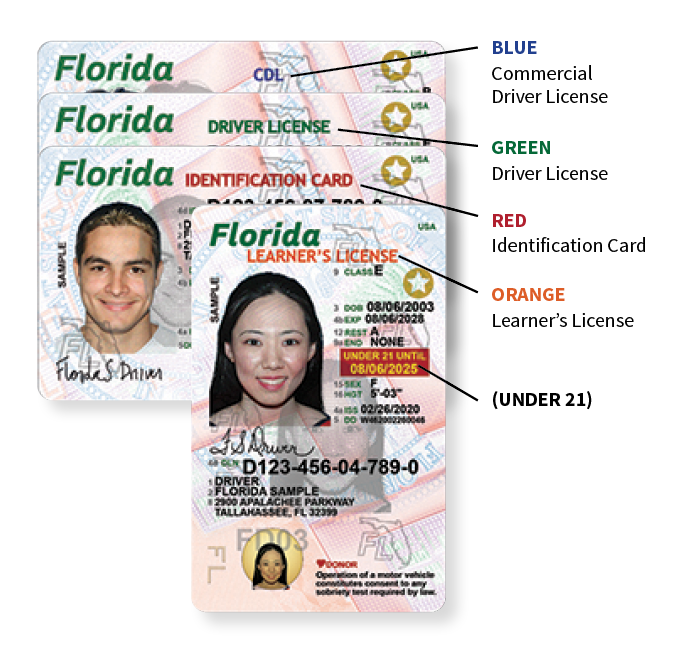
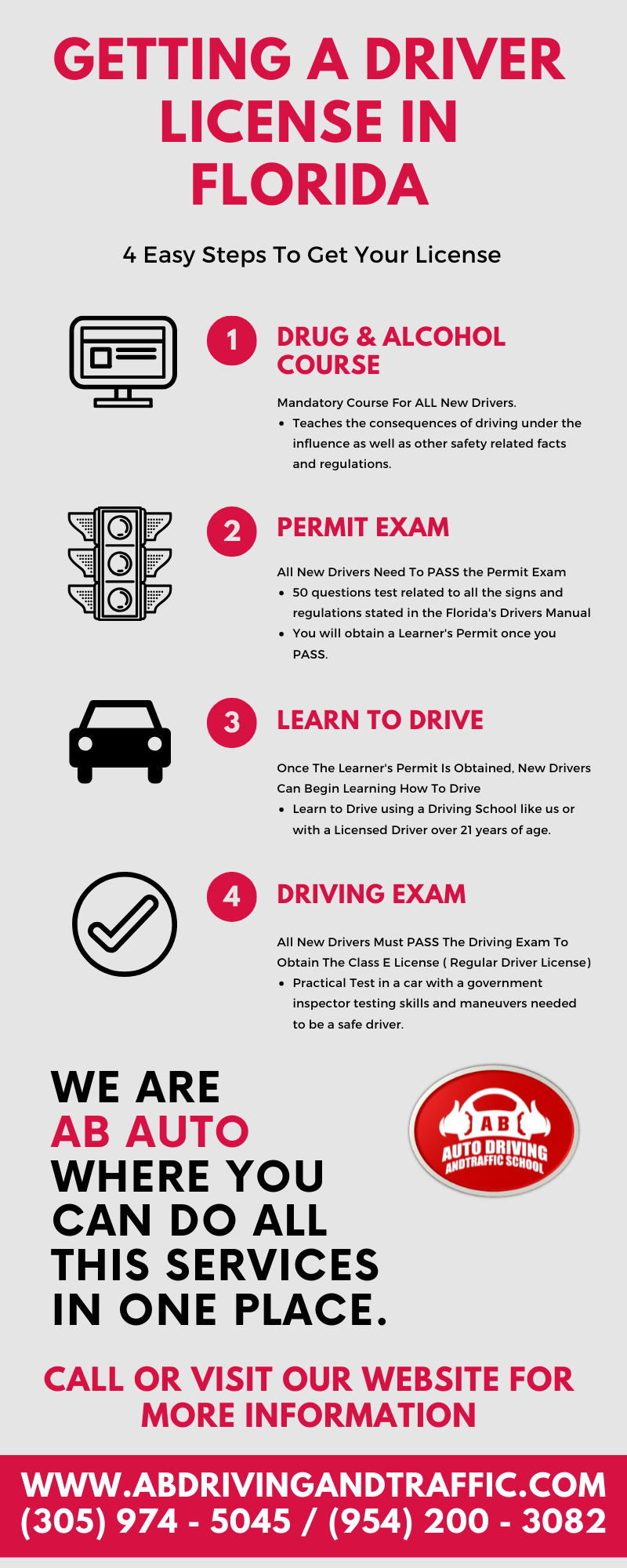
The first milestone for a new driver in Florida is obtaining a learner’s permit. This requires applicants to:
- Be at least 15 years old.
- Complete a Traffic Law and Substance Abuse Education (TLSAE) course. This 4-hour course, often called the “drug and alcohol course,” is mandatory for all first-time drivers. It can be completed online or in person through approved providers.
- Pass the Class E Knowledge Exam. This can often be taken online through an approved third-party provider, or at a FLHSMV office.
- Pass a vision and hearing test at the FLHSMV office.
- Provide all required identification documents (proof of identity, SSN, and residential address).
Once these steps are completed, you will be issued a learner’s permit, marking the beginning of your supervised driving experience.
Earning Your Provisional License: The Path to Independence
After holding a learner’s permit for at least 12 months and being at least 16 years old, you can apply for a provisional Class E driver’s license. To do so, you must:
- Have maintained a clean driving record (no traffic convictions).
- Certify that you have completed at least 50 hours of supervised driving practice, with 10 of those hours occurring at night. This certification is typically signed by a parent or legal guardian.
- Pass the driving skills (road) test at a FLHSMV office. An appointment is usually required for this test.
Upon successful completion of these requirements, you will be granted a provisional driver’s license, which comes with certain restrictions, such as limits on driving during specific hours, especially for 16-year-olds.
Full Driving Privileges: What Comes Next
For most drivers in Florida, full, unrestricted driving privileges are obtained at age 18. If you already hold a provisional Class E license, it will automatically convert to a full Class E license with no restrictions on your 18th birthday, assuming no issues with your driving record. You may need to visit a FLHSMV office to update your physical card. This full license signifies complete driving independence, allowing you to explore Florida without the previous limitations.
Maximizing Your Florida Experience with a Driver’s License
A Florida driver’s license is more than a document; it’s a key to a richer, more personalized experience in the Sunshine State.
Exploring Hidden Gems and Local Flavors
With the freedom to drive, you can venture beyond the well-known tourist hubs. Imagine driving down the Tamiami Trail through the Everglades, stopping at roadside stands for fresh fruit or alligator jerky. Or perhaps heading inland from Tampa to explore the charming small towns of Central Florida, known for their equestrian communities and citrus groves. A license allows you to seek out local farmers’ markets, discover independent art galleries in places like Sarasota, or find that perfect, unassuming taco truck that only locals know about. These are the experiences that truly connect you with the heart and soul of Florida culture.
Navigating Different Regions: From Coastal Drives to Inland Adventures
Florida’s geography is incredibly diverse. A driver’s license enables you to seamlessly transition from the vibrant nightlife and cultural richness of South Florida to the tranquil springs and forests of the state’s interior, or the historic charm of Northeast Florida. You can plan a road trip from Jacksonville to Naples, traversing different ecosystems, climates, and cultural influences. From the serene Gulf Coast beaches to the Atlantic’s crashing waves, the ability to drive means you’re never confined to one narrow segment of the state.
Practical Tips for Stress-Free Licensing and Driving
- Plan Ahead: Schedule appointments at the FLHSMV office, especially for road tests.
- Study the Handbook: Familiarize yourself with Florida traffic laws; they can differ from other states or countries.
- Practice Driving: If new to driving, practice in various conditions and environments.
- Understand Toll Roads: Florida has numerous toll roads. Consider obtaining a SunPass transponder for convenience.
- Be Weather Aware: Florida weather can be unpredictable, with sudden thunderstorms. Drive defensively and be aware of wet road conditions.
International Visitors and Out-of-State Drivers: Special Considerations
While the primary focus is on new Florida licenses, understanding the rules for existing licenses is crucial for seamless travel and relocation.
Understanding Reciprocity for Foreign Licenses
Florida generally recognizes valid driver’s licenses issued by other countries for non-residents, as long as the license is accompanied by an International Driving Permit (IDP) if the original license is not in English. This typically allows visitors to drive for up to one year. However, it’s essential to verify the specific regulations for your country of origin, as some treaties may exist. When renting a car, rental agencies will also have their own requirements for international drivers.
When to Convert Your Out-of-State License
If you are moving to Florida from another U.S. state or territory and possess a valid, non-commercial driver’s license, you are generally not required to take the written or driving tests. You will still need to visit a FLHSMV office to transfer your license, provide the necessary identification and residency documents, and pass the vision and hearing tests. Remember, this must be done within 30 days of becoming a Florida resident.
Temporary Permits and Driving Regulations
For certain situations, such as temporary residents or those with specific visa types, there may be options for temporary permits or extensions. However, these are highly specific and often require direct consultation with the FLHSMV. The overarching message remains: for anyone planning an extended stay or residency in Florida, obtaining a valid Florida driver’s license is a practical necessity that unlocks a world of exploration and personal freedom. It transforms your visit from a structured tour into an authentic, self-directed adventure across the diverse and captivating landscapes of the Sunshine State.
LifeOutOfTheBox is a participant in the Amazon Services LLC Associates Program, an affiliate advertising program designed to provide a means for sites to earn advertising fees by advertising and linking to Amazon.com. Amazon, the Amazon logo, AmazonSupply, and the AmazonSupply logo are trademarks of Amazon.com, Inc. or its affiliates. As an Amazon Associate we earn affiliate commissions from qualifying purchases.