
Florida, the Sunshine State, beckons millions of travelers each year with its pristine beaches, vibrant cities, and world-renowned attractions. From the magical theme parks of Orlando to the tranquil turquoise waters of the Florida Keys, there’s an endless array of experiences awaiting visitors. However, for those planning a trip, understanding the state’s hurricane season is crucial for a safe and enjoyable journey. Knowing when it begins, its typical duration, and how to prepare can significantly enhance your travel experience and mitigate potential disruptions.
Understanding the Official Hurricane Season Calendar
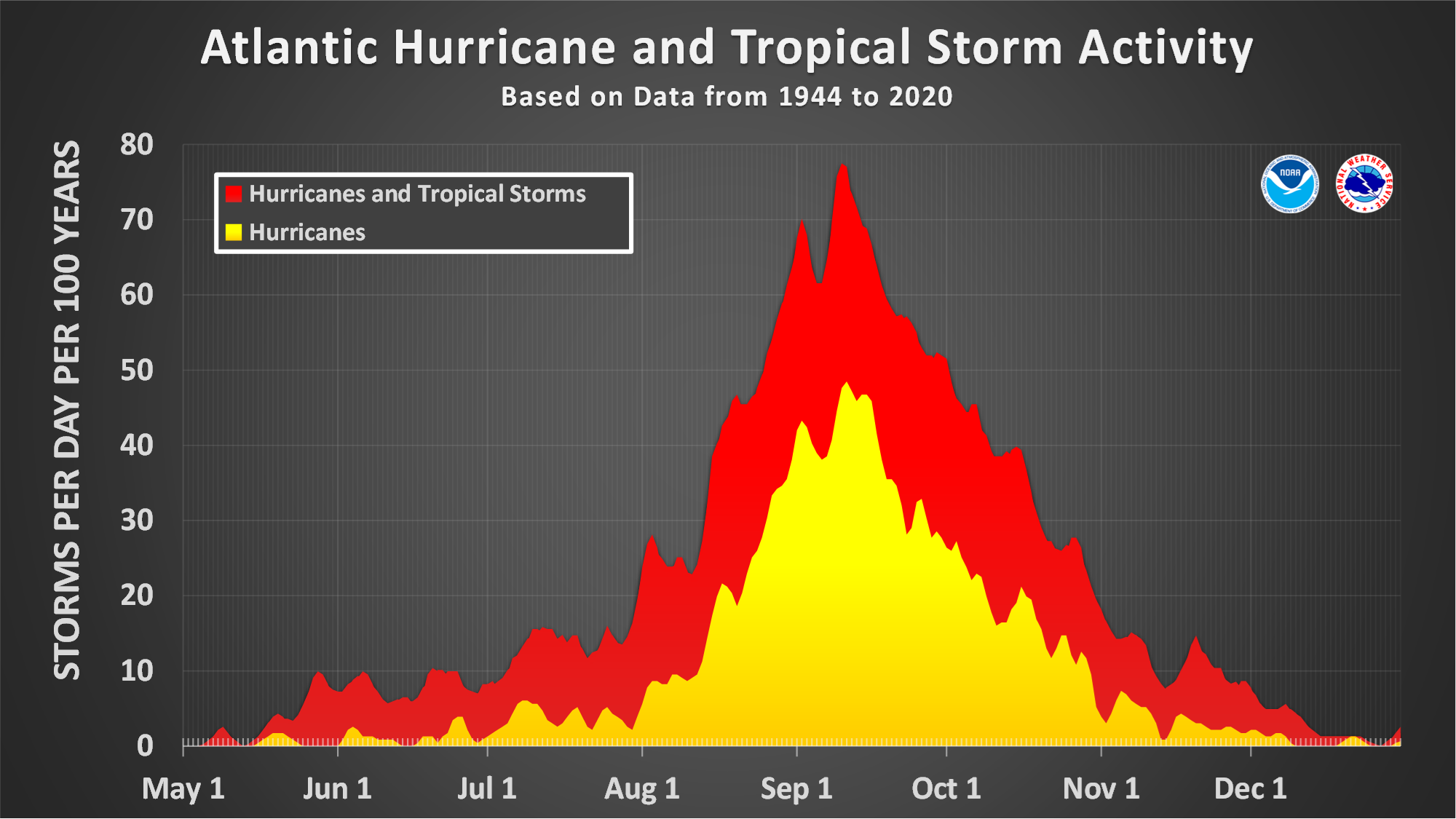
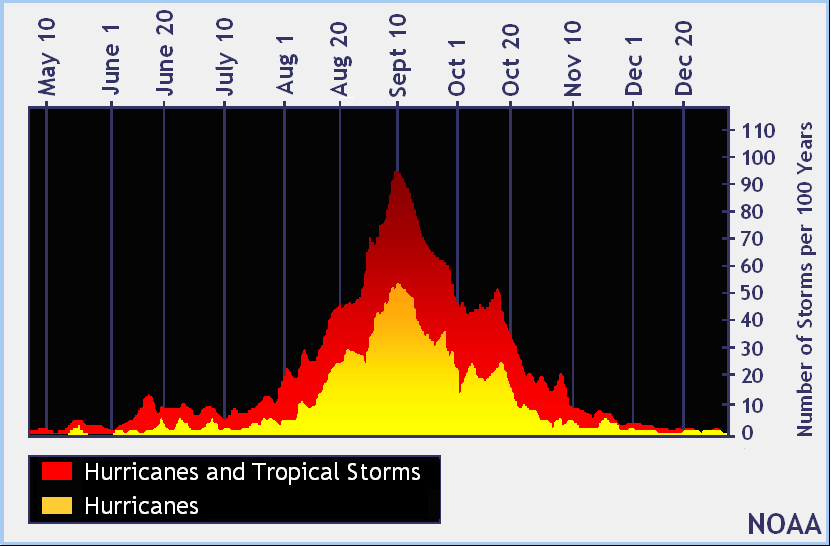
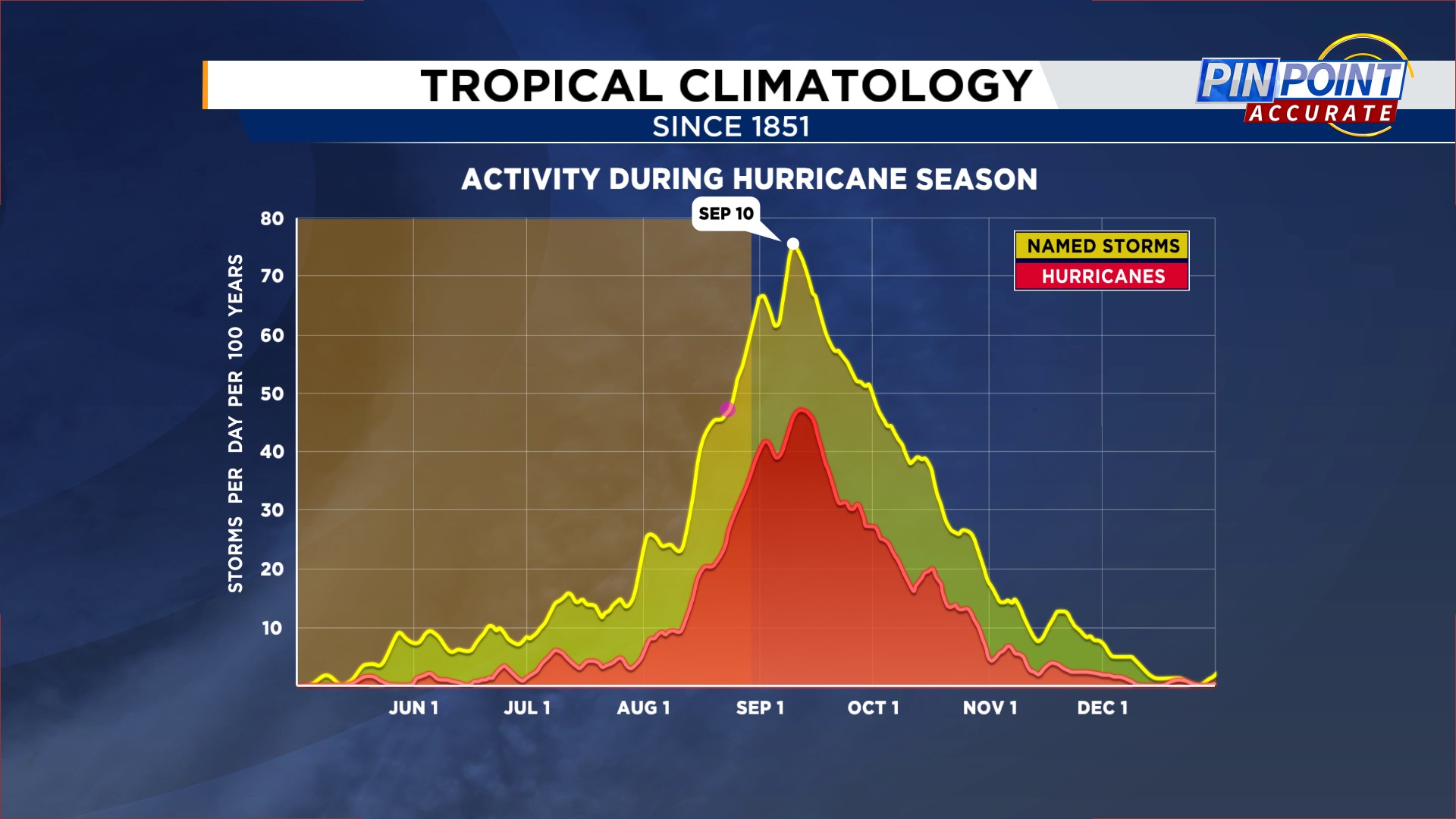
The official Atlantic Hurricane Season for Florida runs annually from June 1st to November 30th. This six-month period marks the timeframe when conditions in the Atlantic Ocean, Caribbean Sea, and Gulf of Mexico are most conducive to the formation of tropical depressions, tropical storms, and hurricanes. While the season has defined start and end dates, significant storm activity outside this window is rare but not impossible. Travelers should note that activity typically ramps up in August and September, reaching its peak intensity in early to mid-September.
The Peak of the Season: What to Expect
Historically, the most active period for hurricane development in the Atlantic Basin falls between mid-August and late September. During these weeks, sea surface temperatures are at their warmest, and wind shear — a disruptive force for tropical systems — is often at its lowest. This combination provides a fertile ground for storms to form and strengthen rapidly. For travelers, this means that while the chances of a direct hit on your specific travel destination are statistically low, the potential for weather-related disruptions, such as heavy rainfall, strong winds, and sea conditions, is higher during this peak window. Destinations like Miami, Fort Lauderdale, Naples, and the Florida Keys, situated along the coastline, are naturally more susceptible to direct impacts compared to inland areas like Orlando, though all areas can experience effects.
Early and Late Season Considerations
While the peak garners the most attention, both the early parts of the season (June and July) and the later parts (October and November) can also present challenges. Early season storms sometimes form closer to Florida or in the western Caribbean Sea or Gulf of Mexico, giving less lead time for preparation. Late-season storms can also be powerful and unpredictable. Travelers visiting during these shoulder months should still remain vigilant and aware of weather forecasts. The key takeaway for any Florida travel during hurricane season is proactive planning and staying informed, regardless of the specific month.
Navigating Florida Travel During Hurricane Season
Traveling to Florida during hurricane season doesn’t necessarily mean canceling your plans. In fact, many travelers enjoy visiting during these months due to fewer crowds and often lower prices on accommodations and flights. The critical difference is the need for enhanced preparedness and flexibility.
Smart Booking Strategies
When booking your Florida getaway during hurricane season, consider choosing accommodations and airlines that offer flexible cancellation or rebooking policies. Many hotels, particularly major resorts and chains, understand the concerns surrounding hurricane season and may offer specific “hurricane guarantees” that allow for changes without penalty if a storm threatens your destination. Always read the fine print of your booking terms and conditions before confirming. Similarly, look for flights that allow for itinerary changes with minimal or no fees, especially for travel in late August and September.
The Role of Travel Insurance
Perhaps the most vital tool for peace of mind during hurricane season travel is comprehensive travel insurance. A robust policy can protect your financial investment in your trip against unforeseen circumstances, including hurricane-related cancellations, delays, or evacuations. Ensure your policy specifically covers weather-related events and understand what constitutes a covered event (e.g., a named storm threatening your destination, mandatory evacuation orders). Some policies may have waiting periods or exclusions for storms that have already been named or are imminent at the time of purchase, so it’s best to secure insurance as soon as you book your trip. This investment can save you significant stress and financial loss should a storm impact your travel plans to destinations like Tampa, Jacksonville, or the Emerald Coast.
Monitoring Weather and Staying Informed
Before and during your trip, make it a habit to monitor reliable weather sources. The National Hurricane Center (NHC), a division of the National Oceanic and Atmospheric Administration (NOAA), is the authoritative source for hurricane forecasts and advisories. Their website and social media channels provide real-time updates, projected storm tracks, and watches/warnings. Local Florida news outlets and weather apps (like AccuWeather or The Weather Channel) are also excellent resources. Sign up for alerts from your specific destination’s emergency management agencies. Staying informed allows you to make timely decisions, whether it’s adjusting your itinerary or activating your emergency plan.
Essential Safety Measures for Florida Travelers
Should a storm approach during your visit, having a clear understanding of safety measures is paramount. Most tourist-heavy areas in Florida have well-established emergency protocols, and local authorities are highly experienced in managing these situations.
Have an Emergency Plan
Before you even leave for your trip, discuss with your travel companions what you would do if a hurricane threatened your destination. This includes identifying designated meeting points, having copies of important documents (passports, insurance policies) readily accessible, and knowing how to contact your travel providers. If you’re staying in a hotel or resort, inquire about their specific hurricane preparedness plans. They will usually have evacuation routes and shelter-in-place procedures. For travelers exploring national parks like Everglades National Park or remote areas, these plans become even more critical.
Heed Evacuation Orders and Local Advisories
If local authorities issue a mandatory evacuation order for your area, take it seriously and comply promptly. These decisions are made to ensure public safety. Roads can become congested quickly, and waiting can put you at greater risk. Familiarize yourself with local evacuation routes, often marked with blue hurricane evacuation signs, especially if you’re driving. The Florida Emergency Management website is a valuable resource for up-to-date information on evacuation zones and shelter locations.
Prepare a “Go Bag”
Even if you don’t anticipate an evacuation, having a small “go bag” ready with essentials can be beneficial. This should include:
- Important documents (IDs, insurance details, booking confirmations)
- Cash (ATMs may not work during power outages)
- Any necessary medications
- A change of clothes
- First-aid supplies
- Chargers for electronic devices and a portable power bank
- Bottled water and non-perishable snacks
This simple preparation can make a significant difference in comfort and safety if your plans are disrupted.
Enjoying Florida During the Off-Peak Season
Despite the hurricane season, many travelers successfully visit Florida during these months and have fantastic experiences. Beyond the potential for fewer crowds and better deals, there are distinct advantages to off-peak travel.
Attractions and Activities Continue
Major attractions like Walt Disney World and Universal Orlando Resort operate year-round, with comprehensive weather protocols in place. While outdoor rides may temporarily close during severe weather, the parks are designed to manage various conditions. Indoor attractions, shows, and dining options provide plenty of alternatives. Similarly, many museums, galleries, and indoor entertainment venues across cities like Miami, Tampa, and St. Petersburg remain unaffected.
Embracing the Tropical Climate
Hurricane season coincides with Florida’s warmer, more humid summer and early fall months. While this can mean daily afternoon thunderstorms (which are typically brief and refreshing), it also means lush landscapes and warm ocean waters ideal for swimming. Many savvy travelers embrace the afternoon rain showers as an opportunity for a break, a meal, or an indoor activity before the sun returns.
The Value Proposition
Travelers willing to assume a calculated risk during hurricane season can often find excellent value. Flights, hotels, and vacation rentals frequently offer lower rates compared to the peak winter and spring break periods. This can translate into significant savings, allowing for longer stays or more luxurious experiences within the same budget. For destinations like the Florida Panhandle or South Florida, which see massive crowds in spring, the quieter atmosphere can be a welcome change.
In conclusion, the Atlantic Hurricane Season in Florida officially starts on June 1st and ends on November 30th. While this period requires travelers to be more vigilant and prepared, it shouldn’t deter you from experiencing the beauty and excitement of the state. With smart planning, comprehensive travel insurance, and a commitment to staying informed, you can enjoy a memorable and safe Florida vacation, even during the storm season.
LifeOutOfTheBox is a participant in the Amazon Services LLC Associates Program, an affiliate advertising program designed to provide a means for sites to earn advertising fees by advertising and linking to Amazon.com. Amazon, the Amazon logo, AmazonSupply, and the AmazonSupply logo are trademarks of Amazon.com, Inc. or its affiliates. As an Amazon Associate we earn affiliate commissions from qualifying purchases.