
Florida, often lauded as the Sunshine State, beckons millions of travelers each year with its pristine beaches, vibrant cities, and world-class attractions. However, prospective visitors must consider a significant climatic factor: hurricane season. Understanding when this period occurs, its implications for travel, and how to navigate it safely is paramount for a seamless and enjoyable Florida experience.
Understanding Florida’s Hurricane Season
Florida’s hurricane season is a predictable annual cycle, yet its impact can be anything but. Proper planning starts with a clear understanding of its timeline and characteristics.
Official Dates and Peak Periods
The official Atlantic hurricane season runs annually from June 1st to November 30th. This six-month window is when conditions in the Atlantic Ocean, Caribbean Sea, and Gulf of Mexico are most conducive to tropical storm and hurricane formation. While storms can occur outside these dates, they are less common.
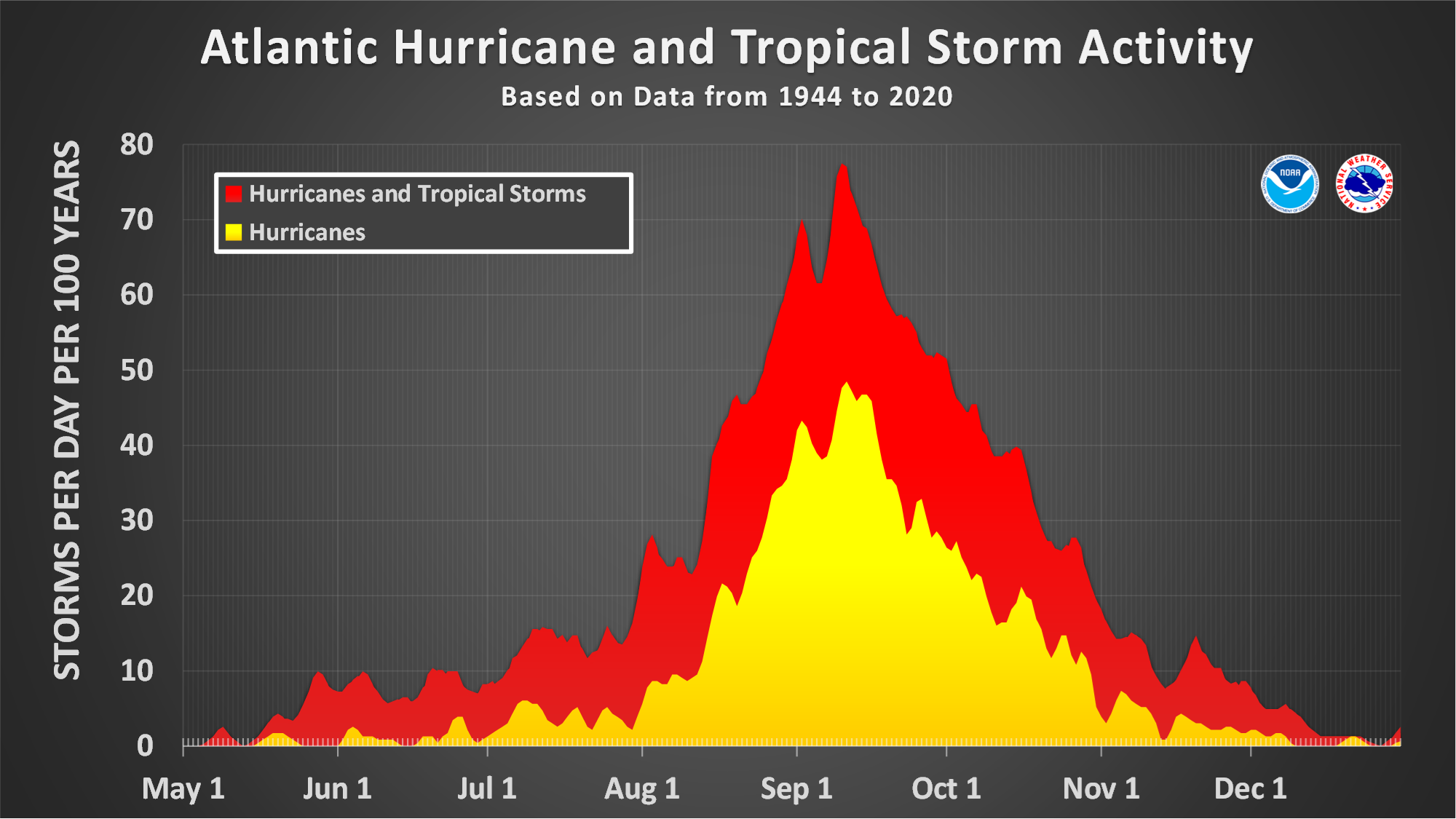
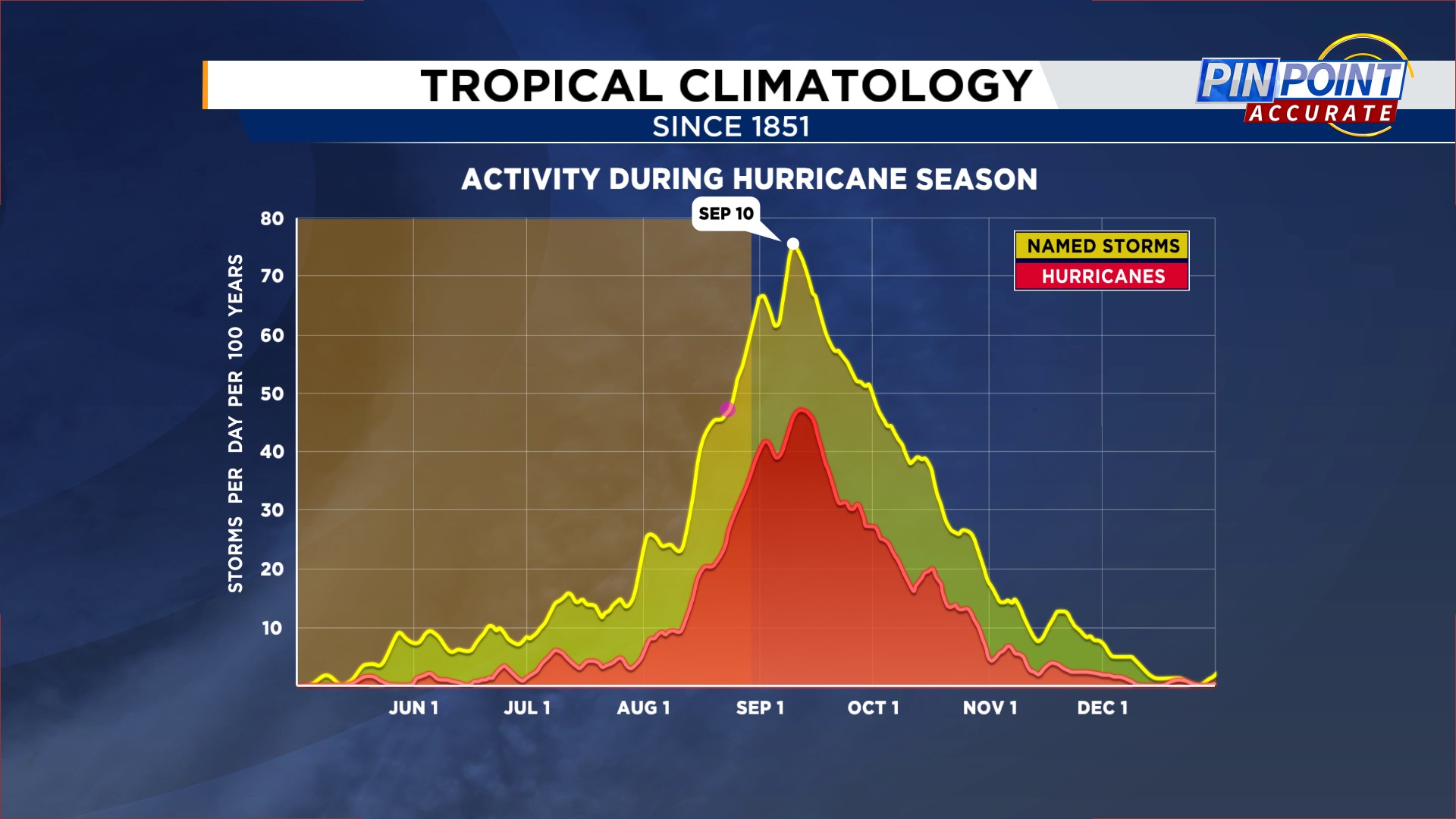
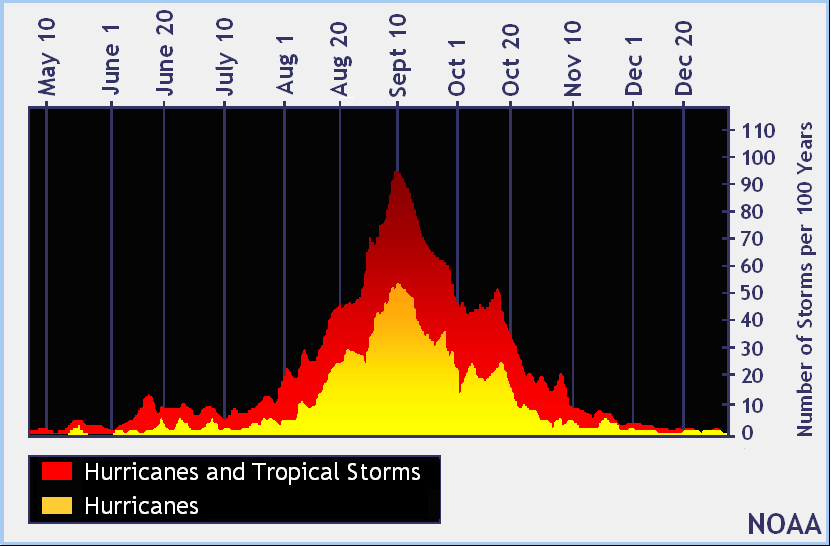
Within this period, there’s a distinct peak for activity. Historically, the most active months are August, September, and October, with mid-September often cited as the peak of the season. During these months, sea surface temperatures are at their warmest, and wind shear is typically lower, creating a fertile environment for tropical cyclone development and intensification. Travelers planning trips during these months should be especially vigilant.
Geographical Impact and Vulnerability
While any part of Florida can be affected by a hurricane, certain regions are historically more vulnerable or experience different types of impacts.
- Florida Keys and Southwest Florida: The Florida Keys, a chain of islands stretching from the southern tip of Florida to Key West, are particularly exposed to storm surge and wind damage due to their low elevation and direct coastal proximity. Similarly, Southwest Florida cities like Naples and Fort Myers face significant risk from both Gulf-borne storms and potential storm surge.
- Panhandle and Northwest Florida: The Florida Panhandle, including cities such as Destin and Pensacola, has historically been a common landfall zone for storms originating in the Gulf of Mexico. These areas often deal with heavy rainfall, strong winds, and storm surge.
- Southeast Florida: Major metropolitan areas like Miami, Fort Lauderdale, and Palm Beach are susceptible to storms tracking up the Atlantic Ocean coastline. While these cities have robust infrastructure, coastal flooding and high winds remain concerns.
- Central Florida: Inland areas, including Orlando and Tampa, are typically spared the most severe storm surge, but can still experience torrential rain, flooding, powerful winds, and tornadoes spun off from hurricanes. Theme parks like Walt Disney World Resort and Universal Orlando Resort have extensive safety protocols in place.
How Hurricanes Form and Impact Travel
Hurricanes are powerful tropical cyclones characterized by sustained winds of 74 miles per hour or higher. They are fueled by warm ocean waters and are typically accompanied by heavy rainfall, strong winds, and destructive storm surges upon making landfall.
For travelers, a hurricane threat can mean significant disruption. This includes:
- Flight Cancellations and Delays: Airports in affected areas will often close, leading to widespread cancellations.
- Road Closures: Flooding and debris can render roads impassable, impacting ground travel.
- Attraction and Business Closures: Theme parks, beaches, restaurants, and shops may close for safety, sometimes for several days.
- Evacuation Orders: Coastal areas, especially, may issue mandatory evacuation orders, requiring travelers to leave immediately.
- Power Outages: Widespread power loss is common, affecting everything from air conditioning to communication.
Staying informed via official sources like the National Hurricane Center (NHC) and local news channels is crucial for all travelers during these months.
Travel Planning During Hurricane Season: Risks and Rewards
While hurricane season presents undeniable risks, it also offers potential rewards for the informed and prepared traveler.
Financial Considerations
Lower Prices
One of the most attractive aspects of traveling to Florida during hurricane season, particularly outside the very peak summer travel weeks, is the potential for lower prices. Demand often dips due to school being back in session and the perceived hurricane threat, leading to more competitive rates for flights, hotels, vacation rentals, and even some attractions. This can translate into significant savings for budget-conscious travelers.
Travel Insurance
The most vital financial safeguard for travel during hurricane season is comprehensive travel insurance. It’s not a luxury; it’s a necessity. Look for policies that specifically cover:
- Trip Cancellation: If you have to cancel your trip due to a named storm affecting your destination.
- Trip Interruption: If your trip is cut short due to a storm.
- Travel Delay: For expenses incurred due to flight delays or re-routing.
- Evacuation: Costs associated with mandatory evacuations.
It’s crucial to purchase travel insurance before a storm is named or becomes a foreseeable event. Most policies will not cover incidents if the storm has already been named or if the travel advisory was already issued when you bought the policy. Read the fine print carefully, especially regarding “cancel for any reason” policies, which offer the broadest coverage but are typically more expensive.
Flexibility and Contingency Plans
Traveling during hurricane season demands a higher degree of flexibility.
- Flexible Bookings: Whenever possible, choose airlines and accommodations that offer free changes or cancellations. Many airlines relax their change fees if a hurricane directly threatens your destination.
- Alternative Plans: Have a backup plan. What if your chosen beach destination is under an evacuation order? Could you pivot to an inland city like Orlando or Tampa for theme park visits, assuming they are unaffected? Researching alternative activities or even entirely different regions of Florida can save your vacation.
- Communication: Ensure your family and friends know your itinerary and how to reach you. Keep a list of emergency contacts, including your travel insurance provider, airline, and accommodation, readily accessible.
Weather Monitoring and Preparedness
Diligent weather monitoring is non-negotiable.
- Official Sources: Rely on credible sources like the National Hurricane Center (NHC), the National Oceanic and Atmospheric Administration (NOAA), and local government emergency management websites for the most accurate and up-to-date information.
- Local Advisories: Pay attention to local news and official alerts for your specific destination. These will often provide guidance on preparedness, potential closures, and evacuation routes.
- Basic Preparedness: If a storm approaches during your stay, familiarize yourself with your accommodation’s emergency plan. Keep your phone charged, have a small emergency kit (flashlight, basic first aid, essential medications), and ensure you have enough cash, as credit card systems can go down during power outages.
Best Times to Visit Florida (Avoiding Peak Hurricane Season)
For travelers seeking to entirely avoid or minimize hurricane risks, certain times of the year are statistically safer and offer optimal weather conditions.
Spring (March-May)
Spring is arguably the most idyllic time to visit Florida. The weather is generally warm and sunny, with lower humidity and minimal rainfall compared to summer. Temperatures are comfortable for beach activities, theme park excursions, and outdoor adventures in places like Everglades National Park.
- Pros: Excellent weather, lower hurricane risk, beautiful blooming flora.
- Cons: Spring break crowds in March and April, especially in popular coastal towns and theme parks. Prices for accommodation and flights can be higher during these peak weeks.
Fall (Late September-November)
While late September still falls within the hurricane season, the risk typically begins to diminish by October and November. These months often bring a welcome drop in humidity, cooler temperatures, and fewer crowds compared to the summer. The ocean remains warm enough for swimming into early fall.
- Pros: Pleasant weather, reduced crowds after summer, good value on pricing, especially in late fall.
- Cons: Still a possibility of tropical activity in early fall; always monitor forecasts.
Winter (December-February)
Florida’s winter offers glorious, mild weather, making it a popular escape for those fleeing colder climates. The hurricane season is officially over, and the state enjoys low humidity and abundant sunshine.
- Pros: No hurricane risk, ideal temperatures for outdoor activities, vibrant holiday events.
- Cons: Peak tourist season, especially for “snowbirds” and during holiday weeks. Expect higher prices for flights and accommodations, and larger crowds at popular destinations like Miami Beach, Orlando theme parks, and the Florida Keys.
Experiencing Florida Safely During the Season
For those who choose to travel to Florida during hurricane season, a strategic approach can still lead to a rewarding trip.
Essential Safety Tips
- Heed Local Warnings: Always take official warnings and evacuation orders seriously. Your safety is paramount. Do not attempt to “ride out” a storm if instructed to leave.
- Communication Plan: Have a communication plan with family and friends at home and with those traveling with you. Know how you will contact each other if cell service is disrupted.
- Accommodation Emergency Procedures: Upon arrival, familiarize yourself with your hotel or rental property’s emergency procedures, including shelter locations and evacuation routes.
- Important Documents: Keep essential documents (passport, ID, insurance policies, booking confirmations) in a waterproof bag and easily accessible.
- Stay Informed: Continuously check the weather forecast, especially for specific local advisories.
Enjoying the Off-Season
Traveling during the hurricane season, particularly outside the peak months of August and September, can offer unique advantages:
- Fewer Crowds: Attractions like Kennedy Space Center Visitor Complex, Busch Gardens Tampa Bay, SeaWorld Orlando, and Legoland Florida Resort might be less congested, leading to shorter lines and a more relaxed experience. Similarly, popular beaches like Anna Maria Island or Siesta Key can be significantly quieter.
- Calmer Beaches: Post-storm or during quiet periods, the beaches can be exceptionally serene, offering a tranquil escape.
- Unique Local Experiences: Engage with local culture more intimately, as residents are often more relaxed during the quieter months. Explore historic districts like St. Augustine or the art scene in St. Petersburg.
Alternative Activities
Even during periods of rain or less-than-ideal beach weather, Florida offers a wealth of indoor and less weather-dependent activities.
- Museums: Explore the Salvador Dalí Museum in St. Petersburg, the Frost Science Museum in Miami, or the Ringling Museum of Art in Sarasota.
- Aquariums: Visit the Clearwater Marine Aquarium, home to rescued marine life, or the Florida Aquarium in Tampa.
- Shopping: Florida boasts numerous upscale malls and outlet centers perfect for a rainy day.
- Indoor Theme Park Attractions: Many rides and shows at major theme parks are indoors, offering entertainment even in inclement weather.
Notable Destinations and Their Seasonality Considerations
Understanding how different Florida destinations navigate hurricane season can help tailor your travel plans.
Southwest Florida (e.g., Naples, Fort Myers)
Known for stunning Gulf Coast beaches, charming downtowns, and nature preserves, Southwest Florida can be exceptionally appealing during the quieter parts of hurricane season. However, cities like Naples and Fort Myers are highly susceptible to storm surge and wind damage from Gulf storms. Travelers often find fantastic deals on resorts during this time, but must be prepared for potential disruptions.
Southeast Florida (e.g., Miami, Fort Lauderdale, Palm Beach)
This bustling corridor is a hub of culture, luxury, and vibrant nightlife. Miami, Fort Lauderdale, and Palm Beach have robust emergency services and infrastructure. While coastal exposure means a higher risk from Atlantic Ocean storms, these cities are often quick to rebound. Traveling during the shoulder months (June, early July, late November) can offer excellent weather with fewer crowds than peak summer, while still keeping an eye on the forecast.
Central Florida (e.g., Orlando, Tampa)
Orlando and Tampa are major inland and Gulf Coast hubs, respectively. Orlando’s theme parks—Walt Disney World Resort, Universal Orlando Resort, SeaWorld Orlando—have sophisticated storm preparedness plans and often offer “hurricane guarantees” on tickets and hotel stays, allowing rebooking without penalty. While they are less prone to storm surge, heavy rain, strong winds, and localized flooding can occur. Tampa, being on the coast, has a higher risk profile for storm surge but also offers many indoor attractions like museums and aquariums.
The Florida Keys (e.g., Key West)
The Florida Keys offer a unique, laid-back island vibe, but their low elevation makes them particularly vulnerable to hurricanes and storm surge. Evacuation orders for the Keys are often issued well in advance. While travel outside the peak hurricane months is highly recommended, those who venture during the season can find incredible deals and a quieter, more local atmosphere, provided they are willing to monitor weather conditions rigorously and be ready to adapt plans quickly.
In conclusion, while Florida’s hurricane season from June to November requires careful consideration, it doesn’t necessarily mean canceling travel plans. With diligent research, smart planning, appropriate travel insurance, and a flexible mindset, visitors can still enjoy the Sunshine State’s many charms, often with the added bonus of fewer crowds and more attractive pricing.
LifeOutOfTheBox is a participant in the Amazon Services LLC Associates Program, an affiliate advertising program designed to provide a means for sites to earn advertising fees by advertising and linking to Amazon.com. Amazon, the Amazon logo, AmazonSupply, and the AmazonSupply logo are trademarks of Amazon.com, Inc. or its affiliates. As an Amazon Associate we earn affiliate commissions from qualifying purchases.