
For travelers planning a visit to the Sunshine State, understanding the nuances of Daylight Saving Time (DST) in Florida is more than just a matter of setting your watch; it’s crucial for optimizing your itinerary, maximizing daylight hours, and ensuring a seamless travel experience. While many states observe the annual “spring forward, fall back” ritual, Florida has a unique relationship with Daylight Saving Time, making it a key consideration for visitors.
Understanding Daylight Saving Time in the Sunshine State
Daylight Saving Time is a practice of advancing clocks during warmer months so that darkness falls later in the evening. Most of the United States adheres to this schedule, and Florida is no exception, at least for now.
The Annual Shift: Spring Forward, Fall Back
Historically, Florida has followed the federal mandate for Daylight Saving Time. This means:
- Spring Forward: On the second Sunday in March, clocks typically move forward by one hour at 2:00 AM local time. This results in an hour of lost sleep but extends daylight into the evening, perfect for enjoying Florida’s many outdoor attractions.
- Fall Back: On the first Sunday in November, clocks revert to Standard Time, moving back one hour at 2:00 AM local time. This grants an extra hour of sleep but means earlier sunsets.
For example, if you’re planning a trip in early March, be mindful of the impending time change. Arriving just before the “spring forward” could mean adjusting your schedule sooner than expected, particularly if you have early morning bookings. Conversely, a November trip might offer an extra hour in bed, but you’ll need to plan evening activities around earlier dusk.
Florida’s Unique Stance: Sunshine Protection Act
In a move that has garnered significant attention, Florida passed the Sunshine Protection Act in 2018. This state legislation proposed making Daylight Saving Time permanent throughout the state, meaning clocks would not “fall back” in November. The rationale behind this was to provide more daylight in the evenings year-round, benefiting tourism, outdoor recreation, and local businesses.
However, for the Sunshine Protection Act to take effect, it requires federal approval from the U.S. Congress. As of the present, this federal approval has not been granted. This means that despite Florida’s desire to remain on Daylight Saving Time year-round, it continues to observe the traditional “spring forward, fall back” schedule in accordance with federal law.
Therefore, when planning your travels to Florida, it is safest to assume that the state will continue to participate in the bi-annual time changes until federal law permits otherwise. Always double-check the current year’s DST dates to avoid any confusion.
Practical Implications for Your Florida Vacation
The time change, whether springing forward or falling back, has several practical considerations for travelers to Florida. Being prepared can enhance your vacation experience significantly.
Adjusting Your Itinerary and Bookings
- Flight Schedules: Airlines and transportation services operate on local time. If your flight arrives or departs around the time change, ensure you’ve confirmed your schedule with the correct local time. A flight departing at 3:00 AM on the day clocks spring forward might effectively be an hour earlier than you anticipated, potentially leading to missed connections or unnecessary stress.
- Hotel Check-ins/Check-outs: While most hotels are aware of the time changes, it’s prudent to confirm your check-in or check-out times, especially if they fall on the transition day. An extra hour in the morning during “fall back” could be a pleasant surprise, but losing an hour during “spring forward” might cut short your final breakfast plans.
- Reservations: Theme park tickets, dinner reservations, boat tours, or spa appointments are all time-sensitive. Always verify the local time for your bookings on and around the DST transition dates to avoid showing up an hour late or early.
Maximizing Daylight for Attractions and Outdoor Activities
One of Florida’s biggest draws is its abundant sunshine and outdoor activities. Daylight Saving Time plays a significant role in how you can enjoy these.
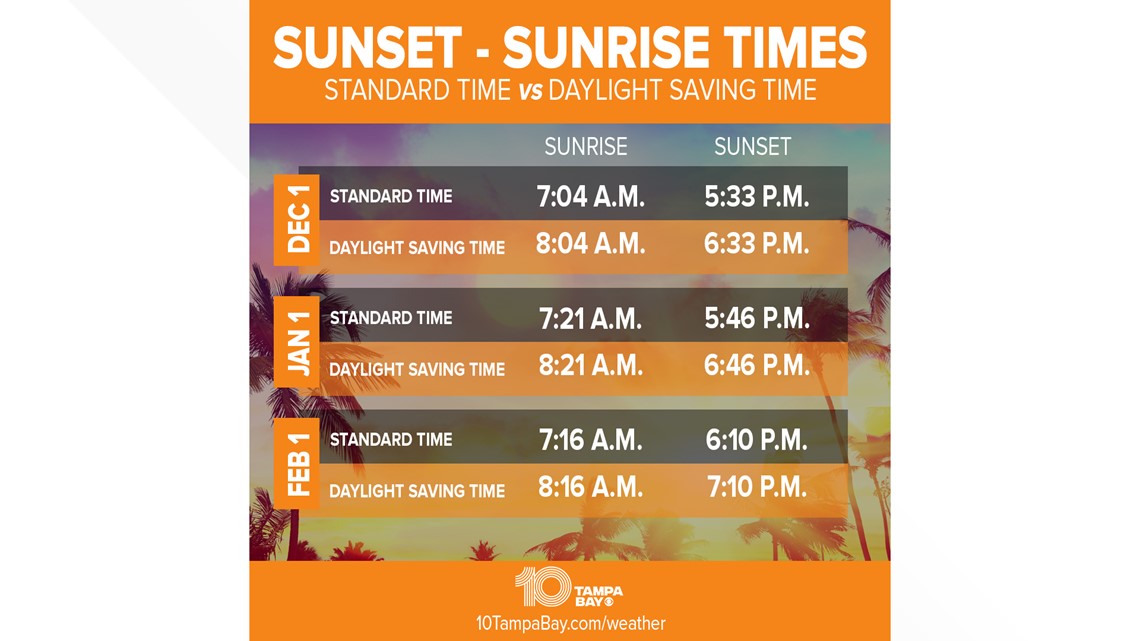
- Extended Evenings in Spring/Summer: When clocks spring forward in March, the later sunsets become a huge advantage for travelers. You’ll have more daylight to explore Orlando’s theme parks like Walt Disney World Resort and Universal Studios Florida, enjoy the beaches of Miami or Tampa, or take evening strolls along the Gulf Coast or Atlantic Coast. Parks and attractions often adjust their closing times to reflect the longer days, allowing for more immersive experiences.
- Earlier Sunsets in Fall/Winter: Conversely, when clocks fall back in November, evenings shorten considerably. If your trip is planned for this period, especially to destinations like Everglades National Park or Key West, you’ll want to schedule outdoor activities earlier in the day to take full advantage of natural light. Sunset cruises or beach relaxation might need to be planned for earlier in the afternoon.
Dining and Entertainment Schedules
Local restaurants, bars, and entertainment venues in cities like Jacksonville, Orlando, and Miami largely operate based on local time. While they will adjust their hours seamlessly with the time change, travelers should be mindful of how their internal clock might react. An 8:00 PM dinner reservation might feel like 7:00 PM to your body if you just “sprang forward,” potentially affecting your appetite or energy levels. Similarly, if you’re trying to catch a show or a nightlife experience in South Beach, confirm the start times, especially if you’re susceptible to minor temporal adjustments.
Navigating Time Zones Within Florida
Adding another layer of complexity for travelers, Florida is one of the few states that spans two different time zones. This is a critical piece of information for anyone venturing beyond the central and southern parts of the state.
Eastern Time Zone vs. Central Time Zone
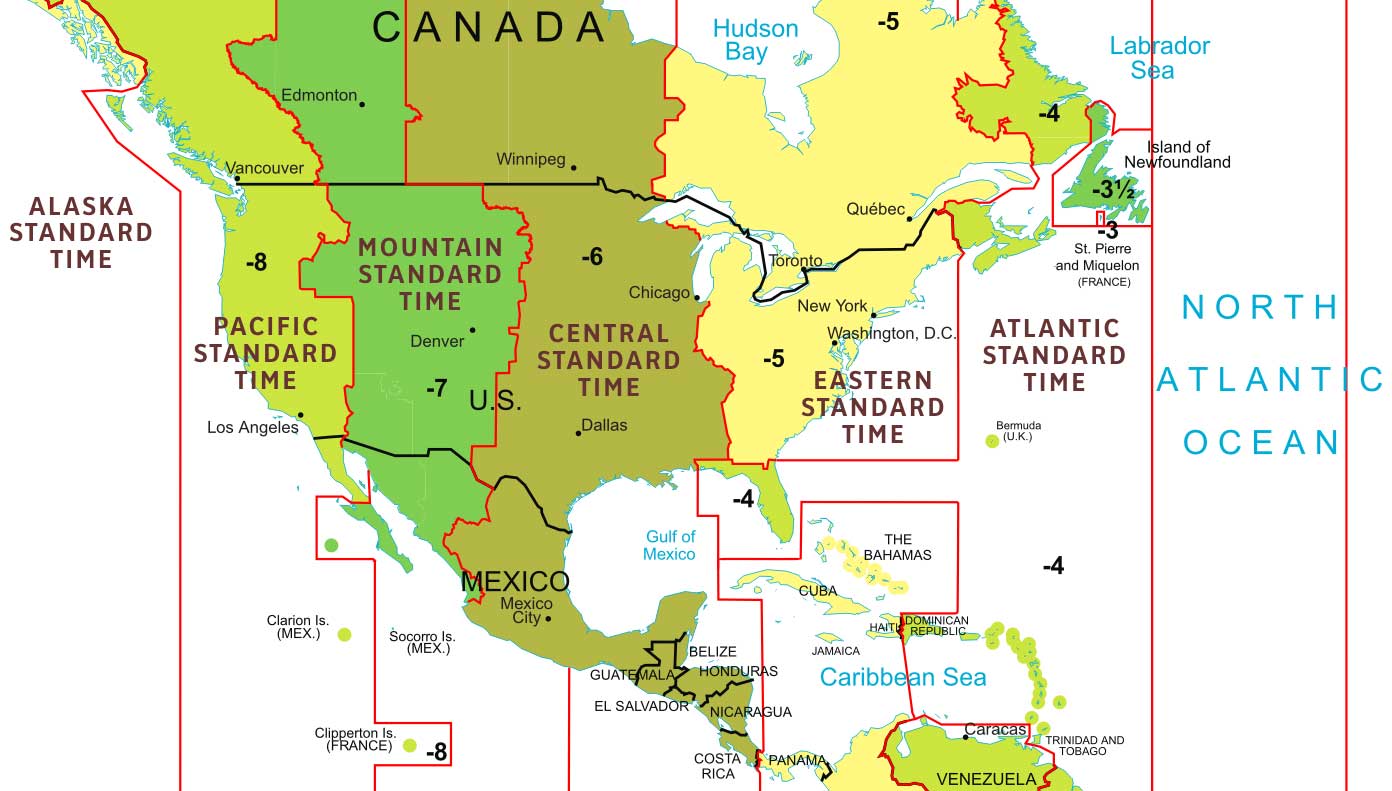
The vast majority of Florida, including major tourist destinations like Orlando, Miami, Tampa, and Jacksonville, operates on the Eastern Time Zone (ET). This is UTC-5 during Standard Time and UTC-4 during Daylight Saving Time.
However, a significant portion of the Florida Panhandle observes the Central Time Zone (CT). This is UTC-6 during Standard Time and UTC-5 during Daylight Saving Time. This means there is a one-hour difference between these two parts of the state.
Key Areas Affected: The Panhandle Exception
Travelers heading to the westernmost counties of the Florida Panhandle must remember this time zone split. Counties that are predominantly in the Central Time Zone include:
- Escambia County (home to Pensacola)
- Santa Rosa County
- Okaloosa County
- Walton County
- Bay County (home to Panama City Beach)
- Holmes County
- Washington County
Some counties, like Gulf County (which includes Mexico Beach and Port St. Joe), are split, with part of the county observing Eastern Time Zone and part observing Central Time Zone. The capital city, Tallahassee, is firmly in the Eastern Time Zone, despite its western location in the state.
If your itinerary involves traveling across these time zone boundaries, particularly during the DST transition months, ensure your devices automatically update their time settings, or manually adjust them. This is crucial for catching flights, arriving on time for appointments, or simply coordinating with travel companions in different parts of the state. A one-hour difference can easily lead to confusion and missed opportunities if not accounted for.
Tips for a Seamless Florida Travel Experience During DST Transitions
Navigating Daylight Saving Time and multiple time zones can seem daunting, but with a few simple precautions, your Florida vacation will remain a sunny delight.
Confirming Operating Hours
Always, always confirm the operating hours for attractions, parks, restaurants, and transportation services directly with the venue or provider. While most online platforms and apps are good at updating, a quick check before you head out, especially if your visit coincides with the DST changeover, can save you precious vacation time. This is particularly vital for places with strict entry times or limited availability.
Planning for the Adjustment
Even a one-hour time change can subtly impact your body clock. For the “spring forward” change, consider scheduling lighter activities on that Sunday to allow your body to adjust. If traveling with young children, gradually shifting their bedtime by 10-15 minutes each night in the days leading up to the change can help minimize disruption. For the “fall back,” enjoy the extra hour, but be mindful that the earlier sunset might make evening activities feel shorter. Staying hydrated and getting enough sleep in the days leading up to and following the change can also help your body adapt more smoothly.
Transportation and Connectivity
Ensure your cell phone, smartwatch, and other electronic devices are set to automatically update their time zone. This will prevent manual errors and ensure you’re always aligned with local time. If relying on public transportation or ride-sharing services, their schedules will also reflect the local time, so simply ensure your personal devices are synchronized. For road trips across the Florida Panhandle, a car navigation system that displays the local time will be invaluable for knowing when you cross into a different time zone.
By keeping these details in mind, your Florida travel plans will remain on track, allowing you to focus on enjoying the beautiful beaches, world-class attractions, and vibrant culture the state has to offer, regardless of what time the clock says.
LifeOutOfTheBox is a participant in the Amazon Services LLC Associates Program, an affiliate advertising program designed to provide a means for sites to earn advertising fees by advertising and linking to Amazon.com. Amazon, the Amazon logo, AmazonSupply, and the AmazonSupply logo are trademarks of Amazon.com, Inc. or its affiliates. As an Amazon Associate we earn affiliate commissions from qualifying purchases.