
Florida, often synonymous with sunshine, beaches, and theme parks, also holds the distinct reputation of being the natural habitat for one of North America’s most iconic reptiles: the American alligator. For visitors and residents alike, the question of “gator season” can carry multiple meanings, referring both to the regulated hunting period and, more commonly for tourists, the optimal times for safely observing these fascinating creatures in their natural environment. Understanding these different “seasons” is crucial for anyone planning a visit to the Sunshine State with an interest in its unique wildlife.
Decoding “Gator Season”: Hunting vs. Observation
The term “gator season” can be a source of confusion because it pertains to two very different activities. On one hand, there is the highly regulated alligator hunting season, managed by the Florida Fish and Wildlife Conservation Commission (FWC). This period is strictly for permitted hunters. On the other hand, for tourists and wildlife enthusiasts, “gator season” typically refers to the best times of year for alligator observation, when these reptiles are most active and visible. It’s important to differentiate these to ensure a safe, ethical, and fulfilling experience in Florida’s wild spaces.
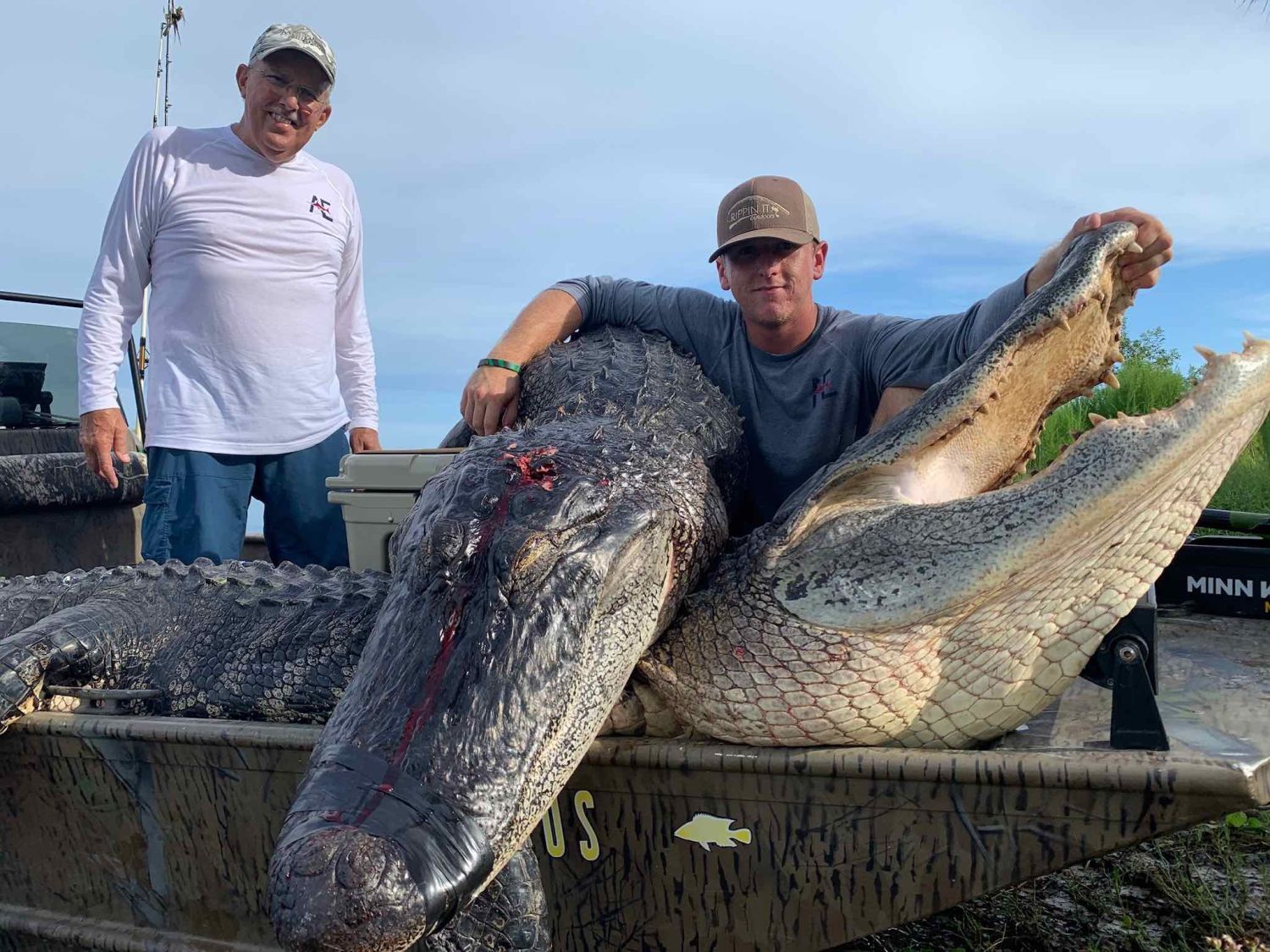
The Official Alligator Hunting Season
The state of Florida implements an annual alligator harvest program, which is a carefully controlled hunting season designed to manage the alligator population. This program is not open to the general public but requires specific permits and adherence to strict regulations.
Key Dates and Regulations
The statewide alligator hunting season in Florida typically runs from August 15 to November 1. However, the exact dates can vary slightly year to year and are divided into specific harvest periods. Participation is determined through a lottery system for permits, and each permit allows the harvest of two alligators in designated harvest units. This is a highly regulated activity, with strict rules concerning methods, size limits, and hunting locations, ensuring sustainable management of the alligator population. For most tourists, this season has no direct bearing on their travel plans or opportunities for wildlife viewing, as it occurs in specific, often remote, areas and involves specialized activities.
Purpose and Management
The primary goal of Florida’s alligator management program is to sustain a healthy alligator population while also addressing public safety concerns. Alligators are a conservation success story, having been brought back from the brink of extinction. Today, their robust numbers require management to prevent overpopulation, which could lead to increased human-alligator conflicts and impact the broader ecosystem. The hunting season plays a vital role in this delicate balance, showcasing Florida’s commitment to responsible wildlife stewardship.
Prime Times for Alligator Spotting and Tourism
For the vast majority of visitors, “gator season” means the optimal time to witness alligators in their natural habitat. Fortunately, alligators are present year-round in Florida’s waterways, but their visibility and activity levels are highly dependent on temperature.
Best Months for Viewing
The best time to observe alligators in Florida is during the warmer months, specifically from early spring (March) through late summer (September). During these periods, alligators are much more active for several reasons:
- Basking: As ectothermic (cold-blooded) animals, alligators rely on external heat sources to regulate their body temperature. When temperatures rise, they frequently bask in the sun along the edges of swamps, rivers, and lakes to warm up, making them easily visible.
- Breeding Season: Late spring and early summer (April to June) mark the alligator breeding season. During this time, male alligators become more active, vocalizing with their distinctive bellows, and both sexes are more frequently seen as they seek mates. This increased activity provides excellent viewing opportunities.
- Feeding: Warmer temperatures also mean increased metabolism, leading to more frequent feeding. Alligators will be more active in the water, hunting for prey, which can enhance viewing experiences.

While it’s possible to spot alligators in the cooler months, they tend to be much less active, often submerging themselves or retreating to dens to conserve energy. Mornings and late afternoons on sunny days are typically the best times within the warmer months for spotting, as the animals are seeking warmth after cooler nights or before the evening chill.
Where to Go for Unforgettable Encounters
Florida offers a plethora of locations where tourists can safely and ethically observe alligators. These vary from natural, wild environments to controlled, educational attractions.
Natural Habitats
- Everglades National Park: Arguably the most famous spot, the Everglades National Park is a sprawling wetland ecosystem teeming with alligators. Airboat tours are a popular way to explore the park’s sloughs and sawgrass prairies, offering close-up, guided encounters. Additionally, the Anhinga Trail and Shark Valley provide boardwalks and observation towers for safe viewing.
- State Parks and Wildlife Refuges: Many of Florida’s state parks and national wildlife refuges are excellent for alligator spotting.
- Myakka River State Park near Sarasota is renowned for its abundant alligator population, easily visible from boat tours or the iconic Canopy Walkway.
- Lake Okeechobee, Florida’s largest lake, and its surrounding areas, including the Kissimmee River, are prime alligator territory.
- Big Cypress National Preserve offers scenic drives and boardwalks where alligators are frequently seen.
- Arthur R. Marshall Loxahatchee National Wildlife Refuge near Boynton Beach provides miles of boardwalks through cypress swamps, perfect for spotting.
- Local Rivers and Springs: Rivers like the St. Johns River and various spring-fed rivers throughout the state also host healthy alligator populations. Guided kayak or canoe tours can offer a more intimate, yet still safe, viewing experience.
Educational Attractions
- Gatorland: Located in Orlando, Gatorland is a classic Florida attraction dubbed the “Alligator Capital of the World.” It offers an immersive experience with thousands of alligators and crocodiles, including educational shows, a breeding marsh, and zip lines over gator-infested waters. It’s an excellent option for families and those seeking guaranteed sightings in a controlled environment.
- St. Augustine Alligator Farm Zoological Park: This historic park in St. Augustine is the only place in the world where you can see every species of crocodilian. It provides a unique opportunity to learn about alligators and their relatives through exhibits and shows.
Recommended Viewing Methods
- Airboat Tours: A quintessential Florida experience, airboat tours allow visitors to glide over shallow waters and through dense vegetation, often bringing them remarkably close to alligators and other wildlife. Always choose reputable operators who prioritize safety and wildlife ethics.
- Guided Kayak or Canoe Tours: For a quieter, more intimate encounter, guided kayak or canoe tours in calmer waterways can be incredibly rewarding. Guides ensure safety and provide valuable insights into alligator behavior and the surrounding ecosystem.
- Boardwalks and Observation Decks: Many parks and refuges offer elevated boardwalks and observation decks, providing safe viewing platforms where visitors can spot alligators basking or swimming from a secure distance.
- Wildlife Drives: Scenic drives through preserves, such as the Loop Road in Big Cypress National Preserve, often reveal alligators in roadside canals and ponds.
Responsible Alligator Tourism: Safety and Ethics
Encountering alligators in the wild is an exhilarating experience, but it comes with the responsibility of ensuring safety for both humans and wildlife. Adhering to guidelines is paramount for a positive and ethical encounter.
Alligator Safety Tips for Visitors
- Keep Your Distance: Always maintain a safe distance from alligators, typically at least 30 feet (9 meters). Never approach them, even if they appear docile or small.
- Never Feed Alligators: Feeding alligators is illegal and extremely dangerous. It causes them to lose their natural fear of humans and associate people with food, leading to aggressive behavior.
- Swim in Designated Areas: Only swim in clear, designated swimming areas. Avoid swimming at dawn, dusk, or night when alligators are most active.
- Supervise Children and Pets: Keep a close eye on children and pets when near water bodies where alligators might be present. Pets, especially, resemble natural prey to alligators.
- Be Aware of Your Surroundings: Pay attention to warning signs and follow all park rules and recommendations.
- Use Reputable Tour Operators: When booking airboat or other wildlife tours, choose operators with strong safety records and a commitment to ethical wildlife viewing practices.

Contributing to Conservation through Tourism
By engaging in responsible alligator tourism, visitors directly contribute to the conservation efforts that protect these magnificent reptiles and their habitats. Supporting eco-tourism, visiting state parks and national preserves, and adhering to ethical viewing guidelines help fund crucial research, habitat preservation, and public education initiatives. Florida’s alligators are a vital component of its ecosystem and a major draw for tourism, making their continued health and well-being a shared responsibility.
In conclusion, while the official “gator hunting season” is a regulated harvest period for a select few, the “gator season” for tourists truly encompasses the warmer months when these remarkable animals are most active and visible, offering unparalleled opportunities for observation and appreciation across the diverse landscapes of Florida. Plan your visit during these prime times, exercise caution, and prepare for an unforgettable encounter with one of nature’s most enduring predators.
LifeOutOfTheBox is a participant in the Amazon Services LLC Associates Program, an affiliate advertising program designed to provide a means for sites to earn advertising fees by advertising and linking to Amazon.com. Amazon, the Amazon logo, AmazonSupply, and the AmazonSupply logo are trademarks of Amazon.com, Inc. or its affiliates. As an Amazon Associate we earn affiliate commissions from qualifying purchases.