
As travelers increasingly seek to explore the vibrant destinations of Florida, the potential impact of tropical weather systems like Hurricane Helene becomes a critical consideration. Planning a trip during hurricane season, which typically runs from June 1 to November 30, demands vigilance and informed decision-making. While the exact timing and intensity of a hurricane can be unpredictable until closer to its approach, understanding the potential effects on travel, destinations, and experiences is paramount for a safe and enjoyable journey. This guide aims to equip prospective visitors with the necessary insights to navigate travel to Florida when a hurricane threat looms.

Understanding the Trajectory and Travel Implications
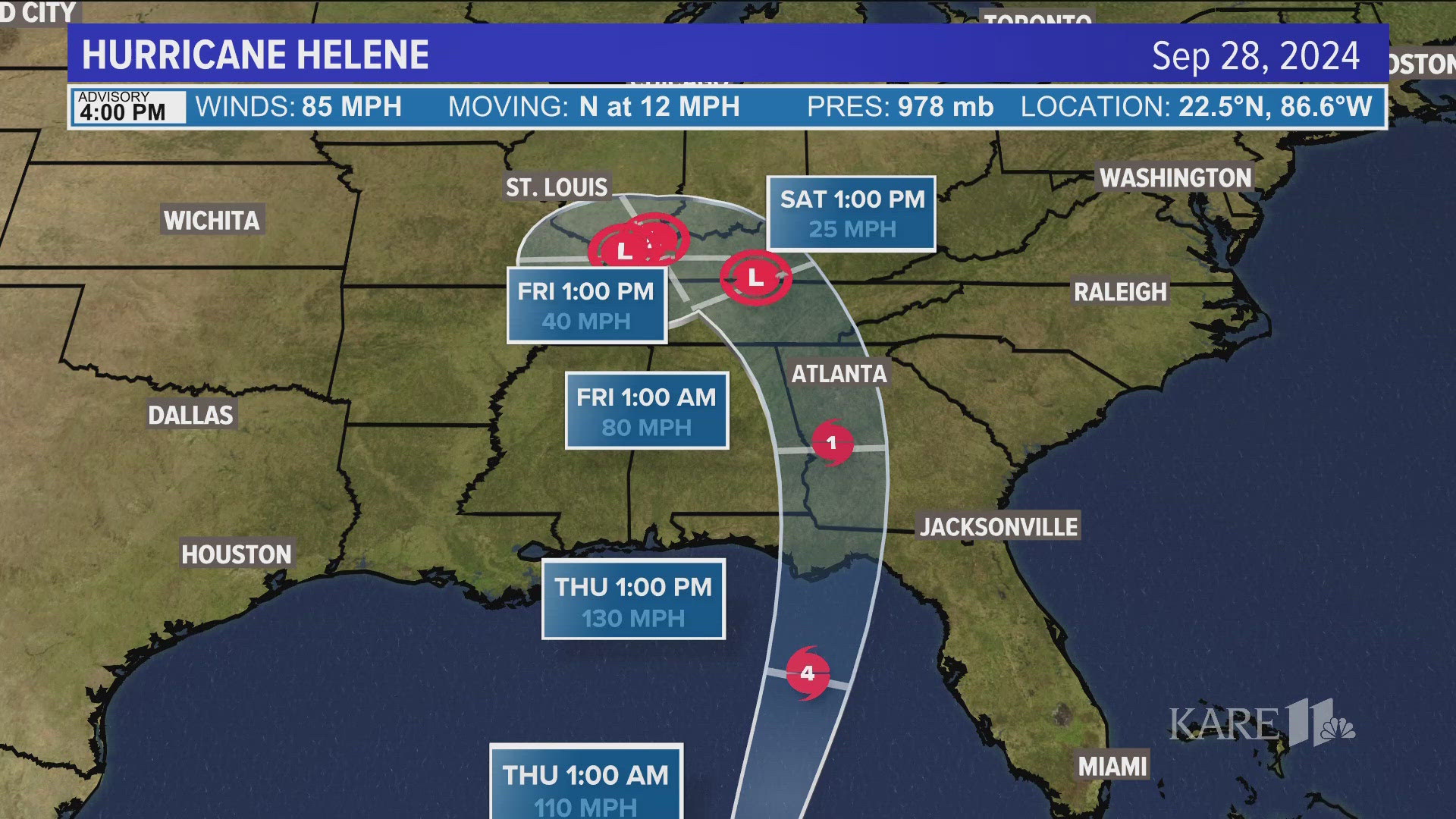
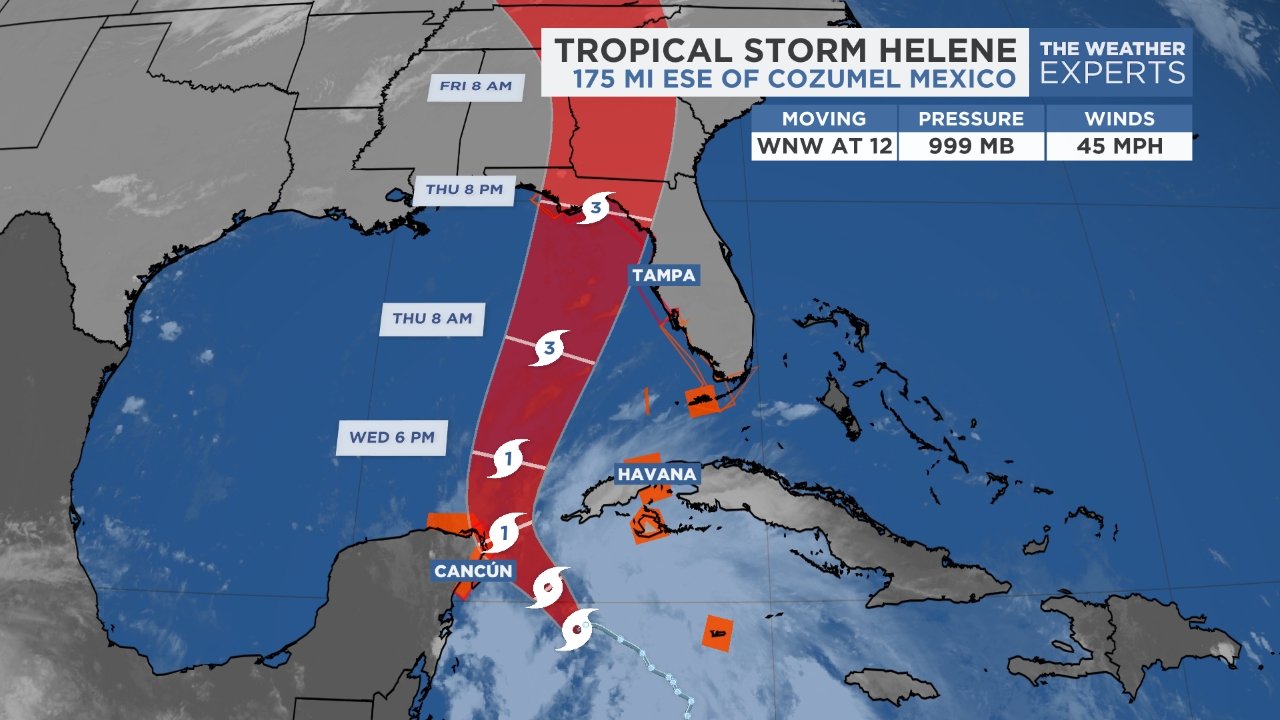
The first and most crucial step for any traveler facing a potential hurricane threat is to monitor official forecasts meticulously. Organizations like the National Hurricane Center (NHC) provide real-time updates on storm trajectories, wind speeds, and potential landfall areas. For a hypothetical Hurricane Helene approaching Florida, understanding its projected path is vital for assessing which parts of the state might be impacted and, consequently, which travel plans might need immediate adjustment.
Current Forecasts and Potential Landfall Zones
Forecasters typically issue a “cone of uncertainty” that indicates the probable path of a storm’s center. While the center’s exact point of landfall often shifts, the broader cone helps identify regions that are most at risk of experiencing hurricane-force winds, heavy rainfall, and storm surge. For Florida, this could mean anything from the Panhandle in the northwest to the southeastern coast encompassing Miami and Fort Lauderdale, or even the central areas around Orlando if a storm tracks inland. Travelers should pay close attention to the forecast discussion, which often includes details about expected impacts beyond the immediate landfall zone, such as tornado potential, flooding, and power outages. This detailed information is crucial for anticipating disruptions to transportation, attractions, and local services.
Florida’s Vulnerable Travel Regions
Each region of Florida presents unique vulnerabilities and considerations for travelers during a hurricane. Coastal areas, particularly barrier islands and low-lying regions, are highly susceptible to storm surge and coastal flooding, often necessitating mandatory evacuations. Popular destinations like the Florida Keys, Naples, Sarasota, and Jacksonville Beach fall into this category. Inland cities, while less prone to storm surge, can still face severe flooding from heavy rains, high winds affecting infrastructure, and widespread power outages. Travelers heading to major tourist hubs like Orlando (known for its theme parks) or Tampa (a significant port city) must be aware that even if direct landfall is distant, the periphery of a large hurricane can still cause significant travel disruptions, including airport closures and road accessibility issues. Understanding the specific risks associated with your chosen Florida destination is a cornerstone of responsible hurricane-season travel.
Navigating Travel Disruptions and Safety Protocols
When a hurricane is imminent, travel disruptions are almost guaranteed. Airlines cancel flights, airports close, roads become impassable, and evacuation orders may be issued. Travelers must be prepared to adapt quickly and prioritize safety above all else.
Airport and Transportation Impacts
Major Florida airports, such as Orlando International Airport (MCO), Miami International Airport (MIA), and Tampa International Airport (TPA), are often among the first facilities to announce operational changes. Airlines will typically waive change fees and offer flexible rebooking options as a storm approaches. It is imperative for travelers to monitor their airline’s specific announcements and the operational status of their departure and arrival airports. Ground transportation, including interstates, state roads, and local routes, can experience significant closures due to flooding, downed power lines, or fallen debris. Public transportation, like trains and buses, may also cease operations. If driving, travelers should allow ample extra time, ensure their vehicle is fully fueled, and carry an emergency kit. Be aware that during evacuations, traffic can become extremely heavy, turning short distances into hours-long journeys.
Coastal Area Advisories and Evacuation Information
For travelers staying in coastal regions, especially barrier islands or low-lying communities, understanding evacuation zones and orders is critical. Local emergency management agencies publish detailed maps and issue mandatory evacuation orders when conditions become too dangerous. These orders are not suggestions; they are directives designed to save lives and should be followed immediately. Hotels and resorts in these areas are often required to close and assist guests with relocation. Travelers should familiarize themselves with their designated evacuation route, have a plan for where to go, and ensure they have enough supplies for the journey, including water, non-perishable food, and necessary medications. It is also wise to keep important travel documents in a waterproof bag.
Essential Communication Strategies for Travelers
In the chaos preceding and during a hurricane, reliable communication becomes invaluable. Travelers should ensure their mobile devices are fully charged and carry portable power banks. Having a list of important contact numbers, including family, airlines, hotels, and travel insurance providers, written down or saved offline, is prudent in case of power outages or network disruptions. Informing family and friends of your travel plans and any changes is also a good practice. Utilize emergency alert systems, such as NOAA weather radio or local government alerts, to receive critical updates even if cell service is intermittent. Social media can also be a valuable tool for monitoring official updates from emergency services, but always cross-reference information with authoritative sources to avoid misinformation.
Safeguarding Your Florida Travel Plans
Proactive planning is the best defense against the travel disruptions caused by hurricanes. From booking adjustments to understanding insurance, several strategies can help protect your investment and peace of mind.
Adjusting Hotel and Accommodation Bookings
Most hotels and resorts in hurricane-prone areas have specific policies for cancellations or modifications during declared states of emergency. As soon as a hurricane threat becomes credible for your travel dates and destination, contact your accommodation provider directly to understand their specific policy. Many will offer full refunds or allow rebooking without penalties. If you booked through a third-party site, you might need to contact them first, but always follow up with the property itself. Consider alternative accommodations outside the projected impact zone if your travel dates are flexible, or be prepared to cut your trip short. Some properties, particularly luxury resorts, may even have hurricane guarantees that offer compensation or future stays if your trip is significantly impacted.
Insurance Considerations for Hurricane Season
Travel insurance is highly recommended for anyone planning a trip to Florida during hurricane season. Policies vary widely, so it is crucial to read the fine print. Look for “cancel for any reason” (CFAR) policies if you want maximum flexibility, although these are typically more expensive. Standard travel insurance may cover trip cancellation or interruption due to a hurricane, but only if the storm was named after you purchased the policy and booked your trip. This pre-existing condition clause is vital. Ensure your policy covers travel delays, missed connections, medical emergencies, and emergency evacuations. Keep all booking confirmations, receipts, and communication with travel providers, as these will be essential for any insurance claims.
Navigating Attractions and Experiences
Florida’s economy heavily relies on tourism, and attractions are quick to adapt to hurricane threats. However, disruptions are inevitable.
Theme Park Operations
World-renowned theme parks in Orlando like Walt Disney World Resort and Universal Orlando Resort have well-established hurricane protocols. They often announce closures or modified operating hours well in advance, prioritizing the safety of guests and staff. Visitors should check the official websites and social media channels of the specific theme parks they plan to visit for the latest operational updates. While these parks are built to withstand significant weather, certain outdoor attractions may close even in less severe conditions. Hotels within these resorts also have emergency plans and can offer guidance to guests.
Beach and Water Activities
Coastal attractions, including beaches, marinas, and water sports operators, are typically the first to shut down as a hurricane approaches. High winds, rough seas, and dangerous rip currents make swimming, boating, and other water activities unsafe. Expect immediate closures of public beaches, state parks along the coast, and any services offering excursions like fishing charters or parasailing. These activities will remain suspended until conditions are deemed safe, which may take days or even weeks after a storm, depending on the damage and cleanup efforts.
Cultural and Urban Experiences
Even in urban centers, cultural attractions like museums, theaters, and shopping districts may close temporarily for safety precautions or due to power outages. Restaurants and local businesses might also shut down or operate on reduced hours. If your travel includes exploring Florida’s vibrant local culture, it’s advisable to call ahead or check their online presence for operational status. Have alternative plans ready, perhaps exploring indoor activities or areas further inland if the coastal regions are impacted.
Post-Hurricane Travel: What to Expect
Even after a hurricane passes, its effects on travel can linger. Travelers considering a trip immediately after a storm should adjust their expectations and understand the recovery process.
Recovery and Reopening Timelines
The recovery timeline for affected areas can vary significantly depending on the hurricane’s intensity and the extent of damage. While some areas may reopen within days, others, particularly those with severe infrastructure damage, might take weeks or months to return to normal. Roadways may need to be cleared, power restored, and businesses repaired. It’s crucial not to rush into a damaged area, as resources might be stretched thin, and local communities will be focused on their own recovery efforts. Always check with official tourism boards and local authorities for information on which areas are open to visitors.
Supporting Local Tourism
If you do decide to travel to a Florida destination that has been impacted, your visit can play a vital role in its recovery. By staying in local hotels, dining at local restaurants, and engaging with local businesses, you contribute directly to the economic revitalization of the community. However, ensure you are not creating a burden on the affected area by consuming scarce resources or hindering recovery efforts. Always travel responsibly and with respect for the local community’s circumstances.
Long-term Travel Planning
For future travel to Florida during hurricane season, consider scheduling your trip for the earlier (June, July) or later (October, November) parts of the season, which historically tend to have lower hurricane activity compared to the peak months of August and September. Remain flexible with your plans, secure comprehensive travel insurance, and stay informed about weather patterns. Florida remains an incredibly rewarding travel destination, and with careful planning and awareness, you can still experience its beauty even during hurricane season.
LifeOutOfTheBox is a participant in the Amazon Services LLC Associates Program, an affiliate advertising program designed to provide a means for sites to earn advertising fees by advertising and linking to Amazon.com. Amazon, the Amazon logo, AmazonSupply, and the AmazonSupply logo are trademarks of Amazon.com, Inc. or its affiliates. As an Amazon Associate we earn affiliate commissions from qualifying purchases.