
Miami, Florida, often referred to as the “Magic City,” entices travelers with its vibrant culture, stunning beaches, and pulsating nightlife. Deciding the optimal time to visit this sun-drenched metropolis can significantly enhance your experience, influencing everything from weather conditions and crowd levels to accommodation prices and the availability of special events. Understanding Miami’s distinct seasons and event calendar is key to planning an unforgettable trip.
Decoding Miami’s Climate: Seasons and Their Impact
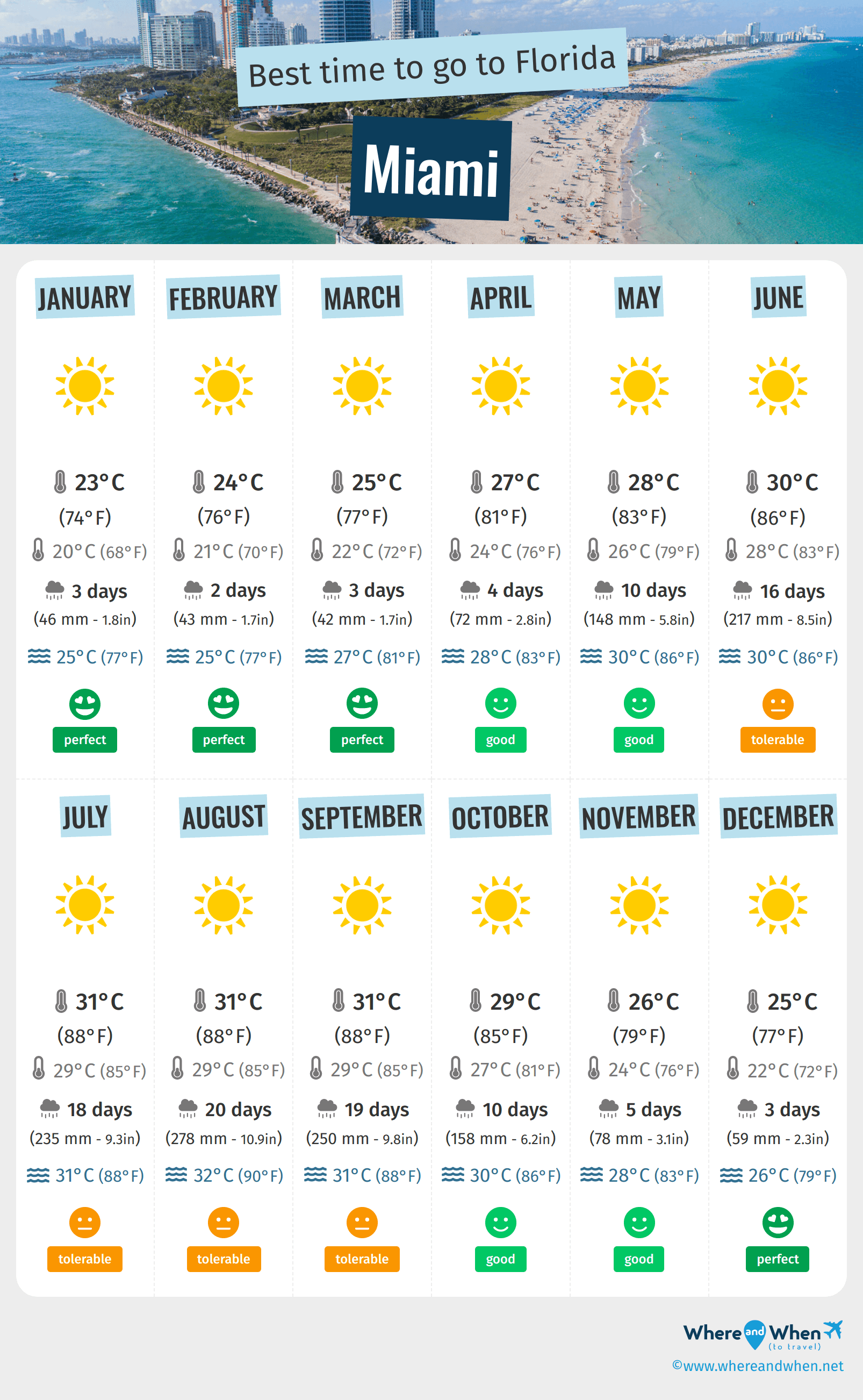
Miami operates on a two-season system rather than the traditional four: a warm, wet season and a warm, dry season. This subtropical climate dictates much about when to visit.
The Warm, Humid Summer (June to October)
This period is characterized by high temperatures, significant humidity, and frequent afternoon thunderstorms. Average daily temperatures often hover in the high 80s to low 90s Fahrenheit (around 30-34°C). While the rain can be intense, it typically lasts only an hour or two before the sun reappears. The Atlantic hurricane season officially runs from June 1st to November 30th, with the peak probability of storms generally occurring from August through October. Travel insurance becomes a prudent consideration during these months. Despite the weather challenges, summer brings fewer crowds and potentially lower prices for flights and hotels, making it an attractive option for budget-conscious travelers. The ocean water is exceptionally warm, perfect for swimming and water sports.
The Cooler, Drier Winter (November to May)
Considered Miami’s prime tourist season, these months offer pleasant, mild temperatures, lower humidity, and abundant sunshine. Average daily temperatures typically range from the mid-60s to high 70s Fahrenheit (18-26°C), providing ideal conditions for exploring outdoor attractions, relaxing on South Beach, and enjoying al fresco dining. Rainfall is minimal, and the risk of hurricanes is virtually nonexistent. However, this idyllic weather comes with a trade-off: higher prices and larger crowds. Popular destinations like Ocean Drive, Lincoln Road Mall, and the various museums experience peak visitor numbers. Booking accommodations and activities well in advance is highly recommended during this period.
Navigating Peak Season, Shoulder Season, and Off-Peak Opportunities
The best time to visit Miami heavily depends on your priorities regarding weather, crowds, and cost.
Peak Season: Winter’s Golden Window (December – April)
Pros: Unbeatable weather, low humidity, abundant sunshine, vibrant atmosphere, numerous festivals and events. This is the quintessential time for beach lovers, outdoor enthusiasts, and those escaping colder northern climates.
Cons: High demand leads to higher prices for flights, hotels, and car rentals. Popular attractions and restaurants can be crowded, requiring reservations well in advance. Spring Break in March can lead to particularly high prices and boisterous crowds, especially in areas like South Beach.
Shoulder Season: The Savvy Traveler’s Sweet Spot (May and November)
These months bridge the gap between the busy winter and the humid summer, offering a compelling balance.
May: The Transition to Summer
As temperatures gradually rise and humidity begins to increase, May still offers many sunny days ideal for beach activities before the full summer heat sets in. Crowds start to thin out, and accommodation prices become more reasonable than in peak winter. It’s an excellent time for those who want good weather without the peak season rush or prices. The ocean is warm enough for comfortable swimming.
November: Pre-Winter Charm
Following the end of the hurricane season and before the influx of winter tourists, November presents a brief window of delightful weather. Temperatures are comfortable, humidity is low, and the city begins to buzz with anticipation for the upcoming high season. Prices are more manageable, and attractions are less crowded, offering a relaxed yet engaging experience.
Off-Peak Season: Summer Savings and Solitude (June – October)
Pros: Significantly lower prices for flights, hotels, and tours. Fewer crowds mean a more relaxed pace and easier access to popular spots. The ocean is incredibly warm for swimming and water sports.
Cons: High temperatures and humidity, daily afternoon thunderstorms, and the risk of hurricanes. While the storms are usually brief, they can occasionally disrupt plans, and a major hurricane can lead to significant travel delays or cancellations. Indoor activities become more appealing during the hottest parts of the day.
A Calendar of Key Events and Festivals
Miami’s vibrant event calendar adds another layer to determining the best time to visit.
Winter Wonders
- Art Basel Miami Beach (December): This prestigious international art fair transforms Miami into a global hub for art lovers, collectors, and celebrities. Expect exorbitant prices and immense crowds.
- South Beach Wine & Food Festival (February): A culinary extravaganza featuring world-renowned chefs, wine producers, and food personalities. Attracts a sophisticated crowd and requires advance booking.
- Miami International Boat Show (February): One of the largest boat shows in the world, drawing enthusiasts and industry professionals.
- Ultra Music Festival / Miami Music Week (March): Electronic dance music fans flock to Miami for this massive festival and the week-long events surrounding it. Expect large, energetic crowds and high demand for accommodation.
- Calle Ocho Music Festival (March): The largest Latin music festival in the United States, celebrating Hispanic culture in Little Havana with live music, food, and dancing.
Spring and Summer Fun
- Miami Fashion Week (May/June): Showcasing the latest in resort wear and international fashion.
- Rolling Loud Festival (July, dates vary): A major hip-hop festival drawing significant crowds.
Fall Flavors
- Miami Spice Months (August-September): A culinary initiative offering fixed-price menus at top restaurants, providing an excellent opportunity to experience Miami’s diverse dining scene at a reduced cost.
- Miami Carnival (October): A vibrant celebration of Caribbean culture with music, elaborate costumes, and parades.
Tailoring Your Visit to Your Preferences
The “best” time is subjective and depends heavily on what you seek from your Miami adventure.
For Beach Lovers and Water Sports Enthusiasts
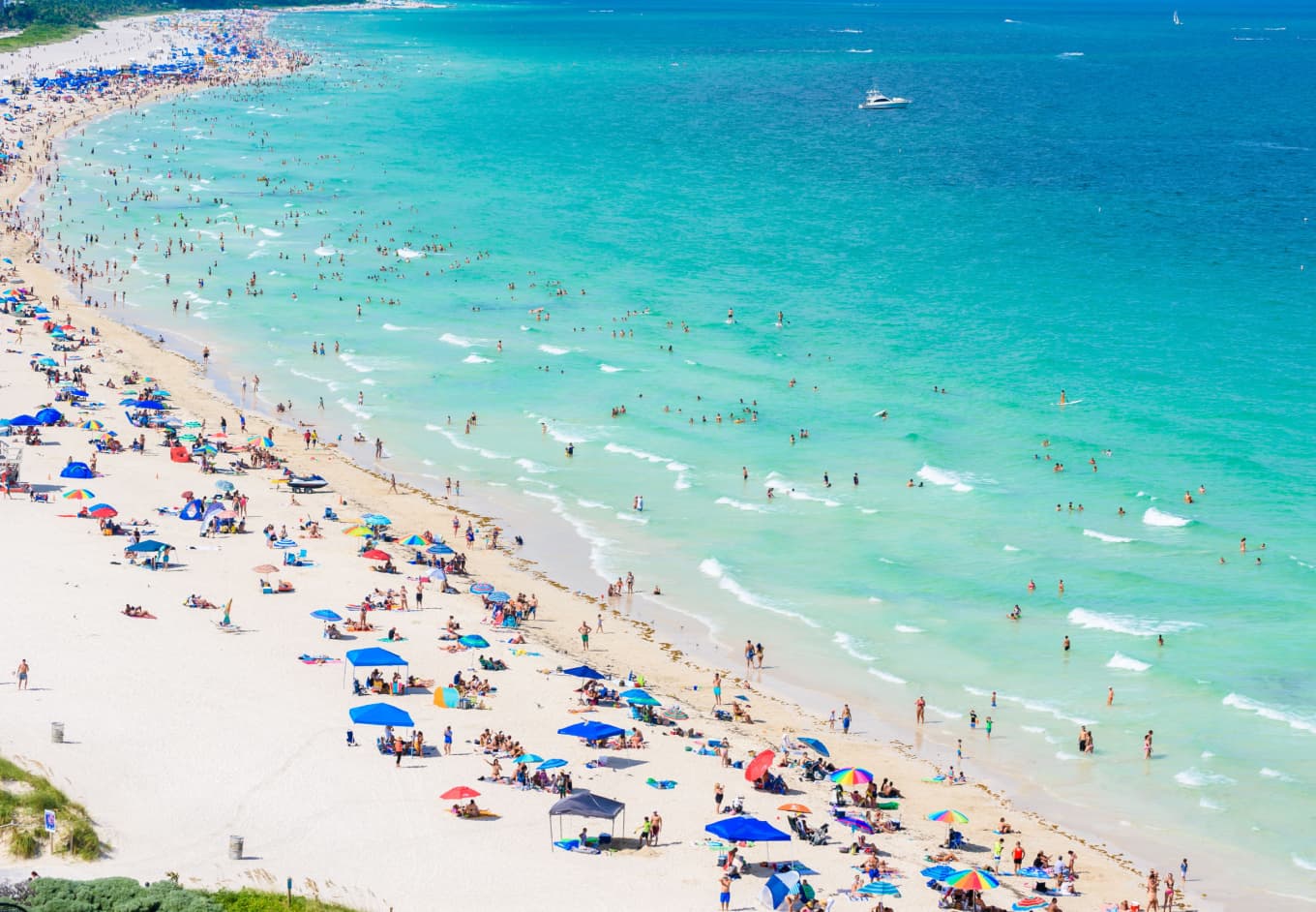
The winter months (December to April) offer ideal conditions with warm temperatures and gentle breezes perfect for sunbathing, swimming, and activities like paddleboarding or jet skiing in Biscayne Bay. The ocean water is refreshing but comfortable. If you don’t mind warmer water and humidity, the shoulder seasons (May, November) or even early summer (June) still provide excellent beach days with fewer crowds.
For Art and Culture Seekers
December through April is the prime time, especially with Art Basel Miami Beach in early December. Beyond the major fairs, the pleasant weather makes exploring outdoor art districts like the Wynwood Walls and the upscale Design District more enjoyable. Museums like the Pérez Art Museum Miami (PAMM) and the Frost Science Museum are popular year-round, but the cooler months enhance the overall experience of moving between venues.
For Budget-Conscious Travelers
The summer and fall months (June to October) offer the most significant savings on accommodations and flights. While the weather can be challenging, a strategic approach—planning indoor activities for the afternoons and enjoying early mornings or evenings outdoors—can lead to a cost-effective and rewarding trip. Taking advantage of Miami Spice Months in August and September is a great way to experience high-end dining without the premium price tag.
For Families
Families often find the shoulder seasons (May, November) or even early summer (June) to be ideal. School holidays in summer often align with the off-peak season, allowing for more affordable travel. Attractions like Zoo Miami and the Phillip and Patricia Frost Museum of Science are enjoyable any time, but fewer crowds and more manageable temperatures outside of peak winter or the height of summer can enhance the family experience. Consider a visit to Everglades National Park during the dry season (November to May) for optimal wildlife viewing opportunities.
In conclusion, while Miami’s winter and spring months (December to May) consistently offer the most pleasant weather and a packed event schedule, they come with higher costs and larger crowds. The shoulder seasons (May and November) provide a sweet spot for good weather and fewer tourists. The summer and fall months (June to October), despite the heat, humidity, and hurricane risk, present opportunities for significant savings and a more relaxed pace. Ultimately, the best time to visit Miami is when its unique blend of sun, culture, and excitement aligns perfectly with your personal travel style and priorities.
LifeOutOfTheBox is a participant in the Amazon Services LLC Associates Program, an affiliate advertising program designed to provide a means for sites to earn advertising fees by advertising and linking to Amazon.com. Amazon, the Amazon logo, AmazonSupply, and the AmazonSupply logo are trademarks of Amazon.com, Inc. or its affiliates. As an Amazon Associate we earn affiliate commissions from qualifying purchases.