
The sprawling, sun-drenched metropolis of Miami, Florida, renowned for its vibrant culture, stunning beaches, and iconic architecture, stands today as a global landmark. Yet, behind its glittering facade lies a rich history, rooted in a precise moment of establishment that shaped its very foundations and subsequent rise. The city’s formal inception, a pivotal event in Florida’s development, officially occurred on July 28, 1896. This date marks not merely a bureaucratic milestone but the conscious decision to transform a frontier outpost into a thriving urban center, setting the stage for the landmark city it would become. Understanding this establishment date is crucial to appreciating the historical context of Miami’s most enduring landmarks and its unique architectural legacy.
The Genesis of a Modern Metropolis: From Wilderness to City Charter
Before its official establishment, the area now known as Miami had a long and varied history. For thousands of years, it was home to the Tequesta people, who thrived along the banks of the Miami River and the shores of Biscayne Bay. The arrival of Spanish explorers in the 16th century marked the beginning of European influence, though permanent settlement remained sporadic for centuries. It wasn’t until the late 19th century that a confluence of vision, natural beauty, and strategic infrastructure truly set the stage for Miami’s birth as a city.
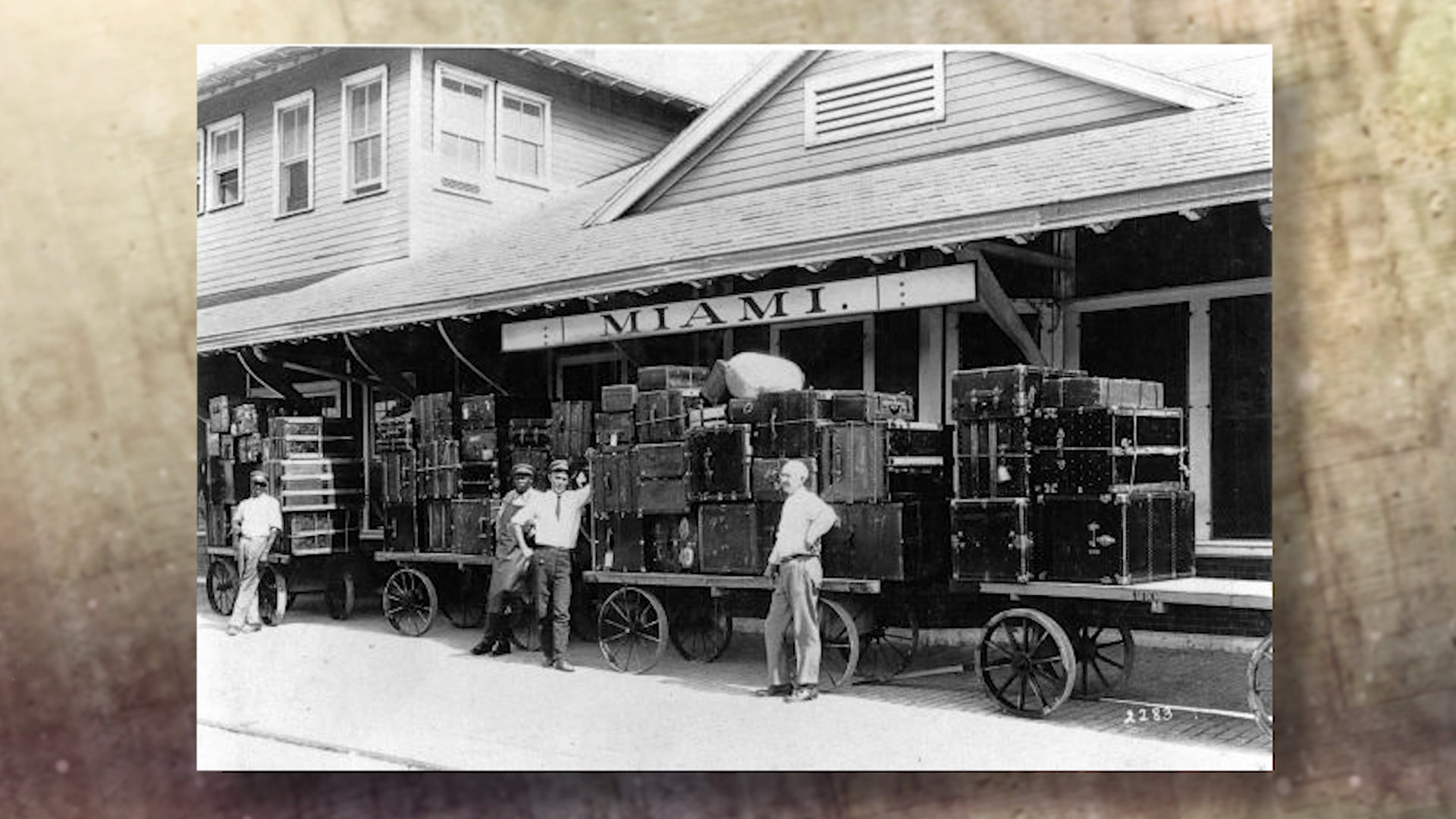
The driving force behind Miami’s establishment is often attributed to two remarkable individuals: Julia Tuttle and Henry Flagler. Julia Tuttle, a shrewd businesswoman and landowner, is widely celebrated as the “Mother of Miami.” She owned vast tracts of land on the north bank of the Miami River and envisioned a thriving city. Her pivotal role came during a devastating freeze in 1894-1895 that decimated citrus crops across northern Florida. Tuttle famously sent fresh orange blossoms to Henry Flagler, the industrialist magnate behind the Florida East Coast Railway, as proof that the deep south was untouched by the cold. This convinced Flagler to extend his railway line further south, reaching the future site of Miami in April 1896.
The arrival of the Florida East Coast Railway was the true catalyst. It connected this remote outpost to the rest of the nation, bringing settlers, trade, and the promise of development. With the railway came the need for organized infrastructure. Flagler began constructing hotels and laying out streets, envisioning a winter resort town. The local residents, largely drawn by the railway’s promise, recognized the need for formal governance. On July 28, 1896, 368 men—including early African American pioneers who played a crucial, though often overlooked, role in the city’s development—voted to incorporate the City of Miami. The charter was approved, and a new city was officially born. This moment enshrined the historical genesis of a landmark city that would grow to define modern Florida.
Early Landmarks and the Founding Vision
The very act of Miami’s establishment directly informed the creation of its earliest landmarks. These weren’t just buildings; they were foundational elements of urban planning and expressions of the city’s nascent identity.
The Flagler Era Developments
Henry Flagler’s influence was immediate and profound. His investments laid the groundwork for many of Miami’s earliest significant structures and public spaces. One of the first and most prominent landmarks was the Royal Palm Hotel. Opened in 1897, just months after the city’s incorporation, this grand wooden edifice was situated at the mouth of the Miami River, offering unparalleled views of Biscayne Bay. It was designed to attract wealthy tourists from the North, setting a precedent for Miami’s future as a premier resort destination. Although the Royal Palm Hotel no longer stands, its historical significance as the city’s first major luxury landmark cannot be overstated. Its location and purpose defined the early focus of the emerging city.
Parallel to the hotel, Flagler also spearheaded the development of the city’s initial street grid. Flagler Street, originally named Twelfth Street, became the central artery of downtown Miami. It was designed to connect the railway station, the Royal Palm Hotel, and the burgeoning commercial district. Today, Flagler Street remains a key historical and commercial thoroughfare, a tangible link to the city’s founding vision and an enduring landmark in its own right, showcasing early 20th-century architecture.
The Role of the Miami River and Biscayne Bay
Even before the city’s formal establishment, the natural landmarks of the Miami River and Biscayne Bay were paramount. The Tequesta had built their civilization around the river’s fresh waters, and early settlers recognized its strategic importance. The bay provided a natural harbor, essential for trade and transportation before the railway’s arrival, and continued to be crucial thereafter. The decision to establish the city at this specific nexus of river and bay was fundamentally about leveraging these natural assets, which would later become integral parts of Miami’s identity and contribute to its iconic skyline and waterfront landmarks. The convergence of these natural features with man-made structures like the Royal Palm Hotel established a pattern of development that continues to shape Miami’s unique landmark profile.
The Boom Years and Enduring Legacies
The foundation laid in 1896 quickly propelled Miami into an era of rapid growth and transformation, particularly during the Florida land boom of the 1920s. This period solidified many of Miami’s most famous architectural landmarks, directly tying back to the initial impetus of its establishment.
Architectural Icons of the Early 20th Century
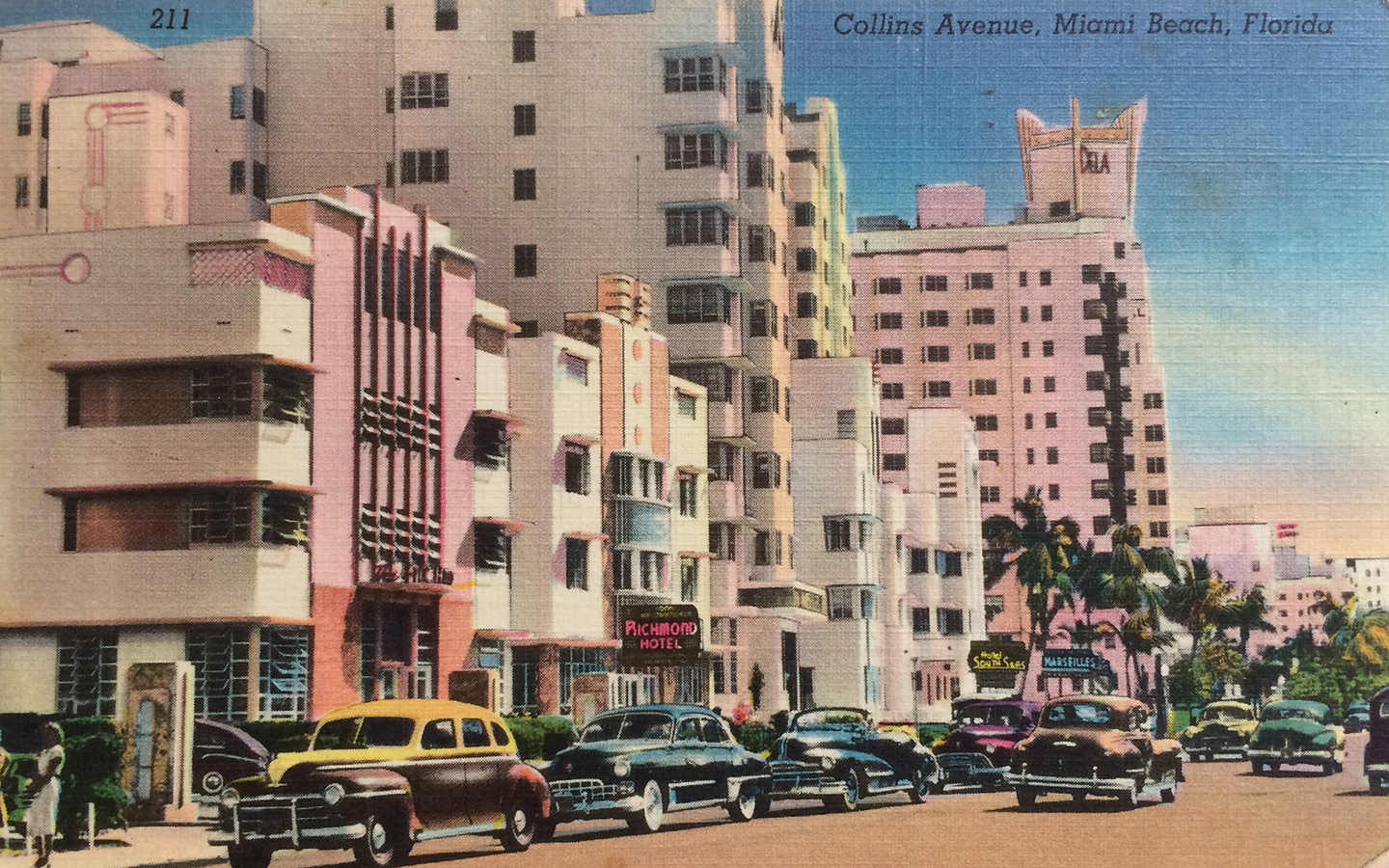
The boom years saw an explosion of architectural styles, particularly the distinctive Mediterranean Revival and, later, the iconic Art Deco style. The Art Deco District in South Beach, with its pastel-colored buildings, neon lights, and unique geometric designs, stands as one of the most recognizable and beloved landmarks in the world. While emerging decades after the city’s founding, this architectural marvel is a direct consequence of the rapid development spurred by Miami’s establishment as a resort town. These buildings, many now meticulously preserved, tell the story of a city that quickly embraced modernity and style.
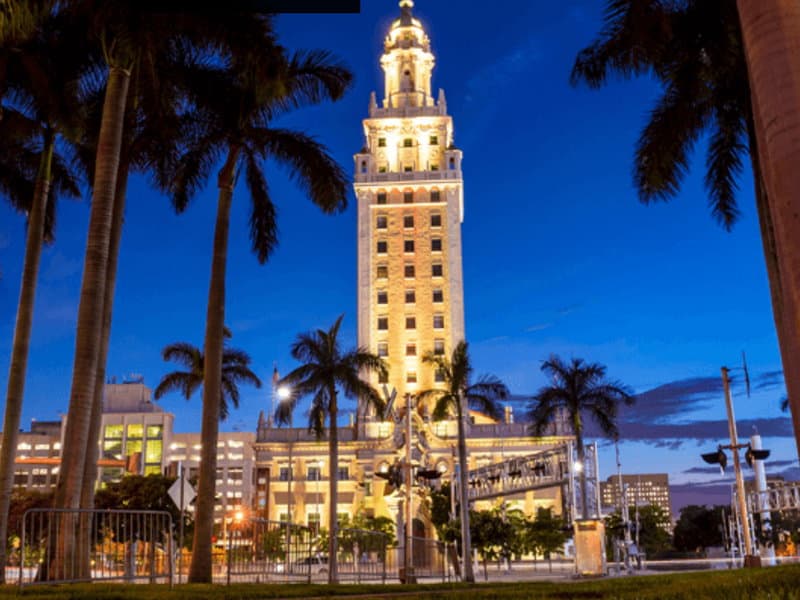
Other significant landmarks from this era include the Freedom Tower. Completed in 1925 as the headquarters for The Miami News, its distinctive Mediterranean Revival architecture and symbolic role as a processing center for Cuban refugees in the 1960s have cemented its status as a historical and cultural icon. Similarly, the opulent Vizcaya Museum & Gardens, built between 1914 and 1922 as the winter estate of industrialist James Deering, offers a stunning glimpse into the lavish lifestyles of Miami’s early elite. These structures, born from the prosperity that followed the city’s incorporation, are tangible testaments to Miami’s rapid evolution and its enduring appeal to visionaries and entrepreneurs.
Sustaining the Vision of a Landmark City
From its inception, Miami was conceived as a destination, a place of allure and opportunity. The foresight of its founders, particularly Julia Tuttle and Henry Flagler, ensured that the city was planned with a grid system, infrastructure, and an emphasis on architectural grandeur. This initial planning created a framework that allowed subsequent generations to build upon, resulting in the distinct skyline and a plethora of landmarks that define Miami today. The city’s continuous growth from a small settlement to a major international hub is a testament to the robust foundation laid in 1896.
Preservation and the Future of Historic Miami
The understanding of “When was Miami, Florida established?” is not merely an academic exercise; it is fundamental to the ongoing efforts to preserve its rich historical landmarks. Recognizing the city’s relatively young age in comparison to other global metropolises underscores the rapid pace of its development and the immediate importance of protecting its early architectural and cultural heritage.
Today, various organizations and local government initiatives are dedicated to the preservation of Miami’s historic districts and individual buildings. Beyond the world-famous Art Deco District, efforts extend to other neighborhoods with unique historical significance, ensuring that the narratives of its founding and early growth are not lost to modern development. The preservation of structures along Flagler Street, historic homes in areas like Coconut Grove, and significant civic buildings all contribute to the city’s sense of place and its historical identity. These initiatives recognize that while Miami is a city of the future, its past provides an indispensable anchor.
The legacy of July 28, 1896, continues to resonate through Miami’s physical landscape. Every historic building, every preserved street, and even the carefully maintained natural waterways like the Miami River and Biscayne Bay are direct descendants of that pivotal moment of establishment. They serve as tangible links to the individuals and visions that transformed a subtropical wilderness into one of the world’s most dynamic and recognizable landmark cities. Understanding when Miami was established provides the essential historical backdrop for appreciating the depth and complexity of its unique and ever-evolving collection of landmarks.
LifeOutOfTheBox is a participant in the Amazon Services LLC Associates Program, an affiliate advertising program designed to provide a means for sites to earn advertising fees by advertising and linking to Amazon.com. Amazon, the Amazon logo, AmazonSupply, and the AmazonSupply logo are trademarks of Amazon.com, Inc. or its affiliates. As an Amazon Associate we earn affiliate commissions from qualifying purchases.