
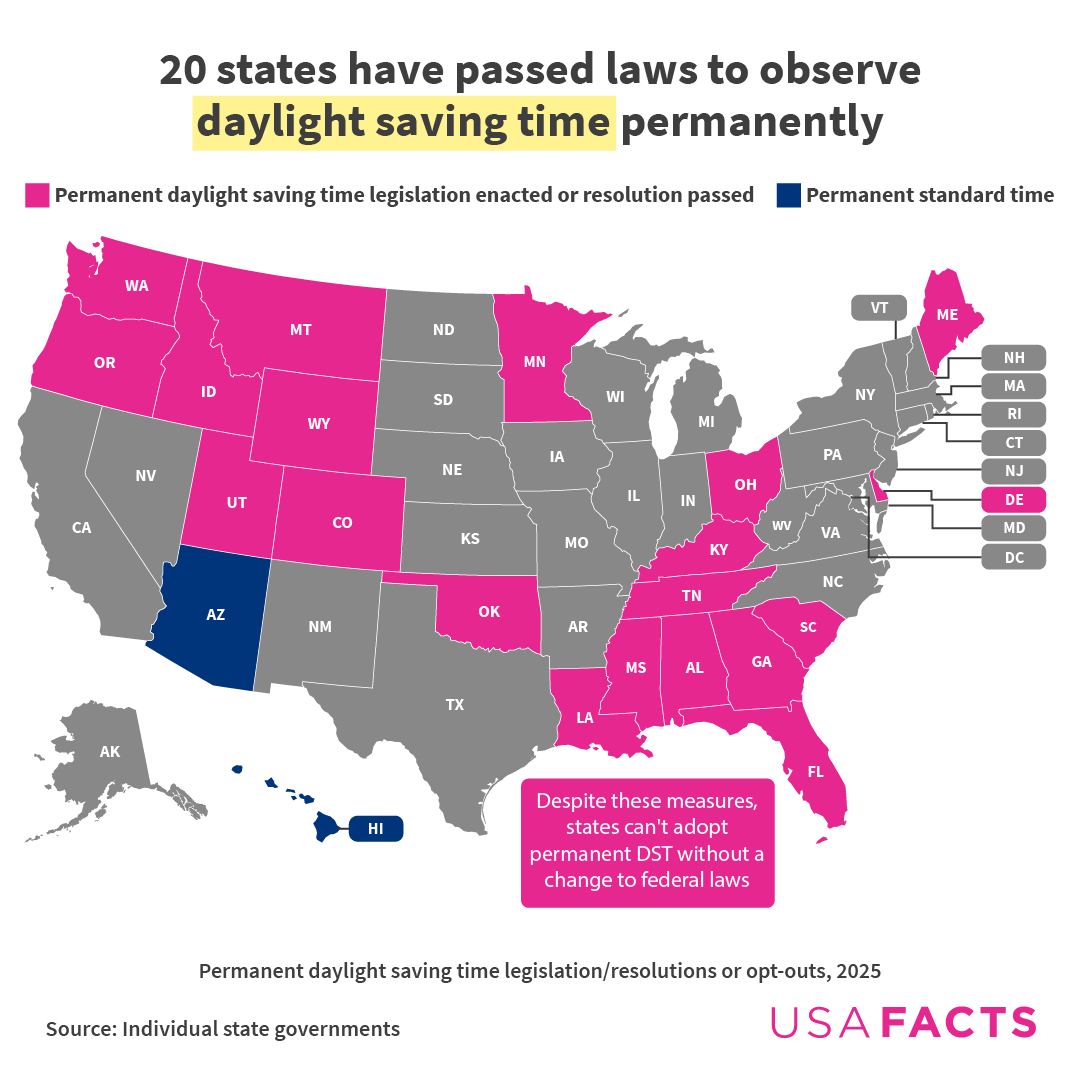
For anyone planning a visit or considering a move to the Grand Canyon State, one of the most common and often confusing questions revolves around time: “Does Arizona do Daylight Saving Time?” The straightforward answer is no, with one significant exception that adds an intriguing layer to the state’s timekeeping. For the most part, mainland Arizona observes Mountain Standard Time (MST) year-round, never adjusting its clocks for DST. This unique stance sets it apart from nearly all other states in the United States and has considerable implications for travel, tourism, and daily lifestyle within its borders.
Understanding this temporal peculiarity is crucial for seamless travel planning, especially when coordinating flights, hotel check-ins, or embarking on guided tours to some of Arizona’s world-renowned landmarks. Whether you’re seeking luxury travel experiences in Scottsdale, a budget travel adventure through Saguaro National Park, or a memorable family trip to the Grand Canyon National Park, being “in the know” about Arizona’s time habits will elevate your entire experience.
The Straight Answer: Arizona’s Unique Stance on DST
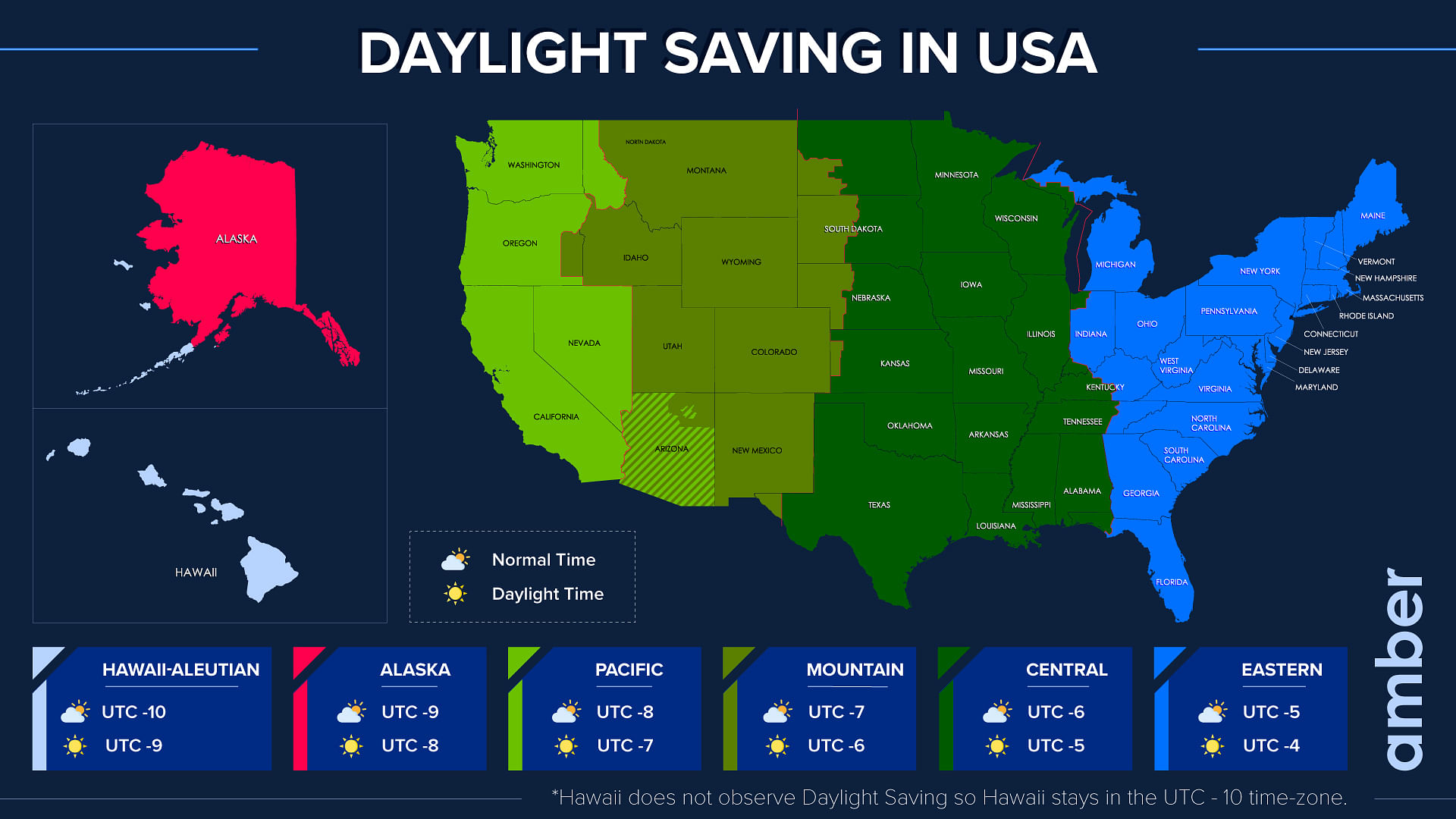
The vast majority of Arizona does not observe Daylight Saving Time. This means that from March to November, when most of the United States “springs forward” by an hour, Arizona remains on Mountain Standard Time. Consequently, during this period, Arizona effectively operates on the same time as Pacific Daylight Time (PDT), aligning itself with states like California and Nevada. However, once the rest of the country “falls back” in November, Arizona then reverts to being one hour behind PDT, aligning with the standard time of the Mountain Time Zone states like Colorado, Utah, and New Mexico. This consistent, year-round schedule is a defining characteristic of life and travel in the state.
A Historical Perspective: Why Arizona Opted Out
Arizona’s decision to forego Daylight Saving Time wasn’t a snap judgment but a well-considered choice rooted in practical considerations and a vote in the late 1960s. The state experimented with DST for a brief period in 1967, but the experience was largely unfavorable. Prior to 1967, individual communities had the option to observe DST, creating a patchwork of different times across the state which was inefficient and confusing. When the Uniform Time Act of 1966 mandated DST nationwide, it allowed states to opt out by passing a state law. Arizona officially opted out in 1968, making it one of only two states (the other being Hawaii) that do not observe the practice.
The reasons behind this decision are deeply intertwined with Arizona’s unique climate and lifestyle. The idea of “saving daylight” primarily benefits regions that seek to extend usable daylight into the evening during cooler months. However, Arizona, particularly its southern half including major destinations like Phoenix and Tucson, experiences intensely hot summers.
The Climate Factor: More Sunshine, Less Need
Imagine an already sweltering summer day in Phoenix, where temperatures frequently soar above 100°F (38°C) and can often reach 115°F (46°C). If Arizona were to observe Daylight Saving Time, the sun would set an hour later. This would mean that the hottest part of the day would be prolonged even further into the evening, increasing the demand for air conditioning and potentially exacerbating energy consumption during peak hours. For a state that already grapples with extreme heat, adding an extra hour of punishing evening sun would be counterproductive and uncomfortable for residents and travelers alike.
Instead, by sticking to Mountain Standard Time year-round, the sun sets an hour earlier during the summer months compared to if DST were observed. This allows for cooler evenings to begin sooner, encouraging outdoor activities and providing a much-needed reprieve from the daytime heat. It aligns better with the natural rhythms of life in the desert, where early mornings and late evenings are often the most pleasant times for work and recreation. This choice also contributes to Arizona’s distinct local culture, where residents have adapted their daily routines to best utilize the available light and manage the heat.
Navigating Time in the Grand Canyon State: What Travelers Need to Know
For travelers embarking on an Arizona adventure, understanding the state’s unique time zone situation is paramount. It’s not just a trivial detail; it can impact everything from catching your flight to making your reservation at a top restaurant or ensuring you arrive on time for a coveted tour. While local residents are accustomed to this rhythm, visitors often find themselves momentarily confused, especially those arriving from states that do observe Daylight Saving Time.
Planning Your Arizona Itinerary: Time Zone Considerations
When Daylight Saving Time is in effect (roughly from mid-March to early November), Arizona effectively mirrors Pacific Daylight Time. This means that if you’re flying into Phoenix Sky Harbor International Airport from Los Angeles or Las Vegas, there’s no time change to contend with during those months. However, if you’re coming from Denver or Salt Lake City (which observe Mountain Daylight Time), you’ll gain an hour when you arrive in Arizona.
Conversely, outside of DST (from early November to mid-March), Arizona is on Mountain Standard Time and is one hour ahead of Pacific Standard Time. During this period, Arizona aligns with Colorado, Utah, and New Mexico. This constant shift in relative time zones requires travelers to be vigilant. Always double-check your itinerary, flight times, and reservation confirmations, paying close attention to whether times are listed in local Arizona time, your departure time zone, or a universal time. Setting your mobile devices to update time zones automatically is highly recommended.
Impact on Travel and Tourism: From Phoenix to the Grand Canyon
The lack of Daylight Saving Time in most of Arizona has a subtle yet pervasive influence on tourism. Major urban destinations like Phoenix, Scottsdale, and Tucson benefit from a consistent schedule for their vast array of attractions, hotels, and resorts. When planning to visit museums, botanical gardens, or attend events, their operating hours remain unchanged throughout the year relative to local time.
For those venturing into Arizona’s natural wonders, such as the Grand Canyon National Park (South Rim), Sedona’s red rock formations, or the Petrified Forest National Park, the consistency of Mountain Standard Time simplifies logistics. Sunrise and sunset times will shift throughout the year, but the clock itself does not. This is particularly useful for planning hikes, photo opportunities, and guided experiences that rely on natural light. Always consult specific travel guides or park websites for the most current operating hours, especially during seasonal changes.
The Navajo Nation Exception: A Time Island Within a Time Island
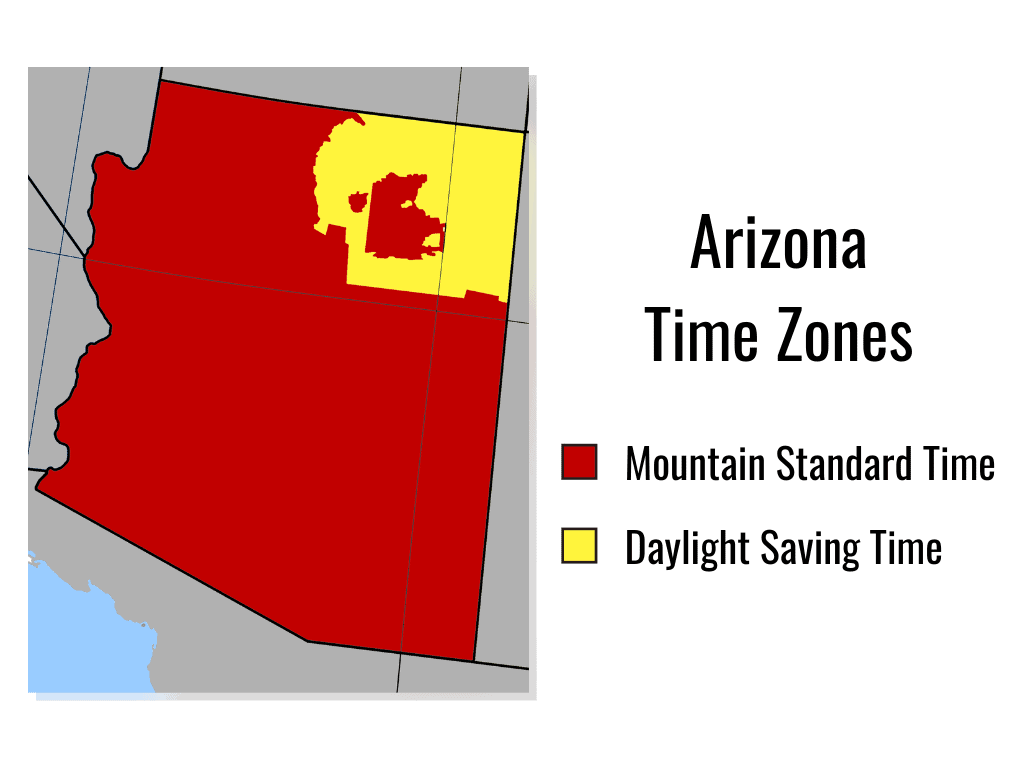
Here’s where the Arizona time puzzle gains another layer of complexity. While the majority of the state rejects Daylight Saving Time, the vast Navajo Nation, which spans parts of northeastern Arizona, New Mexico, and Utah, does observe DST. This decision is largely attributed to its interstate boundaries, where alignment with neighboring states simplifies governance and commerce for the Native American territory.
Understanding the Navajo Nation Time Zone
When the rest of Arizona remains on Mountain Standard Time from March to November, the Navajo Nation “springs forward” and observes Mountain Daylight Time (MDT). This means that during these months, the Navajo Nation is one hour ahead of the rest of Arizona.
To further complicate matters, the Hopi Reservation, which is entirely surrounded by the Navajo Nation, does not observe Daylight Saving Time. So, if you were to drive from a non-DST part of Arizona into the Navajo Nation, you’d set your clock forward an hour. If you then drove through the Hopi Reservation (which is within the Navajo Nation), you’d set it back an hour. And then, upon re-entering the Navajo Nation on the other side of the Hopi Reservation, you’d move it forward an hour again! This “time warp” can be a source of confusion, even for seasoned travelers and locals.
Practical Tips for Visiting Navajo Nation Attractions
For visitors planning to explore world-famous attractions located within the Navajo Nation, such as Antelope Canyon, Monument Valley, or Canyon de Chelly National Monument, understanding these time differences is critical. Tours, particularly those to Antelope Canyon which often depart from Page, will operate on Navajo Nation time, not mainland Arizona time during DST months. Missing a pre-booked tour due to a time zone miscalculation can be a frustrating and costly mistake.
Here are some essential tips:
- Always Confirm: When booking tours or accommodations within the Navajo Nation, explicitly confirm the local time they operate on.
- Watch for Signs: As you approach and enter the Navajo Nation, you’ll often see signs reminding you to adjust your clocks.
- Manual Adjustment: While automatic time updates on phones are usually reliable, consider manually adjusting your clock when crossing into the Navajo Nation to avoid any glitches, especially if your device struggles with the subtle border changes.
- Buffer Time: Allow extra travel time when journeying between non-DST Arizona and the Navajo Nation, especially if you have a tight schedule for tours or check-ins.
Beyond the Clock: How Perpetual Standard Time Shapes Arizona Living and Experiences
The decision to remain on Mountain Standard Time year-round isn’t just a matter of convenience; it profoundly influences the daily lifestyle and the entire visitor experience in Arizona. It contributes to the state’s unique charm and distinguishes it from many other destinations.
Daily Life and Accommodation: Booking Hotels and Resorts
For residents, the consistency of no Daylight Saving Time means no twice-yearly disruption to sleep schedules, school buses, or work routines. This eliminates the “spring forward” hour of lost sleep and the “fall back” hour of artificial gain, contributing to a smoother daily flow.
For travelers looking for accommodation, whether it’s suites in Phoenix, apartments in Flagstaff, or villas in Scottsdale, the consistent time means that check-in and check-out times, as well as the schedule of on-site amenities and activities at hotels and resorts, remain stable. This simplifies booking and coordination. However, during the months when other states are observing DST, guests arriving from those areas might experience a slight initial disorientation, feeling either an hour “ahead” or “behind” their internal clocks until they adjust. When reading reviews or doing price comparison for your stay, keep the time zone in mind if time-sensitive plans are involved. For those on a long-term stay or business stay, the absence of DST can be a welcome simplification.
Lifestyle and Local Culture: Enjoying Arizona’s Unique Charm
The consistent time is more than just a logistical detail; it’s woven into Arizona’s local culture. Summer evenings might feel longer, allowing for more time to enjoy outdoor patios, evening strolls, or stargazing after the sun has set and the intense heat has dissipated. This contributes to the relaxed, sun-drenched vibe that many associate with the state. Activities like hiking, golfing, and exploring outdoor nature are typically planned for early mornings or late afternoons to avoid the midday sun, a routine that benefits from the consistent clock.
From savoring local food at an authentic Tucson eatery to marveling at the unique architecture in Sedona, every aspect of your visit is subtly influenced by this temporal consistency. It means that when you arrange to meet for dinner or plan an afternoon excursion, you don’t have to second-guess whether clocks have changed. This simplicity is one of the many tips seasoned Arizona travelers appreciate.
Concluding Thoughts: Embracing Arizona’s Timeless Allure
In conclusion, the answer to “Does Arizona do Daylight Saving Time?” is generally no, with the notable exception of the Navajo Nation. This unique timekeeping system is a fascinating facet of the state’s identity, driven by its scorching climate and historical preferences. For travelers, it’s a detail worth remembering, ensuring smooth transitions and punctual arrivals for all your Arizona experiences.
Whether you’re exploring the majestic Grand Canyon, immersing yourself in the vibrant arts scene of Scottsdale, or discovering the ancient history within the Navajo Nation, a clear understanding of Arizona’s time zones will enhance your trip. This characteristic, rather than being a hindrance, adds to the state’s distinct allure, inviting visitors to slow down, adjust, and fully embrace the sun-drenched, timeless beauty of the Southwest. Plan wisely, set your clocks, and get ready to enjoy everything that this incredible destination has to offer.
LifeOutOfTheBox is a participant in the Amazon Services LLC Associates Program, an affiliate advertising program designed to provide a means for sites to earn advertising fees by advertising and linking to Amazon.com. Amazon, the Amazon logo, AmazonSupply, and the AmazonSupply logo are trademarks of Amazon.com, Inc. or its affiliates. As an Amazon Associate we earn affiliate commissions from qualifying purchases.