
Florida, with its sun-drenched beaches, vibrant cities, and world-renowned attractions, is a premier travel destination for millions worldwide. However, the state is also known for its susceptibility to hurricanes, a natural phenomenon that can significantly impact travel plans and experiences. Understanding Florida’s hurricane season and how to navigate it is crucial for any traveler planning a trip to the Sunshine State. This guide delves into the specifics of hurricane activity, offering invaluable insights for optimizing your travel during hurricane season and ensuring a safe, enjoyable visit.
Understanding Florida’s Hurricane Season
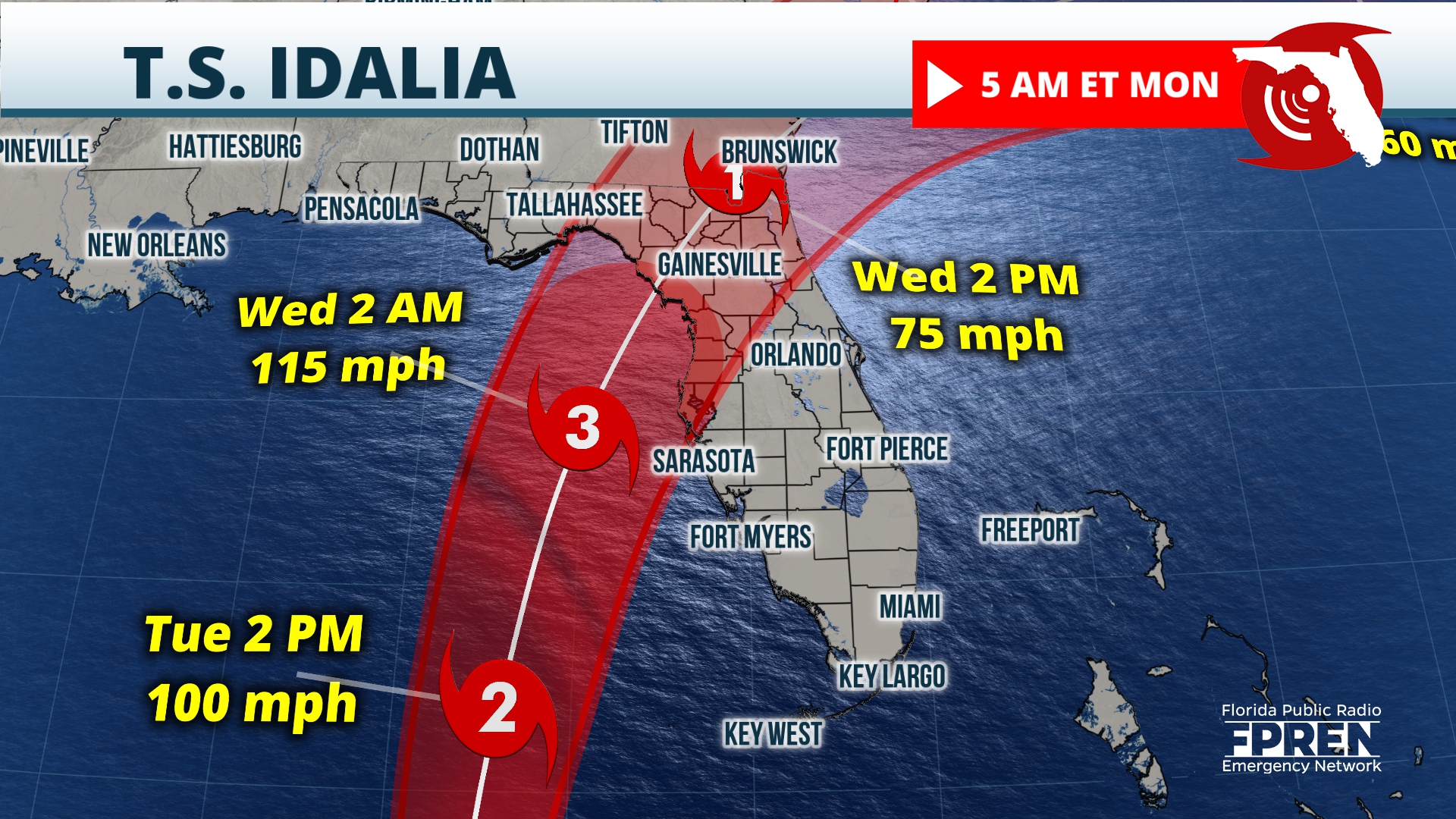
Florida’s geographical position, bordered by the Atlantic Ocean to the east and the Gulf of Mexico to the west, makes it particularly vulnerable to tropical cyclones. These powerful storms are part of an annual cycle known as hurricane season.
The Official Hurricane Season Dates
The official Atlantic hurricane season runs from June 1st to November 30th each year. While storms can form outside of these dates, the vast majority of hurricane activity occurs within this six-month window. The peak of the season typically falls between mid-August and late October, when ocean waters are warmest, providing the necessary energy for these systems to develop and intensify.
Historical Context and Frequency
Florida has a long history with hurricanes, ranging from minor tropical storms to devastating major hurricanes. While the probability of any single location experiencing a direct hit in a given year is relatively low, travelers should always be prepared for the possibility. Historically, some years see multiple storms impact the state, while others pass with minimal disruption. The sheer size of Florida means that while one region, such as Miami on the Atlantic Coast, might be bracing for a storm, another area like Sarasota on the Gulf Coast might remain unaffected. Staying informed about localized forecasts is key.
Travel Planning During Hurricane Season
Traveling to Florida during hurricane season is not inherently risky, but it does require a more thoughtful approach to planning. Many travelers continue to visit during these months, often benefiting from lower prices and fewer crowds. However, it’s essential to be prepared for potential disruptions.
Weighing the Risks and Rewards
Rewards: Off-peak travel typically means better deals on flights, accommodations, and even attractions. Destinations like Orlando theme parks, which can be sweltering and crowded in July, might offer a more pleasant experience in early June or late November, provided no storms are brewing. The Florida Keys and popular beach towns like Clearwater Beach also see fewer visitors, allowing for a more relaxed experience.
Risks: The primary risk is, of course, a hurricane or tropical storm directly impacting your travel plans. This could lead to flight cancellations, hotel closures, mandatory evacuations, or simply prolonged periods of heavy rain and wind that prevent outdoor activities. Even indirect impacts, such as rough seas or localized flooding, can disrupt coastal excursions.
Flexible Booking Strategies
When booking your trip during hurricane season, prioritize flexibility. Look for:
- Flexible Cancellation Policies: Choose airlines and hotels that offer free changes or cancellations up to a certain point before your trip. Many providers recognize the unique challenges of hurricane season and offer more lenient policies during these months.
- Travel Insurance: This is perhaps the most crucial element for hurricane season travel. Ensure your policy covers trip cancellation/interruption due to weather events, especially hurricanes. Read the fine print carefully, as policies usually don’t cover events that have already been named or are imminent at the time of purchase.
- Direct Flights: If possible, opt for direct flights to minimize connections that could be disrupted if your initial flight or connecting airport is affected by weather. Cities like Tampa and Fort Lauderdale offer numerous direct routes.
Essential Preparations for Travelers
Beyond booking flexibility, proactive steps can significantly enhance your safety and peace of mind when traveling to Florida during hurricane season.
Monitoring Weather Forecasts
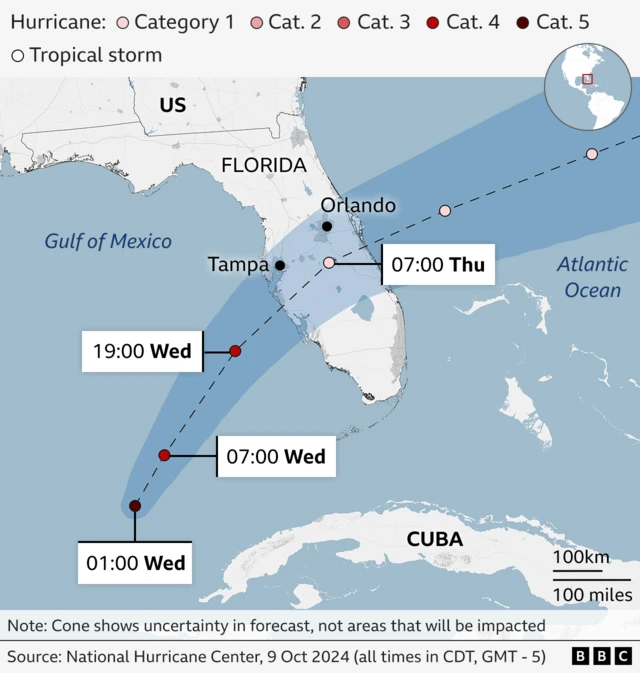
Staying informed is paramount. Before and during your trip, regularly check reputable weather sources. The National Hurricane Center (NHC) is the primary source for tropical cyclone forecasts and advisories in the Atlantic basin. Local news outlets and weather apps also provide real-time updates specific to your destination, whether it’s Jacksonville or Key West. Pay attention to advisories such as Tropical Storm Watches/Warnings and Hurricane Watches/Warnings, which indicate the increasing likelihood of severe weather.
Creating a Communication Plan
Ensure your travel party has a communication plan. Share itineraries, contact information, and meeting points in case you get separated. Inform family or friends outside Florida of your travel plans and how to reach you. Consider carrying a portable power bank for your mobile devices.
Packing Smart
Beyond your usual packing list, consider including:
- Rain gear: A waterproof jacket, umbrella, and waterproof shoes are essential.
- First-aid kit: Basic supplies for minor injuries.
- Important documents: Keep copies of passports, IDs, insurance policies, and booking confirmations in a waterproof bag.
- Emergency cash: ATMs might be unavailable during power outages.
- Prescription medications: Ensure you have enough for several extra days.
Navigating a Hurricane Threat While in Florida
If a hurricane threat develops while you are in Florida, knowing how to react responsibly is critical. The state has robust emergency management systems in place to ensure public safety.
Heeding Official Evacuation Orders
The most important rule is to always follow official instructions from local authorities. If an evacuation order is issued for your area, leave immediately. Do not delay, as roads can become congested, and services may be limited. Evacuation routes are well-marked, and information on shelters will be provided by local emergency management agencies. Understand that staying behind could put you and emergency responders at unnecessary risk.
Hotel and Accommodation Policies
Familiarize yourself with your hotel’s hurricane policy upon check-in. Many hotels in vulnerable areas have detailed plans for guests, including designated shelters, meal provisions during power outages, and information on local evacuation procedures. If you are staying in a vacation rental, confirm the owner’s or property manager’s emergency contact information and their hurricane preparedness plan. Many resorts, such as the Waldorf Astoria Orlando, have established protocols to ensure guest safety and comfort even during adverse weather.
Staying Safe During and After a Storm
If you are unable to evacuate and must shelter in place:
- Stay indoors: Move away from windows and glass doors.
- Monitor official updates: Use a battery-powered or hand-crank radio if power is lost.
- Conserve resources: Use water and battery power sparingly.
- After the storm: Do not venture out until authorities declare it safe. Be aware of downed power lines, standing water, and damaged structures. Avoid driving through flooded roads.
The Best Times to Visit Florida for Hurricane-Free Travel
For travelers who wish to minimize any hurricane-related concerns, planning your trip outside the official season is the safest bet.
Peak Season for Avoiding Hurricanes
The ideal times to visit Florida for reliably pleasant weather and minimal hurricane risk are December through May.
- Winter (December-February): Offers cooler temperatures, especially in northern and central Florida, perfect for exploring cities like St. Augustine or enjoying the theme parks without intense heat. Southern Florida remains pleasantly warm.
- Spring (March-May): Generally brings warm, sunny days with lower humidity and very low chances of tropical weather. This period is highly popular, especially around Spring Break, so booking in advance is advisable.

Considerations for Off-Peak Season Travel
While the official hurricane season ends on November 30th, the chances of a storm decrease significantly after October. Early December and late May can be excellent shoulder-season options, offering a balance of good weather, fewer crowds, and potentially better prices compared to the peak winter and spring months. These periods often represent the sweet spot for travelers seeking a quieter experience without the direct hurricane threat.
Ultimately, a trip to Florida during hurricane season can be a wonderful and rewarding experience, provided you approach it with careful planning, vigilance, and flexibility. By understanding the risks, making smart choices, and staying informed, you can ensure your Florida adventure is safe, enjoyable, and memorable.
LifeOutOfTheBox is a participant in the Amazon Services LLC Associates Program, an affiliate advertising program designed to provide a means for sites to earn advertising fees by advertising and linking to Amazon.com. Amazon, the Amazon logo, AmazonSupply, and the AmazonSupply logo are trademarks of Amazon.com, Inc. or its affiliates. As an Amazon Associate we earn affiliate commissions from qualifying purchases.