
Planning a trip to the Sunshine State often involves visions of warm beaches, endless sun, and balmy evenings. But for many travelers, the allure of Florida isn’t just about escaping winter, but about finding that “just right” temperature for comfortable exploration and enjoyment. The question of “when it will start to get cold” in Florida is more nuanced than one might think, especially for those accustomed to true four-season climates. Understanding Florida’s unique seasonal shifts is key to timing your visit for the perfect travel experience.
Understanding Florida’s Unique Climate for Your Travel Plans
Florida is predominantly characterized by a subtropical climate in its northern and central regions, transitioning to a tropical climate in the southern tip, including destinations like the Florida Keys. This geographical positioning means that “cold” is a relative term. Unlike many northern states, Florida doesn’t experience a traditional autumn with crisp air and changing leaves, nor does it typically endure harsh, snowy winters. Instead, its cooler months are marked by a pleasant reduction in humidity and more moderate temperatures, offering a welcome respite from the intense summer heat.

The state’s climate is heavily influenced by its proximity to both the Atlantic Ocean and the Gulf of Mexico, which help to moderate temperatures year-round. While summers are long, hot, and humid, often punctuated by afternoon thunderstorms, the cooler season brings drier air and more consistent sunshine. For travelers, this means that selecting the right time to visit can drastically alter the nature of their trip – from high-energy theme park adventures to serene beach getaways or active outdoor explorations. Knowing when the “cold” (or more accurately, the comfortably cool) weather arrives is crucial for packing appropriately, booking activities, and even navigating crowds, as these cooler months often coincide with the state’s peak tourist season.
The Seasonal Shift: Decoding Florida’s Autumn and Winter
The transition from the long, hot summer to Florida’s version of “cold” weather is a gradual process that truly begins to manifest in the later months of the year.
September and October: The Transition Months
While calendar autumn begins in September, Florida in these months still feels very much like summer. Daytime temperatures typically remain in the high 80s Fahrenheit (around 30-32°C), with high humidity persisting, especially in September. Evenings may offer a slight reprieve, but it’s still warm. October begins to show subtle signs of change, particularly towards the latter half of the month. Humidity levels start to decrease, and while daytime highs might still reach the low to mid-80s (28-30°C), the evenings and early mornings become noticeably milder, often dipping into the low 70s or high 60s Fahrenheit (20-23°C). These months are still within hurricane season, a factor travelers should consider, though the probability of direct impact lessens towards the end of October. For those who enjoy fewer crowds and slightly less intense heat, late October can be an excellent time to visit for beach activities or theme park excursions before the full rush of winter visitors.
November: The True Beginning of Cooler Weather
November is often when Florida finally starts to feel “cold” to its residents and truly comfortable for visitors seeking cooler temperatures. The shift is distinct, especially after the first few cold fronts sweep through the state. Average daytime temperatures across much of Florida settle into the mid-70s Fahrenheit (24-26°C), with overnight lows often falling into the 50s and low 60s (10-17°C). The humidity drops significantly, creating pleasant, dry air. This is when outdoor activities become genuinely enjoyable without the overwhelming heat and stickiness of summer. Destinations like Orlando for theme parks, or coastal cities like Tampa and St. Petersburg for cultural exploration, are particularly delightful in November. It marks the unofficial start of the high season for tourism, as snowbirds begin to arrive and holiday travelers plan their escape from colder northern climates.
December, January, and February: Florida’s “Winter” Peak
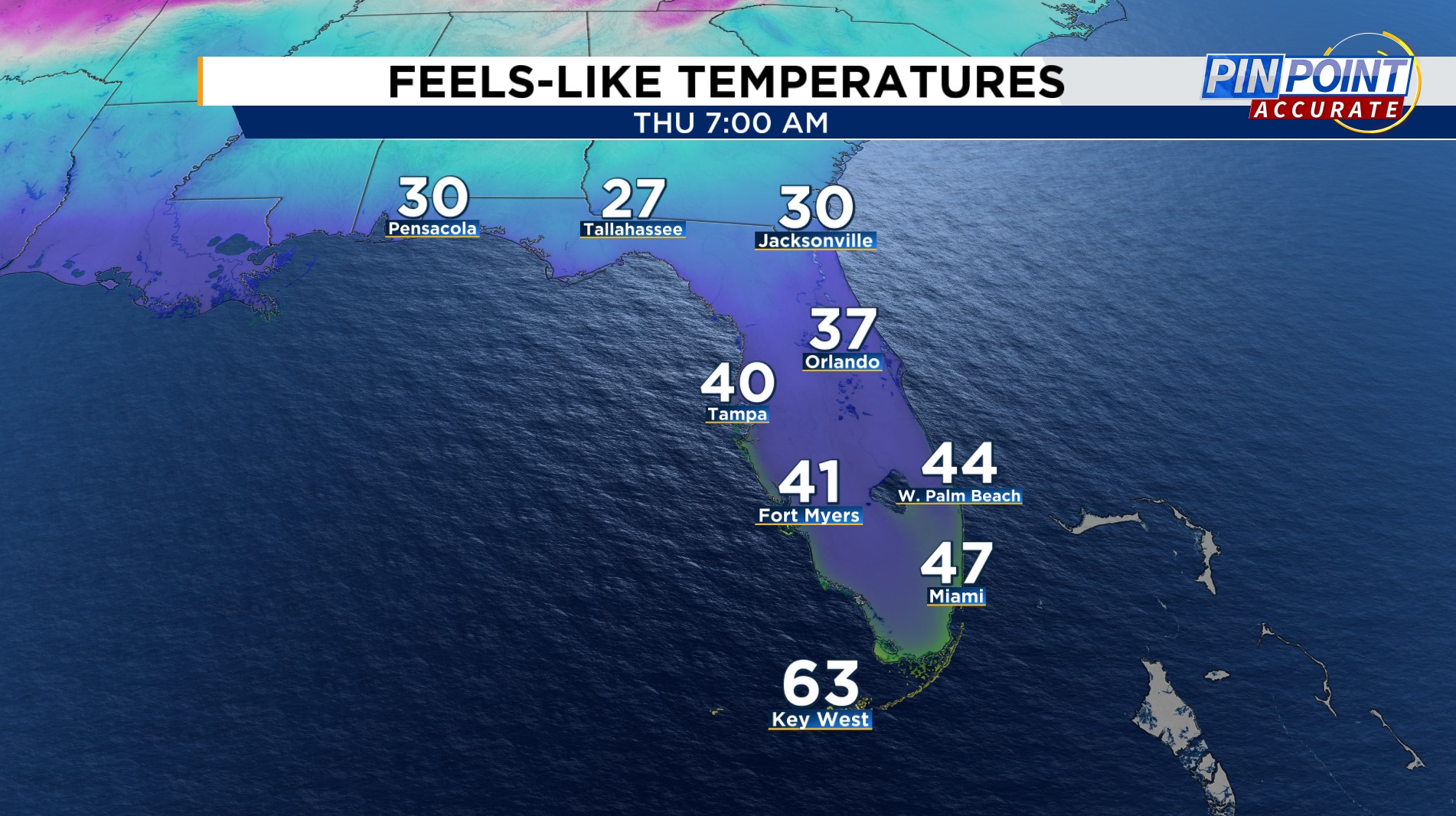
The period from December through February represents Florida’s coolest and driest season. These are the months when the state experiences its lowest average temperatures.
- December: Expect average highs in the low 70s Fahrenheit (21-23°C) and lows in the 50s (10-15°C) across central and northern Florida. Southern Florida, including Miami and the Florida Keys, remains warmer, with daytime highs often in the mid-70s (24-26°C).
- January: Often the coldest month, January can see occasional cold snaps that bring temperatures down significantly, especially in the northern Panhandle region, where overnight lows can dip into the 30s Fahrenheit (below 5°C). Central Florida may experience mornings in the 40s (5-9°C), while southern parts stay milder.
- February: Similar to January, February continues the trend of cool, dry weather, gradually warming towards the end of the month as spring approaches.
During these peak winter months, while a light jacket or sweater is often sufficient during the day, heavier outerwear might be needed for evenings, especially in northern and central Florida. Swimmers might find the ocean a bit chilly unless they are in the far southern reaches of the state, though heated pools are ubiquitous. This period is also the busiest for tourism, meaning higher prices and larger crowds at popular attractions.
Tailoring Your Florida Travel Experience to the Temperature
Understanding Florida’s climate patterns allows travelers to perfectly tailor their visit to their desired activities and comfort levels.
For Sun-Seekers and Beach Enthusiasts
If your primary goal is basking in warmth and swimming in the ocean, the cooler months (late November through February) still offer plenty of sunshine. However, for consistent ocean swimming comfort, focusing your travel on South Florida destinations like Miami, Fort Lauderdale, or the Florida Keys is advisable. These areas maintain warmer average temperatures and consequently, warmer ocean water, even in the heart of winter. Beaches along the Gulf Coast in places like Sarasota or Naples can still be delightful for sunbathing, but sea temperatures will be noticeably cooler than in summer. For those who prioritize very warm ocean water, visiting in May or early June, before the peak humidity and intense heat of summer, might be a better option.
For Theme Park Adventurers and Outdoor Explorers
The cooler, drier months from November to April are unequivocally the best time for visiting Orlando’s world-renowned theme parks like Walt Disney World Resort and Universal Studios Florida. The reduced heat and humidity make long days of walking and queuing infinitely more comfortable. Similarly, exploring Florida’s diverse natural landscapes becomes a true pleasure during this period. Everglades National Park offers prime wildlife viewing as lower water levels concentrate animals, and the absence of oppressive heat makes airboat tours and hiking trails much more pleasant. State parks like Myakka River State Park near Sarasota or those along the Waccasassa Bay Preserve State Park become perfect for kayaking, birdwatching, and enjoying the natural beauty without the sweltering conditions.
For Golfers and Festival Goers
Florida’s mild winter is a paradise for golfers. Courses from Jacksonville to Naples are in pristine condition, and the comfortable temperatures make for ideal rounds. Many major golf tournaments and events are scheduled during these cooler months. Beyond sports, Florida comes alive with a vibrant calendar of outdoor festivals, art shows, and cultural events from November through April. Cities like St. Petersburg, Miami, and Key West host numerous events that take full advantage of the agreeable weather, offering everything from food and wine festivals to music concerts and art fairs. Attending these events is a quintessential Florida experience best enjoyed when the air is crisp and comfortable.

Packing Smart: What to Expect and How to Prepare
When planning a trip to Florida during its cooler months, the key is layering and checking forecasts close to your travel date. While days can be gloriously sunny and warm enough for shorts and t-shirts, particularly in southern Florida, evenings often require a light jacket or sweater. In central Florida (e.g., Orlando, Kissimmee) and northern Florida (e.g., Jacksonville), a medium-weight jacket or a warm sweater, especially for December, January, and February, is a smart addition to your luggage.
Be prepared for potential cold fronts. While rare, these can cause temperatures to dip into the 40s or even 30s Fahrenheit (below 10°C) for a few days, particularly in central and northern Florida. Therefore, including one outfit with warmer layers, such as long pants and a slightly heavier top, will ensure comfort regardless of unexpected weather shifts. Don’t forget sunscreen and sunglasses, even in winter; the Florida sun remains strong year-round. By packing versatile clothing and staying informed about the local forecast, you can fully embrace the refreshing “cold” weather that makes Florida a unique and highly desirable travel destination during the cooler half of the year.
LifeOutOfTheBox is a participant in the Amazon Services LLC Associates Program, an affiliate advertising program designed to provide a means for sites to earn advertising fees by advertising and linking to Amazon.com. Amazon, the Amazon logo, AmazonSupply, and the AmazonSupply logo are trademarks of Amazon.com, Inc. or its affiliates. As an Amazon Associate we earn affiliate commissions from qualifying purchases.