
Travelers eyeing the Sunshine State often wonder about the timing of tropical storms, a valid concern given Florida’s geographical position. While no one can predict the precise moment a hurricane will make landfall, understanding the state’s hurricane season, historical patterns, and essential preparedness strategies can transform potential anxiety into informed planning, ensuring a resilient and enjoyable travel experience. Florida remains one of the world’s most beloved destinations, drawing millions with its pristine beaches, vibrant cities, and world-class attractions, even amidst its hurricane vulnerability.
Understanding Florida’s Hurricane Season
The official Atlantic Hurricane Season runs annually from June 1st to November 30th. During this six-month window, conditions in the tropical Atlantic Ocean, the Caribbean Sea, and the Gulf of Mexico are conducive to the formation and intensification of tropical cyclones. For travelers, this period means a heightened awareness is prudent, though it’s crucial to remember that direct hurricane impacts are relatively infrequent and localized.
Peak Times and Historical Trends
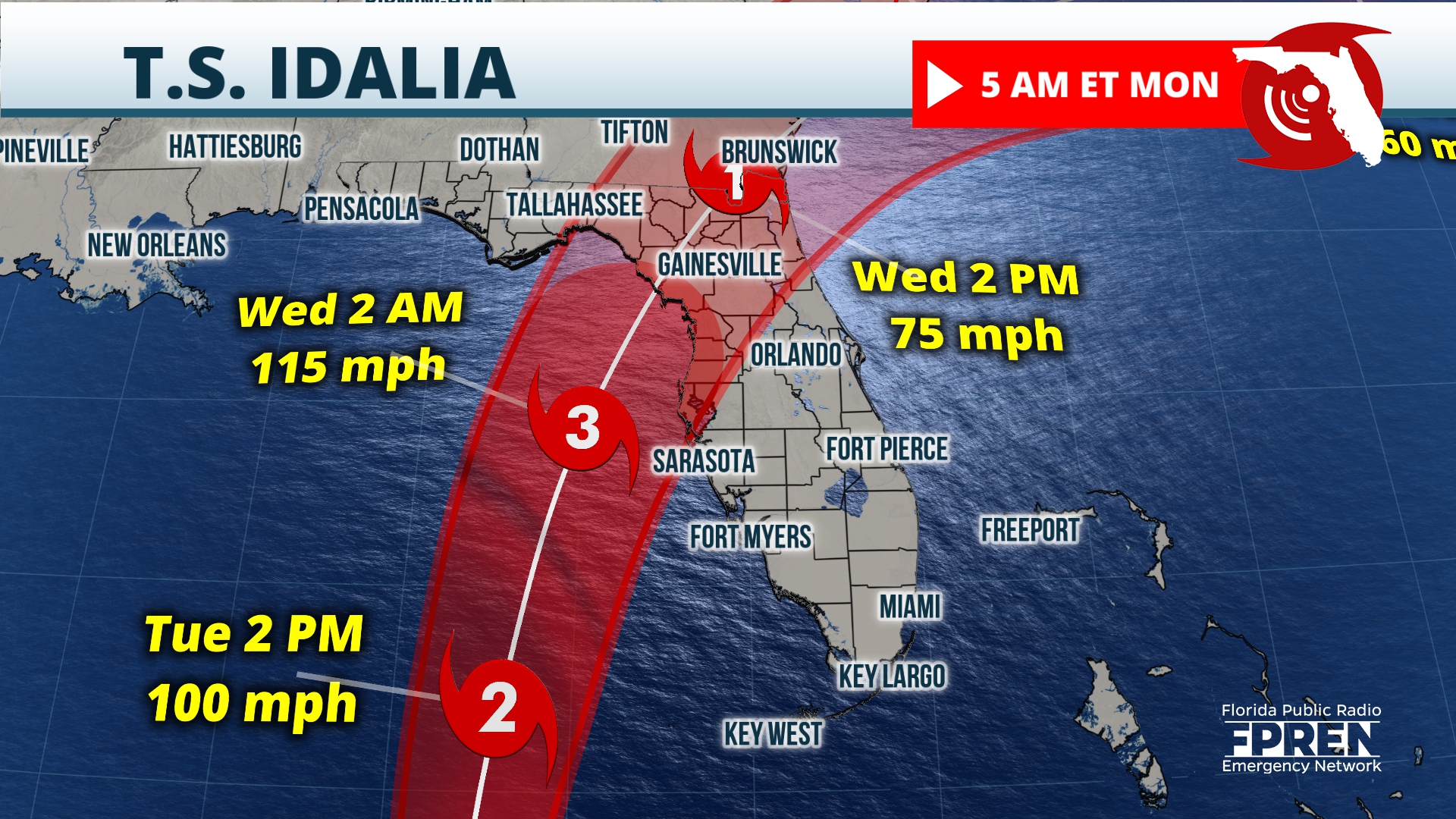
While the season spans half the year, activity typically ramps up from late August through October. September, in particular, often registers the highest number of named storms and hurricanes. This peak coincides with the warmest ocean temperatures and the most favorable atmospheric conditions for storm development. Historically, Florida has experienced major hurricane impacts during this window, notably events like Hurricane Andrew in August 1992 and Hurricane Irma in September 2017.
It’s also important to note that while the entire state is susceptible, different regions can experience varying levels of risk. The southern peninsula, including popular spots like Miami and the Florida Keys, and the Panhandle region, extending into the Gulf of Mexico, have historically seen a higher frequency of direct landfalls. However, any part of the state, from Jacksonville in the northeast to Naples on the southwest coast, can be affected by hurricanes or their remnants.
Beyond the Calendar: Factors Influencing Storm Activity
Predicting the intensity and number of storms in a given season involves complex atmospheric and oceanic dynamics. Factors like the El Niño-Southern Oscillation (ENSO) cycle play a significant role. During El Niño years, increased wind shear across the Atlantic can suppress hurricane activity. Conversely, during La Niña years, reduced wind shear often leads to more active hurricane seasons. Sea surface temperatures are another critical factor; warmer waters provide more fuel for developing storms. Climate change is also believed to be influencing storm intensity and rainfall amounts, making robust preparedness even more vital for travelers.
Preparing Your Florida Travel Plans
Traveling to Florida during hurricane season doesn’t mean canceling your trip altogether. It means adopting a more strategic approach to planning and booking, prioritizing flexibility and protective measures.
Flexibility is Key: Booking and Cancellation Policies
When booking flights, accommodations, and activities during hurricane season, always review the cancellation and rebooking policies carefully. Many airlines and hotels offer more flexible options during this period, sometimes allowing fee-free changes if a hurricane watch or warning is issued for your destination or departure city. Consider booking directly with hotels and airlines, as third-party sites may have different, sometimes stricter, policies. Look for options that explicitly state “hurricane guarantees” or offer generous cancellation windows. This flexibility can be a traveler’s best friend, allowing for adjustments without significant financial loss.
Travel Insurance: Your Essential Safeguard
Perhaps the most crucial step for any traveler heading to Florida during hurricane season is purchasing comprehensive travel insurance. Not all policies are created equal, so it’s vital to read the fine print. Ensure your policy covers trip interruption, trip cancellation, and emergency medical evacuation due to adverse weather conditions. Pay close attention to the “named storm” clause; many policies require a storm to be named before you purchase the insurance for it to be covered. Buying travel insurance well in advance of the season, or at least before any storm is named, is generally recommended. This can protect your investment if your trip is delayed, diverted, or canceled due to a hurricane, or if you need to evacuate.
Staying Informed: Reliable Weather Sources

Staying updated on weather forecasts is paramount. Rely on official sources such as the National Hurricane Center (NHC), part of the National Oceanic and Atmospheric Administration (NOAA). These agencies provide accurate, real-time information on storm paths, intensity, and potential impacts. Local news outlets in Florida are also excellent resources for specific county-level advisories and emergency instructions. Many hotels and resorts have their own internal communication systems to keep guests informed, so inquire about these upon check-in. Avoid sensationalized or unverified social media reports, which can often cause unnecessary panic.
Navigating a Potential Storm During Your Trip
Even with the best planning, a storm could develop or shift direction during your stay. Knowing what to do in such a scenario is vital for your safety and peace of mind.
Local Emergency Protocols and Resources
Upon arrival, familiarize yourself with local emergency plans. Hotels typically have protocols in place for severe weather, including designated safe areas, emergency supplies, and evacuation procedures. Pay attention to any instructions from hotel staff or local authorities. Florida’s counties have robust emergency management systems. Websites for county emergency operations centers (EOCs) often provide real-time updates and critical information. Organizations like the Federal Emergency Management Agency (FEMA) also offer valuable resources and guidance.
Evacuation Routes and Shelters
If an evacuation order is issued for your area, comply immediately. Florida has well-defined evacuation routes, often marked with blue signs, designed to funnel traffic safely away from coastal and low-lying areas. Understand that these routes can become congested, so early departure is always advisable. Shelters are also designated by county emergency management, offering a safe haven for residents and visitors. These may include public schools or community centers. It’s important to research these locations in advance, especially if you have specific needs or pets.
Communication Strategies
Ensure your cell phone is fully charged and consider carrying a portable power bank. Have a written list of important phone numbers, including family contacts, your hotel, airline, and insurance provider, in case digital access is lost. Let family or friends know your travel plans and check-in regularly. If power outages occur, cell service might be intermittent, so alternative communication methods like text messages, which often require less bandwidth, might be more reliable.
Post-Storm Travel Considerations
If a storm passes through Florida, its aftermath can affect travel plans for days or even weeks. Patience and informed decision-making are paramount.
Assessing Damage and Reopening Status
After a hurricane, areas can experience significant damage to infrastructure, including roads, power lines, and essential services. Airports, ports, and ground transportation might be suspended. Before attempting to travel to or from an affected area, verify the operational status of transportation hubs and the accessibility of your destination. Official tourism boards, such as Visit Florida, and local chambers of commerce provide updates on attraction reopenings, hotel availability, and road conditions. Popular theme parks like Walt Disney World Resort and Universal Orlando Resort, though inland, have detailed storm plans and typically communicate their operating status clearly.
Supporting Local Recovery Efforts
If you find yourself in Florida after a storm, consider how you can support the local community. Spending money at reopened businesses, dining at local restaurants, and engaging in local activities contribute directly to economic recovery. Many communities depend heavily on tourism, and your continued patronage, once it’s safe and appropriate to travel, helps them rebuild and thrive. Volunteers are often needed for cleanup efforts, though travelers should only participate if they have the necessary skills and resources and if official organizations are coordinating such efforts.
Florida’s Resilience: Why Travelers Keep Returning
Despite the annual threat of hurricanes, Florida continues to be a top travel destination, and for good reason. The state boasts an unparalleled resilience, with communities and infrastructure designed to withstand and rapidly recover from storms. Its natural beauty, diverse attractions, and welcoming atmosphere consistently draw visitors back. By staying informed, planning proactively, and adopting a flexible mindset, travelers can confidently experience the magic of Florida, even during hurricane season, knowing they are prepared for whatever the weather may bring. The question of “when” remains uncertain, but the certainty of a well-prepared and memorable Florida adventure is entirely within a traveler’s control.
LifeOutOfTheBox is a participant in the Amazon Services LLC Associates Program, an affiliate advertising program designed to provide a means for sites to earn advertising fees by advertising and linking to Amazon.com. Amazon, the Amazon logo, AmazonSupply, and the AmazonSupply logo are trademarks of Amazon.com, Inc. or its affiliates. As an Amazon Associate we earn affiliate commissions from qualifying purchases.