
Traveling to Florida during hurricane season requires diligence and preparation, especially when a tropical storm threatens the state. The primary question on many travelers’ minds, “When will the tropical storm hit Florida?”, is not merely about timing but about understanding the potential impact on travel plans, safety, and overall experience. Navigating storm season, which officially runs from June 1st to November 30th, demands a proactive approach to ensure a smooth and safe journey.
Understanding Tropical Storm Threats and Travel Advisories
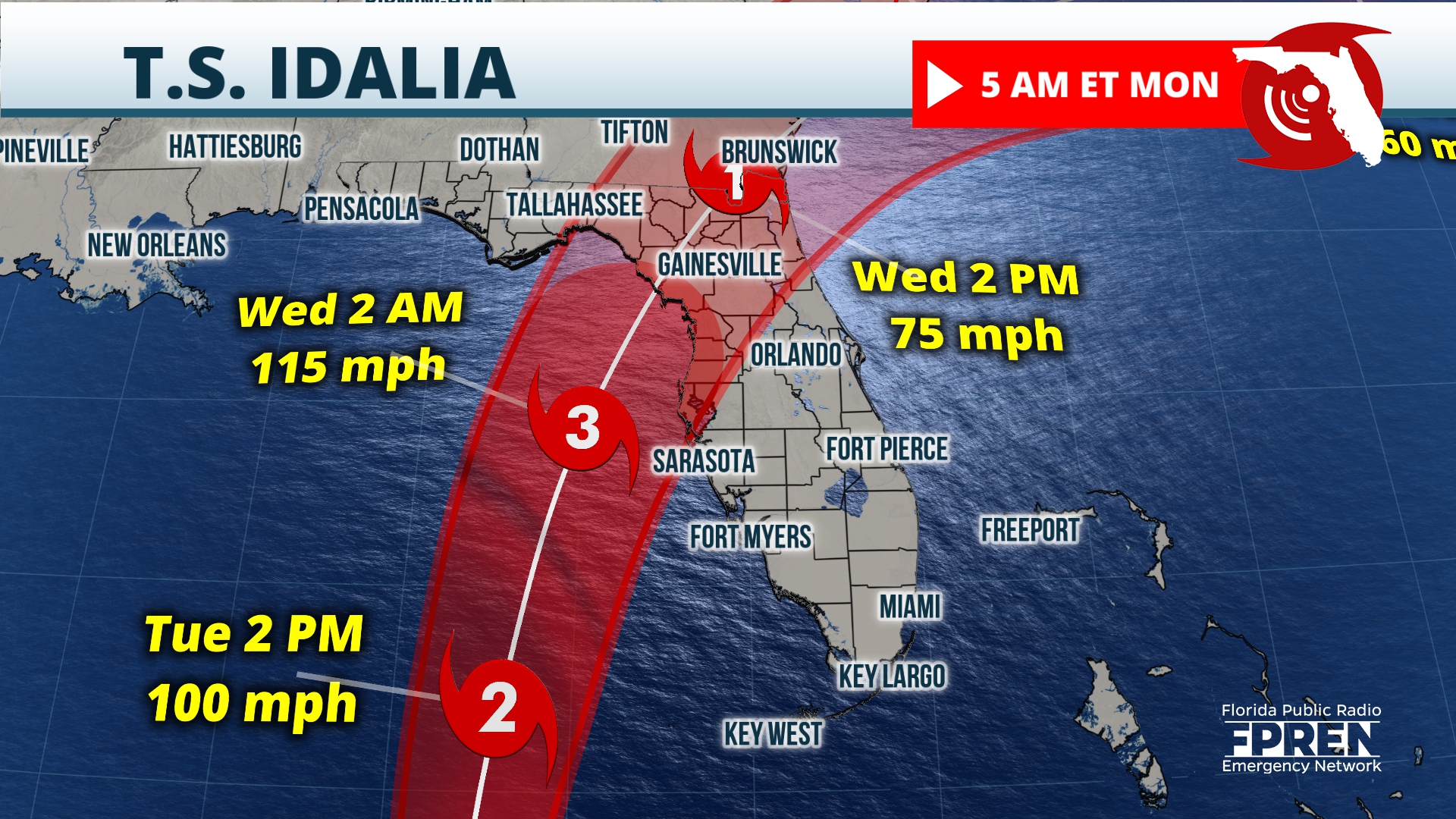
The timing and intensity of a tropical storm hitting Florida are dynamic, constantly evolving factors. For travelers, staying informed through official channels is paramount. The primary resources for tracking tropical systems are the National Hurricane Center (NHC) and the National Weather Service (NWS). These agencies provide detailed advisories, projected paths, wind speed forecasts, and potential rainfall amounts, which are critical for assessing travel risks.
Monitoring Official Weather Sources
The NHC issues Tropical Weather Outlooks, discussions, and specific storm advisories several times a day when a system is active. These reports indicate the probability of formation, current storm strength, and forecast cone of uncertainty. Travelers should bookmark the NHC website and sign up for alerts. Local NWS offices in Florida cities like Miami, Tampa, and Orlando also provide localized impact statements, including flood watches, warnings, and severe weather updates.
Interpreting Forecasts and Impact Zones
It’s crucial to understand that a storm’s forecast cone represents the probable track of its center, not the entire area of impact. Significant weather—heavy rains, strong winds, and storm surge—can extend far beyond this cone. Travelers planning trips to popular Florida destinations such as Orlando’s theme parks, the beaches of Miami Beach, or the tranquil Florida Keys must consider the potential for widespread disruption, even if the storm’s center is projected to pass some distance away. A tropical storm can bring dangerous rip currents to coastal areas, heavy rainfall leading to inland flooding, and gusty winds capable of downing trees and power lines, all of which pose significant risks to travelers.
Impact on Travel Logistics and Accommodation
When a tropical storm is forecast to approach Florida, the immediate concern for travelers shifts to the logistics of their journey: flights, road travel, cruises, and accommodation bookings. Airlines, hotels, and cruise lines have specific protocols and flexibility options during such events, but understanding these policies beforehand is key.
Air Travel Disruptions
Airlines are often the first to react to impending storms. They may issue travel waivers allowing passengers to change their flight dates or destinations without penalty. Major airports like Miami International Airport (MIA), Orlando International Airport (MCO), and Tampa International Airport (TPA) are typically monitored closely. Flights can be delayed, diverted, or outright canceled as a storm approaches, during its passage, and in the immediate aftermath due to safety concerns, airport closures, or operational disruptions. Travelers should constantly check their airline’s website, app, or contact them directly for the most current flight status updates. Airlines such as Delta, American Airlines, and Southwest Airlines typically post storm-related advisories prominently.
Road Travel and Evacuation Routes
Road conditions can rapidly deteriorate with heavy rainfall and strong winds, leading to flooding, downed trees, and debris. State and local authorities may issue mandatory evacuation orders for coastal or low-lying areas, which can cause significant traffic congestion on major highways. Travelers should heed these orders and plan their routes carefully, prioritizing safety over schedule. The Florida Department of Transportation (FDOT) provides real-time traffic information and emergency road closures. If traveling by car, ensure your vehicle is fueled and that you have a map and emergency supplies, as GPS reliance can be hampered by power outages or cellular disruptions.
Cruise Line Operations
Florida is a major hub for cruise departures from ports like PortMiami, Port Canaveral, and Port Everglades. Tropical storms often lead to significant alterations in cruise itineraries, including changed ports of call, delayed departures, or even outright cancellations. Cruise lines prioritize passenger safety and will adjust their routes to avoid severe weather. Passengers should monitor communications from their cruise line closely for updates and rebooking options.
Accommodation Policies and Safety
Hotels, resorts, and vacation rentals in Florida generally have specific storm policies. Many offer flexible cancellation or rebooking options if an official warning is issued for their area. It’s crucial for travelers to review these policies when booking, particularly during hurricane season. If you are already at your destination when a storm approaches, familiarize yourself with the property’s emergency procedures, including evacuation plans and shelter locations. Some resorts, especially those on barrier islands like Key West, may be subject to mandatory evacuation orders.

Essential Preparations for Florida Travelers
Proactive preparation is the cornerstone of safe travel during Florida’s hurricane season. Beyond monitoring the weather, travelers should take several concrete steps to safeguard their trip and personal well-being.
Travel Insurance with Weather Coverage
This is perhaps the most critical step. Standard travel insurance policies vary widely in their coverage for weather-related disruptions. Travelers should look for “Cancel For Any Reason” (CFAR) insurance or policies specifically designed to cover hurricane-related cancellations, delays, or medical emergencies. Understand the fine print: some policies have a “storm-free period” clause, meaning you cannot purchase coverage once a storm has been named or is a known threat. Reputable providers like Allianz Travel Insurance or World Nomads often offer comprehensive options, but it’s essential to compare plans and understand what is covered regarding trip interruptions, cancellations, medical care, and evacuation.
Emergency Communication and Documentation
Before you depart, create a communication plan. Share your itinerary with family and friends. Program important emergency numbers into your phone, including local emergency services, your accommodation, airline, and travel insurance provider. Keep physical and digital copies of important documents: passport/ID, tickets, hotel reservations, insurance policies, and any medical prescriptions. Consider investing in a portable power bank for your phone, as power outages are common during storms.
Packing a “Go Bag” and Essential Supplies
If you’re already in Florida or planning to arrive during a storm threat, prepare a small “go bag” with essentials:
- Water and Non-Perishable Snacks: Sufficient for at least 72 hours.
- First-Aid Kit: With any personal medications.
- Flashlight and Extra Batteries: Or a headlamp.
- Whistle: To signal for help.
- Cash: ATMs may be inaccessible during power outages.
- Copies of Important Documents: As mentioned above.
- Change of Clothes and Toiletries.
- Battery-powered or Hand-crank Radio: For weather updates if cell service or power is out.
- Comfort Items: For children or pets, if applicable.
Having these items readily accessible ensures you are prepared for potential evacuations or disruptions to services.
Navigating Post-Storm Travel and Recovery
After a tropical storm has passed, the immediate focus shifts from “when will it hit?” to “what now?” Florida’s infrastructure and tourism industry are resilient, but recovery efforts can take time. Travelers must be patient and flexible, prioritizing safety and understanding the realities of post-storm conditions.
Assessing Damage and Accessibility
Following a storm, many areas may experience power outages, communication disruptions, and damaged roads. It’s crucial to verify the status of your destination before attempting to travel. Check local news, official government websites, and direct communications from your hotel or tour operator. Even if an airport reopens, services within the destination—such as attractions, restaurants, and local transportation—may be limited or closed for cleanup and repairs. For example, popular attractions in Orlando might have staggered reopening schedules after a significant weather event.
Rebooking and Refund Policies
If your trip was canceled or significantly altered due to a storm, contact your airline, hotel, or cruise line directly to understand their rebooking and refund policies. While many offer flexibility during declared emergencies, terms can vary. Travel insurance claims should be initiated promptly, providing all necessary documentation (cancellation notices, receipts for alternative arrangements, etc.). Be prepared for longer-than-usual wait times for customer service as many travelers will be attempting to make similar changes.

Contributing to Recovery Efforts and Responsible Tourism
If you find yourself in Florida post-storm, or if your travel plans are delayed but not canceled, consider how you can be a responsible traveler. Supporting local businesses as they reopen, being mindful of resource scarcity (like gas or specific food items), and respecting recovery zones are all ways to contribute positively. Avoid sight-seeing in damaged areas, as this can impede emergency services and recovery teams. Many local charities and relief organizations will welcome donations or volunteer support, offering an opportunity to give back to the communities that rely heavily on tourism.
In conclusion, while the precise timing of a tropical storm hitting Florida remains unpredictable until the final hours, being a well-informed and prepared traveler can mitigate much of the stress and potential danger. By staying updated with official advisories, understanding the implications for your travel logistics, and taking proactive steps to protect your trip, you can navigate Florida’s storm season with greater confidence and safety.
LifeOutOfTheBox is a participant in the Amazon Services LLC Associates Program, an affiliate advertising program designed to provide a means for sites to earn advertising fees by advertising and linking to Amazon.com. Amazon, the Amazon logo, AmazonSupply, and the AmazonSupply logo are trademarks of Amazon.com, Inc. or its affiliates. As an Amazon Associate we earn affiliate commissions from qualifying purchases.