
Florida, often called the Sunshine State, is not just famous for its pristine beaches and thrilling theme parks; it’s also a vital sanctuary for one of nature’s most endearing marine mammals: the manatee. These gentle giants, often referred to as “sea cows,” are a beloved symbol of Florida’s unique aquatic ecosystems. For travelers hoping to witness these majestic creatures in their natural habitat, understanding their behavior and preferred locations is key to a successful and responsible encounter.
Understanding Manatee Habitats in Florida
Manatees are primarily herbivorous marine mammals that thrive in warm, shallow coastal waters, rivers, and springs. Their survival is intrinsically linked to the availability of these specific environmental conditions, which Florida bountifully provides.
Warm Water Havens
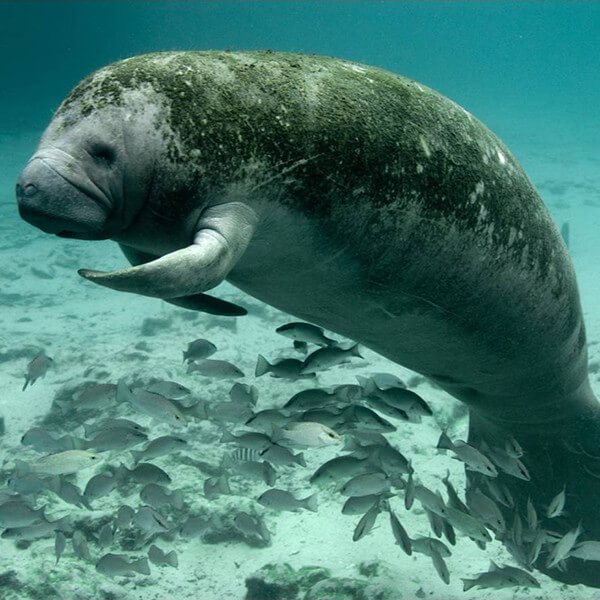
One of the most critical factors dictating manatee distribution in Florida is water temperature. Manatees cannot survive in water colder than 68°F (20°C). As such, during the cooler winter months (typically November through March), they congregate in large numbers at natural warm water springs and industrial discharge points, such as power plant outfalls. These thermal refuges are essential for their survival, allowing them to maintain their body temperature when the surrounding Gulf of Mexico and Atlantic Ocean waters become too chilly.
Florida’s abundance of freshwater springs, which maintain a constant temperature around 72°F (22°C) year-round, makes them ideal wintering grounds. These springs offer not only warmth but also a reprieve from the often rougher coastal seas, providing calm, clear waters where manatees can rest, socialize, and nurse their young.
Abundant Seagrass Beds
Beyond warmth, manatees require a consistent and ample food source. Their diet consists primarily of seagrass, hydrilla, and other aquatic vegetation. Florida’s vast estuaries, shallow coastal waters, and slow-moving rivers are rich with these plant communities, making them perfect foraging grounds.
The extensive seagrass meadows found in areas like the Indian River Lagoon system or the shallow bays along the Gulf of Mexico coast provide vital sustenance for manatees. These areas are crucial for manatees during the warmer months when they disperse from their winter refuges to graze. Consequently, areas with healthy seagrass beds are excellent places to spot manatees, particularly during spring, summer, and early fall.
Top Destinations for Manatee Encounters
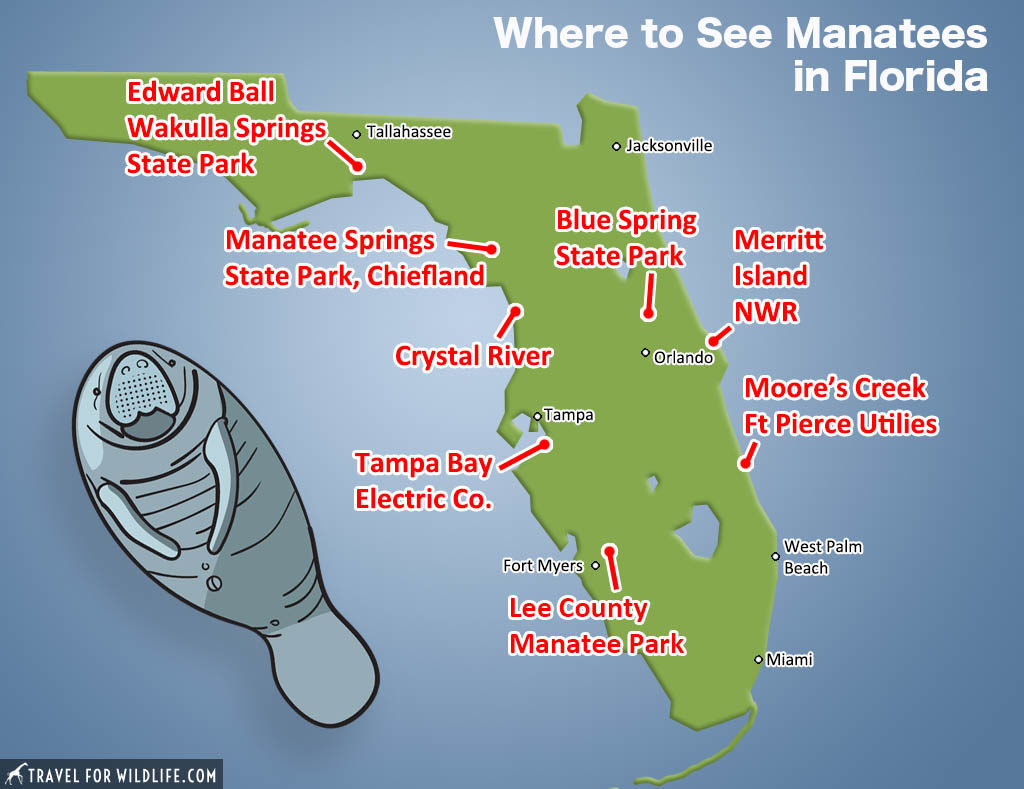
For travelers eager to witness these gentle giants, several key locations in Florida offer consistent and often spectacular manatee viewing opportunities.
Crystal River and Homosassa Springs
Often heralded as the “Manatee Capital of the World,” Crystal River on Florida’s west coast is arguably the best place to see manatees, especially in winter. The warm, crystal-clear waters of Kings Bay, fed by numerous freshwater springs, attract hundreds of manatees seeking refuge from the cold Gulf of Mexico. It’s the only place in Florida where regulated, passive swimming with manatees is permitted, making for an unforgettable experience.
Just a short drive south, Homosassa Springs Wildlife State Park offers an incredible opportunity to view manatees year-round. While not a wild encounter in the same way as Crystal River, the park features an underwater observatory known as the “Fish Bowl,” providing close-up views of rehabilitation manatees and wild manatees that often swim into the spring.
Blue Spring State Park
Located near Orange City in central Florida, Blue Spring State Park is another premier winter sanctuary for manatees. During the colder months, hundreds of manatees migrate from the St. Johns River into the 72°F spring run. The park provides excellent boardwalks along the spring, offering elevated viewing platforms where visitors can observe manatees swimming, resting, and interacting in the clear waters below. Swimming, snorkeling, or diving with manatees is strictly prohibited here to protect the animals, but the viewing opportunities are unparalleled.
Lee County Manatee Park
In Fort Myers, on Florida’s southwest coast, Lee County Manatee Park is a unique destination for manatee viewing. This park is adjacent to the Florida Power and Light Company (FPL) power plant, whose warm water discharge canal attracts manatees during the winter. While it’s an artificial warm water refuge, it serves a critical role in manatee survival and provides reliable viewing from observation decks. The park is open year-round, but manatee sightings are most frequent and numerous from December through February.
TECO Manatee Viewing Center
Located in Apollo Beach, just south of Tampa, the TECO Manatee Viewing Center is another excellent spot made possible by a power plant’s warm water outfall. The Tampa Electric (TECO) Big Bend Power Station discharges clean, warm water into Tampa Bay, creating an irresistible haven for manatees in winter. The center offers elevated viewing platforms, a boardwalk, and an environmental education building, making it a family-friendly destination. Hundreds of manatees can be seen here on a cold day.
Manatee Lagoon (West Palm Beach)

On Florida’s east coast, Manatee Lagoon in West Palm Beach provides a similar viewing experience. Operated by FPL, this educational center overlooks the warm water discharge of the Riviera Beach Next Generation Clean Energy Center. It’s a prime spot for winter manatee viewing, complete with interactive exhibits, observation decks, and live webcams. It offers fascinating insights into manatee biology and conservation efforts in Palm Beach County.
Best Time to See Manatees
Timing your visit is crucial for maximizing your chances of a manatee encounter.
Winter Migration (November – March)
Without a doubt, the best time to see large congregations of manatees in Florida is during the cooler winter months, generally from November through March. As coastal waters cool, manatees seek out the consistent warmth of the natural springs and power plant outfalls mentioned above. This is when sites like Crystal River, Blue Spring State Park, and the various power plant viewing centers become bustling manatee hotspots. Optimal viewing usually occurs on particularly cold days when the temperature difference between the open water and the warm refuges is most significant.
Year-Round Resident Spots
While winter offers the most spectacular gatherings, it is possible to see manatees year-round in certain locations. In warmer months, manatees disperse throughout Florida’s rivers, estuaries, and coastal waters, seeking out abundant seagrass beds. Places like the Indian River Lagoon, sections of the St. Johns River, or even canals in residential areas can yield sightings. However, these sightings are generally more sporadic and less concentrated than the winter aggregations. Tour operators in Crystal River still offer tours in the summer, though the number of manatees present is typically lower. Rehabilitation centers like the one at Homosassa Springs Wildlife State Park also offer year-round viewing of non-releasable manatees.
Responsible Manatee Viewing Practices
Observing manatees is a privilege, and doing so responsibly is paramount to their safety and conservation.
Maintain a Safe Distance
Whether from a boat, kayak, or on foot, always maintain a respectful and safe distance from manatees. The Florida Fish and Wildlife Conservation Commission (FWC) recommends staying at least 50 feet away in the water and keeping a 100-foot distance from congregating manatees. Disturbing manatees, especially in their winter refuges, can be detrimental to their health and is illegal. Never chase, corner, or separate a manatee from its group.
“Look, Don’t Touch”
It’s tempting to reach out and touch these gentle creatures, but it’s crucial to resist the urge. Touching, feeding, or offering water to manatees can alter their natural behavior, make them less wary of humans, and potentially expose them to harm from boats or other hazards. Responsible viewing means allowing manatees to behave naturally in their environment.
Support Ecotourism and Conservation
Choose reputable tour operators who prioritize manatee welfare and adhere to strict guidelines. Many ethical tour companies are involved in conservation efforts and educate visitors on responsible interactions. Supporting organizations like the Save the Manatee Club also contributes directly to manatee protection through research, rescue, and advocacy.
Planning Your Manatee Adventure
To ensure a memorable and impactful experience, a little planning goes a long way.
Guided Tours and Kayaking
For in-water experiences in Crystal River, booking a guided snorkel or swim tour with a licensed operator is highly recommended. These guides are knowledgeable about manatee behavior, the local ecosystem, and crucial regulations, ensuring a safe and responsible interaction for both you and the manatees. Kayak and paddleboard rentals are also available in many manatee-rich areas, offering a serene way to observe them from the surface, especially during warmer months when they disperse into shallower waters. Always be aware of your surroundings and paddle responsibly.
Essential Gear
If planning a snorkeling or swimming tour, remember to bring appropriate swimwear, a towel, and sun protection. Many tour operators provide wetsuits, which are beneficial for buoyancy and warmth in the cool spring waters, even in Florida’s mild winter. A waterproof camera is ideal for capturing these incredible moments without disturbing the animals. For land-based viewing, comfortable walking shoes and binoculars will enhance your experience at boardwalk viewing areas like Blue Spring State Park or the TECO Manatee Viewing Center.
Witnessing manatees in Florida is a truly unique travel experience, connecting visitors with the state’s incredible natural heritage. By understanding their habitats, knowing where and when to look, and adhering to responsible viewing practices, you can ensure a respectful and unforgettable encounter with these gentle giants of the sea.
LifeOutOfTheBox is a participant in the Amazon Services LLC Associates Program, an affiliate advertising program designed to provide a means for sites to earn advertising fees by advertising and linking to Amazon.com. Amazon, the Amazon logo, AmazonSupply, and the AmazonSupply logo are trademarks of Amazon.com, Inc. or its affiliates. As an Amazon Associate we earn affiliate commissions from qualifying purchases.