
Florida, often called the Sunshine State, offers a unique opportunity for wildlife enthusiasts and travelers to experience an unforgettable encounter: swimming alongside the gentle giants of its aquatic ecosystems, the manatees. These docile, slow-moving marine mammals are an iconic symbol of Florida’s natural beauty and delicate biodiversity. For those dreaming of this extraordinary interaction, knowing where and how to safely and responsibly engage with these creatures is paramount. This comprehensive guide will navigate the best destinations and provide essential insights for planning your manatee swim adventure.
Understanding Manatee Encounters in Florida
Manatees are protected by state and federal laws, including the Marine Mammal Protection Act and the Florida Manatee Sanctuary Act. This means strict regulations govern human interactions to ensure the animals’ safety and well-being. The vast majority of manatee encounters, particularly those involving in-water interaction, are concentrated in specific areas of Florida where natural warm water springs provide critical refuge during colder months.
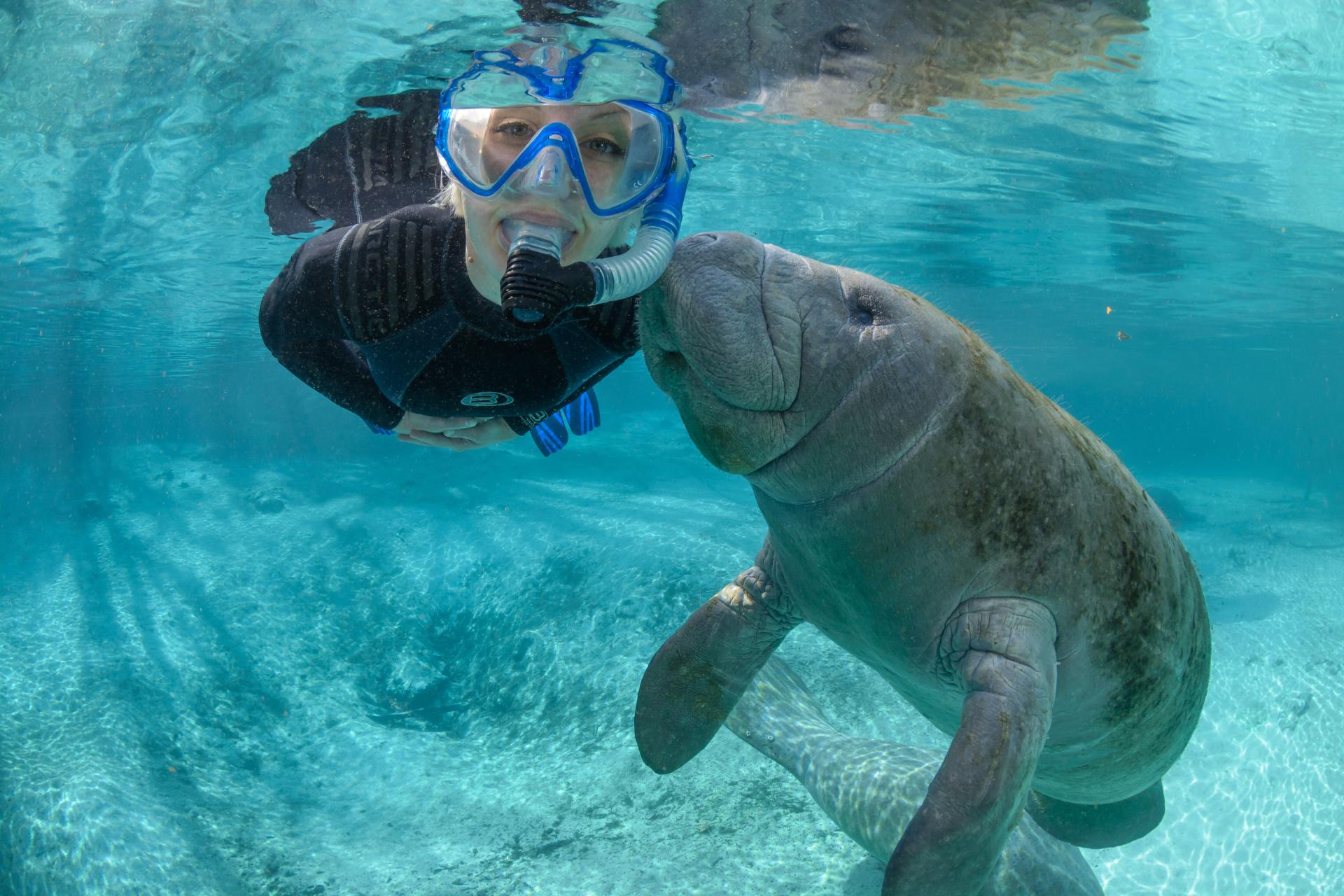
The best time to swim with manatees in Florida is typically during the cooler winter months, from November through March. As ambient water temperatures in the Gulf of Mexico and Atlantic Ocean drop below 68°F (20°C), manatees seek the consistent 72°F (22°C) warmth of Florida’s freshwater springs. This seasonal migration brings them into closer proximity to humans, making guided tours possible. During warmer months, manatees disperse into various coastal waters and rivers, making sightings less predictable and in-water interactions less common or regulated.
It’s crucial to understand that swimming with manatees is not permitted just anywhere. Designated areas allow for regulated, ethical encounters. Tour operators in these regions are licensed and knowledgeable, ensuring visitors adhere to guidelines that protect both humans and manatees. The experience is not about chasing or harassing these animals but rather observing them respectfully in their natural habitat.
Primary Manatee Sanctuaries and Swim Zones
When considering a manatee swim, one region stands out as the undisputed capital for these aquatic encounters: Citrus County on Florida’s west coast.
Crystal River and King’s Bay
Crystal River is the only place in Florida where it is legal to swim with manatees on a guided tour. Located about an hour and a half north of Tampa and an hour and a half west of Orlando, this charming city is centered around King’s Bay, an estuary fed by over 70 natural springs. These springs collectively discharge millions of gallons of warm water daily, creating an irresistible sanctuary for manatees seeking refuge from the cold.
- Three Sisters Springs: This iconic spring system within King’s Bay is arguably the most famous spot for manatee viewing and interaction. During peak winter months, hundreds of manatees can congregate here. Access to Three Sisters Springs for in-water activities is highly regulated. While swimmers can enter the waters of King’s Bay with a licensed tour operator, the springs themselves have designated “no entry” zones at times to protect congregating manatees. Viewing platforms are available for land-based observation. Guided tours typically launch from various marinas in Crystal River and transport visitors by boat to areas within King’s Bay where manatees are present.
- Homosassa Springs Wildlife State Park: Just south of Crystal River, Homosassa Springs Wildlife State Park offers an excellent opportunity to observe manatees from an underwater observatory, affectionately known as the “Fish Bowl.” While in-water swimming with wild manatees is not permitted directly within the park, it serves as a critical rehabilitation center for injured manatees and provides fantastic viewing opportunities for those who prefer to stay dry or are accompanying swimmers. It also showcases other native Florida wildlife, making it a comprehensive nature experience.
Other Manatee Viewing Locations (No Swimming Permitted)
While Crystal River is unique for its swim-with-manatee tours, several other Florida locations offer exceptional opportunities for viewing manatees from boats, kayaks, paddleboards, or observation decks. These sites are crucial for manatee conservation, and it is strictly prohibited to enter the water with manatees here.
- Blue Spring State Park (Orange City, Volusia County): Located near Orlando, this park is one of the most important winter havens for manatees on the east coast. During the peak season, hundreds of manatees fill the spring run. Visitors can enjoy excellent viewing from boardwalks along the spring run, but swimming, snorkeling, and diving are prohibited in the spring run during manatee season (typically mid-November through March). Kayaking and paddleboarding are also restricted in the main spring run during this period.
- Manatee Springs State Park (Chiefland): This park on the Suwannee River is another beautiful spring where manatees gather in cooler weather. A boardwalk leads to the spring, offering excellent viewing opportunities. Swimming is allowed in designated areas, but not in close proximity to manatees.
- Fanning Springs State Park (Fanning Springs): Also located on the Suwannee River, Fanning Springs provides similar viewing opportunities.
- Chassahowitzka River (Citrus County): While Crystal River is the primary hub, the nearby Chassahowitzka River and its springs also attract manatees. Kayak and paddleboard tours are popular here, offering a more serene viewing experience from the surface, again with strict regulations against in-water interaction.
Responsible Manatee Interaction: Best Practices
Engaging with manatees in Florida is a privilege that comes with significant responsibility. To ensure a positive experience for both humans and wildlife, adherence to strict guidelines is essential.
Choosing a Reputable Tour Operator
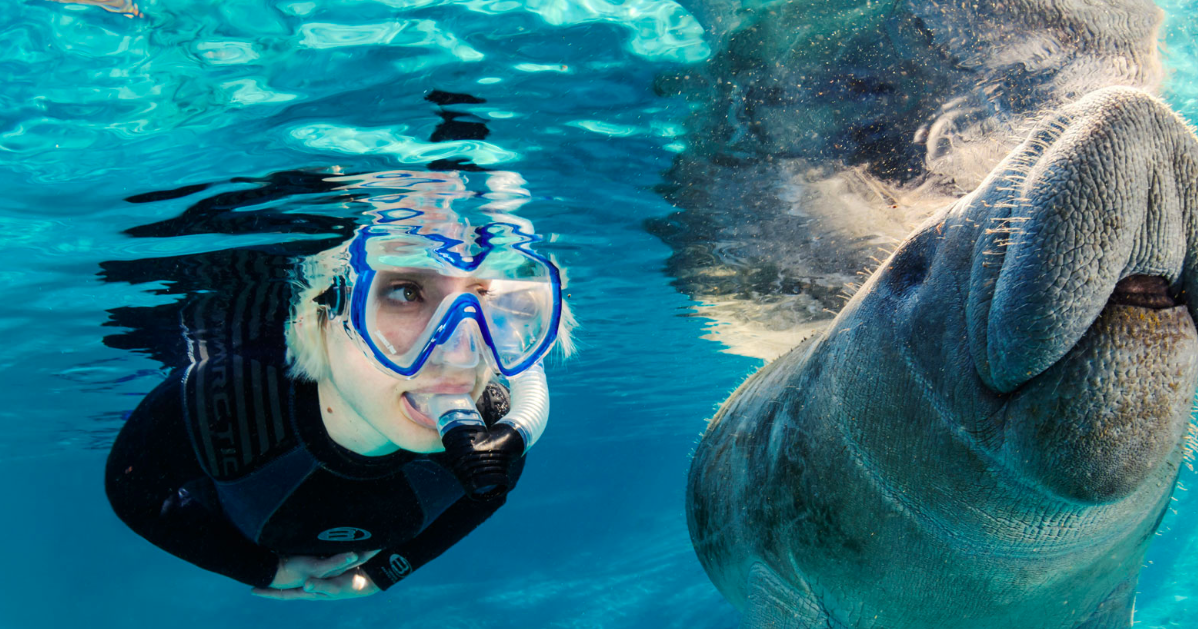
Always book your manatee swim tour with a licensed and experienced outfitter in Crystal River. These operators are well-versed in the regulations enforced by the U.S. Fish and Wildlife Service and the Florida Fish and Wildlife Conservation Commission. They will provide necessary equipment (wetsuits, masks, snorkels) and pre-swim briefings on how to interact ethically. A good tour operator prioritizes manatee welfare above all else.
Manatee Manners: The Golden Rules
When in the water, remember these critical guidelines:
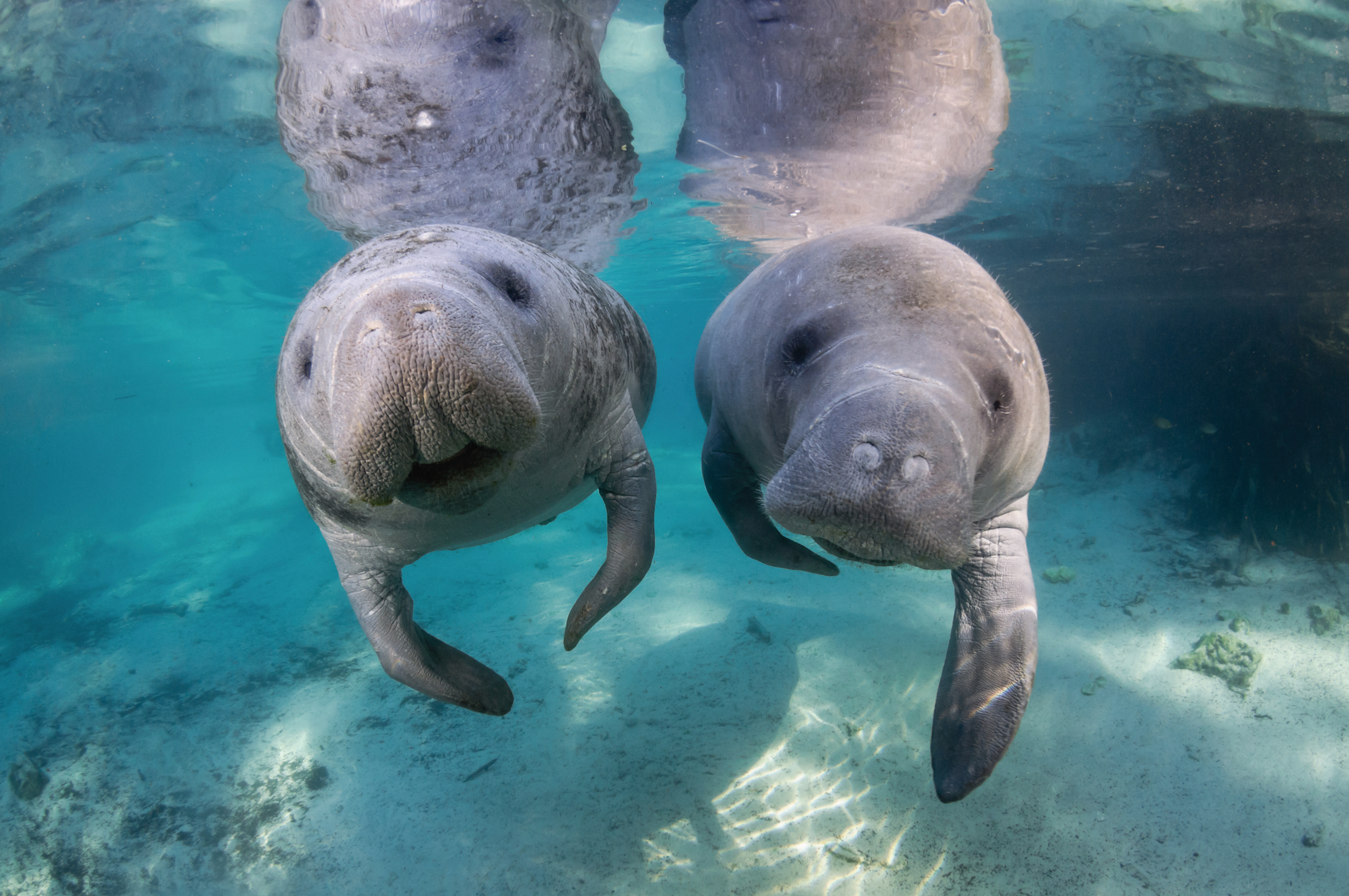
- Look, but don’t touch (unless initiated): The primary rule is “passive observation.” You should never pursue, chase, poke, prod, or attempt to pet a manatee. If a curious manatee approaches you, it is acceptable to remain still and allow it to interact on its terms. However, initiate no contact.
- Hands and feet to yourself: Keep your hands and feet close to your body to avoid accidentally touching or disturbing a manatee.
- Stay calm and quiet: Sudden movements or loud noises can startle manatees. Move slowly and quietly in the water.
- Respect their space: Maintain a respectful distance. Do not surround or separate a mother and calf. Give them space to rest and move freely.
- Never feed manatees or offer water: This alters their natural behaviors and can make them dependent on humans, putting them at risk.
- Wear a wetsuit: Wetsuits provide buoyancy and warmth, allowing you to float effortlessly and minimize splashing, making you less intrusive to the manatees.
- Use appropriate gear: Snorkel gear is generally sufficient. Avoid SCUBA gear as the bubbles and noise can be disturbing to manatees.
By following these rules, you contribute to the conservation efforts that protect these magnificent animals for future generations. Organizations like the Save the Manatee Club actively advocate for responsible manatee viewing and offer valuable resources.
Planning Your Manatee Swim Trip
A trip to swim with manatees requires a bit of planning, especially if you aim for the peak winter season.
Best Time to Visit
As mentioned, the best time for manatee swims is November through March. During these months, the large concentrations of manatees in the springs of Crystal River make for the most reliable encounters. Book your tour and accommodations well in advance, as this is a popular tourist season. Early morning tours often yield the best results, as the springs are quieter and the manatees are more active before boat traffic increases.
What to Bring
- Swimsuit: Worn under your wetsuit (provided by the tour operator).
- Towel: For drying off after your swim.
- Sunscreen: Apply before getting into the water.
- Hat and Sunglasses: For sun protection on the boat.
- Waterproof Camera: To capture the incredible experience (ensure it has a wrist strap).
- Warm Clothes: To change into after your wetsuit, as it can be chilly on the boat in winter.
Accommodations and Logistics
Crystal River and the surrounding Citrus County area offer a range of accommodation options, from cozy bed and breakfasts to chain hotels and vacation rentals. Many tour operators are conveniently located near these lodging choices. For travelers flying into Florida, the closest major airports are Tampa International Airport (TPA) or Orlando International Airport (MCO). Renting a car is highly recommended for flexibility in exploring the region.
Consider dedicating at least two full days to your manatee adventure. This allows for your swim tour and time to explore other local attractions, such as the Homosassa Springs Wildlife State Park, kayaking on the Crystal River or Chassahowitzka River, or enjoying the charming downtown area of Crystal River. This region of Florida offers a tranquil escape, quite different from the bustling theme parks, providing a true nature-focused travel experience.
Swimming with manatees in Florida is more than just a tourist activity; it’s an immersive dive into the heart of Florida’s unique aquatic environment and an opportunity to connect with wildlife on a deeply personal level. By choosing the right location, selecting a reputable tour, and adhering to ethical interaction guidelines, your encounter with these magnificent “sea cows” will undoubtedly be a cherished memory of responsible travel and natural wonder.
LifeOutOfTheBox is a participant in the Amazon Services LLC Associates Program, an affiliate advertising program designed to provide a means for sites to earn advertising fees by advertising and linking to Amazon.com. Amazon, the Amazon logo, AmazonSupply, and the AmazonSupply logo are trademarks of Amazon.com, Inc. or its affiliates. As an Amazon Associate we earn affiliate commissions from qualifying purchases.