
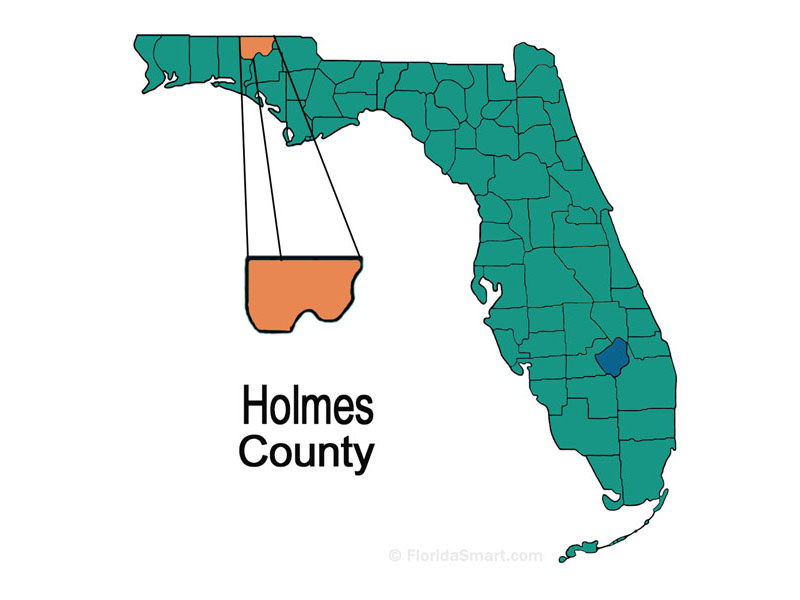
Holmes County is a distinctive geographical and historical region situated in the heart of the Florida Panhandle. Unlike the coastal reaches of the state that define much of the national perception of the Sunshine State, this area is characterized by rolling hills, dense pine forests, and a network of freshwater springs and rivers. To pinpoint its location, one must look to the far northern stretches of the state, where the United States transitions from the deep south of Alabama into the subtropical landscapes of the Gulf Coast.
The Geographical Identity of the Florida Panhandle
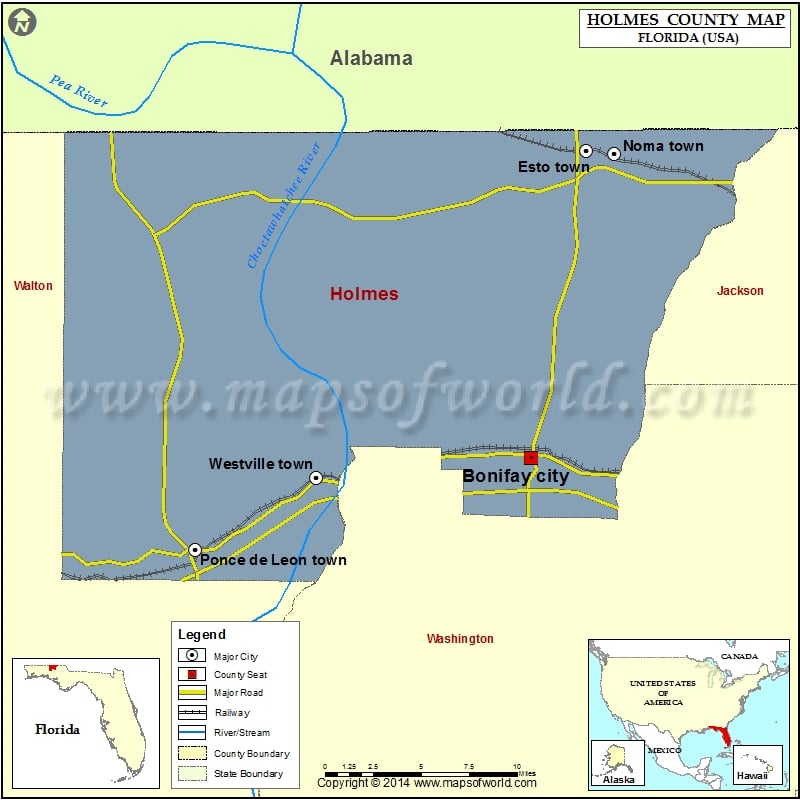
The physical location of Holmes County is defined by its borders and its unique topography. It is bounded to the north by the state of Alabama, specifically Geneva County. To the east lies Jackson County, to the south is Washington County, and to the west is Walton County. This inland position means that while it is part of a state famous for its beaches, Holmes County remains a sanctuary of riverine ecosystems and agricultural landmarks.
Proximity to Major Hubs
While the county feels worlds away from the urban sprawl of Miami or Tampa, it is strategically positioned along Interstate 10, the primary east-west artery of the southern United States. This highway cuts through the southern portion of the county, providing a direct link to Tallahassee to the east and Pensacola to the west. For those traveling from the Gulf of Mexico, the county is approximately 50 miles north of the white sandy shores of Panama City Beach.
Terrain and Waterways
The geography of the region is dominated by the Choctawhatchee River basin. This river forms a significant portion of the county’s western boundary and is a vital landmark for the local environment. The land here is part of the Gulf Coastal Plain, but it features more elevation than the southern peninsula. Travelers will notice a landscape of clay-based hills and sandy loams, which historically supported a massive timber industry and continues to support diverse agricultural landmarks today.
Historical Landmarks and the Evolution of Holmes County
Understanding where Holmes County is also requires an understanding of its historical place in the development of Florida. Established in 1848, the county has a rich history that predates many of the state’s more famous tourist destinations.
The Namesake and Early Settlement
The county was named after Thomas J Holmes, an early settler who arrived in the area from North Carolina around 1830. There is also historical debate suggesting it may have been named after a Creek Indian chief of the same name who inhabited the area. Regardless of the specific origin, the name is deeply tied to the Holmes Creek waterway, which remains one of the most prominent natural landmarks in the region.
Bonifay: The Central Landmark
The city of Bonifay serves as the county seat and the primary hub for commerce and government. Established in 1882 during the construction of the Pensacola and Atlantic Railroad, Bonifay is a landmark of Southern rail history. The town’s layout and its historic Holmes County Courthouse reflect the civic pride of the late 19th and early 20th centuries. The courthouse itself stands as an architectural landmark, representing the transition of the county from a frontier territory to an organized administrative center.
Small Town Landmarks: Westville and Esto
Beyond Bonifay, the county is dotted with smaller communities that act as landmarks of rural Florida life. Westville, located in the western portion of the county, was once the county seat before a controversial election moved the records to Bonifay. To the north, Esto and Noma sit near the Alabama border, serving as gateways between the two states. These towns are characterized by historic storefronts, multi-generational farms, and a slower pace of life that serves as a living landmark of the Old South.
Natural Landmarks: Springs, Rivers, and Hidden Gems
For many, the answer to “where is Holmes County” is best found in its natural landmarks. The region is home to some of the most pristine freshwater resources in the United States.

Ponce de Leon Springs State Park
The most famous natural landmark in the county is undoubtedly Ponce de Leon Springs State Park. Named after the famous explorer Juan Ponce de Leon, who searched for the legendary Fountain of Youth, this park features a stunning natural spring that remains a constant 68 degrees Fahrenheit year-round. The main vent of the spring produces millions of gallons of crystal-clear water daily, which eventually flows into the Choctawhatchee River. The surrounding cypress swamps and hardwood forests provide a glimpse into the prehistoric landscape of the Panhandle.
The Choctawhatchee River and Holmes Creek
The Choctawhatchee River is a major landmark for conservationists and outdoor enthusiasts. As one of the longest free-flowing rivers in Florida, it offers a wilderness experience that is increasingly rare. Parallel to the river’s influence is Holmes Creek, a spring-fed creek that is a landmark for kayakers and canoeists. The creek meanders through limestone bluffs and past several smaller “blue hole” springs, such as Cypress Springs, which are renowned for their intense sapphire-colored waters and high visibility.
Wrights Creek and Agricultural Vistas
In the eastern and northern reaches of the county, Wrights Creek serves as a vital tributary and a landmark for the local ecosystem. The land surrounding these waterways is a patchwork of agricultural landmarks, including peanut farms, cotton fields, and cattle ranches. These open vistas, framed by the longleaf pine forests of the Choctawhatchee National Forest (now much of it under various state protections), define the visual character of the county.
The Cultural and Architectural Landmarks of Rural Florida
The location of Holmes County is also defined by its cultural landmarks, which draw visitors from across the Southeast. These sites and events are as much a part of the “where” as the coordinates on a map.
The Northwest Florida Championship Rodeo
Every October, the town of Bonifay becomes a landmark for the rodeo world. The Northwest Florida Championship Rodeo is a sanctioned event that has been a staple of the community since the 1940s. Held at Memorial Field, this event is a cultural landmark that highlights the county’s deep-seated connection to western traditions and agricultural heritage. It attracts thousands of spectators, turning this rural corner of Florida into a bustling center of activity.
The Historic Architecture of the Panhandle
Walking through the residential areas of Bonifay or Ponce de Leon reveals a variety of architectural landmarks. Many homes date back to the early 20th century, featuring the “Cracker” style of architecture—designed with wide porches and raised foundations to combat the heat and humidity of the Florida climate. These buildings are physical landmarks of a time before air conditioning, showcasing the ingenuity of early settlers in the Gulf Coastal Plain.
The Influence of the Tri-State Area
Because Holmes County is located so close to the border, its landmarks are often shared with Alabama and Georgia. The “Tri-State” identity is a key landmark of the local culture. This is seen in the shared culinary traditions, dialect, and economic ties to nearby cities like Dothan in Alabama. The county serves as a bridge between the deep agricultural heartland of the United States and the coastal regions of the south.
Navigating the Landmarks of Holmes County
For those seeking to find Holmes County, the journey is often as significant as the destination. The drive along Highway 90, which runs parallel to Interstate 10, offers a more scenic route through the county’s most important landmarks.
The Highway 90 Corridor
Highway 90 serves as a linear landmark that connects the historic downtowns of the Florida Panhandle. In Holmes County, this road passes through the heart of Bonifay and near the entrance to Ponce de Leon Springs State Park. It is a route that allows travelers to see the transition from the piney woods to the river basins that define the county’s geography.
Conservation and the Future of the Landscape
As Florida continues to grow, the landmarks of Holmes County are increasingly recognized for their ecological value. The Northwest Florida Water Management District oversees vast tracts of land along the Choctawhatchee River to ensure that the natural landmarks of the county—the springs, the wetlands, and the aquifer—are preserved for future generations. These conservation lands are landmarks of the state’s commitment to protecting the “Real Florida” that exists away from the developed coastlines.
In summary, Holmes County is located in the northern Florida Panhandle, serving as a vital link between the Alabama border and the Gulf Coast. Its identity is forged by its natural landmarks like Ponce de Leon Springs State Park, its historical landmarks such as the Holmes County Courthouse, and its cultural landmarks like the Northwest Florida Championship Rodeo. It is a place of quiet beauty and deep historical roots, offering a unique perspective on the geographical diversity of the United States.
LifeOutOfTheBox is a participant in the Amazon Services LLC Associates Program, an affiliate advertising program designed to provide a means for sites to earn advertising fees by advertising and linking to Amazon.com. Amazon, the Amazon logo, AmazonSupply, and the AmazonSupply logo are trademarks of Amazon.com, Inc. or its affiliates. As an Amazon Associate we earn affiliate commissions from qualifying purchases.