
Homosassa is a captivating coastal community situated on the western edge of Florida, within the United States. Tucked away in Citrus County, this destination serves as a hallmark of the region known as the Nature Coast. Unlike the sprawling urban corridors of Miami or the theme-park-centric landscapes of Orlando, Homosassa offers a glimpse into the historic, ecological, and slower-paced side of the Sunshine State. It is positioned approximately 70 miles north of Tampa and about 90 miles west of the Orlando International Airport, making it a reachable yet secluded getaway for those looking to explore the Gulf of Mexico shoreline.
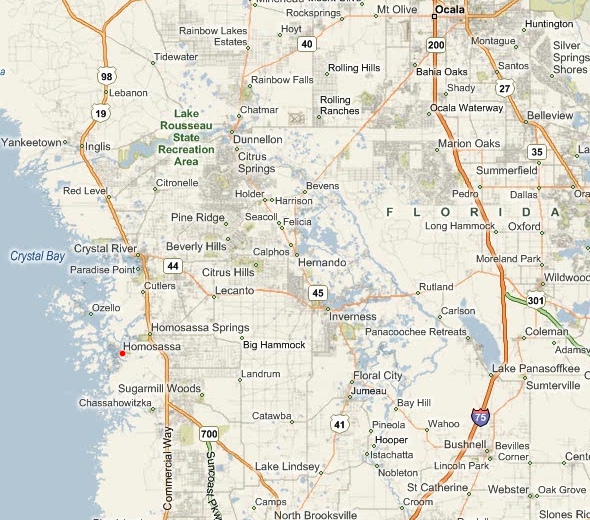
Geographic Context: Pinpointing Homosassa on the Map
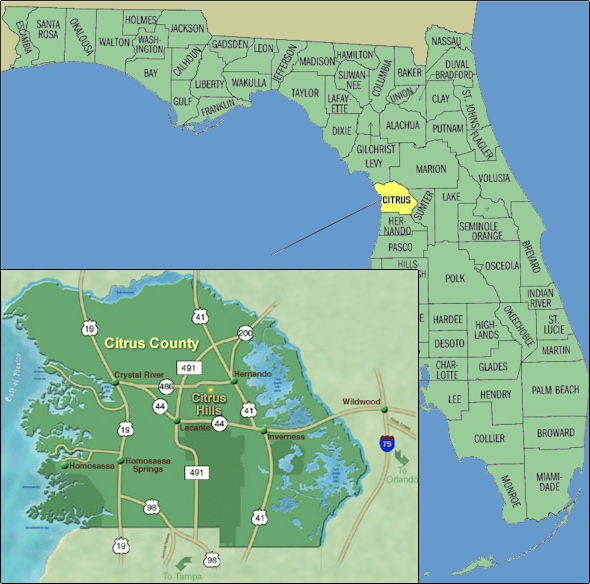
To understand where Homosassa is located, one must look at the “Big Bend” area of Florida, where the peninsula begins to curve westward into the Panhandle. Homosassa sits just south of Crystal River and north of the Hernando County line. Its geography is defined by a labyrinth of freshwater springs, salt marshes, and hardwood hammocks that eventually give way to the open waters of the Gulf of Mexico.
The Nature Coast Region
Homosassa is a primary anchor of the Nature Coast, a stretch of coastline that includes Pasco County, Hernando County, Citrus County, Levy County, and Dixie County. This region is distinguished by its lack of high-rise developments and its abundance of protected lands. In Homosassa, the environment is dominated by the Homosassa River, a short but powerful waterway fed by several first-magnitude springs. The town itself is divided into two distinct areas: the modern residential and commercial corridors along U.S. Route 19 and the historic, river-centric village known as Old Homosassa.
Proximity to Major Florida Hubs
For travelers planning a route, Homosassa is strategically located for day trips or weekend excursions from several major cities. It is roughly an hour and fifteen minutes from Tampa, making it a favorite for residents of the Tampa Bay Area. St. Petersburg and Clearwater are also within a comfortable two-hour drive. Heading north, Gainesville is approximately an hour and twenty minutes away, while the state capital, Tallahassee, is about a three-hour drive to the northwest. This central-western positioning allows Homosassa to act as a quiet sanctuary that remains connected to the state’s logistical infrastructure.
Accessing the Gateway to the Gulf
Reaching Homosassa is straightforward, thanks to the expansion of regional highways and the preservation of scenic backroads. Whether you are arriving by air or embarking on a road trip, the journey to Citrus County involves traversing some of Florida’s most beautiful inland and coastal terrain.
Driving Routes and Local Accessibility
The primary north-south artery serving the area is U.S. Route 19, also known as Suncoast Boulevard in this specific section. This highway connects Homosassa to Brooksville to the south and Crystal River to the north. For those coming from the Tampa region, the most efficient route is often the Suncoast Parkway (State Road 589), a toll road that provides a high-speed bypass of the more congested coastal traffic. The parkway currently terminates near the Citrus County line, leading drivers onto U.S. Route 98, which feeds directly into Homosassa.
For those traveling from the East Coast or Orlando, State Road 44 and State Road 490 serve as the main east-west entries. These roads wind through the Withlacoochee State Forest and past the city of Inverness before reaching the coastal wetlands.
Nearby Airports and Transportation
Most visitors flying into the area utilize Tampa International Airport, which offers the widest range of domestic and international flights. From the airport, car rentals are the most common mode of transport to reach Homosassa. Orlando International Airport is another viable option, particularly for those combining a trip to the Nature Coast with a visit to Walt Disney World Resort. For private aviation, the Crystal River Airport provides a closer landing strip just a few miles north of Homosassa.
Iconic Destinations within Homosassa
While the question of where Homosassa is located can be answered with coordinates, the true location is defined by its landmarks. The area is home to several world-renowned attractions that draw nature enthusiasts and history buffs alike.
Homosassa Springs Wildlife State Park
Perhaps the most famous landmark in the area is the Ellie Schiller Homosassa Springs Wildlife State Park. Located right off U.S. Route 19, this park is a sanctuary for orphaned or injured Florida wildlife. It is one of the few places in the world where you can see West Indian Manatees from an underwater observatory. The park also serves as the permanent home of Lu the Hippo, a famous African hippopotamus who was granted honorary Florida citizenship by the governor so he could remain at the park.
The Homosassa River and Monkey Island
The Homosassa River is the lifeblood of the community. It flows from the main spring head for nearly eight miles before emptying into Homosassa Bay. Along the river, visitors will find Monkey Island, a small island inhabited by a troop of spider monkeys. Originally placed there to keep them away from boats and visitors at the wildlife park, the monkeys have become a local icon and a must-see for anyone taking a boat tour or kayaking the river.
Old Homosassa and the Sugar Mill
Traveling west toward the water brings you to Old Homosassa, a fishing village that retains much of its mid-century charm. Here, you will find the Yulee Sugar Mill Ruins Historic State Park. These ruins were once part of a massive 5,100-acre sugar plantation owned by David Levy Yulee, a prominent figure in Florida history. The site features the remains of the mill’s steam-driven equipment, providing a stark reminder of the area’s industrial agricultural past before it transitioned into a hub for commercial fishing and tourism.
Regional Neighbors and Day Trip Opportunities
Understanding the location of Homosassa also involves looking at its surrounding neighbors in Citrus County. The town is part of a larger network of coastal and inland communities that share a similar ecological profile.
Crystal River
Just a 10-minute drive north of Homosassa lies Crystal River, often referred to as the “Manatee Capital of the World.” While Homosassa offers a more rugged and secluded river experience, Crystal River is home to the Three Sisters Springs and Kings Bay. The two towns are often visited together, as they offer the best spring-fed water activities in the United States.
Chassahowitzka National Wildlife Refuge
To the south of Homosassa is the Chassahowitzka National Wildlife Refuge. This massive expanse of protected salt marshes and mangrove islands covers over 31,000 acres. It is a vital habitat for endangered species and offers some of the most remote kayaking and airboat trails in Florida. Its proximity to Homosassa makes the town an ideal base camp for those wishing to explore the deep wilderness of the Nature Coast.
Inland Citrus County: Inverness and Lecanto
Inland from the coast, the landscape of Citrus County shifts from marshes to rolling hills and lakes. The city of Inverness, located about 20 miles east of Homosassa, serves as the county seat. It is known for the Tsala Apopka Lake Chain and the Withlacoochee State Trail, a 46-mile paved path popular with cyclists. Lecanto sits between Homosassa and Inverness, serving as a central hub for local commerce and schools.
Planning Your Visit to This Coastal Hidden Gem
Knowing where Homosassa is located is the first step toward experiencing one of Florida’s most authentic destinations. Its position on the Gulf Coast provides a unique climate and ecosystem that differs significantly from the Atlantic Coast. The waters are generally calmer, the sunsets over the Gulf of Mexico are unobstructed, and the connection to the natural world is ever-present.
Whether you are navigating the bends of the Halls River, docking a boat at the Homosassa Riverside Resort, or enjoying fresh seafood at MacRae’s of Homosassa, the location defines the experience. It is a place where the springs meet the sea, where history meets the present, and where the “Real Florida” is still very much alive. For anyone traveling through West Central Florida, Homosassa is more than just a spot on the map; it is a gateway to the primordial beauty of the Sunshine State.
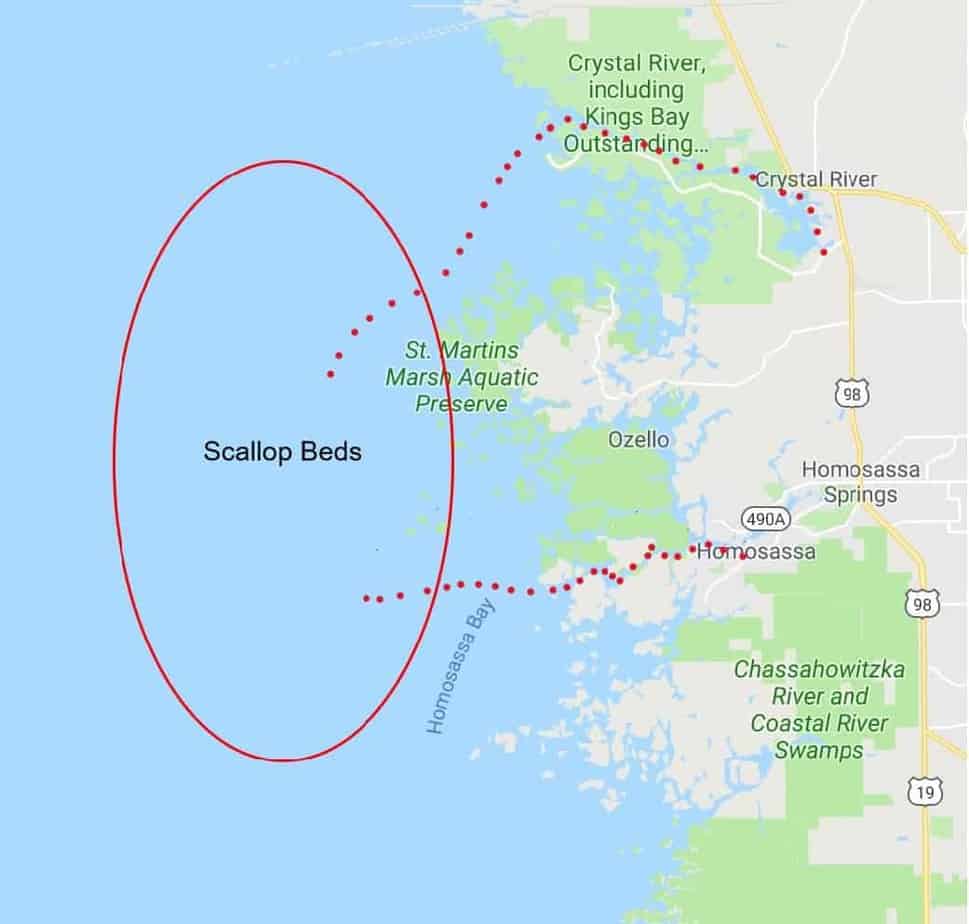
As the Suncoast Parkway continues to expand and more travelers look for alternatives to overcrowded tourist hubs, the importance of Homosassa as a travel destination only grows. It remains a vital piece of the Florida State Parks system and a testament to the state’s commitment to preserving its water-based heritage. From the manatees in the winter to the scalloping season in the summer, Homosassa offers a seasonal rhythm that invites visitors to return year after year.
LifeOutOfTheBox is a participant in the Amazon Services LLC Associates Program, an affiliate advertising program designed to provide a means for sites to earn advertising fees by advertising and linking to Amazon.com. Amazon, the Amazon logo, AmazonSupply, and the AmazonSupply logo are trademarks of Amazon.com, Inc. or its affiliates. As an Amazon Associate we earn affiliate commissions from qualifying purchases.