
Indian River County is a hidden gem positioned along the eastern seaboard of Florida, serving as the northern gateway to the famed Treasure Coast. Located approximately halfway between Miami and Jacksonville, this county offers a distinct blend of natural beauty, historical depth, and architectural preservation that sets it apart from the more densely populated urban centers of the Sunshine State. To understand where Indian River County is, one must look at the convergence of the Atlantic Ocean and the Indian River Lagoon, a geographical positioning that has defined its landmarks and lifestyle for centuries.

Defining the Geography of the Treasure Coast
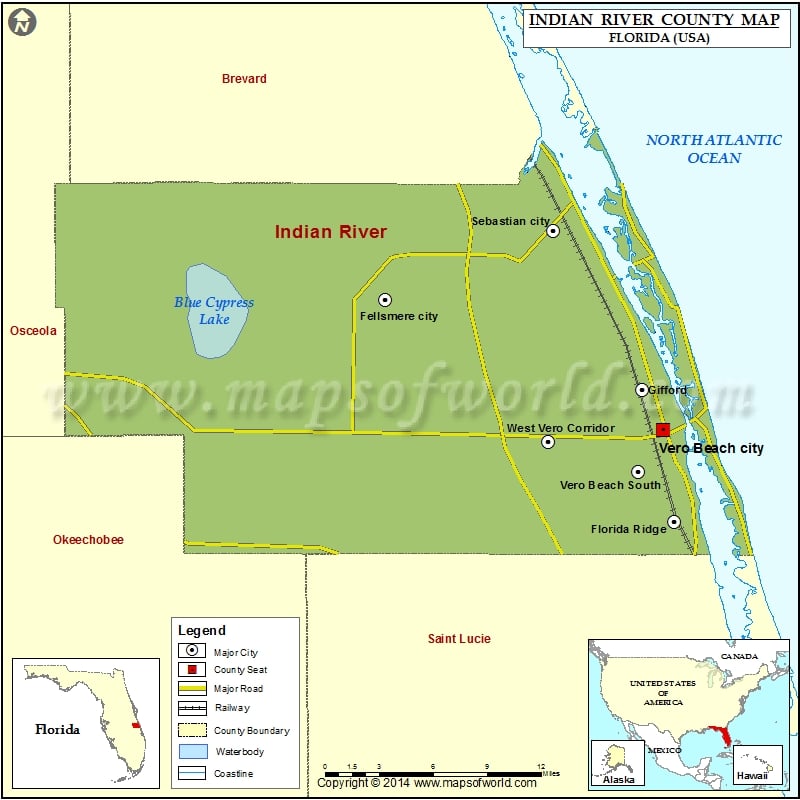
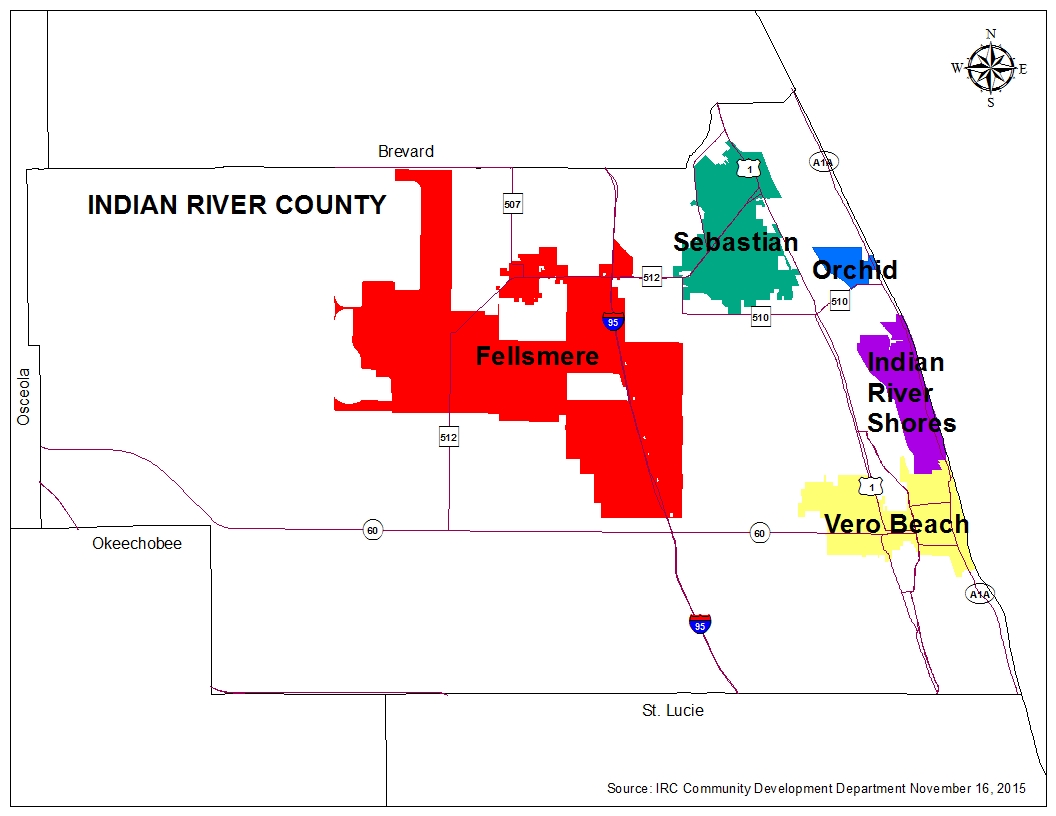
Indian River County occupies a strategic location in the United States southeast. It is bordered to the north by Brevard County, to the south by St. Lucie County, and to the west by Okeechobee County and Osceola County. This region is defined by its low-lying topography, vast citrus groves, and a complex network of waterways that support one of the most biodiverse estuaries in North America.
The Atlantic Seaboard and the Indian River Lagoon
The most defining geographical landmark of the county is the Indian River Lagoon. This brackish estuary separates the mainland from the barrier islands, creating a unique environment where saltwater from the Atlantic Ocean mixes with fresh water from various inland sources. The barrier island itself is home to upscale communities like Vero Beach, Orchid, and Indian River Shores. The lagoon acts as a central nervous system for the county’s ecology, hosting thousands of species of plants and animals, and serving as a backdrop for some of the region’s most famous natural landmarks.
Neighbors and Connectivity
Geographically, the county is situated about 100 miles southeast of Orlando and roughly 140 miles north of Miami. It is easily accessible via I-95 and U.S. Highway 1, while the scenic A1A winds along the coastline, offering views of the dunes and the sea. The western portion of the county transitions into the marshes and wetlands that feed the St. Johns River, representing the quintessential “Old Florida” landscape that remains largely untouched by modern development.
Iconic Coastal and Maritime Landmarks
The coastal identity of Indian River County is anchored by several world-class landmarks that highlight the intersection of history and nature. Because the county sits on the Treasure Coast, its shores are literally steeped in maritime lore, stemming from the wreck of the 1715 Spanish Plate Fleet.
Sebastian Inlet State Park
At the northernmost tip of the county lies Sebastian Inlet State Park. This landmark is a premier destination for surfers, anglers, and nature lovers. The inlet provides a vital passage between the Atlantic Ocean and the Indian River Lagoon. The park is famous for its premier surfing breaks, particularly “First Peak” and “Monster Hole,” which attract athletes from across the United States. Beyond the waves, the jetty offers a vantage point for watching manatees, dolphins, and sea turtles navigate the currents.
Pelican Island National Wildlife Refuge
Located just south of the inlet is perhaps the most significant historical nature landmark in the country: Pelican Island National Wildlife Refuge. Established by President Theodore Roosevelt in 1903, it was the first federal wildlife refuge in the United States. This small island in the lagoon sparked the entire National Wildlife Refuge System. Today, visitors can view the island from an observation tower or via guided boat tours, seeing firsthand the nesting grounds of brown pelicans, wood storks, and egrets.
The McLarty Treasure Museum
Built on the site of the original survivors’ camp of the 1715 Spanish Plate Fleet, the McLarty Treasure Museum is a vital historical landmark. It tells the harrowing story of the treasure-laden ships that were decimated by a hurricane just off these shores. The museum displays artifacts, gold coins, and tools recovered from the ocean floor, providing a tangible link to the county’s namesake as part of the Treasure Coast. The observation deck offers a view of the very waters where millions of dollars in silver and gold still reside beneath the shifting sands.
Inland Wonders and Historical Sites
Moving away from the salt spray of the coast, Indian River County boasts landmarks that celebrate the lush subtropical flora and the cultural history of the mid-20th century.
McKee Botanical Garden
Located in Vero Beach, the McKee Botanical Garden is a landmark of landscape architecture and tropical horticulture. Originally opened in the 1930s as McKee Jungle Gardens, it was once one of Florida’s most popular roadside attractions. After falling into disrepair, it was painstakingly restored and now serves as an 18-acre oasis of water lilies, palms, and exotic plants. The garden is also known for its unique “Hall of Giants,” a rustic building made of cypress logs that houses a massive mahogany table, showcasing the craftsmanship of early Florida settlers.
Historic Dodgertown
For sports fans, Historic Dodgertown (now officially the Jackie Robinson Training Complex) is a landmark of immense national importance. Located in Vero Beach, it served as the spring training home for the Brooklyn Dodgers and later the Los Angeles Dodgers for decades. It was the first fully integrated spring training site in the South, marking a pivotal moment in the Civil Rights Movement. The campus maintains its classic baseball atmosphere, featuring Holman Stadium, an open-air facility that feels like a step back in time.
St. Sebastian River Preserve State Park
To the northwest, the St. Sebastian River Preserve State Park protects a massive area of longleaf pine flatwoods. This landmark is essential for preserving the natural state of Florida as it appeared before the citrus and cattle industries transformed the landscape. It is a critical habitat for the endangered Florida Scrub-Jay and provides miles of trails for hiking, horseback riding, and birding.
The Cultural and Natural Landmarks of Vero Beach and Sebastian
The urban areas of Indian River County are home to landmarks that reflect the county’s sophisticated yet laid-back character. These sites serve as community hubs and windows into the local art and science scenes.
Driftwood Resort and Ocean Drive
Standing proudly on the shores of Vero Beach is the Driftwood Resort. This landmark hotel is an architectural marvel built almost entirely of driftwood and salvaged materials by the eccentric Waldo Sexton. Its twisted timbers, weathered bells, and antique tiles create a whimsical, rustic atmosphere that defies traditional resort aesthetics. Nearby, Ocean Drive serves as the heart of the beachside district, lined with boutique shops and the Vero Beach Museum of Art, the region’s premier cultural landmark featuring world-class exhibitions and a stunning sculpture garden.
Environmental Learning Center
Situated on a 64-acre island in the Indian River Lagoon, the Environmental Learning Center (ELC) is a landmark dedicated to education and conservation. Through its elevated boardwalks, touch tanks, and pontoon tours, the Environmental Learning Center provides an immersive look at the lagoon’s fragile ecosystem. It serves as a vital resource for understanding the environmental challenges facing Florida and the efforts being made to preserve the waterway for future generations.
Riverside Theatre
Another significant cultural landmark is the Riverside Theatre, located in Riverside Park. As Florida’s largest professional equity theatre, it produces high-quality Broadway-style musicals and plays. The theatre is a cornerstone of the Vero Beach community, representing the county’s commitment to the performing arts.
Navigating Indian River County: A Gateway to Old Florida
Understanding where Indian River County is requires more than just looking at a map; it requires exploring the diverse landmarks that span from the St. Johns River marshes to the Atlantic Ocean reefs. To the far west, Blue Cypress Lake stands as a landmark of pristine freshwater beauty. It is the headwaters of the St. Johns River and is renowned for having one of the largest concentrations of osprey nests in the world.
The city of Fellsmere, located in the northwestern part of the county, offers a look at the region’s agricultural roots. Landmarks like the Fellsmere State Bank building remind visitors of the early 20th-century boom times. Fellsmere was also one of the first cities in the United States to grant women the right to vote, adding a layer of social history to the county’s geographical identity.
In summary, Indian River County is positioned at a unique ecological and historical crossroads in Florida. Whether one is standing on the shores of Sebastian looking for treasure, walking through the lush paths of McKee Botanical Garden, or observing the rare birds at Pelican Island National Wildlife Refuge, the landmarks of this county define a place that is deeply connected to its past and carefully protective of its natural future. It is a destination that rewards those who look beyond the major metropolitan areas of Florida to find the authentic beauty of the Treasure Coast.
LifeOutOfTheBox is a participant in the Amazon Services LLC Associates Program, an affiliate advertising program designed to provide a means for sites to earn advertising fees by advertising and linking to Amazon.com. Amazon, the Amazon logo, AmazonSupply, and the AmazonSupply logo are trademarks of Amazon.com, Inc. or its affiliates. As an Amazon Associate we earn affiliate commissions from qualifying purchases.