
For travelers seeking the rhythmic pulse of Cuba within the borders of the United States, there is no destination more iconic than Little Havana. This vibrant neighborhood serves as the cultural and social engine of Miami, offering an immersive experience that transcends simple sightseeing. Located just west of the glittering skyscrapers of Downtown Miami, Little Havana is a testament to the resilience and creativity of the Cuban diaspora. To truly understand Florida, one must navigate the fragrant, music-filled streets of this historic enclave.
Locating the Cultural Epicenter of the Magic City
Understanding the geography of Little Havana is essential for any visitor. The neighborhood is situated in the heart of Miami-Dade County, positioned strategically between the urban density of Brickell and the residential charm of Coral Gables. Its northern boundary is roughly defined by the Miami River, while its southern edge brushes against the historic Coconut Grove.
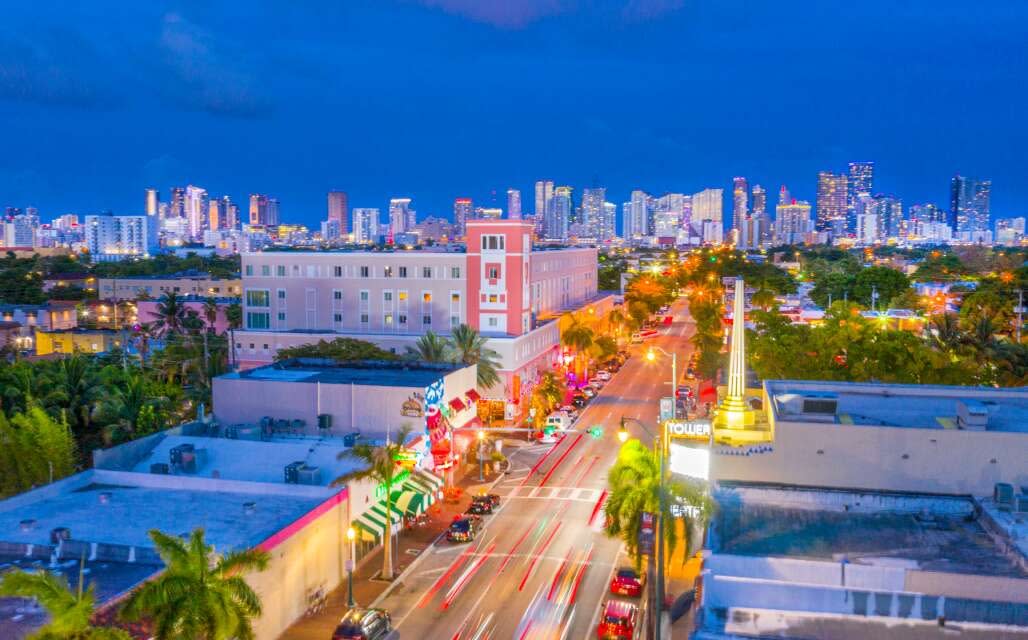
The Significance of Calle Ocho
The spine of the neighborhood is Southwest 8th Street, universally known as Calle Ocho. This is the primary thoroughfare where the majority of the district’s tourism, commerce, and cultural celebrations occur. If you are looking for the “center” of Little Havana, you will find it concentrated between 12th and 17th Avenues on Calle Ocho. This stretch is home to the most famous landmarks, restaurants, and galleries that define the area’s identity.
Accessing the neighborhood is remarkably straightforward for those staying in South Beach or Midtown Miami. A short drive or ride-share across the MacArthur Causeway leads directly into the district. For those arriving from Miami International Airport, the neighborhood is less than five miles to the east, making it an ideal first stop for those eager to taste authentic Latin America culture immediately upon landing.
The Historic Boundaries
While the tourism hub is concentrated, the residential footprint of Little Havana extends further. Historically, the area grew as a refuge for those fleeing the Cuban Revolution in the 1960s. Today, it remains a “port of entry” for many immigrants from across the Caribbean and Central America. Walking through the side streets, visitors will notice a mix of Mediterranean Revival architecture and colorful bungalows, many of which are adorned with murals depicting heroes of Cuban history like Jose Marti.
The Cultural Soul of Little Havana
What makes Little Havana unique among global ethnic enclaves is its preservation of daily rituals. This is not a neighborhood built for tourists; it is a living, breathing community where traditional customs are practiced with pride.
The Art of the Cafecito
The “ventanita” (little window) is perhaps the most important architectural feature in the neighborhood. These walk-up coffee windows are social hubs where locals gather to discuss politics, family, and sports over a “cafecito”—a potent, sugary Cuban espresso. Visiting a ventanita at Versailles Restaurant or Latin Cafe 2000 provides a front-row seat to the neighborhood’s social fabric. The ritual of ordering a “colada”—a large espresso meant for sharing—and pouring small shots for friends is a fundamental gesture of hospitality in this part of Miami.
Domino Park: A Living Tradition
No visit to Little Havana is complete without a stop at Maximo Gomez Park, famously known as Domino Park. Located at the corner of Calle Ocho and 15th Avenue, this park is the literal and metaphorical heart of the community. Here, retirees sit at shaded tables, passionately slamming domino tiles onto the surface in a game that is as much about social connection as it is about strategy. The walls of the park are decorated with tile mosaics, and the atmosphere is thick with the sounds of Spanish banter and the clacking of tiles. It is a place that feels frozen in time, reflecting the spirit of Havana in the mid-20th century.
The Cinematic History of the Tower Theater
Standing tall on Calle Ocho is the Tower Theater, one of Miami’s oldest cultural landmarks. Opened in 1926, this Art Deco gem played a pivotal role in the lives of Cuban immigrants. In the 1960s, it began screening English-language films with Spanish subtitles, helping new arrivals integrate into American life while maintaining their native tongue. Today, it remains a center for independent cinema and cultural exhibitions, managed as a historical site that bridges the gap between the neighborhood’s past and its future.
A Gastronomic Journey through Calle Ocho
For many visitors, the primary draw of Little Havana is the food. The culinary landscape here is a rich tapestry of flavors rooted in Cuba but influenced by the tropical ingredients of the Atlantic Ocean region.
Iconic Eateries and Hidden Gems
The most famous culinary destination is undoubtedly Versailles Restaurant. Often called “The World’s Most Famous Cuban Restaurant,” it has served as a gathering place for the exile community for decades. While its dining room is elegant, its real magic happens at the counter, where visitors can order a classic Cuban sandwich—layered with ham, roasted pork, Swiss cheese, pickles, and mustard on crusty Cuban bread.
For a more contemporary take on the classics, Sanguich de Miami offers artisanal sandwiches that have gained national acclaim. Their dedication to making everything from scratch—from the pickles to the mustard—represents the evolution of the neighborhood’s food scene. Meanwhile, Old’s Havana Cuban Bar & Cocina provides a nostalgic atmosphere where diners can enjoy “ropa vieja” (shredded beef) while listening to live boleros.
Tropical Flavors and Artisanal Sweets
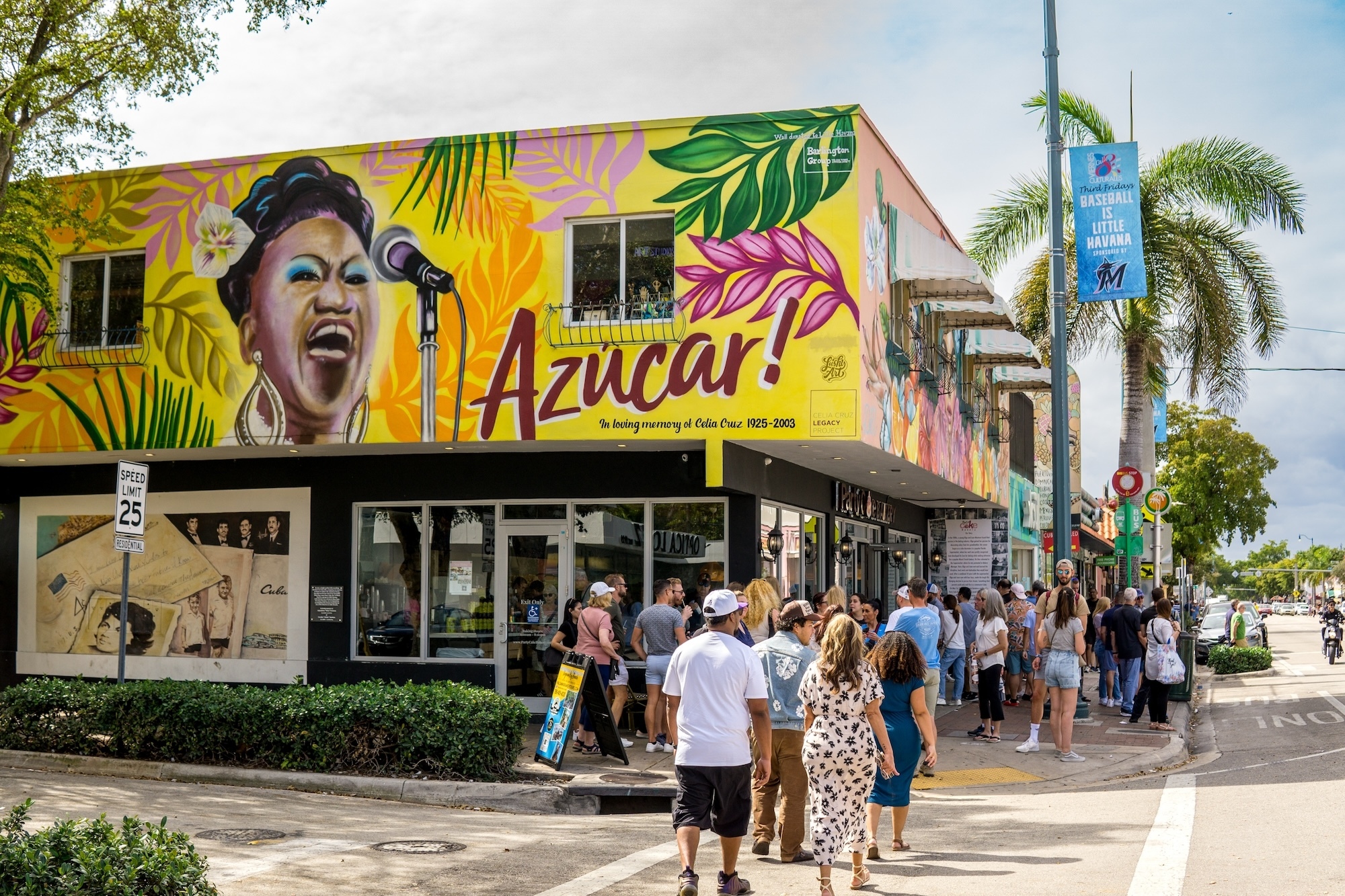
After a savory meal, the neighborhood offers plenty of ways to cool down. Azucar Ice Cream Company is a local sensation, located directly across from the Tower Theater. Its signature flavor, “Abuela Maria,” combines guava, cream cheese, and Maria crackers, capturing the essence of a traditional Cuban snack in frozen form. For those who prefer fresh fruit, Los Pinareños Fruteria is an open-air market that has been around for generations. Here, you can sip on “guarapo”—freshly squeezed sugarcane juice—and browse piles of mamey, papaya, and mango.
Festivals, Music, and the Local Lifestyle
Little Havana is a neighborhood that celebrates loudly. Music is not an occasional event here; it is a constant presence, drifting from the doorways of cigar shops and the windows of passing cars.
Viernes Culturales and the Art Scene
On the last Friday of every month, the neighborhood hosts Viernes Culturales (Cultural Fridays). This street festival brings thousands of locals and tourists to Calle Ocho to enjoy outdoor concerts, art gallery openings, and dance performances. It is the best time to visit for those who want to see the area’s art scene in full bloom. You can explore the Cubaocho Museum & Performing Arts Center, which houses a massive collection of Cuban art and a bar with one of the most extensive rum selections in the United States.
The neighborhood also honors its legends along the Little Havana Walk of Fame. Similar to the famous walk in Hollywood, this stretch of sidewalk features pink marble stars honoring Latin America icons like Celia Cruz and Gloria Estefan.
The Annual Calle Ocho Music Festival
Each March, the neighborhood hosts the Calle Ocho Music Festival, part of the larger Carnival Miami celebration. It is one of the largest Hispanic festivals in the world, spanning dozens of city blocks. The festival is a sensory explosion of salsa, reggaeton, and bachata music, accompanied by endless food stalls. It is a moment when the entire city of Miami turns its eyes toward Little Havana to celebrate pan-Latin identity.
Practical Tips for Visiting Little Havana
Navigating this bustling district requires a bit of local knowledge to ensure a seamless experience. While Little Havana is generally welcoming, it has its own pace and etiquette.
Best Times to Visit
For the most authentic atmosphere, visit during the daytime on a weekday or a Saturday. The morning is the best time to witness the “ventanita” culture, while the afternoon is perfect for watching the matches at Maximo Gomez Park. If you are looking for nightlife, Ball & Chain is a historic jazz club and lounge that offers live salsa music and dancing late into the night. It originally opened in the 1930s and has been meticulously restored to its former glory, featuring a pineapple-shaped stage in the back garden.

Respectful Tourism and Local Etiquette
While Little Havana is a major tourist destination, it is also a place of deep historical trauma and triumph. When visiting the Cuban Memorial Boulevard on 13th Avenue, maintain a respectful tone. This area contains the Bay of Pigs Monument, which honors those who died during the 1961 invasion. An eternal flame burns here, serving as a solemn reminder of the political history that shaped this community.
Visitors should also be aware that while English is widely understood, Spanish is the primary language of the neighborhood. Learning a few basic phrases—like “un cafecito, por favor”—goes a long way in building rapport with local shopkeepers. Additionally, while the main stretch of Calle Ocho is very walkable, parking can be challenging. Many visitors find it easier to use public transit or park in one of the metered lots a block or two away from the main drag.
Whether you are there to watch a cigar being hand-rolled at El Titan de Bronze or to explore the historical exhibits at the Cuban Museum, Little Havana offers a soul-stirring look at a culture that has profoundly influenced the United States. It is not just a location on a map; it is the living history of Miami.
LifeOutOfTheBox is a participant in the Amazon Services LLC Associates Program, an affiliate advertising program designed to provide a means for sites to earn advertising fees by advertising and linking to Amazon.com. Amazon, the Amazon logo, AmazonSupply, and the AmazonSupply logo are trademarks of Amazon.com, Inc. or its affiliates. As an Amazon Associate we earn affiliate commissions from qualifying purchases.