
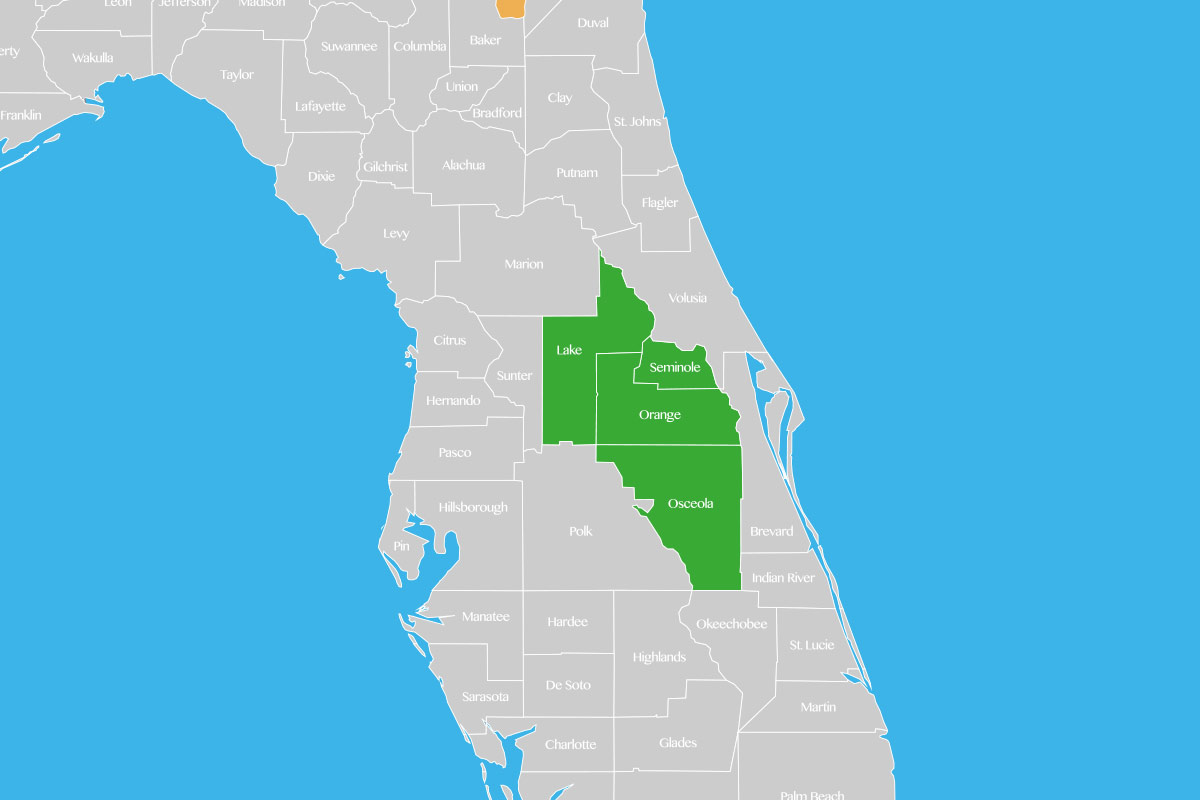
Osceola County is a centrally located region in the state of Florida, serving as a vital bridge between the bustling metropolitan energy of Orlando and the sprawling, natural beauty of the Northern Everglades. Geographically, it is situated in the heart of the Florida peninsula, southeast of the geographic center of the state. As part of the Orlando-Kissimmee-Sanford Metropolitan Statistical Area, it occupies a strategic position that makes it one of the most visited and rapidly growing regions in the United States. With its vast landscapes ranging from ranchlands to high-tech hubs, understanding where Osceola County lies requires an exploration of its boundaries, its landmark ecosystems, and its cultural architecture.

Geographic Heart: Navigating the Boundaries and Landscapes
Osceola County covers approximately 1,506 square miles, of which a significant portion is comprised of water. Its placement in Central Florida makes it a landlocked county, yet it is defined by its massive lake systems and river headwaters. It shares its northern border with Orange County, which houses the majority of the world-famous theme parks that many mistakenly assume are within Orlando city limits. To the west lies Polk County, a region known for its citrus groves and the historic Bok Tower Gardens.
To the east and southeast, the county’s borders stretch toward the Atlantic Ocean coast, though it does not reach the sea. It is bordered by Brevard County and Indian River County to the east, and Okeechobee County to the south. The southern tip of Osceola County is notably rural, home to historic outposts like Yeehaw Junction and Kenansville. This southern reach is characterized by vast prairies and cattle ranches, a stark contrast to the dense suburban development found in the northern part of the county near the city of Kissimmee.
The topography of the region is relatively flat, typical of the Florida plateau, but it holds immense ecological significance. Osceola County is widely recognized as the starting point of the Everglades ecosystem. The water that flows through its lakes and rivers eventually makes its way south to Lake Okeechobee and the “River of Grass.” This positioning makes the county a critical landmark for environmental conservation and water management in the southeastern United States.
Natural Landmarks: The Pristine Waters and Preserves
One of the most defining landmarks of Osceola County is Lake Tohopekaliga, often referred to by locals as Lake Toho. Located adjacent to the city of Kissimmee, this 22,700-acre lake is a world-renowned destination for bass fishing and bird watching. It serves as a natural centerpiece for the county, offering a glimpse into the prehistoric Florida landscape before the arrival of modern infrastructure. Along its shores, Kissimmee Lakefront Park stands as a testament to successful urban planning, blending natural beauty with community landmarks.
Further north, Shingle Creek Regional Park provides another landmark of immense natural value. Recognized as the official headwaters of the Everglades, Shingle Creek offers a serene environment for kayaking and canoeing. The cypress forests here create a cathedral-like canopy that transports visitors back to the 19th century, long before the region became a global tourism hub.
For those venturing into the more remote areas of the county, the Kissimmee Prairie Preserve State Park is a must-visit landmark. This massive expanse of dry prairie is a remnant of the landscape that once covered much of Central Florida. It is particularly famous for its “Dark Sky” recognition, being one of the few places in the state where light pollution is low enough to see the Milky Way clearly. Other significant natural landmarks include Triple N Ranch Wildlife Management Area and Bull Creek Wildlife Management Area, which preserve the rugged, wild spirit of the county’s interior.

Historical and Architectural Identity: From Cattle Capital to Planned Communities
The history of Osceola County is etched into its architecture and town layouts. Kissimmee, the county seat, was originally a small trading post and became a major hub for the cattle and steamboat industries in the late 1800s. The historic downtown area still retains much of its charm, with brick-lined streets and buildings that reflect the frontier spirit of the era. A unique landmark found here is the Monument of States. Constructed during World War II by Charles Bressler-Pettis, this eccentric structure is made of stones and minerals from every state in the union, symbolizing national unity.
To the east of Kissimmee lies St. Cloud, known as the “Soldier City.” Originally founded as a retirement community for Union Army veterans, its architecture follows a strict grid system, and many of its historic homes have been preserved. The contrast between the rugged cattle history of Kissimmee and the organized, patriotic origins of St. Cloud provides a fascinating look at the county’s developmental history.
In the late 20th century, Osceola County became the site of one of the most famous architectural experiments in the United States: Celebration. Developed by The Walt Disney Company, Celebration is a master-planned community designed around the principles of “New Urbanism.” Its colorful, picture-perfect downtown, walking trails, and traditional architectural styles make it a significant landmark for urban planners and tourists alike. Similarly, the community of Poinciana represents a different era of suburban expansion, reflecting the county’s role as a residential haven for those working in the nearby tourism industry.
Modern Landmarks and Cultural Hubs
As Osceola County continues to evolve, it has embraced its role as a premier destination for entertainment and technology. Osceola Heritage Park is a landmark cultural center that hosts the annual Silver Spurs Rodeo, the largest rodeo east of the Mississippi River. The onsite Silver Spurs Arena is a centerpiece for local heritage, keeping the “cowboy” history of the county alive in a modern setting.
The northern corridor of the county, specifically along Highway 192, is home to landmarks that cater to the millions of visitors who flock to Central Florida. Old Town in Kissimmee is a recreation of a classic Florida town, complete with a Ferris wheel and weekly classic car shows. Nearby, Fun Spot America provides a local alternative to the massive theme parks, featuring white-knuckle roller coasters and family-friendly attractions.
The county is also the gateway to some of the world’s most famous landmarks. While Walt Disney World Resort is primarily located in Orange County, a significant portion of the resort’s southern property, including parts of Disney’s Animal Kingdom and various resort hotels, sits within Osceola County. This proximity has spurred the development of luxury landmarks like the Gaylord Palms Resort & Convention Center, known for its massive atrium that recreates different Florida ecosystems, and the sprawling Reunion Resort, which features world-class golf courses designed by legends like Jack Nicklaus and Arnold Palmer.
Looking toward the future, NeoCity is becoming a landmark of technological innovation. This 500-acre master-planned tech hub is designed to be the epicenter of semiconductor research and manufacturing in the United States. Its sleek, modern architecture and research facilities represent a new chapter for Osceola County, shifting its identity from a tourism and agriculture-based economy to a leader in global technology.
Educational and charitable landmarks also play a vital role in the county’s footprint. Valencia College has a major presence here, providing a foundation for the local workforce. Perhaps most inspiring is Give Kids The World Village, an 89-acre nonprofit resort in Kissimmee that provides week-long, cost-free vacations to children with critical illnesses and their families. This landmark stands as a beacon of hope and compassion in the heart of the county.
In summary, Osceola County is far more than just a neighbor to Orlando. It is a diverse and multifaceted region defined by its critical role in the Everglades ecosystem, its rich heritage as the cattle capital of the south, and its modern evolution into a hub of technology and world-class tourism. Whether you are exploring the historic streets of Kissimmee, fishing on the waters of Lake Tohopekaliga, or enjoying the architectural charm of Celebration, Osceola County offers a unique and essential piece of the Florida experience.
LifeOutOfTheBox is a participant in the Amazon Services LLC Associates Program, an affiliate advertising program designed to provide a means for sites to earn advertising fees by advertising and linking to Amazon.com. Amazon, the Amazon logo, AmazonSupply, and the AmazonSupply logo are trademarks of Amazon.com, Inc. or its affiliates. As an Amazon Associate we earn affiliate commissions from qualifying purchases.