
When travelers look at a map of the United States, their eyes often gravitate toward the glittering coastlines or the sprawling theme park capital of the world. However, nestled in the northeastern quadrant of the Sunshine State lies a hidden gem that offers a different perspective on the Florida experience. Palatka is a city that defines the “Old Florida” charm, characterized by its deep connection to the water, towering cypress trees, and a slower pace of life. Understanding exactly where Palatka is located is the first step in uncovering one of the most significant historical and natural hubs in the region.
Pinpointing Palatka: Geography and Regional Connectivity
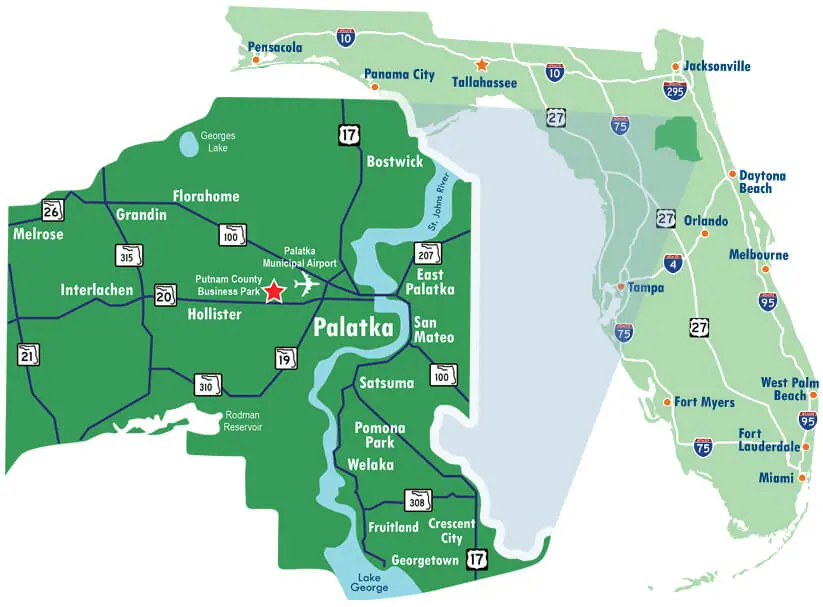
To find Palatka on the map, you must look toward Northeast Florida, specifically within the borders of Putnam County. It serves as the county seat and is strategically positioned along a major bend in the St. Johns River, one of the few rivers in the world that flows primarily northward. Its geographical coordinates are approximately 29.6486° N latitude and 81.6376° W longitude.
The Heart of Putnam County
Palatka occupies a central role in Putnam County, acting as the commercial and cultural anchor for the surrounding rural and suburban communities. On a map, you will see it situated roughly halfway between the Atlantic Ocean to the east and the sprawling interior forests to the west. This positioning has historically made it a vital inland port and a gateway for those traveling from the coast into the heart of the Florida peninsula. The city is bounded by the river to its east, providing not only a beautiful scenic backdrop but also a defining physical characteristic that has shaped its development for centuries.
Proximity to Major Florida Hubs
One of the most appealing aspects of Palatka for modern travelers is its proximity to several of Florida’s most famous metropolitan areas, while remaining far enough away to maintain its quiet, small-town atmosphere.
- Jacksonville: Located approximately 60 miles to the north, Jacksonville is the nearest major urban center. Travelers can easily reach Palatka from the Jacksonville International Airport in about an hour and fifteen minutes by car.
- St. Augustine: To the northeast lies the oldest city in the nation. St. Augustine is roughly 30 miles away, making Palatka an excellent secondary stop for history buffs visiting the coast.
- Gainesville: To the west, about 45 miles away, is the home of the University of Florida. The drive between Gainesville and Palatka takes visitors through some of the state’s most scenic agricultural lands.
- Orlando: For those coming from the theme parks, Palatka is about 100 miles north. This distance is ideal for a day trip or a weekend getaway for residents of Central Florida looking to escape the crowds.
Navigating the River City: Transportation and Routes
Finding your way to Palatka is relatively straightforward, thanks to its position at the intersection of several key regional highways and its unique status as a stop on a major national rail line.
The Lifeline of U.S. Route 17 and State Road 100
If you are traveling by car, U.S. Route 17 is the primary artery that brings you into the city. Running north-south, this highway connects Palatka to Jacksonville and Orlando. It offers a much more scenic and relaxed drive compared to the high-speed traffic of Interstate 95, which runs parallel to the coast about 25 miles to the east.
State Road 100 is the other major thoroughfare, running east-west and linking the city directly to Flagler Beach on the coast and Lake City further inland. This crossroads makes Palatka a natural stopping point for cross-state travelers. The Memorial Bridge, a signature architectural feature of the city, carries traffic over the St. Johns River, offering panoramic views of the water and the historic riverfront.
A Historic Rail Hub: The Amtrak Connection
Interestingly, Palatka is one of the few smaller Florida cities that remains accessible via passenger rail. The Amtrak Silver Service trains, including the Silver Meteor and Silver Star, stop at the Palatka Station twice daily. This historic station, built in 1881, is located in the heart of the city and connects Palatka to major cities all along the Eastern Seaboard, from Miami all the way to New York City. Traveling by train provides a nostalgic way to arrive in a city that itself feels like a portal to the past.
Landmark Destinations and Natural Wonders

When you locate Palatka on a map, you will notice it is surrounded by vast green spaces and water bodies. These are not just empty lands; they are some of the most cherished landmarks in Northeast Florida.
Ravine Gardens State Park: A Natural Masterpiece
Just a short distance from the city center lies Ravine Gardens State Park. This park is unique in Florida geography. Unlike the typical flat terrain of the state, these ravines were formed by the erosion of the sandy banks of the St. Johns River over thousands of years. In the 1930s, the Works Progress Administration transformed the area into a formal garden. Today, visitors can explore the suspension bridges, stone terraces, and miles of hiking trails. During the early spring, the park is a riot of color as thousands of azaleas bloom, attracting photographers and nature lovers from across the state.
The Majestic St. Johns River
The St. Johns River is the literal and figurative lifeblood of Palatka. On the map, the river widens significantly as it passes the city, creating an expansive playground for water sports. The area is renowned as the “Bass Capital of the World,” and many travelers come specifically to fish in these fertile waters or the nearby Lake George.
For those who prefer sightseeing to fishing, the St. Johns River Center provides an educational overview of the river’s ecosystem and history. The waterfront is also home to several parks and a riverfront boardwalk that allows travelers to take in the sunset over the water, a classic Palatka experience.
Cultural Landmarks and Historical Significance
Beyond its geography, Palatka is defined by its architectural and cultural history. It was once a major tourist destination in the late 19th century, often called the “Gem of the St. Johns,” where wealthy travelers from the north would arrive by steamboat to winter in grand hotels.
The Bronson-Mulholland House and Historic Districts
The Bronson-Mulholland House, built in 1854, is one of the most significant landmarks in the city. Located in the North Historic District, this fully restored Greek Revival mansion offers a glimpse into the antebellum era of the region. Nearby, the Putnam County Historical Society and the Larimer Arts Center serve as centers for the preservation of local stories and creativity. Walking through the downtown area, travelers will see numerous murals that depict the history of the town, from the indigenous Timucua people to the arrival of the Spanish and the growth of the timber industry.
Festivals and Seasonal Landmarks
The location of Palatka makes it a hub for several major regional events. The Florida Azalea Festival held in March and the Blue Crab Festival held in May are two of the largest. During these times, the city transforms, and the map of the downtown area becomes a bustling grid of vendors, live music stages, and food stalls. For travelers, these festivals are the perfect time to visit to experience the local culture and hospitality.
Travel Planning: When to Visit and What to Expect
Because of its inland location in Northeast Florida, Palatka experiences slightly more seasonal variation than South Florida.
- Spring (March to May): This is arguably the best time to visit. The Florida Azalea Festival is in full swing, the weather is mild, and the humidity is relatively low.
- Autumn (October to November): The temperatures begin to drop, making it ideal for hiking in Welaka State Forest or exploring the Ocala National Forest, which is just a short drive to the southwest.
- Winter (December to February): While it can get chilly, Palatka rarely sees freezing temperatures. It is a popular time for boaters and those looking to enjoy the quiet of the river without the summer heat.
Travelers arriving in Palatka will find a variety of local dining options, particularly seafood restaurants that take advantage of the proximity to the St. Johns River and the Atlantic Ocean. The city is also home to St. Johns River State College, which adds a youthful energy to the community and supports local arts through the Florida School of the Arts.
Whether you are navigating by GPS or a traditional paper map, finding Palatka is an invitation to discover a part of Florida that feels untouched by time. From the depths of its ravines to the wide expanse of its river, this city remains a vital destination for any traveler seeking authenticity, history, and natural beauty in the heart of the state.
LifeOutOfTheBox is a participant in the Amazon Services LLC Associates Program, an affiliate advertising program designed to provide a means for sites to earn advertising fees by advertising and linking to Amazon.com. Amazon, the Amazon logo, AmazonSupply, and the AmazonSupply logo are trademarks of Amazon.com, Inc. or its affiliates. As an Amazon Associate we earn affiliate commissions from qualifying purchases.