
Finding Palm Coast on the map is the first step toward discovering one of the most serene and naturally preserved destinations in Florida. Situated along the northeastern coast of the Sunshine State, this hidden gem is located in Flagler County, serving as a tranquil bridge between the historic charm of the north and the high-energy pulse of the south. When looking at a map of the United States, Palm Coast sits approximately midway between St. Augustine and Daytona Beach, making it a central point of the region often referred to as the First Coast.
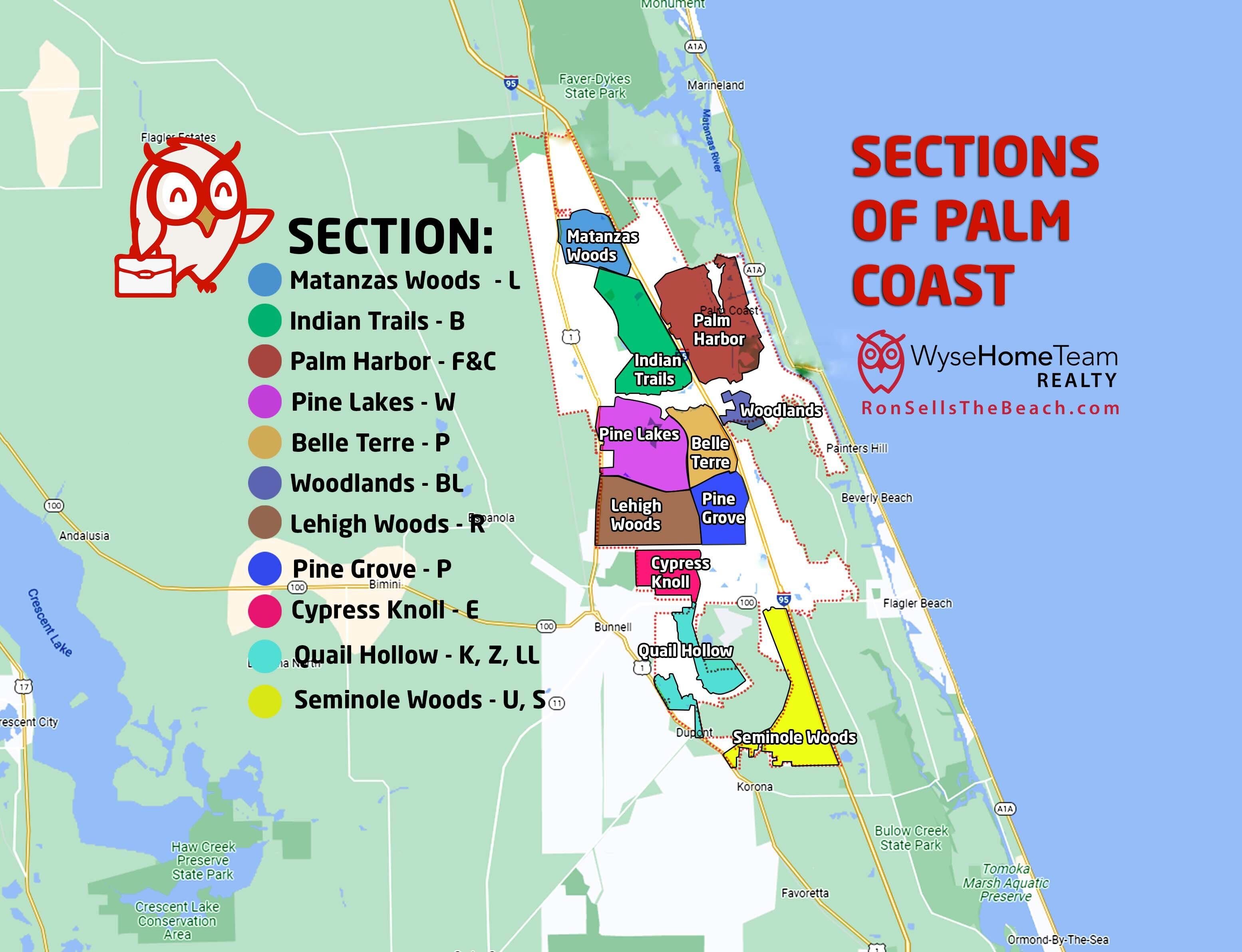
Pinpointing Palm Coast: The Heart of the First Coast
The geographic coordinates of Palm Coast place it in a prime location for travelers who desire both seclusion and accessibility. It is a city that didn’t just grow by accident; it was meticulously planned to integrate residential life with the surrounding environment, resulting in a map dominated by green spaces, canals, and saltwater marshes.
Bordering the Atlantic and the Intracoastal
To the east, Palm Coast is defined by the Atlantic Ocean. However, unlike many of its neighbors, the coastline here remains largely undeveloped, offering miles of unobstructed ocean views. Running parallel to the coast is the Intracoastal Waterway, a vital navigational route that cuts through the city, providing an endless playground for boaters, kayakers, and fishing enthusiasts. This dual water frontage creates a unique “island feel” for the hammocks and coastal communities situated between the river and the sea.
The city itself is sprawling, characterized by a series of interconnected neighborhoods often referred to as the “alphabet sections.” On a local map, you will notice that the streets in each neighborhood start with the same letter, a quirky planning remnant that makes navigation surprisingly intuitive for those in the know.
A Strategic Position Between Historic and Modern Hubs
Palm Coast is strategically positioned for the modern traveler. Driving north for about 30 minutes leads you to St. Augustine, the oldest continuously inhabited European-established settlement in the United States. Heading south for a similar distance brings you to the world-famous Daytona Beach, known for its racing heritage and vibrant boardwalk.
For those arriving from larger metropolitan areas, Jacksonville is about an hour to the north, while Orlando lies approximately 90 minutes to the southwest. This positioning makes Palm Coast an ideal basecamp for exploring Northeast Florida, offering a quiet retreat to return to after a day of sightseeing in the busier surrounding cities.
The Natural Geography and Coastal Charm
What sets Palm Coast apart on the Florida map is its commitment to the environment. The city is a mosaic of conservation lands, parks, and trails. It is one of the few places in the state where you can find “coquina” rock formations along the shoreline, particularly at Washington Oaks Gardens State Park.
The Allure of the A1A Scenic and Historic Coastal Byway
One cannot talk about the location of Palm Coast without mentioning the A1A Scenic and Historic Coastal Byway. This iconic road winds through the eastern edge of the city, offering some of the most breathtaking views in the state. Traveling along this route, you bypass the monotony of the interstate and instead find yourself flanked by towering oak canopies on one side and the crashing waves of the Atlantic Ocean on the other.
The A1A Scenic and Historic Coastal Byway is more than just a road; it is a destination in itself. It connects Palm Coast to quaint seaside towns like Flagler Beach, where the lack of high-rise buildings maintains a nostalgic, “Old Florida” atmosphere.
Lush Preserves and Protected Ecosystems
A glance at the regional map reveals massive patches of green surrounding the city. To the north lies the Princess Place Preserve, an estate rich in history and natural beauty. This preserve sits at the confluence of Pellicer Creek and the Matanzas River, offering over 1,500 acres of pristine salt marshes and pine forests.

Within the city limits, the Graham Swamp Conservation Area provides a critical habitat for local wildlife and offers rugged trails for mountain biking and hiking. These protected areas ensure that even as Palm Coast grows, its identity as a nature-focused retreat remains intact.
Iconic Landmarks and Recreational Havens
While its location is its primary draw, the landmarks scattered across the Palm Coast landscape provide the substance of the travel experience. From historical ruins to luxury resorts, the city offers a diverse range of points of interest.
Historical Significance and Cultural Sites
One of the most profound historical markers on the map is the Bulow Plantation Ruins Historic State Park. Once a massive sugar mill plantation, the site now stands as a hauntingly beautiful collection of coquina ruins. It serves as a stark reminder of the region’s agricultural past and the Second Seminole War.
For a more modern cultural experience, visitors flock to the European Village. Located near the Intracoastal Waterway, this outdoor dining and shopping complex is designed to mimic the architecture of a traditional European square. It is a social hub where locals and tourists gather for farmer’s markets, live music, and diverse culinary offerings ranging from Italian to Irish cuisine.
World-Class Golf and Marine Life
Palm Coast is synonymous with golf. The map is dotted with championship courses, most notably those found at the Hammock Beach Golf Resort and Spa. The Ocean Course at Hammock Beach, designed by Jack Nicklaus, features several holes that play directly along the Atlantic Ocean, a rarity in Florida.
Just a few miles north on A1A is Marineland Dolphin Adventure. Founded in 1938 as a film studio and research facility, it is one of Florida’s first major tourist attractions. Today, it remains a world leader in marine mammal research and offers visitors the chance to interact with dolphins in a setting that emphasizes conservation and education.
Navigating the Region: Travel Logistics and Nearby Getaways
Understanding where Palm Coast is on the map also requires understanding how to get there. Its proximity to major transit corridors makes it one of the easiest coastal retreats to access in the Southeast.
Gateway Airports and Ground Transportation
For those flying into the region, there are several options. Daytona Beach International Airport is the closest commercial airport, located roughly 30 minutes south. Jacksonville International Airport is about an hour north and offers a wider range of domestic and international flights. Travelers may also choose to fly into Orlando International Airport, which is a larger hub but requires a longer drive.
On the ground, Interstate 95 is the primary artery for travelers. Multiple exits lead directly into the heart of Palm Coast, including Palm Coast Parkway and Matanzas Woods Parkway. Within the city, the Lehigh Greenway Rail Trail and other paved paths make it possible to navigate many areas by bicycle, reflecting the city’s eco-friendly design.

Day Trips to Surrounding Florida Gems
Because of its central location on the coast, Palm Coast serves as an excellent jumping-off point for several iconic Florida day trips.
- St. Augustine: A short drive north allows visitors to explore the Castillo de San Marcos and walk the cobblestone streets of the historic district.
- Flagler Beach: Just south of the city limits, this town offers a classic pier, local boutiques, and the famous cinnamon-colored sands.
- De Leon Springs State Park: Located inland toward the west, this park is famous for its natural springs and the “cook-your-own” pancake house.
- Blue Spring State Park: A bit further south and inland, this is a prime spot for viewing manatees during the winter months.
By locating Palm Coast on the map, travelers unlock a region that balances the quietude of a seaside sanctuary with the convenience of a modern city. Whether you are coming for the world-class golf, the historical landmarks, or the miles of pristine nature trails, Palm Coast occupies a unique and enviable space in the Florida landscape. It is a place where the map shows more green and blue than grey, promising an experience that is as refreshing as the Atlantic Ocean breeze.
LifeOutOfTheBox is a participant in the Amazon Services LLC Associates Program, an affiliate advertising program designed to provide a means for sites to earn advertising fees by advertising and linking to Amazon.com. Amazon, the Amazon logo, AmazonSupply, and the AmazonSupply logo are trademarks of Amazon.com, Inc. or its affiliates. As an Amazon Associate we earn affiliate commissions from qualifying purchases.