
While Florida is world-renowned for its sprawling coastlines, subtropical wetlands, and sea-level horizons, it possesses a geographical landmark that stands in quiet defiance of the state’s flat reputation. This landmark is Britton Hill, the highest natural point in the Sunshine State. Located in the northern reaches of the Florida Panhandle, this site offers a unique perspective on the state’s topography, far removed from the sandy beaches of Miami or the sawgrass prairies of the Everglades. Standing at an elevation of 345 feet above sea level, Britton Hill is a point of pride for Walton County and a mandatory stop for those tracking the highest peaks across the United States.
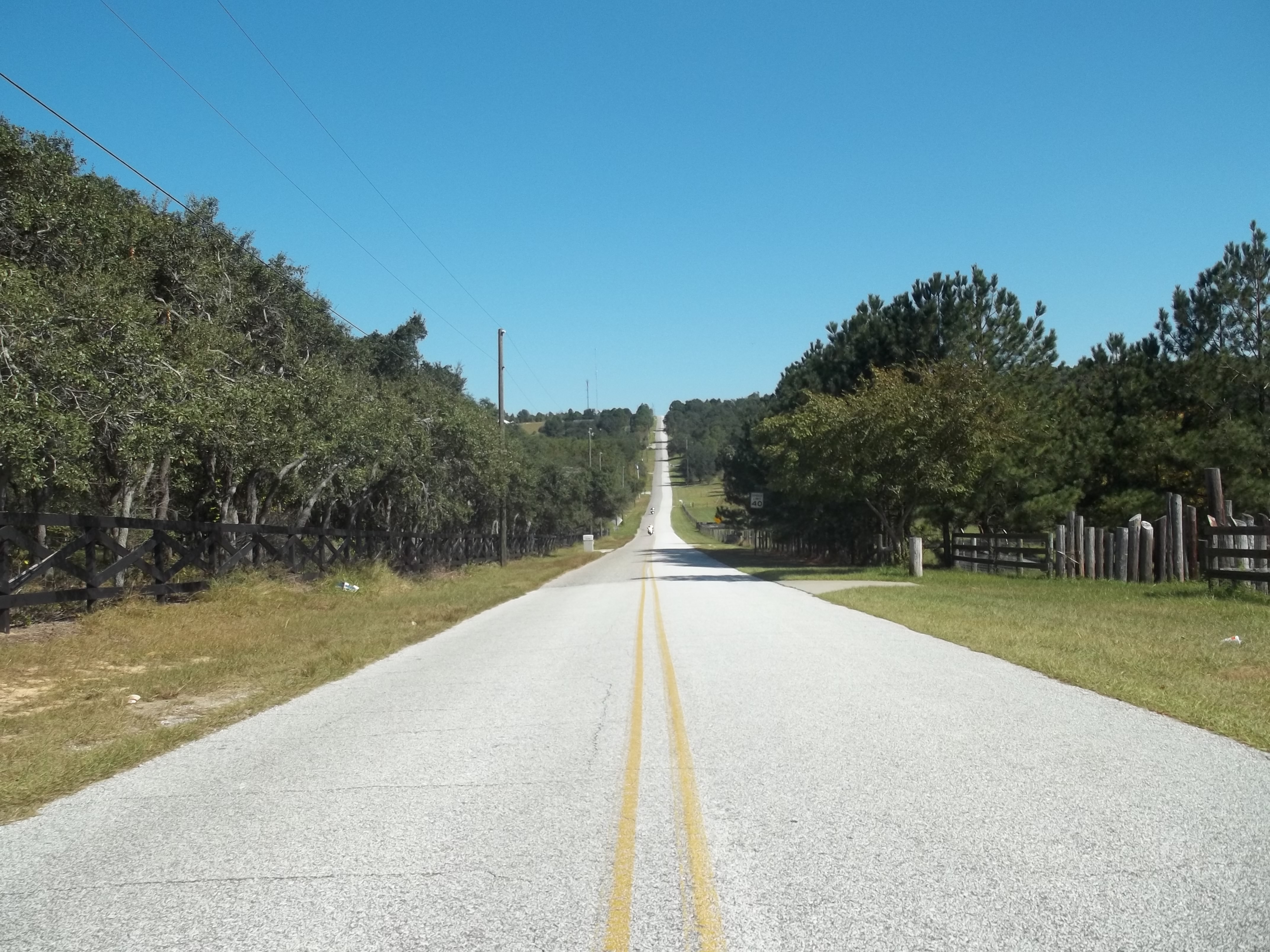
Britton Hill: The Landmark at the Summit
The highest elevation in Florida is not found atop a rugged mountain range or a volcanic peak, but rather on a gentle rise in the rolling hills of the northern Florida Panhandle. Britton Hill serves as a topographical anomaly in a state where the average elevation is only about 100 feet. It is situated near the small town of Paxton, just a short distance from the Alabama border. This landmark is housed within the serene confines of Lakewood Park, a space dedicated to preserving the site and providing access to those who wish to stand at the state’s literal “peak.”
Geographical Coordinates and Location
Specifically, Britton Hill is located at 30.98°N latitude and 86.28°W longitude. The site is easily accessible via County Road 285, making it one of the most reachable state high points in North America. Unlike the grueling climbs required to summit Mount Whitney in California or Denali in Alaska, the approach to the summit of Florida involves a leisurely drive followed by a short walk across a manicured lawn. The summit itself is marked by a stone monument and interpretive signage that explains the significance of the location.
The Significance of 345 Feet
To many, 345 feet might seem negligible, especially when compared to the towering summits of the Appalachian Mountains or the Rocky Mountains. However, in the context of Florida geology, this elevation is a monumental feature. It holds the distinction of being the lowest “high point” of any state in the United States. For comparison, the next lowest state high point is Ebright Azimuth in Delaware, which stands at 448 feet. This makes Britton Hill a fascinating outlier in the world of highpointing, a hobby where enthusiasts attempt to reach the highest point of every state.
Exploring Lakewood Park and the Surrounding Environment
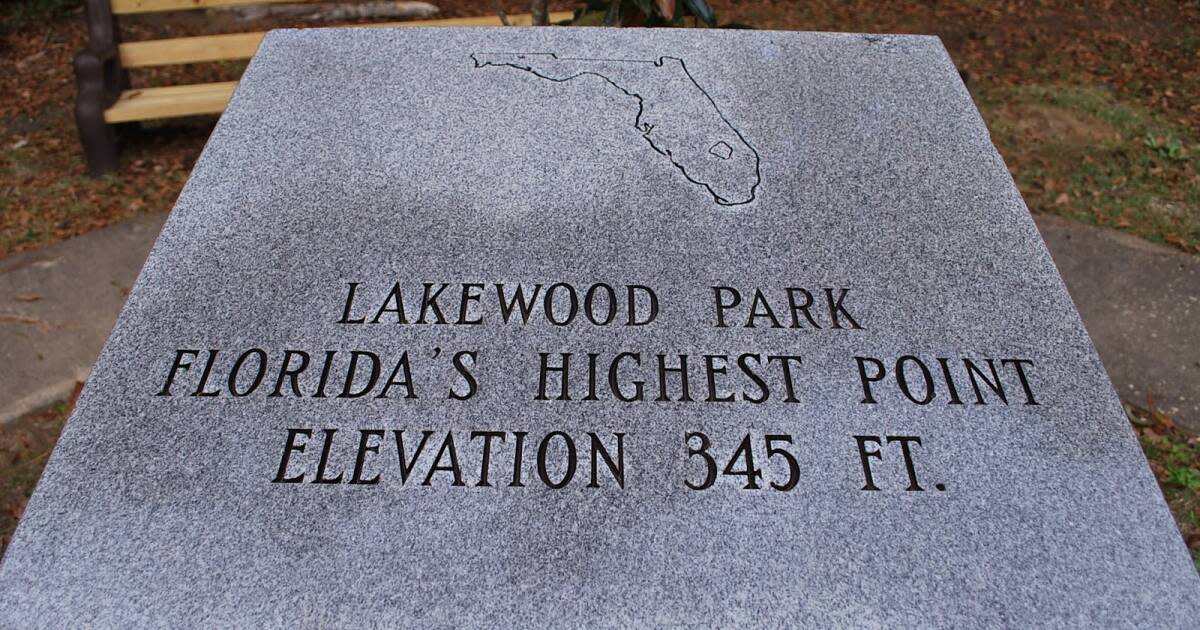
The landmark of Britton Hill is beautifully maintained by the Walton County Board of County Commissioners. The area, known as Lakewood Park, serves as more than just a marker for a geographic coordinate; it is a community space that highlights the natural beauty of North Florida. The park features walking trails, picnic areas, and a granite marker that proudly designates the spot as the highest point in the state.
The Natural Beauty of the Florida Panhandle
The environment surrounding Britton Hill is markedly different from the coastal regions of the Gulf of Mexico. Here, the landscape is characterized by upland hardwood forests and pine flatwoods. Visitors can see towering loblolly pines and various species of oak that thrive in the well-drained, sandy soils of the region. The air is often cooler and the humidity slightly lower than in South Florida, providing a pleasant atmosphere for exploring the outdoors. The park is located near the rural community of Lakewood, which adds a sense of quiet, pastoral charm to the experience.
Walking the Trails of the Summit
Within Lakewood Park, there are three distinct nature trails: the Red Trail, the White Trail, and the Blue Trail. These paths wind through the wooded areas surrounding the summit, offering glimpses of local wildlife such as white-tailed deer, various songbirds, and perhaps a gopher tortoise. While the trails do not offer dramatic elevation changes—true to Florida fashion—they provide a lush, green canopy that is typical of the Blackwater River State Forest ecosystem found further west. The trails are well-marked and offer a tranquil escape for those looking to immerse themselves in the flora and fauna of the northern highlands.
Topographical Comparisons: Florida’s Peaks vs. The Nation
To understand the landmark of Britton Hill, one must look at how it fits into the broader topographical map of the United States. While it is the highest point in the state, there are other “peaks” in Florida that often get confused with the summit. For instance, Iron Mountain in Lake Wales is home to the famous Bok Tower Gardens. Standing at 295 feet, Iron Mountain was once thought to be the highest point in the Florida Peninsula, but it remains significantly lower than the heights reached in Walton County.
Highpointers and the Quest for State Summits
The Highpointers Club, an organization dedicated to summiting the highest point in each of the 50 states, considers Britton Hill a unique “trophy.” For many highpointers, Florida is the easiest state to check off their list, often serving as a celebratory final peak or a quick detour during a trip through the Southeastern United States. The club maintains a register at the park where visitors can sign their names and record their journey. This tradition has turned Britton Hill into a cult-favorite landmark for domestic travelers.
How Florida Compares to Other Low-Elevation States
When comparing Florida to its neighbors, the differences in elevation are subtle but telling. In Alabama, the highest point is Cheaha Mountain, which rises to 2,407 feet—nearly seven times the height of Britton Hill. Even Mississippi boasts Woodall Mountain at 806 feet. The lack of significant elevation in Florida is a result of its geological history as a limestone plateau that was submerged under shallow seas for millions of years. Britton Hill represents the very tip of the Cenozoic sediment that washed down from the mountains to the north.
The Geology and History of Walton County
The landmark of Britton Hill is more than just a number on a map; it is a testament to the geological evolution of the Gulf Coastal Plain. The area consists of the Citronelle Formation, a geological layer of sand, gravel, and clay that dates back to the Pliocene and Pleistocene epochs. These sediments were deposited by ancient river systems, creating the rolling terrain that defines Walton County.
The Formation of the Northern Highlands
The “Northern Highlands” of Florida, where Britton Hill is located, are characterized by high, sandy ridges separated by deep river valleys. This region was formed as the Appalachian Mountains eroded over millions of years, sending silt and sand southward. While the Florida Peninsula remained largely flat and swampy, the Florida Panhandle benefited from these deposits, creating the “high” ground that eventually culminated in the peak at Lakewood Park.
From Agriculture to Natural Landmark
Historically, the region around Britton Hill was dominated by agriculture and timber. The nearby towns of Paxton and Geneva were centers for the logging of longleaf pine, which once covered the entire Southeastern United States. Over time, as the value of the unique topography was recognized, efforts were made to protect the site. Today, it stands as a landmark of geographical curiosity, drawing visitors away from the busy corridors of Interstate 10 and into the quiet hills of the north.

Visiting the Landmark: What to Expect
For those planning to visit the highest point in Florida, the experience is one of tranquility and subtle beauty. The landmark is located roughly an hour north of Crestview and about 90 minutes from the coastal city of Pensacola. It is also within a reasonable driving distance from Tallahassee, the state capital.
The site itself is unassuming. Upon arrival at Lakewood Park, visitors find a small parking area and a well-kept lawn. The centerpiece is the granite monument, which features a bronze plaque commemorating Britton Hill. Next to it, three flags typically fly—the flag of the United States, the flag of Florida, and the flag of Walton County.
While there are no sweeping mountain vistas, the site offers a profound sense of place. Standing at the top of Florida allows one to appreciate the sheer scale of the state’s flatlands stretching out toward the Lake Okeechobee and the Florida Keys hundreds of miles to the south. Other minor peaks, such as Sugarloaf Mountain in Lake County (standing at 312 feet), offer similar upland views, but Britton Hill remains the undisputed champion.
Nearby landmarks also include the Yellow River and the Choctawhatchee Bay, both of which define the aquatic geography of the Florida Panhandle. A visit to the highest elevation in Florida is a journey into the heart of the “other” Florida—a place of quiet forests, historic small towns like DeFuniak Springs, and a landscape that proves the Sunshine State has more depth (and height) than meets the eye.
LifeOutOfTheBox is a participant in the Amazon Services LLC Associates Program, an affiliate advertising program designed to provide a means for sites to earn advertising fees by advertising and linking to Amazon.com. Amazon, the Amazon logo, AmazonSupply, and the AmazonSupply logo are trademarks of Amazon.com, Inc. or its affiliates. As an Amazon Associate we earn affiliate commissions from qualifying purchases.