
The West Coast of Florida, often referred to as the Gulf Coast, is a sprawling geographical region that stretches from the western reaches of the Florida Panhandle down to the subtropical wilderness of the Everglades. Unlike the Atlantic side of the state, which is known for its high-energy surf and deep-water ports, the west coast is defined by the calm, turquoise waters of the Gulf of Mexico. This region is not just a point on a map; it is a collection of distinct cultural pockets, unique ecosystems, and a slower pace of life that draws millions of visitors seeking a more nuanced Florida experience.

Defining the Gulf Coast: Geography and Identity
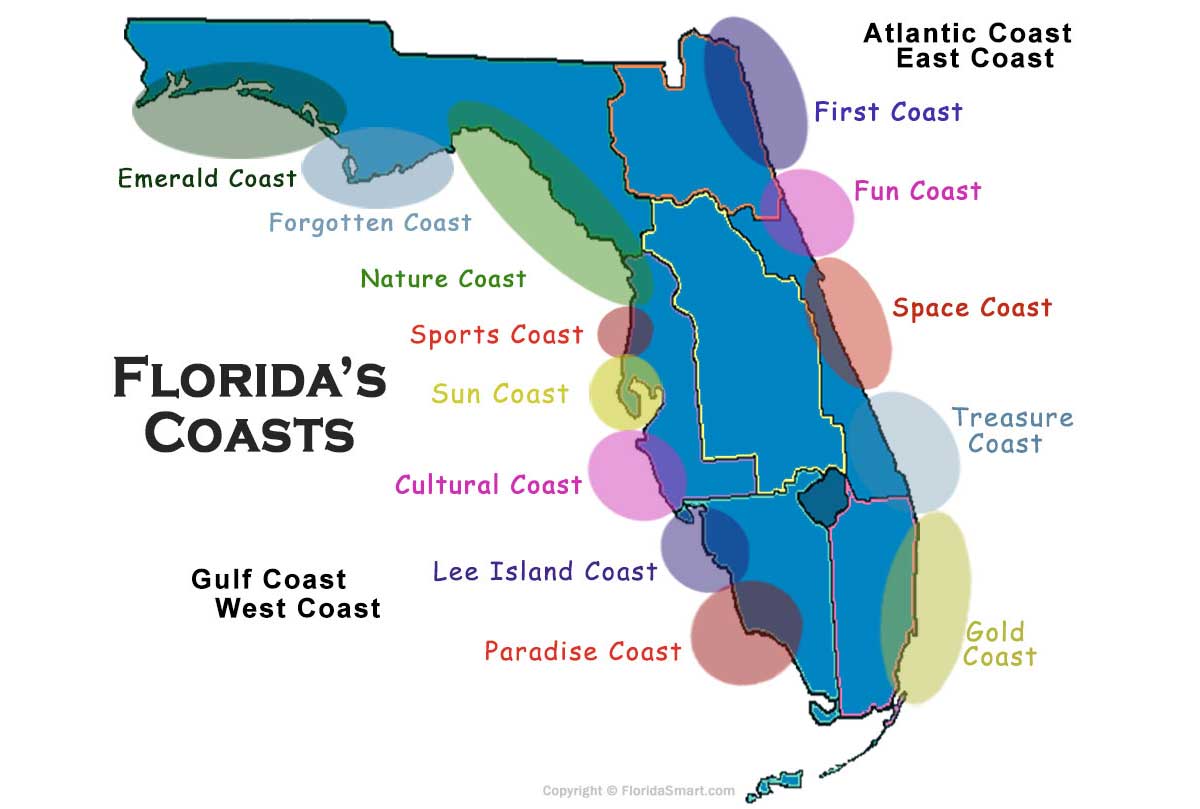
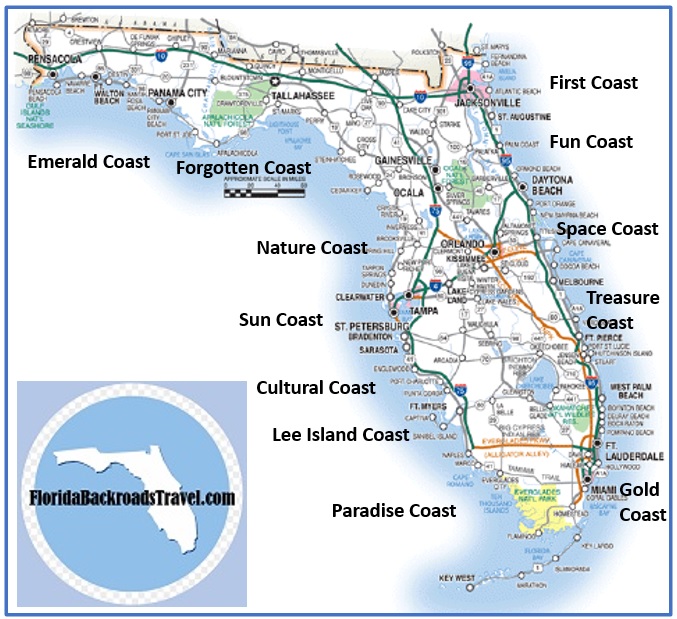
To understand where the west coast is, one must first look at its immense variety. It begins in the north with the Emerald Coast, home to cities like Pensacola and Destin. This area is characterized by quartz-white sand and a culture that blends Southern hospitality with coastal living. Moving south, the coastline curves into the “Big Bend,” a sparsely populated area where the Suwannee River meets the sea, offering a glimpse into the Old Florida of salt marshes and fishing villages like Cedar Key.
The Sun Coast and the Tampa Bay Hub
As you travel further south, you reach the Sun Coast. This is the most densely populated and commercially active part of the west coast. It centers around Tampa Bay, a massive natural harbor that supports the cities of Tampa, St. Petersburg, and Clearwater. Here, the identity of the west coast shifts from quiet fishing to a vibrant urban-coastal mix. The geography here is marked by barrier islands that protect the mainland, creating the iconic beaches that consistently rank among the best in the United States.
The Cultural Coast and the Paradise Coast
South of Tampa Bay lies the Cultural Coast, anchored by Sarasota. This region is defined by its sophisticated arts scene and opulent estates. Continuing south, the Paradise Coast encompasses Fort Myers, Naples, and Marco Island. This is where the landscape begins to merge with the Ten Thousand Islands, leading directly into the Everglades National Park. The water becomes shallower, the mangroves more dense, and the atmosphere increasingly tropical.
Immersing in Local Culture and Heritage
The culture of Florida’s west coast is a rich tapestry woven from various historical influences, ranging from early Native American tribes to Spanish explorers and Greek sponge divers. Each community along the coast offers a different “vibe” that reflects its heritage.
Greek Traditions in Tarpon Springs
One of the most unique cultural enclaves on the west coast is Tarpon Springs. Located just north of Clearwater, this town has the highest percentage of Greek Americans in the country. The culture revolves around the Sponge Docks, where the industry flourished in the early 20th century. Visitors can see the traditional diving boats, hear the language spoken in the streets, and experience authentic festivals that feel more like the Aegean Sea than the Gulf of Mexico.
The Artistic Legacy of Sarasota and St. Petersburg
For those interested in the arts, Sarasota is the undisputed champion. It was the winter home of John Ringling, whose legacy lives on through The Ringling museum complex. This cultural hub includes a world-class art museum, a circus museum, and the stunning Ca’ d’Zan mansion. Meanwhile, across the bay, St. Petersburg has rebranded itself as a mural-filled haven for modern creators. The Salvador Dalí Museum houses the largest collection of the artist’s work outside of Europe, anchoring a downtown area filled with independent galleries and performing arts venues.
Latin Influence and Ybor City
While Miami is famous for its Cuban culture, the west coast has its own deep-seated Latin roots in Ybor City. Established in the 1880s by Vicente Martinez-Ybor, this Tampa neighborhood was once the “Cigar Capital of the World.” Today, it is a National Historic Landmark District. Walking down Seventh Avenue, you can still smell the tobacco from hand-rolled cigars and see the wild roosters that roam the brick streets, remnants of the neighborhood’s early immigrant days.
A Culinary Journey Through the West Coast
The gastronomy of the west coast is heavily dictated by what comes out of the Gulf of Mexico. The “dock-to-table” philosophy isn’t a trend here; it’s a way of life that has sustained these communities for generations.
The Hunt for the Perfect Grouper Sandwich
If there is one dish that defines the west coast, it is the Grouper sandwich. This flaky, mild white fish is a local staple. Whether grilled, blackened, or fried, you will find it at upscale restaurants in Naples and beach shacks in Madeira Beach. The key to an authentic experience is ensuring the fish is locally caught; many establishments proudly display their daily catch reports to prove the freshness of the Gulf harvest.
Seasonal Delicacies: Stone Crab and Citrus
Between October and May, the region goes into a frenzy for Stone Crab. Unlike other crabbing industries, only the claws are harvested, and the crabs are returned to the water to regrow them. This sustainable practice makes the stone crab a prized delicacy. Cortez, one of the oldest working fishing villages in the state, is an excellent place to sample these along with other seasonal catches. Additionally, the inland areas near Fort Myers and Bradenton are part of Florida’s citrus belt, providing fresh Orange Juice and Key Lime Pie that taste vastly different when consumed near the source.
The Original Cuban Sandwich
There is a long-standing, friendly rivalry between Tampa and Miami over the origins of the Cuban Sandwich. On the west coast, the Tampa version is the gold standard, traditionally including Genoa Salami alongside ham, roasted pork, Swiss cheese, pickles, and mustard on Cuban Bread. This addition of salami reflects the Italian influence in Ybor City, making it a true culinary symbol of the region’s multicultural past.
Essential Activities and Natural Wonders
Tourism on the west coast focuses heavily on the outdoors. The lack of heavy surf makes the water ideal for a variety of activities that aren’t possible on the more turbulent Atlantic side.
Shelling on Sanibel and Captiva
Sanibel Island and Captiva Island are world-renowned for their shelling. Due to their unique east-west orientation, these islands act as a scoop for shells traveling across the Gulf. Engaging in the “Sanibel Stoop”—the posture people take while searching for Junonia or Conch Shells—is a rite of passage for visitors. It is a meditative, slow-paced activity that perfectly encapsulates the west coast lifestyle.
Manatee Encounters in Crystal River
Further north, Crystal River and Homosassa Springs offer one of the few places in the world where you can legally swim with West Indian Manatees. These “sea cows” migrate to the constant 72-degree waters of the natural springs during the winter months. Visiting Three Sisters Springs provides a chance to see these gentle giants in crystal-clear water, highlighting the state’s commitment to wildlife conservation and eco-tourism.
Sunset Rituals and Beach Life
Sunsets on the west coast are a daily event of significant cultural importance. Unlike the east coast, where the sun sets behind the land, here it sinks directly into the Gulf of Mexico. Communities like Clearwater Beach host nightly celebrations at Pier 60, featuring street performers and artisans. For those seeking a quieter experience, Siesta Key Beach in Sarasota offers sand made of 99% pure quartz, which stays cool to the touch even in the heat of a Florida afternoon.
Practical Tips for Navigating Florida’s West Coast
To truly enjoy the west coast, one must understand the rhythms of the region. Being prepared for the environment and the local customs will ensure a much more fulfilling trip.
Understanding the Seasons and Weather
The “best” time to visit depends on your tolerance for crowds and heat. High season runs from January to April, when “snowbirds” from the north flock to cities like Naples and Venice to escape the cold. Summer is hot and humid, but it is also when the water is the clearest and calmest. One tip for summer visitors: expect a thunderstorm almost every afternoon. These are usually brief but intense, and they are a vital part of the Florida ecosystem.
Wildlife Etiquette and Conservation
The west coast is home to delicate ecosystems. When visiting places like Anna Maria Island or Longboat Key, it is crucial to follow sea turtle nesting protocols. During nesting season, beachfront lights must be turned off to avoid disorienting hatchlings. Additionally, always be mindful of Red Tide, a naturally occurring algal bloom that can occasionally affect air and water quality. Checking local reports before heading to the beach is a standard practice for savvy tourists.
Navigating the Region
While the west coast has major airports like Tampa International Airport and Southwest Florida International Airport, the best way to see the coast is by car along Interstate 75 or the more scenic US Highway 41, also known as Tamiami Trail. For a truly local experience, consider using the Jolly Trolley in the Clearwater area or renting a boat to explore the intercoastal waterways that connect hidden gems like Cabbage Key and Gasparilla Island.
LifeOutOfTheBox is a participant in the Amazon Services LLC Associates Program, an affiliate advertising program designed to provide a means for sites to earn advertising fees by advertising and linking to Amazon.com. Amazon, the Amazon logo, AmazonSupply, and the AmazonSupply logo are trademarks of Amazon.com, Inc. or its affiliates. As an Amazon Associate we earn affiliate commissions from qualifying purchases.