
The University of West Florida, often referred to by the local community as a cornerstone of the Florida Panhandle, is much more than a mere educational institution. It is a sprawling landmark that bridges the gap between modern academic excellence and the rich, multi-layered history of the United States. Located in the westernmost part of Florida, the university occupies a unique geographic and cultural space that attracts visitors, historians, and nature enthusiasts from across the Gulf Coast region. Understanding the location of this landmark requires looking beyond simple coordinates and exploring the vibrant landscape of Pensacola, a city defined by its deep maritime roots and colonial heritage.
A Landmark Institution in the Heart of the Florida Panhandle
The University of West Florida is situated approximately ten miles north of Downtown Pensacola. The main campus is anchored in the Ferry Pass area of Escambia County. This region is characterized by its rolling hills and dense pine forests, a stark contrast to the flat, sandy coastal plains found in the southern parts of the state. The choice of this location was deliberate, providing a sense of seclusion and serenity while remaining interconnected with the urban infrastructure of Pensacola.
Proximity to Coastal Geography
The university sits in a prime position near the Escambia River and Escambia Bay. These waterways have served as vital arteries for trade and exploration for centuries, dating back to the arrival of explorers from Spain. The proximity to the Gulf of Mexico means that the campus is influenced by the humid subtropical climate of the region, where coastal breezes often temper the Florida heat. To the west, the campus is only a short drive from the Alabama state line, making it a pivotal landmark for residents of Mobile and the surrounding metropolitan areas.
The Significance of the Northwest Florida Region
Nestled between the Perdido River and the Apalachicola River, the area surrounding the university is known for its distinct biodiversity. The location serves as a gateway to the Emerald Coast, a stretch of coastline famous for its sugar-white quartz sand and turquoise waters. By being positioned in Northwest Florida, the University of West Florida acts as a cultural and economic anchor for a region that is geographically closer to New Orleans than it is to Miami.
The Campus as a Natural and Architectural Landmark
Spanning over 1,600 acres, the campus of the University of West Florida is one of the largest in the Florida State University System. It is widely regarded as a natural landmark due to its extensive nature preserves and wild spaces. Unlike many urban campuses that are confined by city blocks, this landmark is integrated into the native landscape of the Panhandle.
The Edward Ball Nature Trail
One of the most significant natural features within the university grounds is the Edward Ball Nature Trail. This boardwalk winds through a hardwood swamp and follows the edges of Thompson Bayou. It is a premier spot for observing local wildlife, including alligators, ospreys, and various species of migratory birds. The trail serves as an outdoor classroom and a sanctuary for those looking to experience the untouched beauty of the Florida wetlands without leaving the city limits of Pensacola.
Architectural Aesthetics and Campus Layout
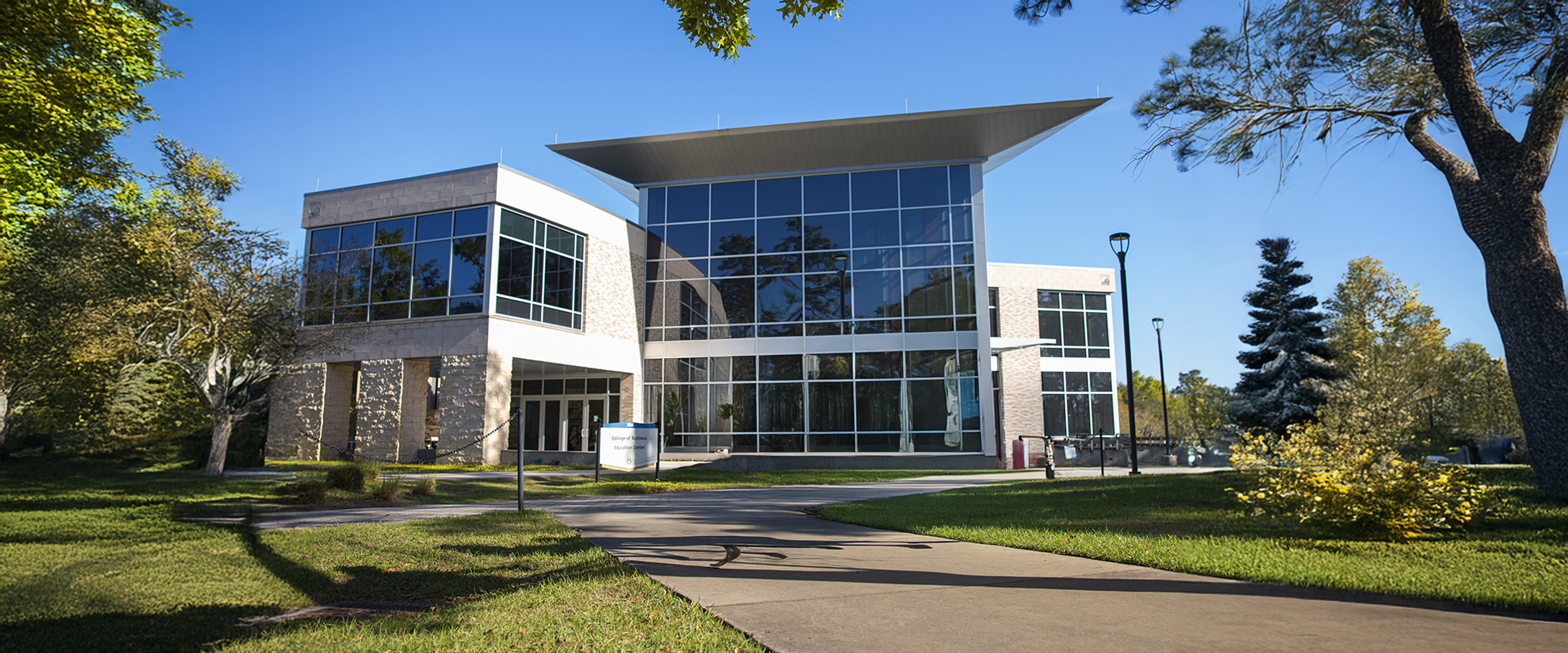
The architecture of the campus reflects a commitment to functional design that harmonizes with the environment. The buildings are often characterized by their use of brick and expansive glass, designed to invite the surrounding forest views into the learning spaces. The Argo Athletic Complex and the John C. Pace Library stand as prominent structures that define the university’s skyline. The library, in particular, is a central hub that offers panoramic views of the campus canopy, emphasizing the institution’s role as a beacon of knowledge in the wilderness.

Historical Integration: The University and Historic Pensacola
While the main campus is in Ferry Pass, the University of West Florida has a profound physical presence in Downtown Pensacola through the UWF Historic Trust. This makes the university a multi-site landmark that manages and preserves the very soul of the city.
Historic Pensacola Village
The University of West Florida manages the Historic Pensacola Village, a complex of twenty historical buildings and museums that tell the story of the “City of Five Flags.” Because Pensacola has been ruled by Spain, France, Great Britain, the United States, and the Confederate States of America, the area is an architectural melting pot. Landmark sites within this village include the T.T. Wentworth Jr. Florida State Museum, which is housed in the old Pensacola City Hall, a stunning example of Mediterranean Revival architecture.
Museums and Cultural Preservation
Under the university’s stewardship, several other landmarks in the downtown area thrive. The Pensacola Museum of Art, the Pensacola Children’s Museum, and the Museum of Commerce provide a comprehensive look at the evolution of the region. The Voices of Pensacola Multicultural Center further highlights the diverse ethnic histories that have shaped the Florida Panhandle. By maintaining these sites, the university ensures that the historical identity of West Florida remains accessible to the public.
Arcadia Mill Archaeological Site
Located in nearby Milton, the Arcadia Mill Archaeological Site is another critical landmark managed by the university. As the site of the first and largest antebellum industrial complex in Florida, it features a water-powered sawmill, a bucket factory, and a silk farm. This location provides a window into the industrial history of the Southern United States and is a key destination for those interested in industrial archaeology.
Exploring the Surroundings: Proximity to Iconic Gulf Coast Landmarks
The location of the University of West Florida places it within minutes of some of the most famous landmarks in North America. Its position in Pensacola makes it an ideal starting point for exploring the military and maritime history of the Gulf Coast.
National Naval Aviation Museum and Fort Barrancas
A short drive south from the university leads to the Pensacola Naval Air Station, home to the National Naval Aviation Museum. This world-renowned landmark is one of the most visited museums in Florida. Adjacent to the airfield is Fort Barrancas, a historic military fortification that overlooks Pensacola Bay. These sites, along with the Pensacola Lighthouse, form a cluster of landmarks that define the naval heritage of the region.
Gulf Islands National Seashore
The university is also the gateway to the Gulf Islands National Seashore. This federally protected area includes Santa Rosa Island and Perdido Key. Landmark coastal defenses like Fort Pickens are located at the western tip of Santa Rosa Island, offering visitors a chance to explore massive brick fortifications that date back to the 19th century. The natural beauty of these white-sand beaches is a major draw for tourists and locals alike, providing a recreational landscape that complements the academic environment of the university.

Regional Connectivity
Geographically, the University of West Florida is situated at a crossroads. It is approximately 200 miles west of Tallahassee, the state capital, and about 140 miles east of New Orleans, Louisiana. This positioning makes it a central landmark for the entire Central Gulf Coast. The intersection of Interstate 10 and Interstate 110 near the campus ensures that it is easily accessible for travelers moving across the southern United States.
The question of where the University of West Florida is located is answered not just by a map of Pensacola, but by the diverse collection of landmarks it encompasses and surrounds. From the protected wetlands of the Edward Ball Nature Trail to the colonial streets of Historic Pensacola Village, the university is a physical manifestation of the region’s history, nature, and culture. Whether one is visiting for its academic reputation or to explore the historical treasures of Escambia County, the university stands as a prominent landmark in the Sunshine State.
LifeOutOfTheBox is a participant in the Amazon Services LLC Associates Program, an affiliate advertising program designed to provide a means for sites to earn advertising fees by advertising and linking to Amazon.com. Amazon, the Amazon logo, AmazonSupply, and the AmazonSupply logo are trademarks of Amazon.com, Inc. or its affiliates. As an Amazon Associate we earn affiliate commissions from qualifying purchases.