
For many visitors, the allure of Florida lies in its theme parks and white-sand beaches, but for those with an adventurous spirit, the real treasures are found at the water’s edge. Hunting for fossilized shark teeth is one of the most rewarding activities in the United States, drawing families, amateur paleontologists, and nature enthusiasts to the coastline. This unique form of tourism combines the relaxation of a beach day with the thrill of a treasure hunt, offering a tangible connection to a prehistoric world that existed millions of years ago.
The Southwest Coast: The Shark Tooth Capital of the World
The stretch of coastline along the Gulf of Mexico in Southwest Florida is world-renowned for its abundance of fossils. The geological history of this region, specifically a fossil-rich layer known as the Bone Valley Formation, has made it a premier destination for those seeking a piece of natural history.
Venice Beach and Caspersen Beach
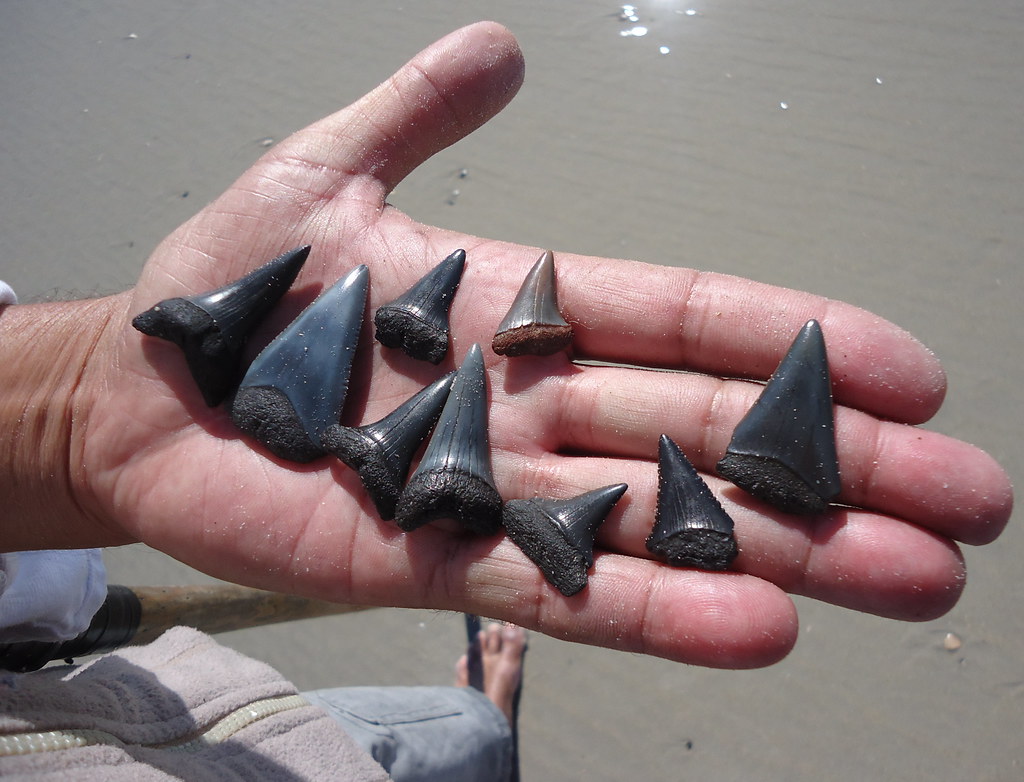
No discussion of shark teeth is complete without mentioning Venice. Officially recognized as the “Shark Tooth Capital of the World,” this city hosts an annual festival dedicated to the craft of fossil hunting. Venice Beach is the primary starting point for many, where the dark, shelly sands hide thousands of tiny black triangles.
Just south of the city center lies Caspersen Beach, a more secluded and rugged landscape. Unlike the manicured sands found elsewhere in Sarasota County, Caspersen Beach has been left largely in its natural state. The shoreline here is prone to erosion, which is a blessing for fossil hunters as it continuously churns up new layers of ancient sediment. It is common to see tourists and locals alike wading in the surf with specialized “Venice snow shovels,” which are long-handled sifting baskets designed to filter out sand while retaining shells and fossils.
Manasota Key and Englewood
Continuing south into Englewood, the beaches of Manasota Key offer equally fertile grounds with fewer crowds. Blind Pass Beach and Stump Pass Beach State Park are local favorites. These areas are particularly productive after a storm, as the heavy surf from the Gulf of Mexico deposits fossils that have been resting on the offshore shelf for eons. The tranquility of these locations makes them ideal for families who want to spend an entire afternoon sifting through the tide line.
Casey Key and Nokomis Beach
North of Venice, the shores of Casey Key and Nokomis Beach provide a quieter alternative. While the concentration of teeth might be slightly lower than at Caspersen Beach, the quality of the finds remains high. These beaches are characterized by deep troughs just offshore, which act as natural traps for heavier fossils. Walking the shoreline at low tide often reveals teeth from Bull Sharks, Tiger Sharks, and the occasional Sand Tiger Shark.
Inland Adventures: The Peace River and Beyond
While the beaches are the most accessible spots for shark tooth hunting, some of the most impressive specimens are found inland. Millions of years ago, much of the Florida peninsula was submerged under a shallow sea. As the sea levels receded, prehistoric remains were trapped in riverbeds and limestone formations.
The Peace River Experience
The Peace River is a legendary site for serious fossil collectors. Stretching through counties like Hardee and DeSoto, the river is a slow-moving waterway that cuts through fossiliferous strata. The best way to experience this is by renting a canoe or kayak in Arcadia or Zolfo Springs.
During the dry season, typically from winter through early spring, the water levels drop significantly, exposing gravel bars. Tourism operators in areas like Gardner and Wauchula offer guided fossil tours where participants use large floating screens to sift through the river bottom. This is where the truly giant finds occur; it is not uncommon for lucky hunters to find five-inch Megalodon teeth or the fossilized remains of ancient dugongs and mammoths.
Gainesville and North Florida Creeks
Further north, the city of Gainesville offers a different kind of fossil hunting experience. The creeks that wind through the city and surrounding Alachua County are famous for their accessibility. Hogtown Creek is perhaps the most well-known, where urban explorers can wade through shallow waters to find teeth nestled among the limestone rocks. Unlike the dark, fossilized teeth of the coast, the specimens found in North Florida often have unique colorations due to the specific mineral content of the local soil and water.
The Atlantic Coast: Northern Florida’s Hidden Gems
While the Gulf Coast gets most of the attention, the Atlantic Ocean side of the state holds its own secrets. The energy of the Atlantic surf is much higher, which means fossils are often tumbled more aggressively, but the rewards can be substantial for those who know where to look.
Jacksonville and Ponte Vedra Beach
In the northeastern corner of the state, Jacksonville serves as a gateway to several excellent hunting grounds. Mickler’s Landing in Ponte Vedra Beach is a hotspot for locals. The beach here features a distinct coquina rock shelf that helps trap fossils. Collectors in this region often find teeth that are lighter in color—tan, gray, or even white—which sets them apart from the jet-black specimens found in Venice.
Amelia Island and Fort Clinch State Park
Near the Georgia border, Amelia Island offers a picturesque setting for fossil hunting. Fort Clinch State Park is particularly notable. The park’s beaches are replenished by dredging activities from the nearby Cumberland Sound, which brings deep-seated fossils to the surface. Visitors can walk the shadow of the historic fort while scanning the sand for the sharp, serrated edges of Great White or Mako shark teeth.
Practical Tips for the Fossil-Hunting Tourist
To make the most of a shark tooth hunting trip in Florida, a bit of preparation is required. This activity is as much about patience and technique as it is about location.
Timing and Tides
The most successful hunts occur during low tide. As the water recedes, it exposes a fresh “wash” of shells and debris that has been undisturbed for several hours. Many experienced hunters prefer the “ebbing tide”—the period just before low tide—as it allows them to follow the waterline down. Additionally, visiting after a significant storm or a period of high winds can be incredibly productive. The churning action of the waves helps dislodge fossils from offshore deposits and pushes them toward the beach.
Essential Tools and Gear
While you can certainly find teeth just by walking and looking, specific tools will increase your yield.
- The Sifter: A floating screen or a hand-held sifter is essential for river hunting and helpful on the beach.
- The Venice Shovel: A long-handled basket that allows you to scoop sand from the surf zone without constant bending.
- Polarized Sunglasses: These are vital for reducing the glare on the water, making it much easier to spot the dark glint of a tooth in the shallow surf.
- Small Containers: A simple pill bottle or a small mesh bag is perfect for keeping your finds safe.
Identifying Your Finds
Identifying the species of shark is part of the fun. Most teeth found on Florida beaches are between 10,000 and 20 million years old.
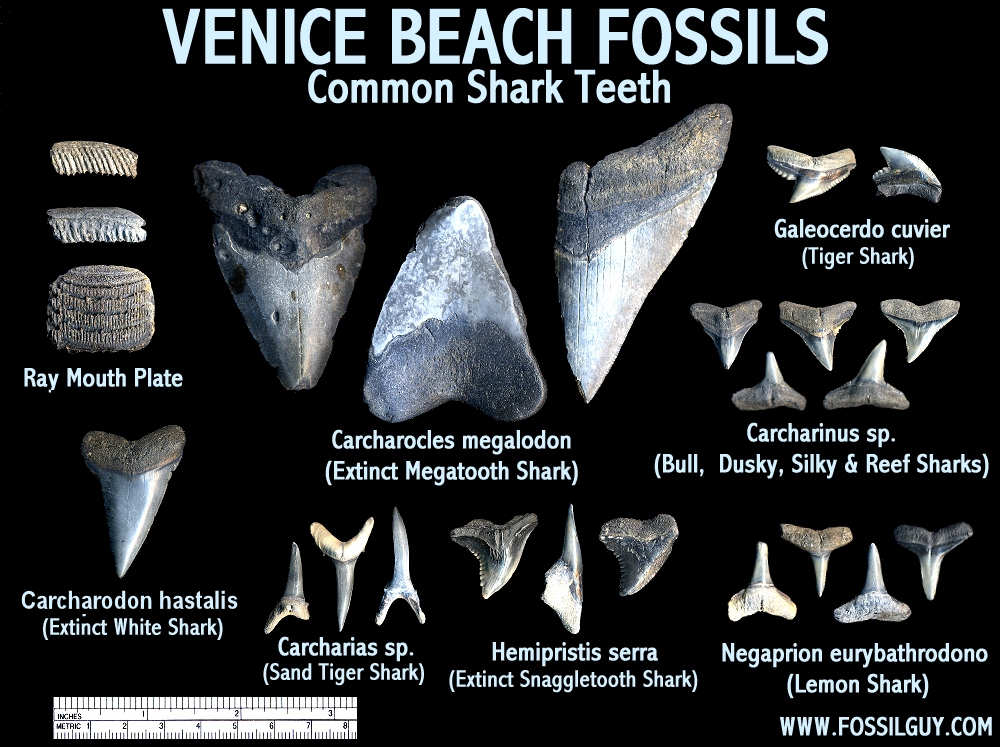
- Lemon Shark: These teeth are characterized by a smooth edge and a long, narrow T-shaped root.
- Tiger Shark: These are easily recognizable by their short, curved, and heavily serrated blades.
- Bull Shark: Typically triangular and flat with fine serrations.
- Megalodon: The “holy grail” for many. These are large, thick, and triangular with a distinct V-shaped “bourlette” between the root and the blade.
Sustainable Tourism and Local Regulations
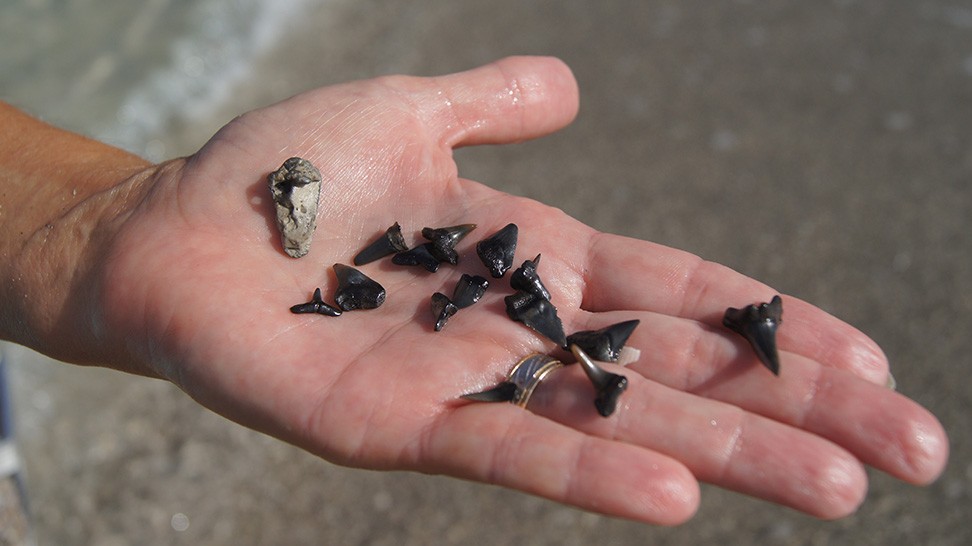
As fossil hunting grows in popularity, it is important for tourists to remain mindful of local regulations and environmental conservation. Most Florida beaches allow for the collection of shark teeth and small shells without a permit, as long as they are not “live” (containing a living organism).
However, inland river hunting often requires a Florida Fossil Permit, issued by the Florida Museum of Natural History. This permit is inexpensive and allows the state to track significant scientific finds. It is also important to respect private property; many riverbanks are privately owned, so staying within the navigable waterway or utilizing public access points like those in Boca Grande or Arcadia is essential.
Beyond legalities, practicing “leave no trace” tourism ensures these areas remain beautiful for future generations. Avoid digging deep holes in the dunes, as this can lead to erosion and disturb sea turtle nesting sites. By following these simple guidelines, visitors can enjoy a unique, educational, and thrilling experience that highlights the incredible natural history of the Sunshine State. Whether you are exploring the quiet reaches of the Peace River or the sun-drenched shores of Venice Beach, the hunt for shark teeth is a quintessential Florida adventure.
LifeOutOfTheBox is a participant in the Amazon Services LLC Associates Program, an affiliate advertising program designed to provide a means for sites to earn advertising fees by advertising and linking to Amazon.com. Amazon, the Amazon logo, AmazonSupply, and the AmazonSupply logo are trademarks of Amazon.com, Inc. or its affiliates. As an Amazon Associate we earn affiliate commissions from qualifying purchases.