
Florida is synonymous with its most famous reptilian resident: the American Alligator. For travelers visiting the Sunshine State, catching a glimpse of these prehistoric creatures in their natural habitat is often at the top of the bucket list. From the sprawling wetlands of the south to the spring-fed rivers of the north, the state offers a diverse array of ecosystems where these apex predators thrive. Seeing an alligator in the wild is a quintessential experience that connects visitors to the ancient history of the United States.
Understanding where to find them requires a look at the various protected lands, state parks, and specialized attractions that prioritize wildlife conservation and public education. Whether you prefer a guided airboat tour through the sawgrass or a quiet hike along a marshy boardwalk, the opportunities for alligator spotting are abundant if you know where to look.

Exploring the Vast Wilderness of South Florida
The southern tip of the peninsula remains the most iconic region for wildlife enthusiasts. This area is home to vast, subtropical wetlands that serve as the primary sanctuary for thousands of alligators. The unique hydrology of South Florida creates a “river of grass” that provides the perfect balance of sun-drenched banks and deep-water refuges.
Everglades National Park
No search for alligators is complete without a visit to Everglades National Park. Spanning over 1.5 million acres, this UNESCO World Heritage Site is the only place in the world where alligators and crocodiles coexist. For those staying in Miami, the Shark Valley entrance is one of the most reliable spots for sightings. A 15-mile paved loop trail allows visitors to bike, walk, or take a tram tour. During the dry season, alligators often line the edges of the canal right next to the path, offering unparalleled views of these massive reptiles basking in the sun.
Another premier location within the park is the Anhinga Trail located near the Royal Palm Visitor Center in Homestead. This short, accessible boardwalk winds through a sawgrass marsh where alligators are frequently seen submerged in the “alligator holes” or lounging on the limestone banks. The trail is named after the Anhinga bird, and the proximity of the wildlife here makes it a favorite for photographers.
Big Cypress National Preserve
Adjacent to the Everglades, the Big Cypress National Preserve offers a more rugged and primitive experience. Unlike the open sawgrass prairies, Big Cypress is dominated by cypress swamps and hardwood hammocks. One of the best ways to see alligators here is by driving along Loop Road, a 24-mile scenic route that cuts through the heart of the swamp. During the winter months, when water levels drop, dozens of alligators congregate in the deeper roadside ditches.
For a more structured experience, visitors can head to the Oasis Visitor Center. The boardwalk directly in front of the center overlooks a canal where dozens of alligators are almost always present. It serves as a great introduction to the species before heading deeper into the preserve.
Central Florida’s Premier Alligator Destinations
Moving toward the center of the state, the landscape shifts toward freshwater lakes, rivers, and inland marshes. Central Florida is known for having some of the highest alligator populations per acre, particularly in the Orlando and Sarasota areas.
Myakka River State Park
Located near Sarasota, Myakka River State Park is one of the oldest and largest state parks in the region. It is famous for its “Deep Hole,” a 130-foot-deep sinkhole that acts as a natural oasis for alligators. During the dry season, hundreds of gators gather at this single location, creating a spectacle that is rare to see elsewhere. Access to the Deep Hole is limited via a daily permit system, ensuring the environment remains pristine.
The park also offers airboat tours on the Myakka River, providing a safe way to observe the animals from the water. The elevated canopy walkway and various birding boardwalks also offer bird’s-eye views of the riverbanks where gators frequently nest and rest.
Lake Apopka Wildlife Drive
Just a short drive from Orlando, the Lake Apopka Wildlife Drive has quickly become one of the top destinations for wildlife viewing in the state. This one-way, 11-mile drive allows visitors to view alligators from the comfort of their vehicles. The restoration of Lake Apopka has created a thriving habitat for both birds and reptiles. It is common to see dozens of alligators along the edges of the canals that line the drive, often just a few feet from the car window. Because the drive is only open on weekends and federal holidays, the animals remain relatively undisturbed during the week.
Gatorland
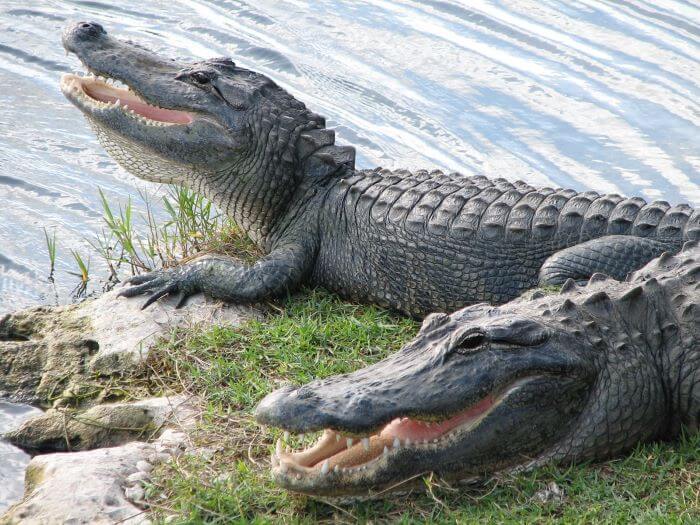
While most of the entries on this list are natural wilderness areas, Gatorland in Orlando offers a different type of experience. Known as the “Alligator Capital of the World,” this 110-acre theme park and wildlife preserve provides a guaranteed sighting. It is home to thousands of alligators and crocodiles, including rare leucistic (white) alligators. The park features a breeding marsh with a boardwalk that allows you to walk directly over a massive colony of gators. For travelers with families or those who want to learn more about alligator behavior through educational shows and demonstrations, Gatorland is a staple of Florida tourism.
Northern Florida and the Nature Coast
The northern part of the state features different terrain, including massive prairies and crystal-clear springs. The cooler waters of the springs often serve as a backdrop for alligator spotting, especially when they move into the warmer tributaries.
Paynes Prairie Preserve State Park
Situated just south of Gainesville, Paynes Prairie Preserve State Park is a unique geological formation known as a “wet prairie.” It is one of the few places in Florida where you can see alligators alongside wild horses and bison. The La Chua Trail is the premier spot for alligator viewing within the park. The trail begins with a boardwalk that overlooks Alachua Sink, where alligators congregate in incredible numbers. As the trail transitions to a grassy dike, visitors often find themselves walking surprisingly close to large alligators sunning themselves on the path.
St. Marks National Wildlife Refuge
For those visiting the Florida Panhandle, the St. Marks National Wildlife Refuge near Tallahassee offers a stunning coastal backdrop for wildlife viewing. The refuge spans over 68,000 acres and includes a mix of saltwater marshes and freshwater impoundments. Driving the road down to the St. Marks Lighthouse provides numerous pull-off points where alligators can be seen in the various pools and marshes. The contrast of the dark alligators against the vibrant coastal flora makes this a popular spot for nature enthusiasts.
Blue Spring State Park
While Blue Spring State Park in Orange City is most famous for its wintering manatees, it is also a fantastic place to see alligators throughout the year. The spring run is crystal clear, allowing for unique underwater views of alligators as they swim through the vent. During the summer months, visitors can tube or swim in parts of the spring, but the designated wildlife viewing areas ensure that the gators have their own space. Watching an alligator glide through the turquoise water of a Florida spring is a visually striking experience that differs from the murky swamp sightings typical of the south.
Coastal Refuges and Lake Systems
The intersection of land and sea also provides excellent habitats for alligators, particularly in the brackish waters along the Atlantic Coast.
Merritt Island National Wildlife Refuge
Located near Titusville and adjacent to the Kennedy Space Center, the Merritt Island National Wildlife Refuge is a massive sanctuary. The Black Point Wildlife Drive is a 7-mile self-guided tour that takes visitors through marshes and pine flatwoods. Alligators are a common sight here, often seen floating like logs in the shallow waters or resting on the banks of the dikes. The refuge is a vital link in the Great Florida Birding and Wildlife Trail, making it a high-priority stop for any nature-focused travel itinerary.
Lake Jesup
If you are looking for sheer numbers, Lake Jesup in Sanford is often cited as having one of the densest populations of alligators in the state. With an estimated 13,000 gators in the lake, sightings are virtually guaranteed. Several airboat companies operate out of this area, taking visitors through the tall grass and into the open waters where the larger bulls frequently roam. The nearby Overlook Park provides a safe, elevated pier for those who prefer to watch from the shore.
Essential Tips for Safe Alligator Viewing
Seeing alligators is a thrilling experience, but it requires a high degree of respect for the animals and their environment. As an integral part of Florida tourism, wildlife safety is a priority for park rangers and local guides.
The best time of year to see alligators is during the dry season, typically from December through April. As the water levels in the marshes recede, alligators are forced to congregate in the remaining deep-water holes, making them much easier to spot. Furthermore, the cooler temperatures prompt them to spend more time basking in the sun to regulate their body temperature. During the hot summer months, they tend to stay submerged or hide in the shade of the mangroves to keep cool.
When viewing alligators in the wild, always maintain a distance of at least 60 feet. While they may appear sluggish or stationary, they are capable of incredible bursts of speed both in the water and on land. It is also strictly forbidden and dangerous to feed alligators. Feeding them causes them to lose their natural fear of humans, which often leads to the animal having to be removed or euthanized by the Florida Fish and Wildlife Conservation Commission.
Finally, keep pets on a short leash and away from the water’s edge in any area known to have alligators. Most state parks, such as Wakulla Springs State Park, have clear signage indicating where gators are present. By following these simple guidelines, travelers can enjoy the majesty of Florida’s most famous residents while ensuring the safety of both the wildlife and themselves. Whether you are exploring the Everglades or the springs of the north, the sight of an alligator is a powerful reminder of the state’s wild and untamed heart.
LifeOutOfTheBox is a participant in the Amazon Services LLC Associates Program, an affiliate advertising program designed to provide a means for sites to earn advertising fees by advertising and linking to Amazon.com. Amazon, the Amazon logo, AmazonSupply, and the AmazonSupply logo are trademarks of Amazon.com, Inc. or its affiliates. As an Amazon Associate we earn affiliate commissions from qualifying purchases.