
The state of Florida is home to some of the most unique ecosystems in the United States, but none are as enchanting as the freshwater springs that serve as a winter sanctuary for the West Indian manatee. These “sea cows,” as they are affectionately known, are gentle giants that migrate toward the warm, constant temperatures of Florida’s subterranean spring systems when the waters of the Gulf of Mexico drop below 68 degrees Fahrenheit. For travelers and nature enthusiasts, the opportunity to enter the water and share a moment with these sentient creatures is a bucket-list experience that requires both preparation and a deep respect for marine life.
Crystal River: The Epicenter of Manatee Tourism
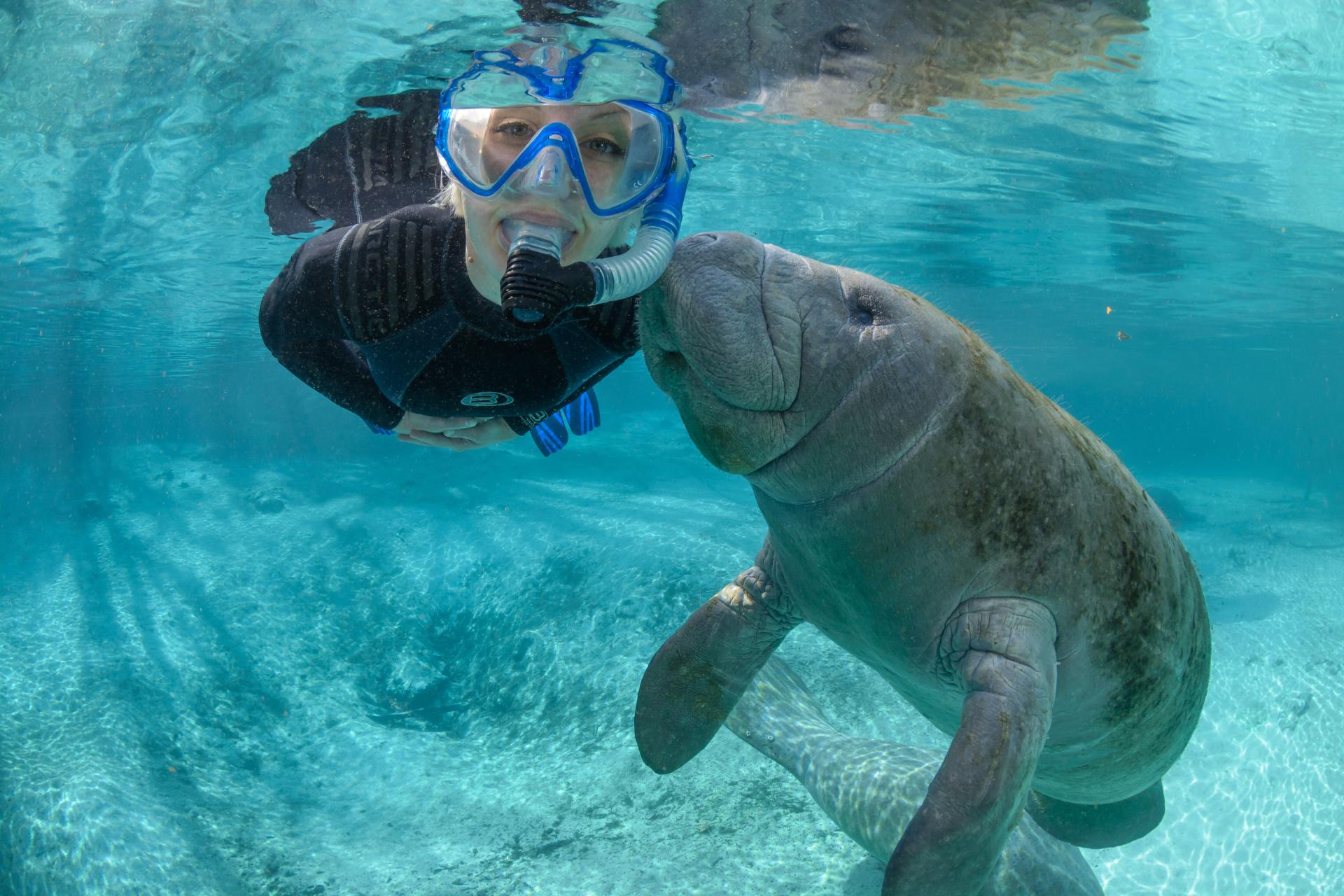
Located along the Nature Coast in Citrus County, Crystal River is widely recognized as the only place in the world where you can legally swim with manatees in their natural habitat under strict federal supervision. The city is built around Kings Bay, a massive body of water fed by dozens of fresh springs that pump out millions of gallons of water daily at a consistent 72 degrees Fahrenheit.
Three Sisters Springs
Perhaps the most iconic destination within the Crystal River National Wildlife Refuge is Three Sisters Springs. This cluster of three spring vents is famous for its crystalline, turquoise waters and the sheer density of manatees that gather here during the peak of winter. To protect the animals, the springs are often closed to watercraft, meaning the only way to experience them is by swimming in from the main channel or viewing them from the boardwalks. Swimming here feels like entering a natural cathedral; the limestone walls and overhanging trees create a serene backdrop as dozens of manatees rest on the sandy bottom below.
Hunter Springs Park
For those seeking a more accessible entry point, Hunter Springs Park offers a renovated beach area and a designated swimming zone. This park is a favorite for families and solo travelers because it allows for both shore-based viewing and easy kayak launches. The waters around the park are shallow, making it an excellent spot for swimmers to practice “passive observation” before venturing further into the bay. Because it is located within the city limits of Crystal River, it is a convenient stop for those staying at local resorts or visiting for a day trip from Tampa or Orlando.
Kings Bay and the Banana Island Sanctuaries
The broader expanse of Kings Bay contains several designated manatee sanctuaries where human entry is strictly prohibited. These areas, often marked by ropes and buoys, provide a safe space for the manatees to sleep and nurse their calves without disturbance. Tour operators typically anchor near these sanctuaries, allowing the manatees to choose whether they want to swim out and interact with people. This “pro-animal” approach ensures that the encounters are entirely on the manatees’ terms, fostering a more authentic and ethical wildlife experience.
Exploring the Untamed Waters of Homosassa
Just a short drive south of Crystal River lies the community of Homosassa. While it is quieter and less commercialized than its northern neighbor, Homosassa offers a more rugged and “old Florida” feel. The Homosassa River is deeper and more tea-colored due to the surrounding wetlands, but the spring heads themselves remain clear and inviting.
Blue Waters and the Wildlife State Park
The most popular spot for swimming with manatees in this area is known as Blue Waters. Located just outside the boundaries of the Ellie Schiller Homosassa Springs Wildlife State Park, this area serves as a natural congregating point for manatees. The water here is incredibly clear, providing excellent visibility for snorkelers. Because there are fewer tour boats in Homosassa compared to Crystal River, the experience often feels more intimate and secluded.
The Chassahowitzka River
For the more adventurous traveler, the Chassahowitzka River—locally known as “The Chazz”—offers a wilderness experience unlike any other. While manatees are frequently spotted here, the river is also famous for its hidden tributaries and Seven Sister Springs, a series of underwater limestone tunnels. Swimming with manatees in the Chassahowitzka River requires more effort, as it is best explored by kayak or canoe, but the reward is a landscape that feels virtually untouched by modern development.
Understanding the Ethics and Guidelines of Manatee Encounters
Swimming with an endangered species is a privilege that comes with significant responsibility. The U.S. Fish and Wildlife Service enforces strict regulations to ensure that human interaction does not harm the manatee population or drive them away from the life-sustaining warmth of the springs.
The Philosophy of Passive Observation
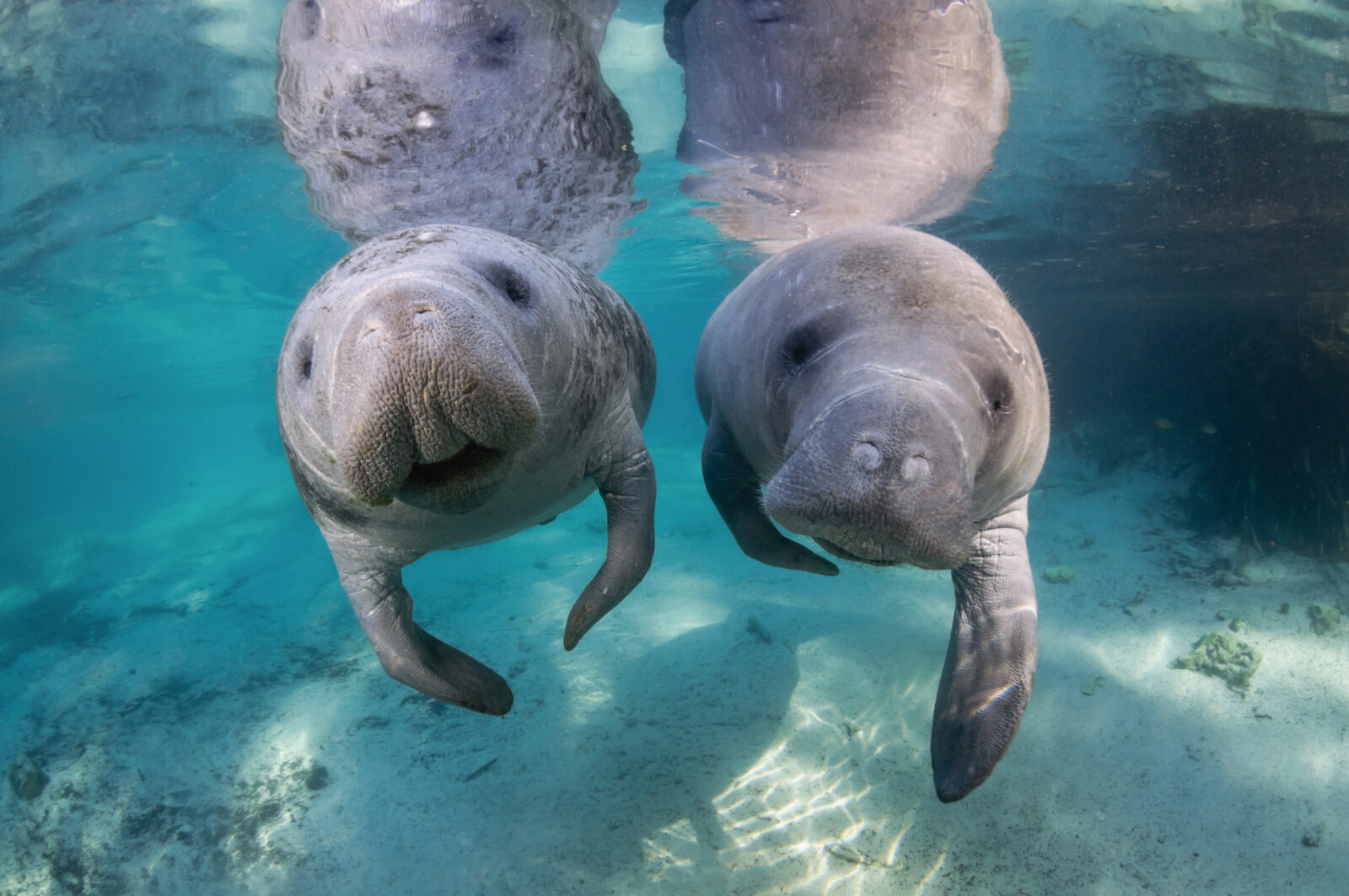
The golden rule of manatee encounters is “passive observation.” This means floating quietly on the surface of the water and watching the animals without initiating contact. Swimmers are prohibited from chasing, cornering, poking, or riding manatees. Touching a manatee is generally discouraged and, in many specific zones, is a punishable offense. The goal is to be a “log in the water”—stationary and non-threatening. When humans remain still, manatees, which are naturally curious, will often approach swimmers on their own, sometimes even gently nudging a snorkeler or looking them directly in the eye.
Gear and Preparation
To swim with manatees comfortably, a wetsuit is mandatory. Even though the spring water is 72 degrees, the air temperature in Florida during the winter can be quite chilly, and staying buoyant is easier with the added lift of neoprene. Most tour operators in Citrus County provide full-body wetsuits, masks, and snorkels. It is also important to avoid wearing fins in shallow areas, as the kicking motion can stir up sediment, reducing visibility and potentially startling the animals. Instead, many guides recommend using a “pool noodle” to stay afloat without effort.
The Importance of the Winter Season
While manatees can be found in Florida year-round, the best time to swim with them is during the “manatee season,” which runs from November 15 to March 31. This is when the offshore temperatures in the Gulf of Mexico drop, forcing the manatees into the spring systems for survival. On the coldest mornings, it is not uncommon to see hundreds of manatees packed into Three Sisters Springs. If you visit during the summer, you may still see a few resident manatees, but the numbers are significantly lower, and the clarity of the water can be affected by summer rains.
Selecting a Tour Operator and Planning the Logistics
Choosing the right guide can make or break the experience. Professional tour operators in Crystal River and Homosassa are trained to educate visitors on manatee biology and conservation while ensuring all federal laws are followed.
Small Group vs. Large Group Tours
When booking an excursion, consider the size of the group. Smaller, semi-private tours often provide a better experience because they create less splash and noise, which keeps the manatees calmer. Many operators also offer “VIP” tours that depart early in the morning—often at sunrise—to reach the springs before the midday crowds arrive. This early start is highly recommended, as the manatees are most active in the morning and the light filtering through the trees makes for stunning underwater photography.
Shore-Based Alternatives
If swimming isn’t for everyone in your party, there are several locations that offer world-class viewing from dry land. Blue Spring State Park in Orange City is a prime example. While swimming with manatees is prohibited at Blue Spring State Park during the winter to protect the massive herd that congregates there, the park features extensive boardwalks that allow you to see hundreds of manatees from just a few feet above the water. Similarly, the Tampa Electric Manatee Viewing Center in Apollo Beach provides an educational facility and viewing platforms where manatees gather in the warm water discharge from a power plant.
Conservation and the Future of the Manatee
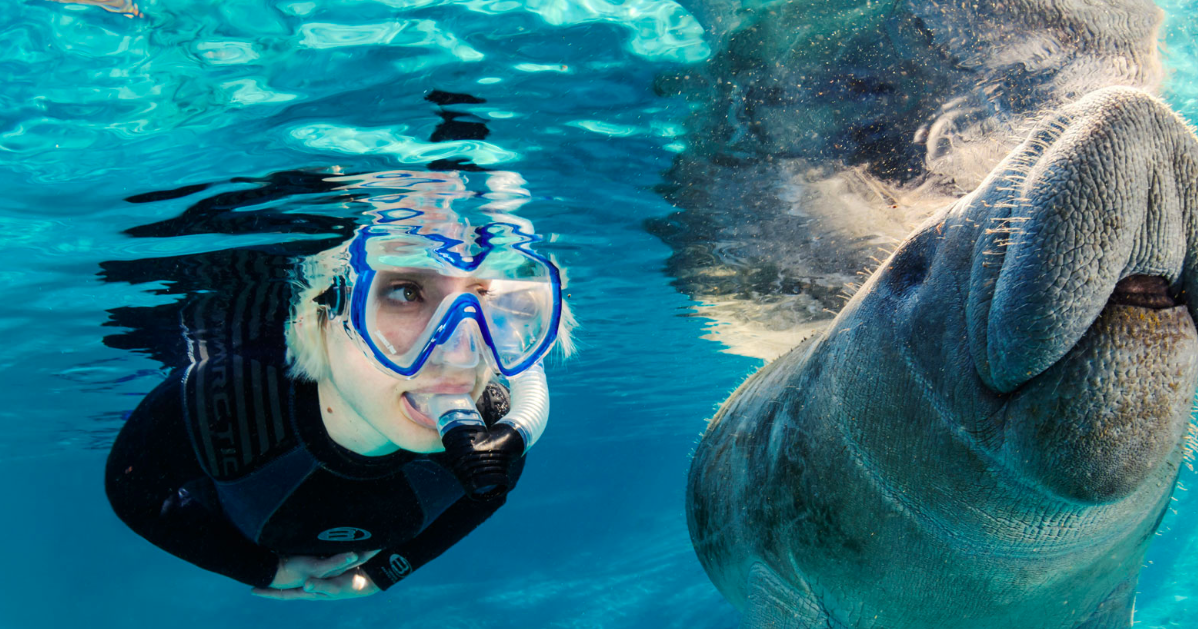
Visiting the manatees in Florida is more than just a tourist activity; it is an opportunity to learn about the threats facing these animals. Habitat loss, boat strikes, and the decline of seagrass—their primary food source—remain significant challenges. Many of the tour companies in the Nature Coast donate a portion of their proceeds to manatee rescue and rehabilitation efforts. By choosing responsible tour operators and following the rules of the Crystal River National Wildlife Refuge, travelers contribute to the continued protection of this vulnerable species.
Florida’s spring-fed rivers offer a rare bridge between the human and animal worlds. Whether you are floating in the turquoise depths of Three Sisters Springs or kayaking the winding paths of Homosassa, the experience of being in the presence of a manatee is profoundly humbling. It is a reminder of the beauty of the natural world and the importance of preserving the delicate ecosystems of Florida for generations to come.
LifeOutOfTheBox is a participant in the Amazon Services LLC Associates Program, an affiliate advertising program designed to provide a means for sites to earn advertising fees by advertising and linking to Amazon.com. Amazon, the Amazon logo, AmazonSupply, and the AmazonSupply logo are trademarks of Amazon.com, Inc. or its affiliates. As an Amazon Associate we earn affiliate commissions from qualifying purchases.