
Treasure Island is a quintessential coastal destination nestled along the sun-drenched shores of the Gulf of Mexico in the state of Florida. Located within Pinellas County, this barrier island serves as a centerpiece of the St. Petersburg and Clearwater area, offering some of the widest white-sand beaches in the United States. Understanding where Treasure Island is located is the first step in appreciating its unique blend of mid-century charm, natural beauty, and modern seaside relaxation.
Geographic Context: Pinpointing the Hidden Gem of Pinellas County
To find Treasure Island, one must look to the west coast of the Florida peninsula. It is situated on a thin strip of land separated from the mainland by the Boca Ciega Bay. The island is approximately 3.5 miles long, bordered to the north by Madeira Beach and to the south by St. Pete Beach. This strategic location places it within the heart of the Tampa Bay metropolitan region, making it an accessible retreat for both locals and international travelers.
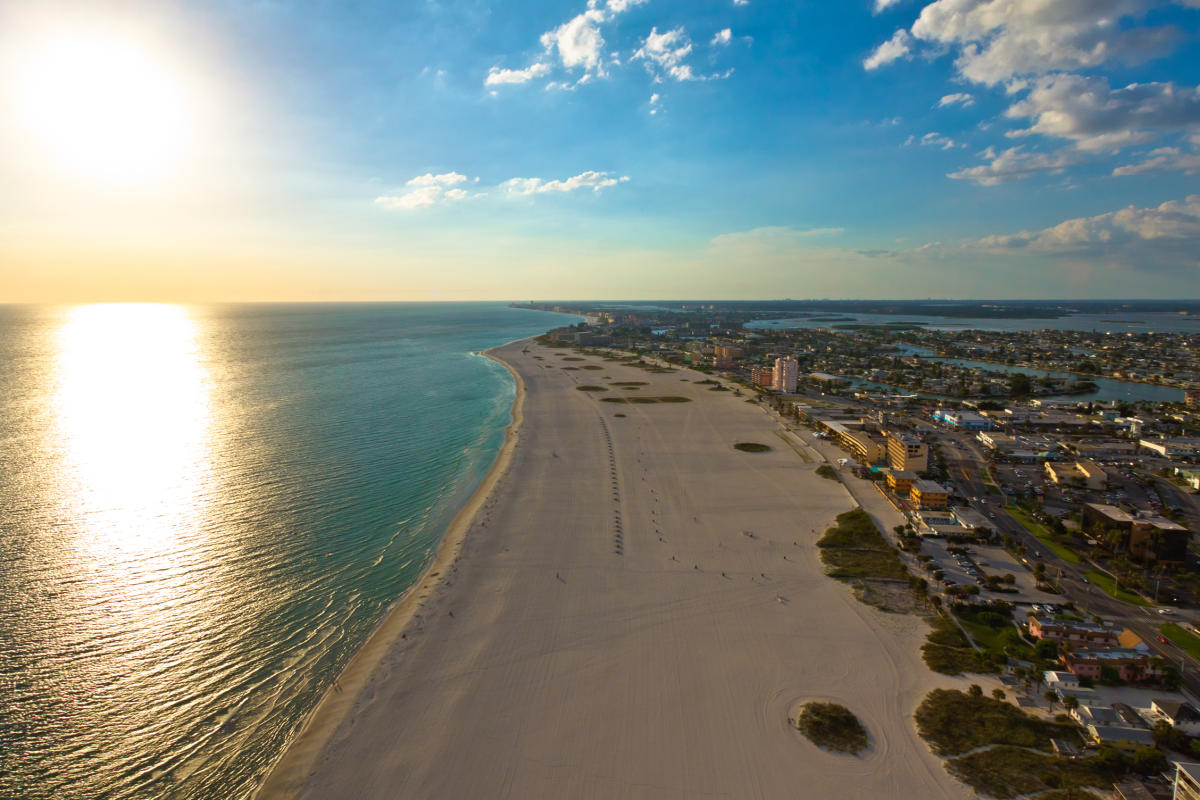
The Layout of the Barrier Island
The geography of Treasure Island is defined by its relationship with the water. The western side of the island is dominated by expansive beaches that face the turquoise waters of the Gulf of Mexico. Unlike many other Florida beaches that have been narrowed by erosion or high-rise development, the beaches here remain remarkably wide, providing ample space for visitors even during the peak tourism season. On the eastern side, the island features intricate finger canals and residential neighborhoods that overlook the calm waters of the Boca Ciega Bay, a popular area for boating and wildlife spotting.
Access to the island is facilitated by three primary entry points. The Treasure Island Causeway connects the center of the island directly to St. Petersburg via Central Avenue. To the north, the John’s Pass Bridge links the island to Madeira Beach, while to the south, the Blind Pass Bridge provides a connection to St. Pete Beach and the historic Pass-a-Grille area.
Accessibility from Major Hubs
For those traveling from afar, Treasure Island is conveniently located near two major aviation hubs. Tampa International Airport is roughly 25 miles to the northeast, offering a wide array of domestic and international flights. A slightly closer option for regional travelers is the St. Pete-Clearwater International Airport, located about 15 miles away. The proximity to these airports, combined with the island’s location just a short drive from Interstate 275, makes it one of the most reachable beach destinations on the Gulf Coast.
Exploring the Districts: From Sunset Beach to Sunshine Beach
Treasure Island is often categorized into three distinct neighborhoods, each offering a different travel experience. While the entire island shares a relaxed, “Old Florida” atmosphere, the subtle differences in these districts allow travelers to tailor their visit to their specific interests.
The Artistic Vibe of Sunset Beach
Located at the southernmost tip of the island, Sunset Beach is perhaps the most famous section of the destination. Known for its bohemian spirit and vibrant local culture, this area is a favorite for those seeking a more laid-back, community-centric environment. The residential streets are lined with colorful beach cottages, and the atmosphere is distinctly less commercial than the central part of the island.
Sunset Beach is also home to a legendary boardwalk and several iconic beach bars, such as Caddy’s on the Beach. As the name suggests, this is the premier spot on the island for viewing the sunset. Each evening, crowds gather on the sand to witness the sun dip below the horizon of the Gulf of Mexico, painting the sky in shades of orange, pink, and purple.
The Central Hub: Motel Row
The central district of Treasure Island, often referred to as Motel Row, is where the island’s history as a mid-century vacation hotspot is most evident. This area is characterized by wide-open beachfronts and a concentration of classic boutiques and family-owned businesses. One of the most recognizable landmarks here is the Thunderbird Beach Resort, featuring a neon sign that has greeted travelers for decades.
This central section is the heartbeat of the island’s tourism. It hosts the majority of the island’s events, including the famous Sanding Ovations Masters Sand Sculpting Exhibition. The beach in this area is so wide that it can accommodate massive sand sculptures, kite festivals, and large-scale community gatherings without feeling crowded. Visitors can enjoy a meal at Sloppy Joe’s, a popular spot that brings a taste of Key West to the Pinellas coast.
The Northern Quietude of Sunshine Beach

As you move north toward John’s Pass, the island transitions into Sunshine Beach. This area is generally quieter and more residential, making it an ideal choice for families or travelers looking for a peaceful retreat. The beaches here are equally beautiful but tend to have fewer crowds.
Sunshine Beach provides easy walking access to the northern boundary of the island, where the John’s Pass inlet separates Treasure Island from Madeira Beach. This proximity allows travelers to enjoy the tranquility of their home base while remaining just a short stroll away from the bustling shopping and dining options found at the neighboring boardwalk.
Iconic Landmarks and Recreational Opportunities
Beyond its stunning shoreline, Treasure Island is defined by several key landmarks and activities that enrich the travel experience. The island is designed for movement, whether it’s a leisurely stroll along the water or an active day of sports and exploration.
Walking the Treasure Island Beach Trail
One of the most popular features of the island is the Treasure Island Beach Trail. This 0.85-mile paved path runs alongside the beach in the central district, providing a scenic route for walking, jogging, or cycling. The trail is nestled between the sand dunes and the resorts, offering panoramic views of the Gulf of Mexico. It is a fantastic way to experience the coastal environment without having to trudge through the deep sand, making it accessible for visitors of all ages and mobility levels.
The Proximity to John’s Pass Village and Boardwalk
While technically located just across the bridge in Madeira Beach, John’s Pass Village and Boardwalk is an integral part of the Treasure Island travel experience. This historic fishing village has evolved into a premier tourist destination featuring over 100 shops, restaurants, and entertainment venues. Travelers can embark on dolphin-watching tours, rent jet skis, or join a deep-sea fishing charter leaving from the marina. The boardwalk is a hub of activity where visitors can watch the fishing boats return with their daily catch while enjoying fresh seafood at waterfront eateries.
For those interested in sports and land-based recreation, Treasure Bay Golf and Tennis offers a beautiful facility on the eastern side of the island. Overlooking Boca Ciega Bay, this public facility includes a nine-hole golf course, multiple tennis courts, and pickleball courts. It provides a refreshing change of pace from the beach and allows travelers to stay active while enjoying the coastal breeze.
Strategic Travel Planning: When and How to Visit
Choosing when to visit Treasure Island depends largely on what kind of experience you are seeking. Florida is known as the Sunshine State for a reason, but the nuances of the seasons play a significant role in island life.
Seasonal Weather Patterns in West Central Florida
The peak travel season for Treasure Island typically runs from late January through April. During this time, the weather is mild and pleasant, with temperatures often hovering in the 70s and 80s Fahrenheit. This is the ideal time for those escaping the cold winters of the northern United States or Europe. However, this period also sees the highest volume of visitors and the most vibrant atmosphere.
Summer months in Florida are characterized by heat and humidity, with afternoon thunderstorms being a regular occurrence. Despite the heat, summer is a popular time for families taking school vacations. The water temperature of the Gulf of Mexico is at its warmest during this time, often reaching the mid-80s, making it perfect for swimming and water sports.
The “shoulder” seasons of autumn (October and November) and late spring (May) are often considered the best times to visit by savvy travelers. During these months, the weather remains warm enough for the beach, but the crowds are thinner and the pace of life on the island slows down significantly.

Day Trips and Regional Exploration
One of the greatest advantages of Treasure Island is its location relative to other major Florida attractions. While the island itself offers plenty to keep a visitor occupied, it serves as an excellent base for regional exploration.
A short drive across the causeway leads to downtown St. Petersburg, a cultural hub home to the Salvador Dali Museum and the St. Pete Pier. To the north, Clearwater Beach offers additional entertainment and the Clearwater Marine Aquarium. For nature enthusiasts, Fort De Soto Park is located just a few miles south and offers pristine wilderness, historic forts, and untouched beaches.
Even the world-famous theme parks of Orlando, including Walt Disney World and Universal Studios Florida, are only about a 90-minute drive away. This allows travelers to combine a relaxing beach vacation with the excitement of Central Florida attractions. Whether you are seeking a quiet week on the sand or an action-packed tour of the Gulf Coast, knowing where Treasure Island sits on the map is the key to unlocking a premier Florida travel experience.
LifeOutOfTheBox is a participant in the Amazon Services LLC Associates Program, an affiliate advertising program designed to provide a means for sites to earn advertising fees by advertising and linking to Amazon.com. Amazon, the Amazon logo, AmazonSupply, and the AmazonSupply logo are trademarks of Amazon.com, Inc. or its affiliates. As an Amazon Associate we earn affiliate commissions from qualifying purchases.