
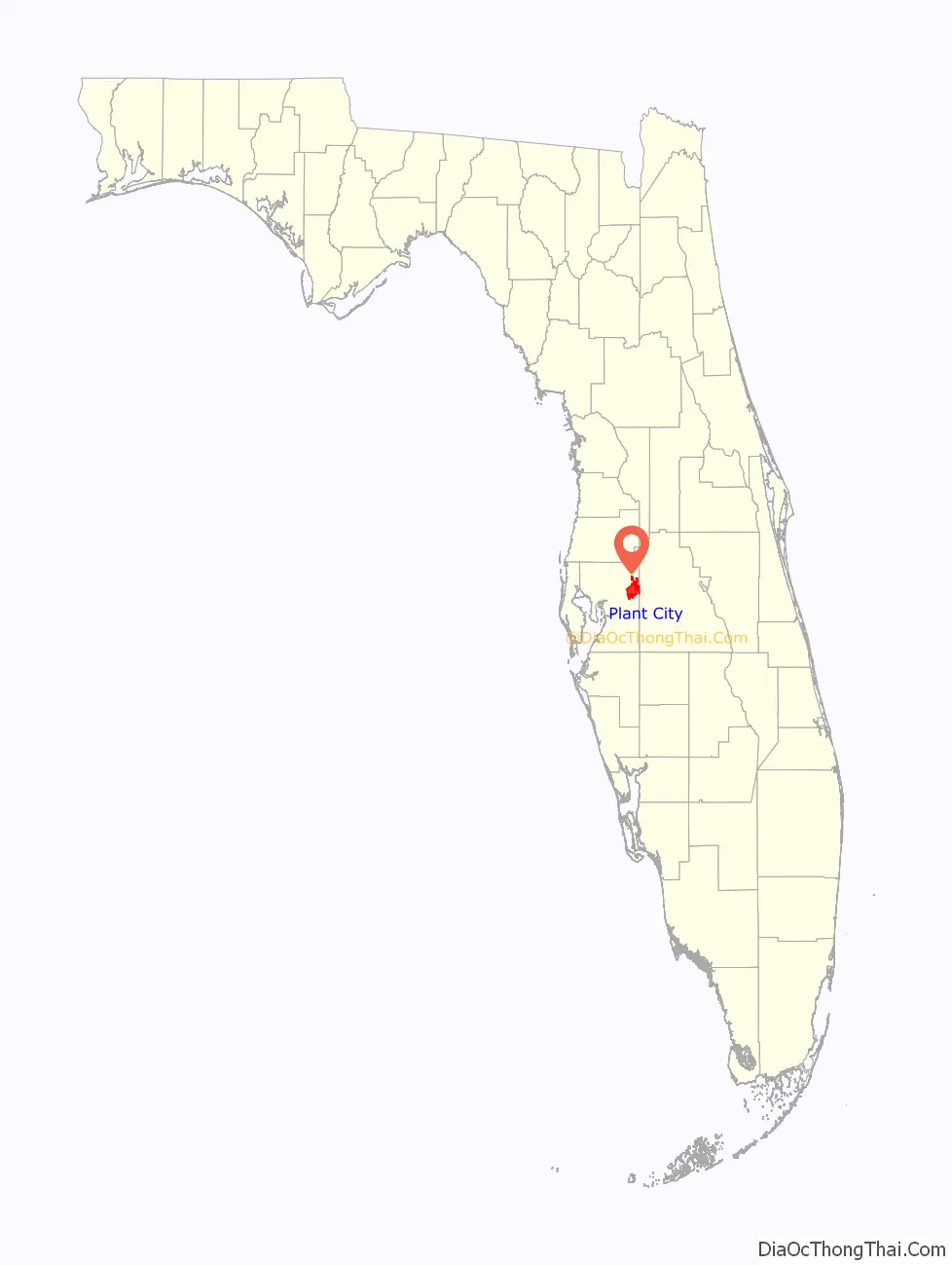
If you find yourself traveling along the bustling corridor of Interstate 4 in the sunshine state, you might wonder, where exactly is Plant City? Tucked away in the heart of Hillsborough County, Florida, this charming destination serves as a bridge between the coastal urban sprawl of Tampa and the inland attractions of Orlando. Known globally as the “Winter Strawberry Capital of the World,” Plant City offers a travel experience that blends agricultural heritage, historic preservation, and unique roadside attractions. Whether you are a fan of vintage locomotives, a nature enthusiast, or a foodie in search of the perfect shortcake, this guide explores everything you need to know about navigating and enjoying this Florida gem.

Navigating the Heartland: Where Exactly is Plant City?
To understand the geographical significance of Plant City, one must look at its strategic position within the United States. It is located approximately 25 miles east of Tampa and about 60 miles west of Orlando. This placement makes it an ideal stopover for travelers traversing the state. Despite its name, the city was not named after flora; rather, it honors Henry B. Plant, the railroad tycoon who extended the South Florida Railroad into the region, effectively connecting the isolated farming community to the rest of the nation.
The city sits on a high ridge, which provided the well-drained soil necessary for the agricultural boom that defines its economy and culture today. While it is surrounded by the developing suburbs of the Tampa Bay area, Plant City has fought hard to maintain its small-town atmosphere. Travelers arriving from the Tampa International Airport can reach the city in about 40 minutes, while those coming from the Walt Disney World Resort area can expect a drive of roughly an hour, depending on traffic. Its proximity to other central Florida hubs like Lakeland and Brandon makes it a convenient central point for exploring the region’s diverse landscapes.
The Layout of the Town
The city is organized around a historic core and a sprawling agricultural periphery. The downtown area, characterized by its red-brick streets and Victorian-era architecture, is the cultural heart of the community. As you move outward, the scenery shifts to vast strawberry fields and citrus groves that stretch toward the horizon. Understanding this layout is key for travelers; most of the “tourist” attractions are concentrated either in the historic district or along the main thoroughfares like James L. Redman Parkway.
Top Travel Destinations and Iconic Experiences
When people ask “where is Plant City,” they are often looking for the home of the world-famous Florida Strawberry Festival. This eleven-day event, held every March, draws nearly a million visitors to the region. It is more than just a fair; it is a celebration of the harvest, featuring headline musical acts, livestock shows, and every conceivable strawberry-based treat. However, the travel appeal of Plant City extends far beyond festival season.
The Agricultural Trail
A visit to Plant City is incomplete without stopping at Parkesdale Farm Market. This iconic roadside stop is famous for its strawberry shortcake and milkshakes. It has hosted celebrities and presidents alike, serving as a testament to the local farming legacy. For those interested in a more spirited experience, Keel & Curley Winery offers a unique look at local viticulture. Specializing in blueberry wines and craft beers produced by Keel Farms Agrarian Ale + Cider, the winery provides tours and tastings that highlight how the local climate supports diverse crops beyond just berries.
Family Adventures and Roadside Wonders
One of the most unique attractions in the area is Dinosaur World. Located just off Interstate 4, this outdoor museum features over 200 life-sized dinosaur models set in a lush, tropical landscape. It is a favorite for families, offering fossil digs, a prehistoric museum, and dog-friendly walking trails. It represents the quintessential Florida roadside attraction—quirky, educational, and memorable.
For a different kind of visual experience, travelers should seek out Metals and Nature. This hidden gem is a wrought-iron garden filled with intricate sculptures, gazebos, and decorative metalwork nestled under a canopy of ancient oaks. It functions as both a gallery and a serene park, offering a peaceful retreat from the more crowded tourist spots in Tampa.
Exploring the Great Outdoors and Natural Preserves
While Plant City is defined by its farms, it is also home to some of the most beautiful natural preserves in Central Florida. The landscape here is a mix of wetlands, hardwood hammocks, and man-made lakes that provide a sanctuary for local wildlife.

Edward Medard Conservation Park
Located on the southern edge of the city, Edward Medard Conservation Park is a premier destination for outdoor enthusiasts. The park is centered around a 1,200-acre reservoir that is a hotspot for bass fishing and boating. One of the most striking features of the park is the “scrambled” landscape created by former phosphate mining. This has resulted in unique topography with hills and ridges that are uncommon in the flat Florida peninsula. The park also features an extensive boardwalk leading to an observation tower, offering panoramic views of the Alafia River basin.
Wilderness and Wildlife
Just a short drive away lies the Lower Hillsborough Wilderness Preserve. This massive tract of land protects the Hillsborough River and provides miles of trails for hiking, cycling, and bird watching. Travelers can often spot alligators, gopher tortoises, and a variety of migratory birds. For those who enjoy kayaking, the slow-moving waters of the nearby Blackwater Creek offer a secluded paddling experience through some of the state’s most pristine riverine habitats.
Immersive History: The Railroad Heritage and Downtown Charm
The identity of Plant City is inextricably linked to the iron horse. Before it was a strawberry mecca, it was a vital railroad junction. Today, the city honors this history through well-preserved landmarks and museums that provide a window into the 19th-century South.
The Robert W. Willaford Railroad Museum
Housed in the historic Plant City Union Depot, the Robert W. Willaford Railroad Museum is a must-visit for history buffs. The depot itself is a beautiful example of early 20th-century architecture. Inside, visitors can explore a vast collection of railroad memorabilia, including a restored caboose and a locomotive. The museum sits at the “diamond,” where two major rail lines intersect, making it one of the best places in the state for train spotting.
Historic Downtown Exploration
Walking through the Plant City Historic District feels like stepping back in time. Many of the buildings date back to the early 1900s and have been meticulously restored to house boutique shops, antique stores, and local eateries. Krazy Kup is a popular local coffee house that often hosts live music and community events in a repurposed historic building. Nearby, Brick City Bricks offers a nostalgic look at toy history, specializing in LEGO sets. The downtown area also hosts monthly “Bike Fest” and “Classic Car Show” events, which draw hobbyists from across Florida.
The architecture in the residential sections surrounding downtown is equally impressive. Travelers can take a self-guided driving tour to see diverse styles, from Queen Anne to Bungalow, many of which are listed on the National Register of Historic Places.
Essential Planning Tips for Your Plant City Getaway
To make the most of a trip to Plant City, timing and transportation are key factors to consider. While it is a year-round destination, the experience varies significantly depending on the month of your visit.
When to Visit
The peak travel season is undoubtedly from late February through March. This coincides with the strawberry harvest and the Florida Strawberry Festival. During this time, the weather is typically mild and dry, making it perfect for outdoor activities. However, be prepared for larger crowds and higher prices for local services. If you prefer a quieter experience, the autumn months offer pleasant temperatures and various harvest events at Keel & Curley Winery, such as the Blueberry Festival (though this typically occurs in late spring).
Getting Around
Since Plant City is situated in a more rural part of Hillsborough County, a rental car is essential. Public transportation options are limited between the city and major hubs like Tampa. Most attractions offer ample parking, and the city is easy to navigate via major roads like Highway 92 and State Road 60.
Nearby Excursions
One of the best aspects of Plant City is its location as a basecamp for wider exploration. From here, you are only 20 minutes away from Lakeland, where you can visit the Florida Southern College to see the largest collection of Frank Lloyd Wright architecture in one location. Alternatively, a 45-minute drive west brings you to Busch Gardens Tampa Bay for world-class thrill rides, or a 90-minute drive to Clearwater Beach for some of the best white-sand beaches in the United States.
In conclusion, Plant City is far more than just a point on a map between two major cities. It is a destination that captures the heart of old Florida, offering a blend of history, agriculture, and natural beauty. Whether you are stopping for a quick bowl of strawberry shortcake or spending a weekend exploring the museums and preserves, you will find that this corner of Hillsborough County provides a rich and authentic travel experience.
LifeOutOfTheBox is a participant in the Amazon Services LLC Associates Program, an affiliate advertising program designed to provide a means for sites to earn advertising fees by advertising and linking to Amazon.com. Amazon, the Amazon logo, AmazonSupply, and the AmazonSupply logo are trademarks of Amazon.com, Inc. or its affiliates. As an Amazon Associate we earn affiliate commissions from qualifying purchases.