
The story of Miami, Florida, is a narrative of ambition, environmental resilience, and a singular historical distinction. Unlike almost every other major city in the United States, Miami holds the title of being the only major American city founded by a woman. To understand who founded Miami, one must look toward the late 19th century, a period when the Biscayne Bay region was an isolated wilderness of mangroves, pine rocklands, and mosquito-infested swamps. The transformation of this subtropical frontier into a global metropolis is credited primarily to Julia Tuttle, a visionary widow from Cleveland, Ohio, and Henry Flagler, the industrialist whose railway and capital provided the necessary infrastructure for urban birth.
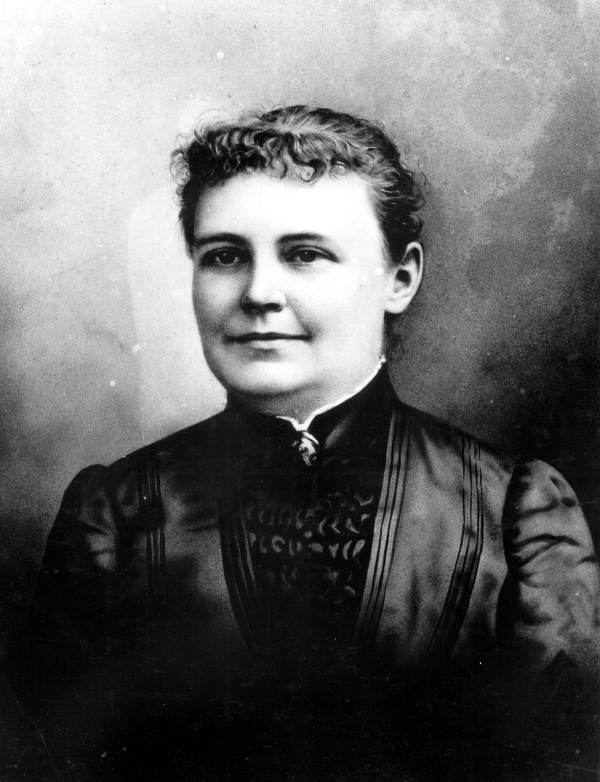
The Mother of Miami: Julia Tuttle and the Birth of a City
Julia Tuttle first visited Florida in 1875 to visit her father, who had taken up a homestead on Biscayne Bay. While most saw only a desolate landscape far removed from civilization, Julia Tuttle saw a future hub for international trade and a sanctuary for those seeking a warmer climate. After her husband passed away and she inherited her father’s land, she moved permanently to the region in 1891. She purchased 640 acres on the north bank of the Miami River, which included the site of the former Fort Dallas.
The Visionary of Biscayne Bay
Julia Tuttle was not merely a landowner; she was a strategist. She recognized that for a city to flourish, it needed a connection to the rest of the country. At the time, the Florida East Coast Railway, owned by Henry Flagler, ended in West Palm Beach. Julia Tuttle began a persistent campaign to convince Henry Flagler to extend his tracks south to Biscayne Bay. She wrote numerous letters, offering him half of her land holdings for a railroad station and a hotel, but Henry Flagler initially remained uninterested, viewing the area as too remote and undeveloped.
The Great Freeze of 1894 and the Orange Blossom Legend
The turning point for the foundation of Miami came not through words, but through a freak weather event. In the winter of 1894 and 1895, the “Great Freeze” devastated Florida, destroying the citrus industry as far south as West Palm Beach. However, the Biscayne Bay area remained untouched by the frost. Legend has it that Julia Tuttle sent Henry Flagler a bouquet of fresh, fragrant orange blossoms to prove that her land was immune to the freezes that had crippled the rest of the state.
This gesture, combined with the economic necessity of finding a frost-proof terminus for his railway, finally convinced Henry Flagler. He agreed to extend the Florida East Coast Railway to Miami, clear the land, and build a grand hotel. On April 22, 1896, the first train arrived, and on July 28, 1896, the residents of the small settlement voted to incorporate the City of Miami.
The Iron Path to Progress: Henry Flagler’s Contribution
While Julia Tuttle is rightfully celebrated as the “Mother of Miami,” Henry Flagler is often cited as the city’s father figure. A co-founder of Standard Oil alongside John D Rockefeller, Henry Flagler had the immense wealth required to dredge the Miami River, build power plants, and install water systems. His arrival signaled the transition from a pioneer outpost to an organized urban center.
Connecting the Wilderness to the World
The extension of the Florida East Coast Railway was an architectural and engineering feat of its time. It required cutting through dense tropical forests and crossing treacherous wetlands. Once the tracks were laid, Henry Flagler did not stop at Miami; he eventually pushed his “Over-Sea Railroad” all the way to Key West. However, the immediate impact on Miami was the sudden influx of people, goods, and tourism. The railway made it possible for Northern socialites to escape the winter, fundamentally altering the demographic and economic trajectory of the region.
The Royal Palm Hotel: Miami’s First Luxury Landmark
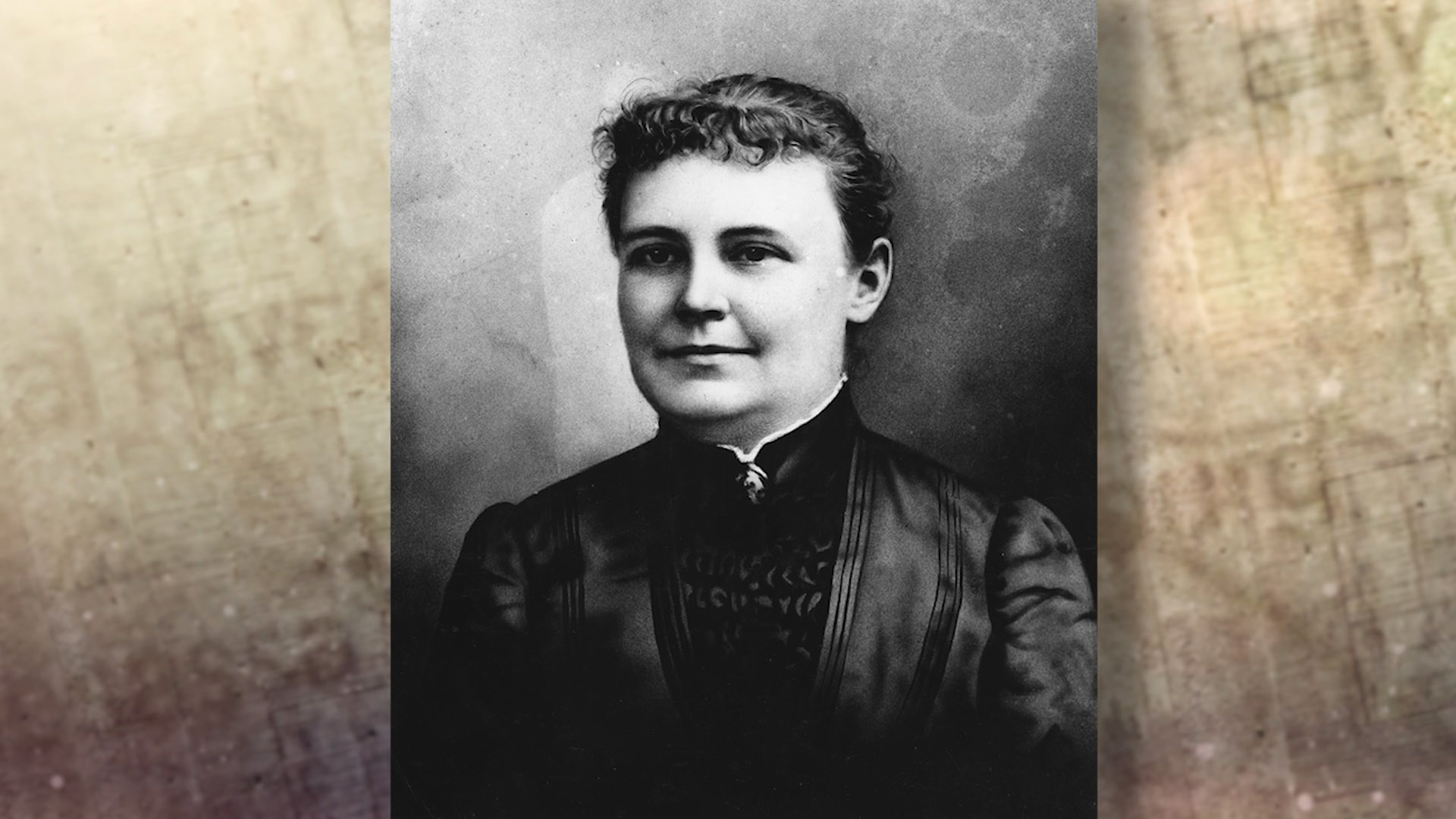
To ensure the success of his railway, Henry Flagler needed to provide a destination. He constructed the Royal Palm Hotel, which opened in 1897. This massive, yellow-painted wooden structure was one of the first grand landmarks of the city. It featured modern amenities like electric lights and elevators, which were revolutionary for such a remote location. The hotel served as the social heart of early Miami, drawing wealthy visitors and establishing the city’s reputation as a premier destination for luxury and leisure. Though the building no longer stands, its legacy lives on in the city’s enduring identity as a global tourism capital.
Pioneers and Precursors: The Tequesta and Early Settlers
The formal founding of Miami in 1896 was not the beginning of human history in the area. Long before Julia Tuttle arrived, the land was home to indigenous peoples and earlier waves of pioneers who laid the groundwork for the future city.
The Ancient Roots of the Miami River
The Tequesta Indians were the original inhabitants of the Biscayne Bay region, living there for more than 2,000 years before European contact. They lived primarily along the mouth of the Miami River, utilizing the abundant resources of the Everglades and the Atlantic Ocean. Evidence of their presence can still be found today at the Miami Circle at Brickell Point, an archaeological landmark that consists of a 38-foot diameter circle of holes cut into the limestone bedrock. This site is a powerful reminder that Miami was a center of human activity long before the modern era.
Fort Dallas and the Seminole Wars
In the mid-19th century, during the Seminole Wars, the United States military established Fort Dallas on the banks of the Miami River. Originally built on land owned by Richard Fitzpatrick, the fort served as a base for operations against the Seminole people. After the wars, the stone buildings of the fort remained and were eventually repurposed by early settlers like Julia Tuttle herself. Another critical figure during this period was William Brickell, who operated a trading post on the south side of the river. William Brickell and his family were instrumental in the city’s early development, often working in tandem—and occasionally in competition—with Julia Tuttle to bring the railroad to fruition.
The Legacy of Foundation: Architecture and Historical Preservation
The founding of Miami set off a period of rapid architectural evolution. From the initial wooden pioneer homes to the grand estates of the early 20th century, the city’s built environment reflects the dreams of those who followed in the footsteps of Julia Tuttle and Henry Flagler.
Vizcaya Museum and Gardens
One of the most significant architectural landmarks resulting from the city’s early growth is the Vizcaya Museum and Gardens. Built between 1914 and 1922 as the winter estate of agricultural industrialist James Deering, Vizcaya is a masterpiece of the Italian Renaissance style adapted for a subtropical climate. Located in the Coconut Grove neighborhood, it represents the era when Miami became a playground for the nation’s wealthiest families. The preservation of Vizcaya allows modern visitors to experience the opulence and grand vision that characterized the city’s early expansion.

Freedom Tower and the Evolution of the Skyline
As the city grew beyond its founding roots, its landmarks began to reflect its role as a gateway to the Americas. The Freedom Tower, built in 1925 in the Mediterranean Revival style, initially served as the headquarters for the Miami News. However, it gained its current name and historical significance in the 1960s when it served as the processing center for Cuban refugees. This building stands as a testament to Miami’s evolution from a small railway terminus into a diverse, international city—a transformation that Julia Tuttle likely imagined when she looked out over the Biscayne Bay more than a century ago.
Other early landmarks, such as The Barnacle Historic State Park, the former home of Ralph Middleton Munroe, provide a glimpse into the lifestyle of the “Era of the Bay” before the railroad changed everything. Meanwhile, the development of Coral Gables by George Merrick and the rise of the Art Deco Historic District in Miami Beach showcase the subsequent waves of visionary planning that continued the work started by Julia Tuttle and Henry Flagler.
The founding of Miami was not an accident of geography but a triumph of individual will. Julia Tuttle provided the land and the vision, while Henry Flagler provided the capital and the connection. Together, they navigated the challenges of a harsh landscape to create a city that would eventually become one of the most vibrant and culturally significant places in the world. Understanding the origins of Miami requires acknowledging this unique partnership and the diverse layers of history—from the Tequesta to the pioneers—that define the Magic City.
LifeOutOfTheBox is a participant in the Amazon Services LLC Associates Program, an affiliate advertising program designed to provide a means for sites to earn advertising fees by advertising and linking to Amazon.com. Amazon, the Amazon logo, AmazonSupply, and the AmazonSupply logo are trademarks of Amazon.com, Inc. or its affiliates. As an Amazon Associate we earn affiliate commissions from qualifying purchases.