
When asking the question of who represents the people of Florida, the answer is as diverse and expansive as the state’s geography. In the United States legislative system, representation is determined by population, and as one of the most populous states in the country, the Sunshine State currently boasts 28 congressional districts. To understand the “congressman” of this region is to explore a mosaic of leaders, each representing a unique slice of the landscape—from the historic shores of the north to the tropical ecosystems of the south. Beyond the individuals themselves, the physical landmarks and architectural wonders of Florida serve as the permanent “representatives” of the state’s political and cultural heritage.

The Capitol District: The Heart of Representation in Tallahassee
To begin any journey into the heart of Florida representation, one must travel to Tallahassee. As the state capital, this city is the epicenter of legislative activity and home to the most significant political landmarks in the region. Unlike many other states that have a single iconic building, the seat of power here is a fascinating study in architectural evolution.
The Florida State Capitol Complex
The Florida State Capitol is not a single structure but a complex that tells the story of the state’s growth. The original 1845 building, now known as the Old Capitol Museum, stands as a stunning example of Neoclassical architecture. With its iconic candy-striped awnings and majestic dome, it serves as a reminder of the era when Florida first entered the Union. Visitors today can walk through restored chambers where early congressmen debated the future of the territory.
Directly behind the historic structure towers the New Capitol, a 22-story skyscraper completed in the late 1970s. This modern monolith represents the transition of Florida into a national political powerhouse. From the 22nd-floor observation deck, one can look out over the rolling hills of the panhandle, seeing the very land that defines the districts of northern representation.
Judicial and Historical Anchors
Adjacent to the legislative buildings is the Supreme Court of Florida. This landmark is essential for understanding the balance of power that every congressman must navigate. Nearby, the Knott House Museum provides a deeper look into social history, specifically the site where the Emancipation Proclamation was first read in Tallahassee. Another vital site is The Grove Museum, the ancestral home of several prominent political families who helped shape the state’s congressional legacy. These landmarks provide the historical context that explains how representation evolved from a few frontier voices to 28 distinct seats in the house.
Landmarks of the Northern Districts: History and Heritage
The northern districts of Florida are characterized by deep historical roots and military significance. The congressmen representing these areas are often tasked with the stewardship of some of the oldest landmarks in the United States.
St. Augustine and the First Coast
In the districts encompassing Jacksonville and St Augustine, the landscape is dominated by Spanish colonial architecture. The Castillo de San Marcos is perhaps the most famous landmark in this region. As a national monument, it requires federal attention and legislative support for its continued preservation. Walking through the coquina walls of the fort, visitors can feel the weight of centuries of history. In the same city, the Lightner Museum, housed in the former Alcazar Hotel, showcases the Gilded Age grandeur that once drew the nation’s elite to the region.
The Military Might of the Panhandle
Moving west toward Pensacola, the landmarks shift toward military heritage. This area is home to the National Naval Aviation Museum, one of the most visited museums in the state. The congressional representatives for this district are intrinsically linked to the defense industry and the preservation of these massive aerospace landmarks. The presence of historic sites like Mission San Luis in the panhandle also highlights the indigenous and colonial intersection that continues to influence local identity and political discourse.
Central Florida’s Congressional Landmarks: Innovation and Tourism

The central districts of Florida represent the state’s modern identity: a blend of high-tech innovation and world-class tourism. The landmarks here are often the result of massive federal investments and public-private partnerships.
The Space Coast and Cape Canaveral
In the districts bordering the Atlantic, the Kennedy Space Center stands as a monument to human ingenuity. Located on Cape Canaveral, this site is a federal landmark that has been a focal point for Florida congressmen for decades. Legislation passed in Washington DC determines the funding and future of the missions launched from these shores. For visitors, the Rocket Garden and the Saturn V Center are not just attractions; they are symbols of the state’s contribution to global exploration.
The Tourism Hub of Orlando
In the heart of the state, Orlando features landmarks that define the global image of Florida. While Walt Disney World Resort is a private entity, it functions as a cultural landmark of such scale that it influences the transportation and infrastructure policy of its congressional district. The balance between massive commercial landmarks and the preservation of natural sites like the springs in the surrounding areas is a primary concern for those who represent Central Florida.
Further west, Tampa offers landmarks like the historic Ybor City. This district was once the cigar capital of the world, and its brick-lined streets and iron balconies are protected as a National Historic Landmark District. The congressmen of this region work to ensure that the cultural heritage of the Latin community is preserved amidst the rapid urbanization of the Gulf Coast.
South Florida’s Icons: Natural Wonders and Cultural Monuments
The southern tip of the peninsula is perhaps the most ecologically sensitive area in the country. Here, the “congressman” is often judged by their ability to protect the natural landmarks that define the “River of Grass.”
The Majesty of the Everglades
Everglades National Park is a landmark of international significance. Spanning across multiple congressional districts, it is the focus of the largest environmental restoration project in history. The representatives for Miami and the surrounding counties are the primary advocates for this wilderness in the United States Capitol. Visitors to the Ernest F. Coe Visitor Center or the Shark Valley Observation Tower can see the direct results of federal policy in the thriving wildlife and restored water flows.
Miami and the Coastal Districts
In the urban sprawl of Miami, landmarks like the Vizcaya Museum and Gardens offer a glimpse into the Mediterranean Revival style that defines the city’s architectural history. Nearby, Biscayne National Park protects the reefs and islands that make South Florida a maritime treasure. Further north in Palm Beach, the Flagler Museum (Whitehall) serves as a monument to the railroad tycoon who made modern Florida possible.
The Keys and Dry Tortugas
The southernmost congressional district includes the Florida Keys, where the landmarks are both literary and military. The Ernest Hemingway Home and Museum in Key West is a pilgrimage site for fans of American literature. However, the most remote landmark is Dry Tortugas National Park. Home to the massive Fort Jefferson, this 19th-century coastal fortress is a marvel of masonry. Accessible only by boat or seaplane, it stands as a sentinel over the Gulf of Mexico, reminding visitors of the strategic importance that Florida has always held in national defense.
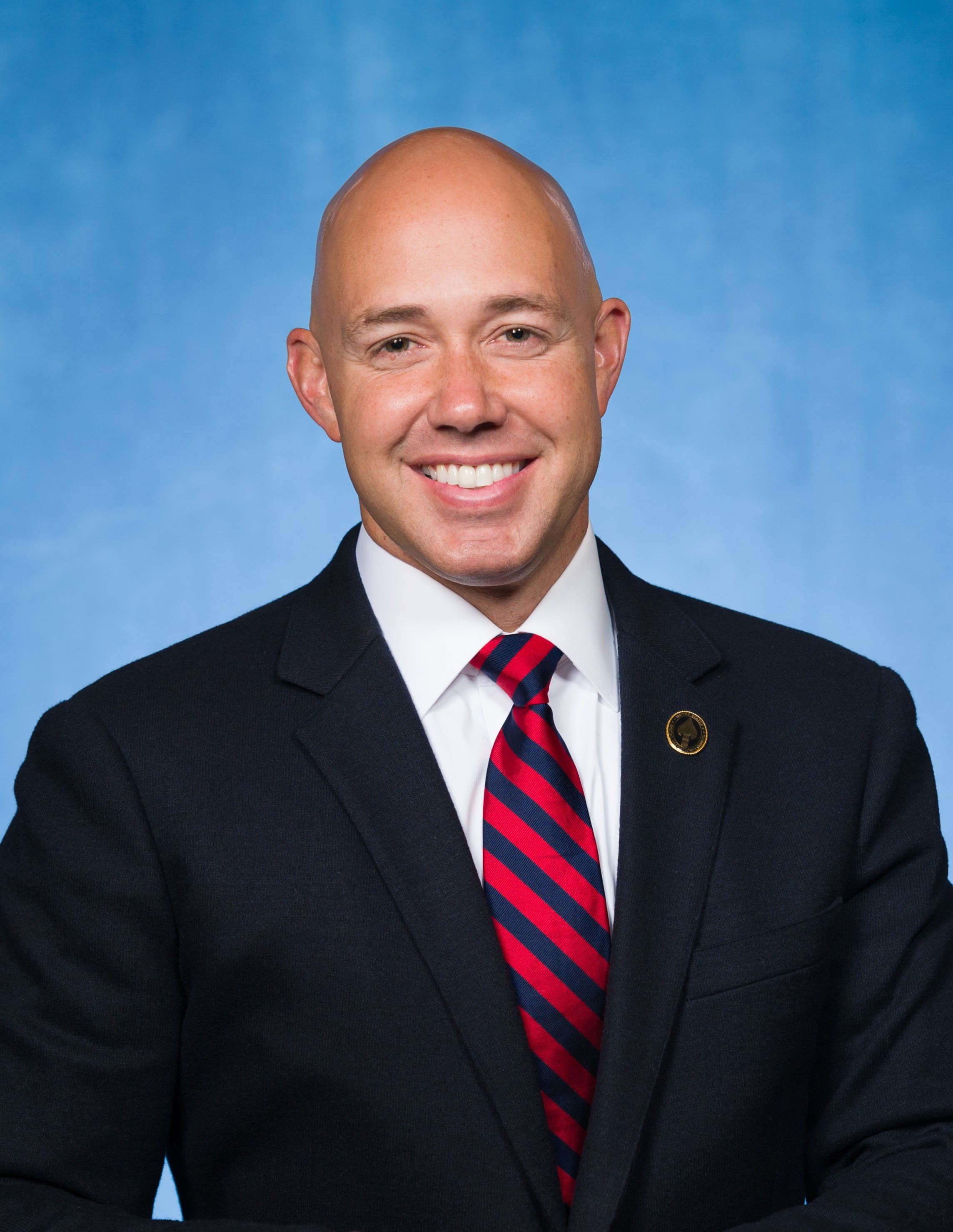
The Federal Connection: Representing Florida in Washington DC
While the landmarks within the state are numerous, the work of the 28 congressmen ultimately takes them to Washington DC. The United States Capitol is the final landmark in this story of representation. Inside its halls, statues of prominent Floridians like John Gorrie (the father of refrigeration and air conditioning) stand in the Statuary Hall Collection, representing the state’s spirit of innovation.
The relationship between Florida and its representatives is a cycle of advocacy for the landmarks that draw millions of tourists to the state each year. Whether it is securing beach renourishment for Daytona Beach, protecting the artistic legacy of the Ringling Museum of Art in Sarasota, or ensuring the longevity of the shelling beaches on Sanibel Island, the role of the congressman is inextricably tied to the land itself.
Visiting Florida offers more than just sun and surf; it provides a walking tour of the state’s representative history. From the historic streets of Fort Lauderdale to the quiet, natural beauty of the Ocala National Forest, the landmarks of the state are the true answer to who and what Florida is. They are the permanent fixtures of a state in constant motion, preserved through the efforts of those who serve in the halls of power. By exploring these famous places, architecture, and historical sites, one gains a profound understanding of the complex identity of the 28 districts that make up the Sunshine State.
LifeOutOfTheBox is a participant in the Amazon Services LLC Associates Program, an affiliate advertising program designed to provide a means for sites to earn advertising fees by advertising and linking to Amazon.com. Amazon, the Amazon logo, AmazonSupply, and the AmazonSupply logo are trademarks of Amazon.com, Inc. or its affiliates. As an Amazon Associate we earn affiliate commissions from qualifying purchases.