
The historical tapestry of the United States is woven with the stories of explorers, conquerors, and indigenous civilizations, but few regions possess a narrative as layered and complex as Florida. To ask who founded the state is to embark on a journey through maritime history, colonial ambition, and the enduring legacy of the Spanish Empire. While the title of “founder” is often attributed to the man who first mapped its shores and gave the land its enduring name, the establishment of the region as a permanent European settlement involved a succession of figures who left indelible marks on its geography and culture.

The Legacy of Juan Ponce de León: The First European Encounter
In the annals of Western exploration, Juan Ponce de León stands as the primary figure associated with the “discovery” of the Floridian peninsula. A seasoned explorer and the first Governor of Puerto Rico, his motivations were rooted in the expansion of the Spanish crown’s influence and the pursuit of new territories in the unknown waters of the north. In early 1513, he set sail from San Germán with three ships, navigating through the Bahamas before making landfall on the eastern coast of what he believed to be a vast island.
The timing of his arrival was pivotal. Landing during the Easter season, known in Spain as Pascua Florida (the Feast of Flowers), and struck by the lush, verdant landscape, he christened the territory “La Florida.” This naming ceremony, which took place somewhere between modern-day St. Augustine and Melbourne, marks the official linguistic founding of the region. While his initial interactions with the indigenous Timucua were documented, his primary focus was the coastal mapping of the peninsula, leading his fleet around the Florida Keys—which he named “Los Mártires” (The Martyrs)—and up into the Gulf of Mexico.
The Myth of the Fountain of Youth
One cannot discuss Juan Ponce de León without addressing the persistent legend of the Fountain of Youth. While modern historians largely agree that the search for a magical spring was likely a fabrication added to his biography years after his death, the legend has become a cornerstone of Floridian tourism and local lore. The Fountain of Youth Archaeological Park in St. Augustine serves as a landmark dedicated to this very history, allowing visitors to walk the grounds where the explorer supposedly landed. Whether he sought literal immortality or merely political prestige and land, his 1513 voyage transformed the Atlantic Ocean into a gateway for Europe to the North American continent.
The Fatal Second Expedition
In 1521, Juan Ponce de León returned to the southwestern shores of the state, near Charlotte Harbor, with the intent of establishing a permanent colony. This attempt, however, met with fierce resistance from the Calusa people. During a skirmish, the explorer was wounded by a poison-tipped arrow. He retreated to Cuba, where he subsequently died. Though his personal attempt at colonization failed, his maps and the name he bestowed upon the land ensured that the region remained a primary target for future Spanish expeditions, eventually leading to the permanent structures that define the state today.
St. Augustine and the Permanent Foundation of Florida
If Juan Ponce de León was the visionary who named the land, Pedro Menéndez de Avilés was the architect who truly founded it. In 1565, decades after the initial discovery, King Philip II of Spain commissioned Pedro Menéndez de Avilés to remove French interlopers and establish a permanent Spanish presence. On September 8, 1565, Menéndez landed at the site of a Timucua village and established St. Augustine. This settlement holds the distinction of being the oldest continuously occupied European-established city in the continental United States.
The founding of St. Augustine was a masterclass in strategic planning and military fortification. Pedro Menéndez de Avilés recognized that the state’s geography required a strong defensive posture to protect the treasure fleets returning to Spain. His efforts led to the creation of the first civil government, the first schools, and the first hospitals in the region. Under his leadership, the Spanish influence spread, creating a network of missions and outposts that would dominate the landscape for centuries.
Castillo de San Marcos: A Landmark of Resilience
The most prominent physical evidence of this era is the Castillo de San Marcos. Constructed between 1672 and 1695, this masonry fortress was built to defend the city of St. Augustine from British raids and pirate attacks. The structure is unique for its use of coquina, a sedimentary rock composed of shell fragments. This material proved revolutionary; instead of shattering under cannon fire, the coquina absorbed the impact, making the fort virtually indestructible. Today, the Castillo de San Marcos stands as a monument to the enduring Spanish legacy and the foundational period of the state’s history.
The Fall of Fort Caroline
The founding of Spanish Florida was not without competition. In 1564, French Huguenots established Fort Caroline near present-day Jacksonville. This sparked a violent conflict with the Spanish, who viewed the French presence as both a religious and territorial threat. Pedro Menéndez de Avilés successfully captured the fort and executed the French settlers at Matanzas Inlet, a name that translates to “slaughters.” This brutal consolidation of power ensured that the Spanish would remain the dominant European force in the region for the next two hundred years, cementing the cultural and architectural foundations of the state.

Indigenous Roots and Pre-Columbian Florida
While European figures are often credited with “founding” the state in a political sense, it is crucial to recognize that the land was home to sophisticated civilizations for thousands of years before the arrival of the Spanish. The Calusa, Timucua, Apalachee, and Tequesta tribes had established complex social structures, trade networks, and architectural wonders that predate the 16th century.
The Calusa of the southwest coast were particularly notable for their engineering prowess. They constructed massive shell mounds and canal systems that allowed them to navigate the coastal waters with ease. Mound Key Archaeological State Park serves as a landmark to this “shell culture,” where the capital of the Calusa empire once stood. These indigenous foundations provided the geographical blueprint for many later European settlements, as the Spanish often built their missions and outposts on top of pre-existing indigenous hubs.
Mission San Luis and the Apalachee
In the northern part of the state, near Tallahassee, the Apalachee people cultivated a rich agricultural society. When Spanish friars arrived, they established Mission San Luis, which became the western capital of the Spanish mission system. This landmark is unique because it represents a period of co-habitation and cultural exchange, where the Apalachee and the Spanish lived and worked together for several generations. The reconstructed council house and church at the site today offer a glimpse into the hybridized culture that defined the early years of the state’s development.
Key Historical Landmarks That Shape Florida’s Identity Today
The transition from a Spanish territory to a part of the United States was a gradual process marked by the emergence of several key landmarks. These sites serve as physical anchors for the history of the founders and the subsequent generations that shaped the modern state.
Fort Matanzas National Monument
Located just south of St. Augustine, Fort Matanzas National Monument was built in 1742 to guard the southern entrance to the city. While smaller than the Castillo de San Marcos, it played a vital role in preventing the British from launching a rear attack on the Spanish capital. The preservation of this fort highlights the military ingenuity of the era and the constant struggle for control over the Floridian peninsula.
The Transformation of Pensacola
While St. Augustine is the oldest permanent settlement, Pensacola has its own claim to foundational history. In 1559, Tristán de Luna y Arellano attempted to establish a colony in Pensacola Bay, predating St. Augustine by six years. However, a hurricane destroyed the fleet and the settlement was abandoned. Known as “The City of Five Flags,” Pensacola serves as a landmark for the diverse international influences—Spanish, French, British, Confederate, and American—that have governed the state over the centuries.
Modern Reflections in Miami and Beyond
The influence of the early founders extends even to modern metropolitan areas like Miami. While the city is a 20th-century marvel, its origins can be traced back to the Tequesta Indians and later Spanish missions at the mouth of the Miami River. Landmarks such as the Miami Circle, an ancient indigenous site discovered in the heart of downtown, remind us that the “founding” of the state is a continuous process of building upon layers of the past.
The Evolution of Florida’s Historical Narrative
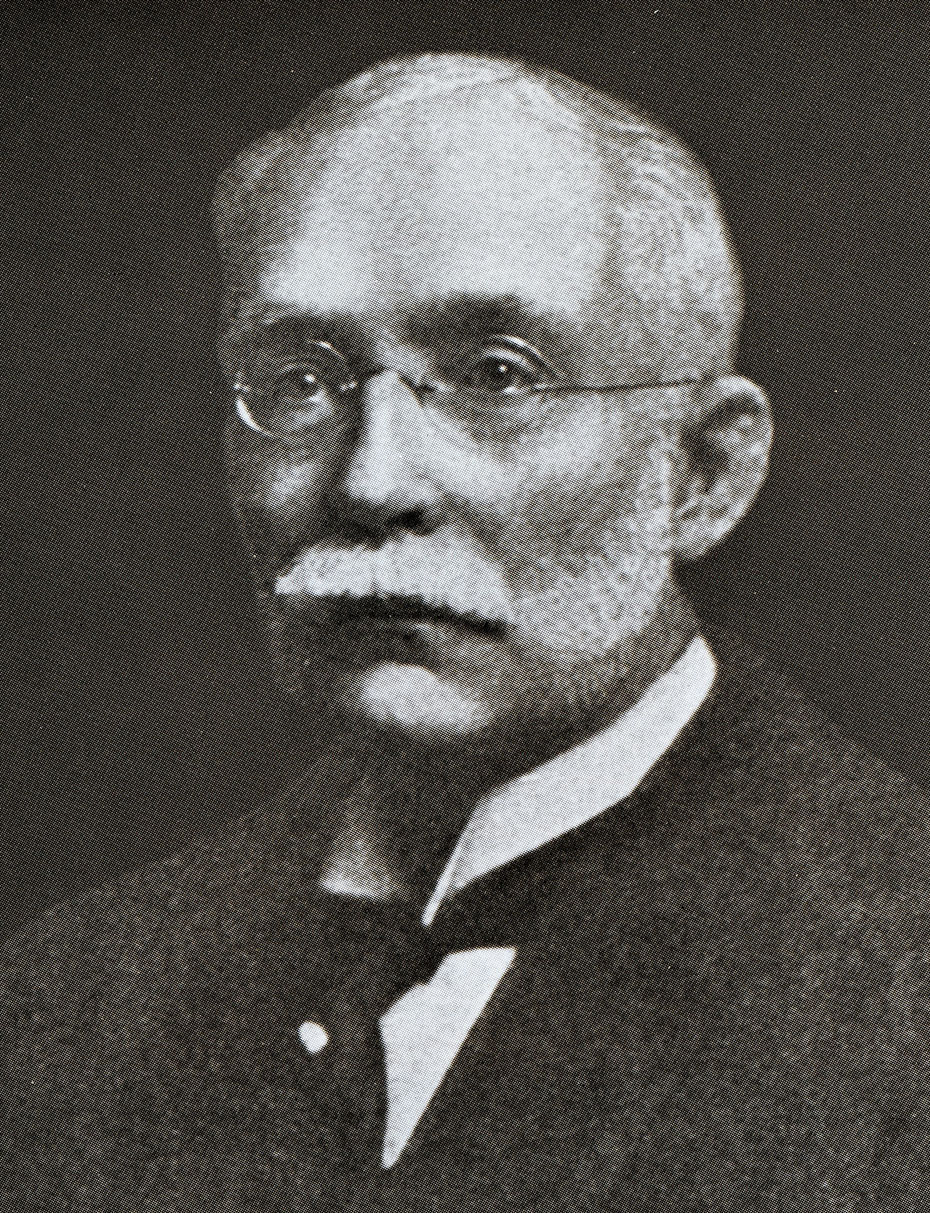
To define the founder of Florida is to acknowledge both the individual men who led expeditions and the collective forces of history. Juan Ponce de León provided the name and the initial spark of interest, while Pedro Menéndez de Avilés provided the permanence and governance required for a colony to survive. However, the true story of the state’s foundation is also found in the resilience of the indigenous people and the strategic placement of landmarks that still stand today.
As travelers visit the Historic District of St. Augustine or explore the ruins of Mission San Luis, they are interacting with the decisions made by these founders hundreds of years ago. The architecture, the names of the cities, and even the cultural festivals found throughout the state are a direct result of the Spanish era. Understanding this history provides a deeper appreciation for the landmarks that define the region, transforming them from mere tourist attractions into essential chapters of the American story.
The state’s identity is inextricably linked to its roots as a frontier of the New World. From the first sighting of the coastline in 1513 to the construction of the formidable Castillo de San Marcos, the founding of the region was a saga of endurance and discovery. Today, the legacy of those who first stepped onto its sandy shores continues to resonate through the palm-lined streets and historic plazas, inviting every visitor to discover the “Land of Flowers” for themselves.
LifeOutOfTheBox is a participant in the Amazon Services LLC Associates Program, an affiliate advertising program designed to provide a means for sites to earn advertising fees by advertising and linking to Amazon.com. Amazon, the Amazon logo, AmazonSupply, and the AmazonSupply logo are trademarks of Amazon.com, Inc. or its affiliates. As an Amazon Associate we earn affiliate commissions from qualifying purchases.