
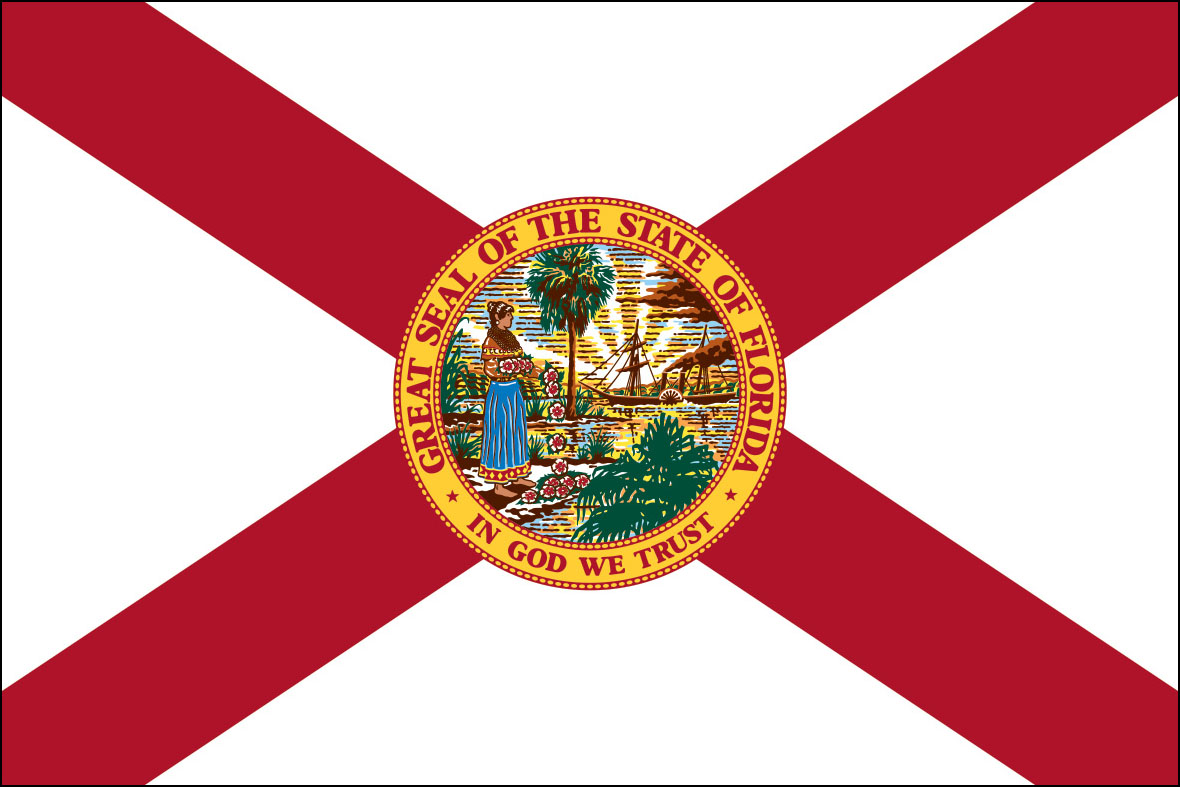
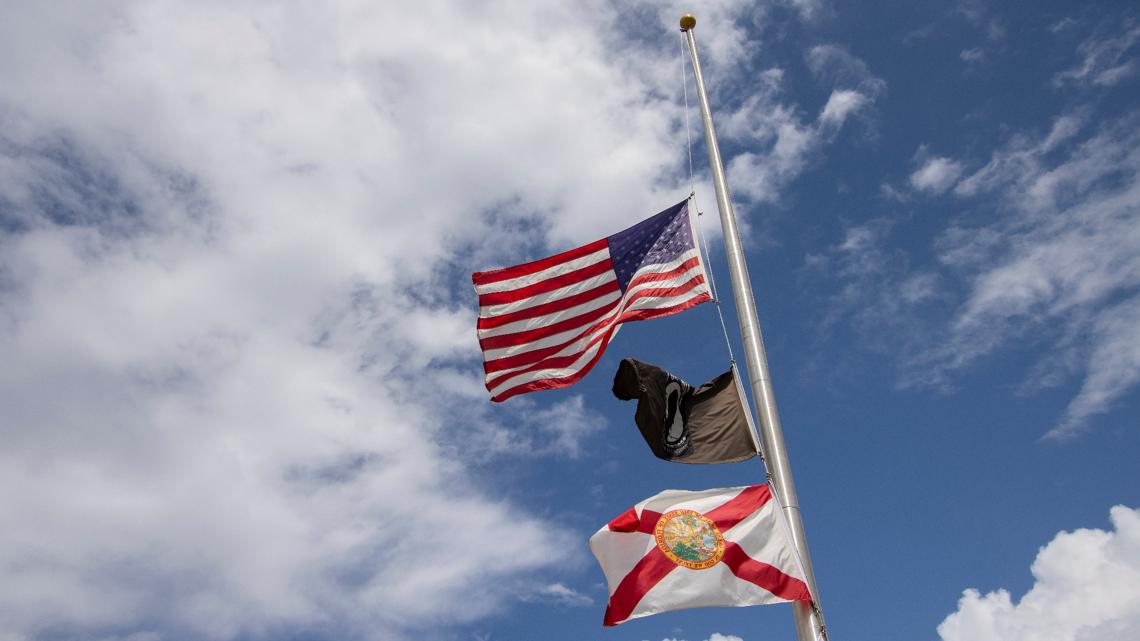
The sight of the American flag and the state flag of Florida flying at half-staff is a powerful visual cue that resonates across the state’s diverse landscape. From the historic streets of St. Augustine to the modern skyline of Miami, this gesture serves as a collective expression of mourning, respect, and remembrance. For visitors exploring the many landmarks of the Sunshine State, understanding the protocol behind these lowered colors provides a deeper insight into the local culture and the historical figures who have shaped the region. The act of lowering a flag is never a random occurrence; it is a strictly regulated tradition governed by both federal law and state executive orders, often centered around the most significant architectural and historical sites in the state.
The Civic Significance of Flag Protocol at Florida Landmarks
The tradition of flying flags at half-staff is deeply rooted in maritime history and military etiquette, eventually becoming a standardized practice across the United States. In the context of Florida, the visual landscape of its major cities and natural parks is often defined by the presence of these symbols. When a flag is lowered, it fundamentally changes the atmosphere of a landmark, whether it is the towering Florida State Capitol in Tallahassee or a quiet memorial in the Florida Keys.
The Authority to Lower the Colors
The decision to lower flags in Florida typically rests with two primary figures: the President of the United States and the Governor of Florida. Under the United States Flag Code, the President can issue a proclamation for the flag to be flown at half-staff upon the death of principal figures in the federal government or as a mark of respect during national tragedies. Similarly, the Governor has the authority to direct that flags over the state capitol and other public buildings be lowered to honor the passing of state officials, local heroes, or members of the armed forces who hailed from the state.
For many travelers visiting landmarks like Fort Castillo de San Marcos, seeing the flag at half-staff often prompts a search for recent news, connecting the physical site to contemporary events. This bridge between history and the present day is a hallmark of the Florida experience.
Formal Rituals at Historic Sites
At major historic landmarks, the process of raising and lowering the flag is often a formal ritual. At the Kennedy Space Center in Cape Canaveral, the flag serves as a reminder of the pioneers of space exploration. When flags are lowered here, it often pays tribute to fallen astronauts or significant figures in the aerospace industry. The architectural grandeur of these sites, combined with the solemnity of the half-staff flag, creates a moment of reflection for the thousands of tourists who pass through annually.
Historical Precedents and the Role of the Florida State Capitol
The Florida State Capitol complex in Tallahassee is the epicenter of the state’s political and symbolic life. Comprising both the historic 1845 capitol building and the modern 22-story tower, this site is where most flag directives are first implemented. The flags flown here set the tone for the rest of the state, from Jacksonville in the north to Key West in the south.
Honoring Legislative and Judicial Leaders
Flags are frequently lowered at the capitol to honor the passing of former governors, members of the Florida Cabinet, or justices of the Florida Supreme Court. These individuals have often spent decades shaping the laws and infrastructure that visitors enjoy today, such as the expansive highway systems or the protection of landmarks like Everglades National Park. By lowering the flag, the state acknowledges their service and ensures their legacy is recognized by the public.
Commemorating State-Specific Tragedies
Florida has faced its share of hardships, and the flags at the capitol often reflect the state’s collective grief. In the wake of natural disasters or significant public tragedies, the Governor may order flags to half-staff as a sign of solidarity with affected communities in cities like Orlando or Tampa. This act transforms a government building into a site of communal mourning, reminding residents and visitors alike of the resilience inherent in the state’s character.
Honoring National and Local Figures Across the Sunshine State

While the Florida State Capitol is the most prominent site for these observances, the practice extends to every corner of the state, reaching landmarks that define the Florida identity.
Remembering Veterans and First Responders
One of the most common reasons flags are lowered in Florida is to honor the sacrifice of those in uniform. Florida is home to a significant population of veterans and active-duty military personnel, with major bases in Pensacola and Tampa. When a Florida-based service member is killed in the line of duty, flags across the state are often lowered on the day of their interment.
Landmarks such as the Florida National Cemetery in Bushnell become focal points for these honors. The sight of thousands of flags at half-staff among the rolling hills of the cemetery is a poignant reminder of the cost of freedom. Similarly, the passing of local police officers or firefighters often results in lowered flags at municipal buildings in Fort Lauderdale or West Palm Beach.
National Days of Remembrance
There are several days throughout the year when flags are mandated to be at half-staff nationwide. Memorial Day is perhaps the most notable, where flags are flown at half-staff until noon and then raised to the top of the staff. Visitors at landmarks like Daytona Beach or Sarasota will see this transition, which symbolizes a transition from mourning the fallen to honoring the living who continue to serve. Other days include Patriot Day (September 11th) and Pearl Harbor Remembrance Day (December 7th), where the flags at sites like Biscayne National Park serve as silent sentinels of history.
Architectural and Cultural Impact on Major Tourist Destinations
For many, Florida is synonymous with its world-class attractions and natural wonders. The presence of a flag at half-staff at these locations adds a layer of solemnity to the visitor experience, reminding guests that even in places of leisure, history and respect remain paramount.
Flag Etiquette at Theme Parks and Resorts
Major destinations such as Disney World and Universal Studios Florida strictly adhere to flag protocols. While these locations are built on fantasy and entertainment, they are also significant private landmarks that respect national and state mandates. Seeing the flag at half-staff on Main Street, U.S.A., provides a sobering contrast to the surrounding festivities, grounding the experience in the reality of national or state-wide events. This adherence to protocol demonstrates the integration of these “commercial landmarks” into the broader cultural fabric of Florida.
Coastal Landmarks and Maritime Mourning
In coastal cities like Naples or Clearwater, flags are often found at the ends of long piers or at the entrances to marinas. When these flags are lowered, the effect is amplified by the vast backdrop of the Gulf of Mexico or the Atlantic Ocean. For those exploring the Dry Tortugas National Park, the flag at Fort Jefferson serves as a lonely but powerful tribute when lowered, echoing through the brick corridors of the massive coastal fortress.
Navigating Florida’s Landmarks During Days of Remembrance
Understanding why flags are at half-staff can enrich a traveler’s journey through Florida. It encourages a pause in the itinerary to reflect on the stories behind the symbols.
Resources for Visitors
Those curious about the current status of flags in the state can check official government websites or local news outlets in cities like Gainesville or Tallahassee. The Florida Department of Management Services typically posts notices regarding flag status, detailing exactly who is being honored and for how long the flags will remain lowered. This information can turn a simple sightseeing trip into an educational experience about the figures who have contributed to the heritage of Florida.
The Enduring Power of the Gesture
The sight of a lowered flag is a testament to the fact that landmarks are more than just stone, steel, and landscape; they are living repositories of a state’s values. Whether it is a tribute to a civil rights leader in Miami Beach or a former president, the half-staff flag at a Florida landmark is a call to remember. It asks the observer to step out of their daily routine and acknowledge a legacy larger than themselves.
As you travel through the state, from the emerald waters of the Florida Panhandle to the bustling ports of Jacksonville, the flags you see are symbols of a shared narrative. They represent the high points of achievement and the somber moments of loss, all woven into the tapestry of the many landmarks that make Florida a destination of both beauty and profound historical significance. By recognizing these protocols, visitors participate in a tradition that has stood for centuries, honoring the past while looking toward the future of the Sunshine State.
LifeOutOfTheBox is a participant in the Amazon Services LLC Associates Program, an affiliate advertising program designed to provide a means for sites to earn advertising fees by advertising and linking to Amazon.com. Amazon, the Amazon logo, AmazonSupply, and the AmazonSupply logo are trademarks of Amazon.com, Inc. or its affiliates. As an Amazon Associate we earn affiliate commissions from qualifying purchases.