
The cultural and political landscape of Florida has long been a point of fascination for travelers and residents alike. Known as the Sunshine State, this southeastern corner of the United States is more than just a collection of pristine beaches and world-class theme parks. It is a place where local policy and tourism frequently intersect, shaping the environment that millions of visitors experience every year. Recently, a significant point of discussion has been the fate of Amendment Four, a ballot initiative that carried substantial weight for the state’s social and legal future. For those visiting or planning a trip, understanding the local culture involves grasping how these legal shifts impact the “vibe” and operations of major tourist hubs.
The Cultural Impact of the Amendment Four Vote
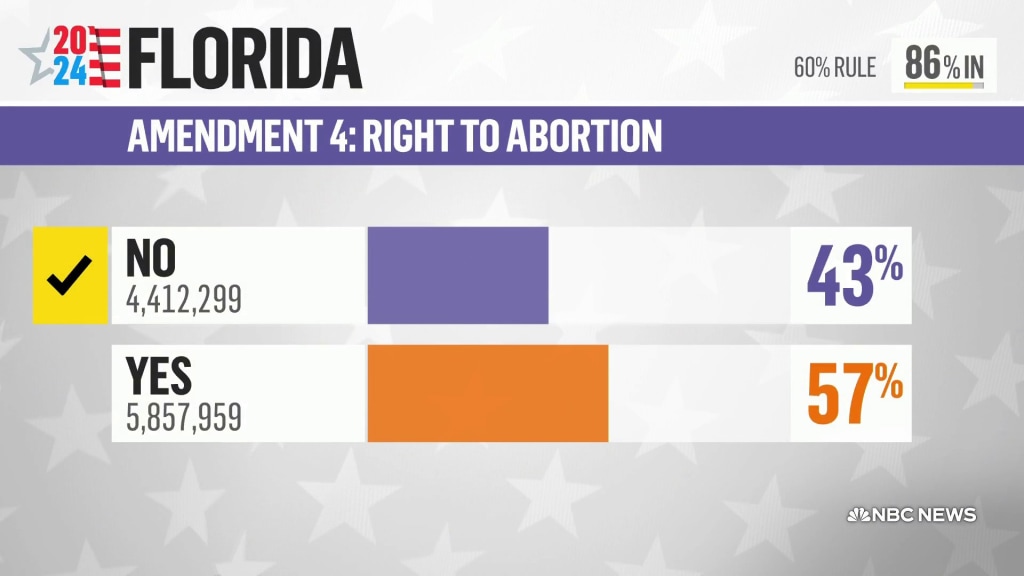
When discussing the local culture of Florida, one cannot ignore the passionate civic engagement that defines its residents. Amendment Four was a high-stakes proposal aimed at establishing a constitutional right to abortion in the state. Despite receiving a majority of the votes in the recent election, the amendment failed to reach the 60% supermajority threshold required by the state constitution to pass. This outcome has left the current legal landscape intact, maintaining the existing restrictions that have become a central part of the cultural discourse in cities from Tallahassee to Miami.
Navigating the Social Climate for Travelers
For the modern traveler, the social climate of a destination is often as important as the quality of its hotels or the beauty of its Landmarks. The failure of Amendment Four to pass means that the legislative status quo remains, which influences the types of events, conventions, and demographics that choose to visit the state. Tourism in Florida is increasingly a reflection of these internal values. In liberal-leaning enclaves like Key West and parts of South Beach, the atmosphere remains one of broad social acceptance and progressive values, whereas more conservative regions in the Panhandle may align more closely with the state’s legislative decisions.
Influence on Major Metropolitan Areas
The cultural ripple effects of the vote are particularly visible in Orlando, a city that relies heavily on its reputation as a welcoming global destination. The failure of the amendment is a frequent topic of discussion in local coffee shops and community centers, highlighting a divide between the urban centers and the more rural parts of the state. Travelers visiting the Orange County Convention Center or the various arts districts in Tampa will find that the local culture is deeply engaged with these issues, often resulting in vibrant public art, protests, and community forums that add a layer of contemporary social relevance to the visitor experience.
Tourism Dynamics in a Changing Legal Environment
The intersection of law and tourism is nowhere more evident than in Florida. Large-scale tourism entities often have to navigate the complexities of state legislation while appealing to a diverse, international audience. The decision regarding Amendment Four is a primary example of how the legal environment shapes the brand of the state.
The Role of Theme Parks and Major Attractions
Walt Disney World Resort and Universal Orlando Resort are the crown jewels of the state’s tourism industry. While these entities rarely take public stances on every specific amendment, the broader political atmosphere influenced by such votes can affect corporate travel policies and family vacation decisions. Some travelers may choose to visit Orlando specifically to support the diverse workforce that powers these parks, while others might look at the legislative climate when deciding where to spend their holiday dollars. The failure of Amendment Four ensures that the debate surrounding Florida’s social policies will continue to be a talking point for those visiting Magic Kingdom or Epcot.
Convention Tourism and Corporate Events
Business travel is a massive component of the economy in Jacksonville and Fort Lauderdale. When major constitutional amendments fail or pass, it can influence the site selection for national and international conventions. Organizations often weigh the local legal landscape against their own corporate values. In the wake of the Amendment Four result, tourism boards in cities like Miami Beach work overtime to emphasize that their doors remain open to everyone, striving to maintain a balance between state-level politics and the inclusive nature of the local tourism industry.

Regional Variations in Local Culture and Tips for Visitors
Florida is not a monolith. The local culture varies drastically as you move from the historic streets of St Augustine to the tropical vibrancy of the Florida Keys. Understanding how different regions reacted to the news of Amendment Four can help a traveler choose a destination that aligns with their preferred atmosphere.
South Florida: A Melting Pot of Perspectives
In Miami, the culture is a high-energy mix of Latin American influence, luxury living, and artistic expression. The failure of Amendment Four was met with significant local resistance in this area, which often views itself as culturally distinct from the rest of the state. Visitors to the Wynwood Walls or the Vizcaya Museum and Gardens will likely encounter a community that is vocal about its social stances. For tourists, this translates into a rich, politically active arts scene and a nightlife that prides itself on being a haven for self-expression.
The Gulf Coast: Natural Beauty and Traditional Values
On the opposite side of the peninsula, cities like Naples and Sarasota offer a different pace. Known for the calm waters of the Gulf of Mexico and world-class golfing, these areas often lean more toward the legislative status quo. A trip to Clearwater Beach or Sanibel Island offers a more traditional vacation experience where the focus is on the natural environment and coastal leisure. Here, the local culture is often more reserved regarding state politics, focusing instead on conservation efforts and the preservation of the Everglades National Park.
Central Florida: The Intersection of Industry and Community
Orlando serves as the bridge between the different cultural identities of the state. While the theme parks provide an escape from reality, the surrounding communities in Winter Park and Lake Nona are deeply involved in the state’s future. For visitors, exploring these neighborhoods offers a glimpse into the “real” Florida—one that is navigating the complexities of rapid growth and shifting social norms. Sampling the food scene at East End Market or visiting the Orlando Museum of Art provides a deeper connection to the people who live and work in the shadow of the world’s most famous mouse.
Navigating Florida’s Activities and Sites Amidst Social Change
Despite the political debates, Florida remains a premier destination for those seeking sunshine, history, and adventure. The failure of Amendment Four does not change the majesty of the state’s landmarks, but it does add a layer of context to the history being written today.
Exploring the Great Outdoors
The natural wonders of Florida are a major draw. From the coral reefs of Biscayne National Park to the remote beauty of Dry Tortugas National Park, the state’s environment is a unifying force. Many local tourism operators emphasize eco-tourism as a way to connect visitors with the land, regardless of the political climate. Taking a boat tour through the Ten Thousand Islands or kayaking the crystal-clear waters of Crystal River to see manatees are activities that highlight the timeless appeal of the state.
Historical and Educational Experiences
For those interested in history, the Kennedy Space Center on the Atlantic Ocean coast offers a look at human achievement that transcends local policy. Similarly, a walk through Castillo de San Marcos in St Augustine provides perspective on centuries of change. These sites remind visitors that while the headlines of today—like the vote on Amendment Four—are significant, they are part of a much longer story of a state that has always been at the crossroads of different cultures and ideologies.

Tips for the Insightful Traveler
- Stay Informed: Understanding that Florida requires a 60% majority for constitutional amendments helps explain why Amendment Four did not pass despite having a majority of the electorate’s support.
- Engage Locally: Talk to small business owners in places like Palm Beach or Daytona Beach. Local perspectives provide a much richer understanding of the state than news headlines alone.
- Respect Diversity: Recognize that the cultural vibe in Panama City Beach will be markedly different from the vibe in Key West. Choose your destination based on the experience you want to have.
- Support Community Events: Whether it’s a film festival in Miami or a seafood festival in Captiva Island, supporting local events is the best way to experience the authentic culture of the state.
In conclusion, the question of whether Amendment Four passed in Florida is a matter of legal record—it did not. However, the cultural conversation surrounding it continues to thrive, adding a unique dimension to the tourism experience in the state. Whether you are coming for the thrills of Universal Studios Florida or the tranquility of the Gulf Coast, the social and cultural landscape of Florida is an integral part of what makes it such a dynamic place to visit. By understanding these nuances, travelers can enjoy a deeper, more meaningful connection to the Sunshine State and the diverse people who call it home.
LifeOutOfTheBox is a participant in the Amazon Services LLC Associates Program, an affiliate advertising program designed to provide a means for sites to earn advertising fees by advertising and linking to Amazon.com. Amazon, the Amazon logo, AmazonSupply, and the AmazonSupply logo are trademarks of Amazon.com, Inc. or its affiliates. As an Amazon Associate we earn affiliate commissions from qualifying purchases.