
For many travelers and digital nomads, the question “What is the time in Guam?” is often the first step in a journey toward one of the most unique territories of the United States. Known affectionately as the place “Where America’s Day Begins,” this tropical jewel in the Pacific Ocean operates on a clock that sets the pace for the rest of the nation. Understanding the time in this corner of Micronesia is not merely about checking a watch; it is about understanding a cultural rhythm that dictates everything from morning fishing expeditions to the vibrant night markets of Hagåtña.
Understanding Chamorro Standard Time: Where America’s Day Begins
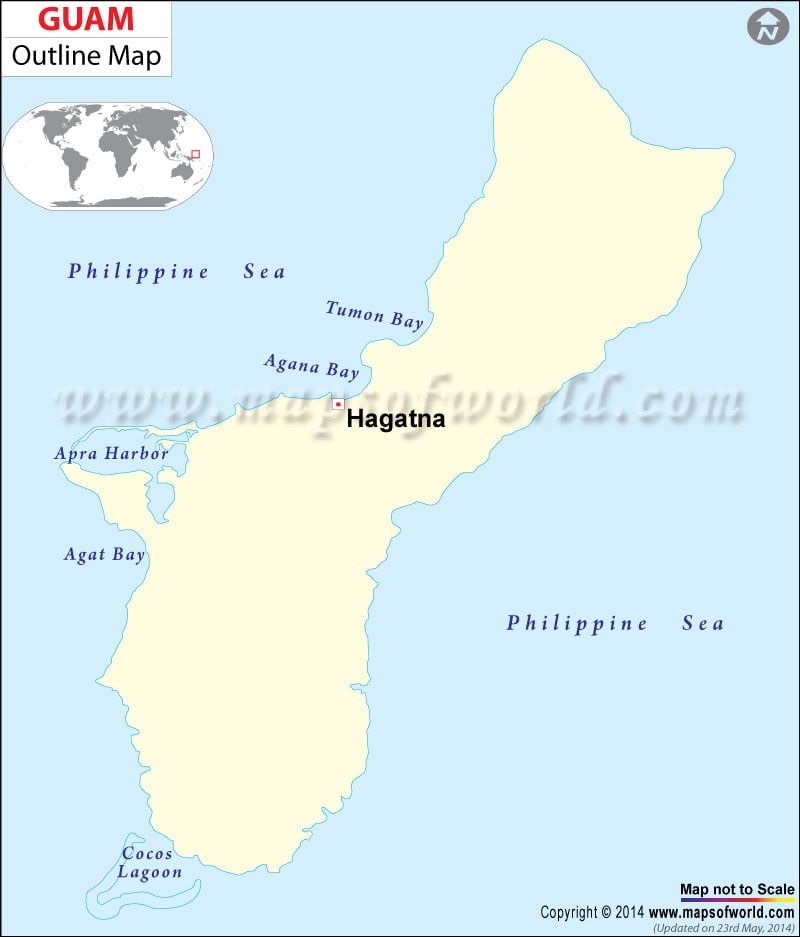
Guam operates on Chamorro Standard Time (ChST), which is 10 hours ahead of Coordinated Universal Time (UTC+10). Because it sits on the opposite side of the International Date Line from the mainland United States, Guam is essentially a day ahead of the American continent. When the sun rises over the cliffs of Puntan Dos Amantes, also known as Two Lovers Point, the residents of New York and California are often just finishing their previous day’s work.
The Science of the Time Zone
One of the most important aspects for tourists to remember is that Guam does not observe Daylight Saving Time. This means the time difference between the island and the mainland fluctuates depending on the season. During the winter months, Guam is 15 hours ahead of Eastern Standard Time, but this shifts to 14 hours during the summer. This consistency is a hallmark of tropical living, where the length of the day remains relatively stable throughout the year, allowing for a predictable tourism schedule that centers on the sun’s natural arc.
The island’s position in the Marianas archipelago makes it a central hub for the region. For those traveling from Japan, South Korea, or the Philippines, the time difference is minimal, often only an hour or two. This makes Guam an incredibly popular “weekend getaway” for East Asian tourists, who can arrive and immediately begin their activities without the burden of significant jet lag.
The International Date Line Experience
Crossing the International Date Line to reach Guam is a rite of passage for many international visitors. If you are flying from Honolulu, Hawaii, you will likely lose a calendar day during the flight, only to “gain” it back on your return journey. This temporal leap adds a layer of excitement to the tourism experience, as travelers feel they have truly stepped into the future. For business travelers and tourists alike, this necessitates careful planning of hotel check-ins and activity bookings to ensure they align with the local date.
Cultural Chronology: Living by the Guam Sun
The local culture of Guam is deeply intertwined with its environment. The “time” in Guam is often measured not by minutes, but by the intensity of the sun and the arrival of the trade winds. Tourism here is most successful when visitors learn to sync their watches with the local Chamorro lifestyle, which prioritizes the cooler hours of the morning and the social atmosphere of the evening.
Early Risers and the Dededo Flea Market
To truly experience Guam tourism at its most authentic, one must embrace the early hours. Because the sun rises early and the tropical heat intensifies by noon, many of the island’s best cultural activities begin at dawn. The Dededo Flea Market, located in the northern village of Dededo, is a prime example. On Saturday and Sunday mornings, the market is in full swing by 6:00 AM.
Visitors who arrive early can feast on local delicacies like ginger porridge (arroz caldo) or freshly grilled pork skewers while browsing stalls filled with local produce, Chamorro jewelry, and unique crafts. By 10:00 AM, the crowds begin to thin as the sun rises higher, illustrating how the island’s commercial and social life is dictated by the clock of the natural world.
The Midday Lull and Tropical Pacing
As midday approaches, the “time” in Guam shifts toward relaxation and indoor pursuits. The intense midday sun is the perfect excuse for tourists to explore the island’s indoor attractions or enjoy a long, leisurely lunch. This is the ideal window to visit the Guam Museum in Hagåtña or engage in duty-free shopping in the high-end boutiques of Tumon.
The local concept of “island time” is also a factor. While professional services are punctual, social gatherings and community events often follow a more fluid schedule. For a tourist, adopting this mindset—allowing for spontaneity and not rushing from one landmark to the next—is key to enjoying the peaceful lifestyle that Guam offers.
Sunset Rituals at Tumon Bay
The most celebrated time of day in Guam is undoubtedly sunset. As the workday ends, locals and tourists alike gravitate toward the western shore, particularly Tumon Bay and Ypao Beach Park. The sky transforms into a canvas of deep purples, fiery oranges, and soft pinks, providing a spectacular backdrop for evening swims or beachside barbecues.
The timing of the sunset is remarkably consistent, usually occurring between 6:00 PM and 6:45 PM throughout the year. This predictability allows tourism operators to schedule sunset dinner cruises and cultural shows with precision. For many, the hour of sunset marks the transition from the active exploration of the day to the vibrant culinary and social scene of the night.

Maximizing Your Visit: A Time-Sensitive Tourism Guide
To make the most of a trip to Guam, tourists should structure their itineraries around the island’s unique temporal characteristics. Whether it is beating the crowds at a famous landmark or finding the best time for a cultural immersion, timing is everything.
Morning Adventures: Hiking and Nature
For those interested in Guam’s natural beauty, the morning hours are precious. Popular “boonie stomps” (the local term for hiking) to spots like Pagat Caves or Mount Lamlam should ideally begin shortly after sunrise. This ensures that hikers are well under the shade of the jungle canopy or have completed their ascent before the peak heat of the afternoon.
Similarly, wildlife enthusiasts visiting Ritidian Point at the Guam National Wildlife Refuge should check the tides and opening hours carefully. The refuge often opens at 7:30 AM, and arriving early increases the chances of spotting native birds and enjoying the pristine white sands of the northern tip of the island in near-solitude.
Afternoon Culture: Museums and Historic Hagåtña
After the morning’s physical activity, the afternoon is the perfect time to delve into the history of the island. A walking tour of Hagåtña allows visitors to see Plaza de Espana, the Dulce Nombre de Maria Cathedral Basilica, and the Latte Stone Park.
Because these sites are in close proximity, they can be explored in a few hours. The afternoon is also the best time to visit the War in the Pacific National Historical Park in Asan, where the museum exhibits provide a somber and educational air-conditioned refuge from the humidity, detailing Guam’s pivotal role in World War II.
Evening Festivities: The Chamorro Village Wednesday Night Market
If your visit falls on a Wednesday, the most important “time” to keep in mind is 5:30 PM. This is when the Chamorro Village in Hagåtña transforms into a bustling night market. It is the pinnacle of Guam tourism, offering a sensory explosion of local music, traditional dance, and the irresistible aroma of “fiesta food.”
Tourists can sample red rice, kelaguen, and titiyas while watching youth groups perform the “Sasa,” a traditional dance. The market is also the best place to find authentic souvenirs, from hand-carved ifit wood to shell jewelry. Arriving right as the market opens ensures you get a seat for the performances and avoids the longest queues for the most popular food stalls.
Practical Wisdom for the Global Traveler
Navigating the time in Guam involves more than just setting a watch; it requires a bit of logistical strategy, especially for those maintaining connections with the rest of the world.
Coordinating with the United States Mainland
For American tourists, the time difference can be a challenge when trying to call home. A common tip is to remember that Guam is “tomorrow” relative to the mainland. If it is Tuesday morning in Guam, it is likely Monday evening in New York. This 14-to-15-hour gap means that the best time to make international calls is usually in the early morning in Guam (which reaches the mainland in the evening) or late at night.
Regional Proximity and Travel Logistics
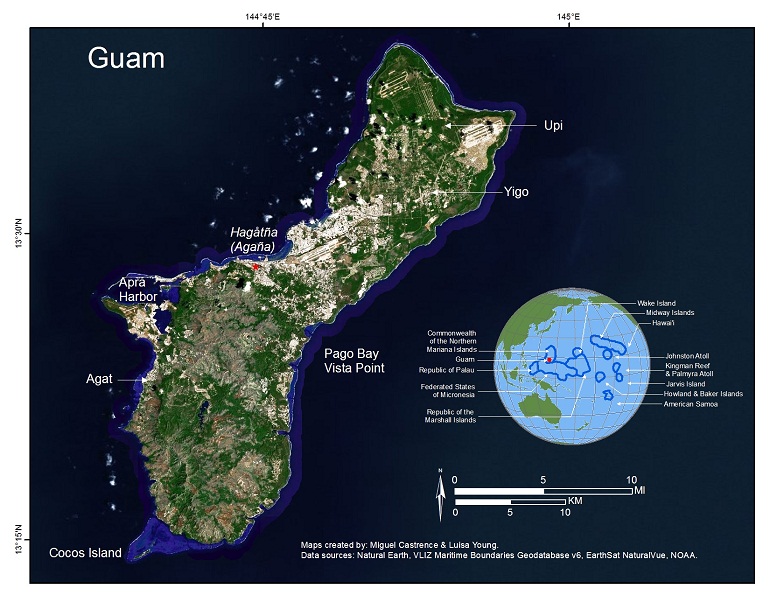
Because of its location, Guam is an excellent jumping-off point for exploring other destinations in the Pacific. Flights to Saipan in the Northern Mariana Islands take less than an hour and remain in the same time zone. For those looking to extend their trip to Palau or the Federated States of Micronesia, Guam serves as the primary regional transit hub.
The Antonio B. Won Pat International Airport in Tamuning operates 24/7, reflecting the island’s role as a vital link between the east and the west. Many flights from Asia arrive in the middle of the night, meaning that many hotels in the Tumon district are accustomed to late-night check-ins and early-morning starts.
Staying Ahead of the Curve
Ultimately, the time in Guam is an invitation to be ahead of the curve. Being in the first time zone to experience the new day gives visitors a sense of priority and peace. Whether you are watching the first light hit the Inarajan Pools or enjoying a late-night feast in Tamuning, the island’s clock encourages a lifestyle that is both productive and profoundly relaxed.
For any tourist, the best tip is to leave the strict schedules of the mainland behind. Use the time in Guam to reset your internal clock to the pace of the tides and the warmth of the sun. By embracing the rhythm of Chamorro Standard Time, you don’t just visit Guam—you live it.
LifeOutOfTheBox is a participant in the Amazon Services LLC Associates Program, an affiliate advertising program designed to provide a means for sites to earn advertising fees by advertising and linking to Amazon.com. Amazon, the Amazon logo, AmazonSupply, and the AmazonSupply logo are trademarks of Amazon.com, Inc. or its affiliates. As an Amazon Associate we earn affiliate commissions from qualifying purchases.