
When planning a getaway to the tropical paradise of Hawaii, most travelers envision pristine beaches, lush rainforests, and vibrant sunsets. However, as with any ecosystem located in the heart of the Pacific Ocean, the islands are home to a variety of wildlife that often escapes the brochures. One of the most common questions from cautious adventurers is: “Are there scorpions in Hawaii?”
The short answer is yes. While the United States mainland has a wide variety of scorpion species, particularly in the desert southwest, the Hawaiian Islands host only one specific species. Understanding this creature, where it lives, and how to avoid it is an essential part of being an informed tourist. This guide explores everything you need to know about scorpions in the Aloha State, along with general safety tips for navigating the unique environment of the islands.

The Lesser Pacific Scorpion: Hawaii’s Only Scorpion Species
Unlike the diverse range of arachnids found in places like Arizona or Mexico, Hawaii is home to just one species: the Lesser Pacific Scorpion. Scientifically known as Isometrus maculatus, this creature is not native to the islands but was introduced many years ago, likely via shipping routes from other parts of Polynesia or southeast Asia.
Identification and Physical Characteristics
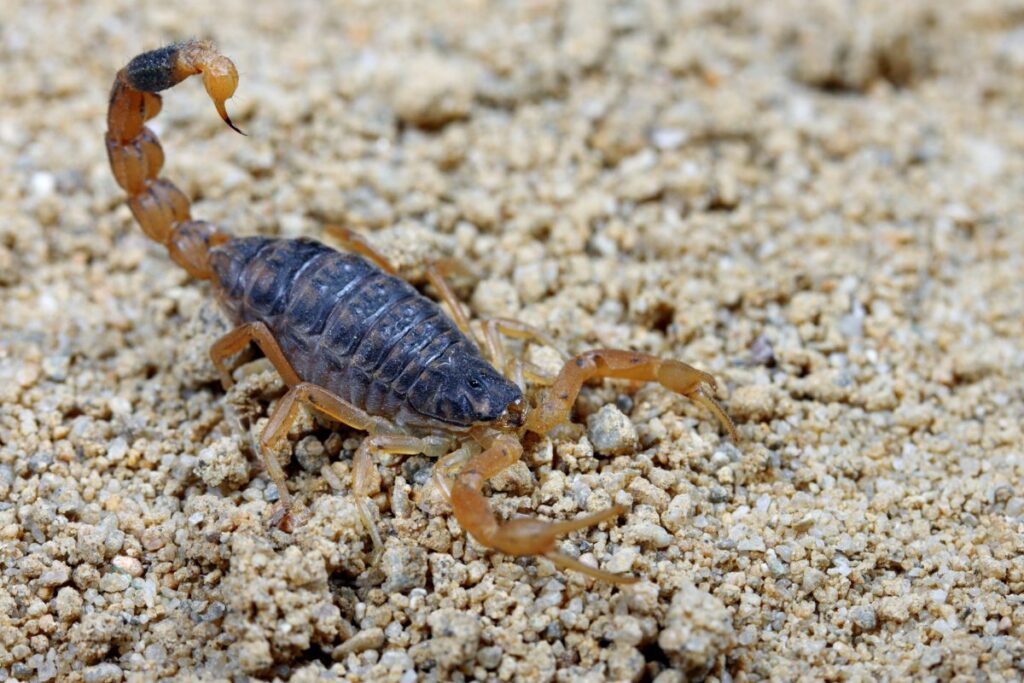
The Lesser Pacific Scorpion is relatively small and slender compared to its more intimidating cousins found elsewhere. They typically grow to about two to three inches in length. Their coloring is a pale, yellowish-brown or light tan, often with darker mottled spots or stripes along their back and tail. This coloring provides excellent camouflage against the dried leaves, bark, and volcanic soil common in many parts of Oahu and Maui.
Because they are slender and light-colored, they can be difficult to spot, especially since they are primarily nocturnal. During the day, they prefer to hide in dark, cool, and damp crevices. For a tourist, this means they are rarely seen unless you are actively looking under rocks, logs, or within the folds of outdoor equipment.
Behavior and Venom Potency
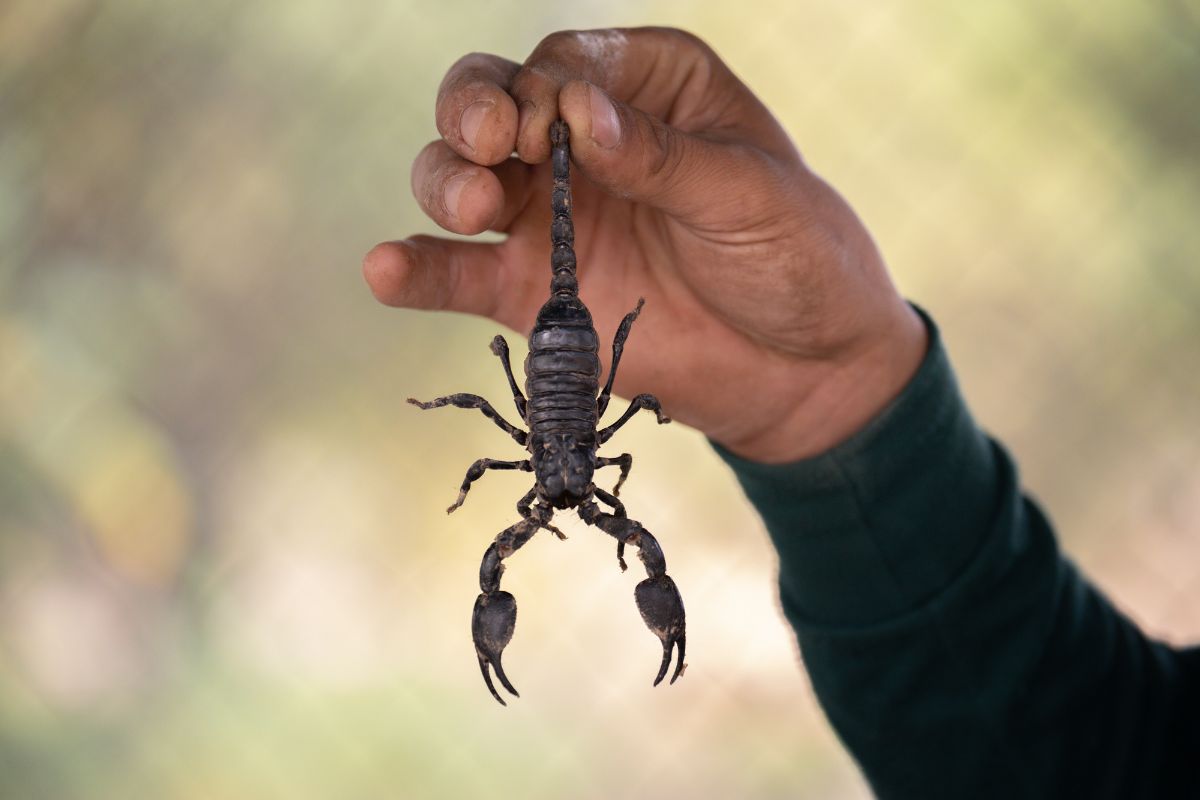
One of the most important things for visitors to know is that while the Lesser Pacific Scorpion is venomous, its sting is generally not considered life-threatening to healthy adults. Most people describe the sensation as similar to a bee or wasp sting—a sharp, immediate pain followed by localized swelling, redness, and itching.
These creatures are not aggressive. They do not hunt humans; rather, they use their stings for defense or to paralyze small insects, which make up the bulk of their diet. Encounters usually happen when a human accidentally disturbs a scorpion’s hiding place, such as stepping on one with bare feet or reaching into a dark corner of a shed or garden.
Habitats and Hotspots: Where Scorpions Are Found
While scorpions can be found on all the major islands, including Kauai, Lanai, Molokai, and the Big Island, they are not evenly distributed. Their presence is highly dependent on the local micro-climate and the type of terrain.
Leeward vs. Windward Sides
In Hawaii, the islands are divided into “windward” (wet, lush, and green) and “leeward” (dry, sunny, and arid) sides. Scorpions thrive more readily in the drier, leeward environments. If you are staying in popular tourist hubs like Waikiki in Honolulu or the sunny resorts of Kaanapali on Maui, your chances of encountering a scorpion are significantly lower than if you were exploring the rural, arid regions of the islands.
Places like Kailua-Kona on the Big Island or Kihei on Maui provide the perfect dry conditions that these arachnids prefer. They are often found in coastal scrublands, under the bark of trees, or within rock walls that line many local properties.
Urban and Indoor Encounters
It is rare to find scorpions inside high-rise hotels or modern resorts in Hawaii. They prefer the outdoors. However, if you are staying in a vacation rental, a rustic cabin near Haleakala National Park, or an older home in a residential area like Lihue, it is possible for one to wander inside in search of water or prey.
They are known to hide in shoes, piles of laundry, or under damp towels left on the floor. For this reason, many locals and seasoned travelers in Hawaii recommend a “shake before you wear” policy for any footwear left near an entrance or outside on a lanai.
Essential Safety Tips for Your Hawaiian Adventure
Safety in Hawaii is largely a matter of awareness. While scorpions are a minor concern compared to the power of the ocean or the heat of the sun, following a few simple tips can ensure your trip remains focused on relaxation and fun.
Outdoor and Hiking Precautions
Many tourists flock to landmarks like Diamond Head State Monument or the trails surrounding Volcanoes National Park. When hiking, it is best to stay on marked trails. Avoid reaching into crevices in stone walls or moving large rocks where scorpions might be sheltering from the midday sun.
If you are camping or hiking in remote areas like the Na Pali Coast State Wilderness Park, ensure your tent is zipped up at all times. Always check your sleeping bag and boots before climbing in or putting them on in the morning.
First Aid for Scorpion Stings
If you or someone in your group is stung by a scorpion in Hawaii, do not panic. The first step is to wash the area thoroughly with soap and water to prevent infection. Applying a cold compress can help reduce swelling and numb the pain.
Over-the-counter pain relievers and antihistamines are usually sufficient to manage the symptoms. However, it is important to monitor for signs of an allergic reaction, such as difficulty breathing, severe swelling away from the sting site, or dizziness. While rare, an allergic reaction requires immediate medical attention at a facility like the Queens Medical Center in Honolulu or the nearest urgent care.
Beyond Scorpions: Other Wildlife Awareness for Tourists
While scorpions often get a bad reputation, there are other creatures in Hawaii that tourists are more likely to encounter and should be aware of. Understanding the broader local fauna is a key part of responsible and safe tourism.
The Giant Centipede
Many locals will tell you that the Giant Centipede (Scolopendra subspinipes) is a far greater concern than the Lesser Pacific Scorpion. These centipedes can grow up to a foot long and are known for their aggressive nature and very painful bite. Like scorpions, they love dark, damp places and are frequently found in garden mulch or under outdoor furniture. Unlike the scorpion, their venom is significantly more potent and can cause intense pain and swelling that lasts for days.
Marine Life Hazards
The real “wildlife” concerns for most tourists occur at the beach. When visiting famous snorkeling spots like Hanauma Bay or the shores of Poipu, you should be mindful of sea urchins, known locally as “wana.” Stepping on their sharp spines can be a painful experience.
Additionally, the Box Jellyfish often appears in the waters near Waikiki Beach and Ala Moana Beach Park about 7 to 10 days after a full moon. Local news and beach signs usually warn visitors when these “stingers” are present in the water.
Wild Pigs and Goats
In more rural and mountainous regions, such as the back valleys of Hana or the ridges of Kauai, you may encounter wild pigs or goats. While generally shy, wild boars can be protective of their young and should be given a wide berth if spotted on a hiking trail.
Respecting the Ecosystem: A Key Part of Hawaiian Tourism
Tourism in Hawaii is deeply intertwined with the concept of “Malama Aina,” or caring for the land. Part of this respect involves understanding that the islands are a delicate ecosystem. Whether you are visiting Pearl Harbor or exploring the historic town of Lahaina, your interaction with the environment matters.
Leave No Trace
When exploring the natural wonders of Hawaii, always follow “Leave No Trace” principles. This means not disturbing wildlife, including scorpions. Even though they may be an invasive species, they play a role in the current island ecosystem by controlling insect populations. Avoid using pesticides or harming the creatures unless they pose an immediate threat to your safety.
Supporting Local Conservation
Many organizations across the islands work to preserve native species and manage invasive ones. When you visit places like the Maui Ocean Center or the Lyon Arboretum in Manoa, you are supporting education and conservation efforts that help keep the islands beautiful and safe for future generations.
In conclusion, while scorpions do exist in Hawaii, they are a minor part of the visitor experience. By staying informed, practicing basic safety habits, and respecting the diverse wildlife of the Pacific Ocean region, you can enjoy all the magic that Hawaii has to offer with total peace of mind. Whether you are lounging in Princeville or trekking through the Waimea Canyon State Park, the beauty of the islands far outweighs the small risk posed by its tiny, eight-legged residents.
LifeOutOfTheBox is a participant in the Amazon Services LLC Associates Program, an affiliate advertising program designed to provide a means for sites to earn advertising fees by advertising and linking to Amazon.com. Amazon, the Amazon logo, AmazonSupply, and the AmazonSupply logo are trademarks of Amazon.com, Inc. or its affiliates. As an Amazon Associate we earn affiliate commissions from qualifying purchases.