
The dream of visiting Hawaii is a global one, transcending borders and oceans. From the black sand beaches of the Big Island to the historic streets of Honolulu, the archipelago offers a unique blend of volcanic majesty and rich Polynesian heritage. For a non-U.S. citizen, the prospect of traveling to this remote paradise often comes with a set of logistical questions regarding entry requirements, cultural etiquette, and island-specific expectations. As the fiftieth state of the United States, Hawaii adheres to federal immigration laws, yet it maintains a distinct cultural identity that every international visitor should understand before arrival.
Understanding Travel Requirements for International Visitors
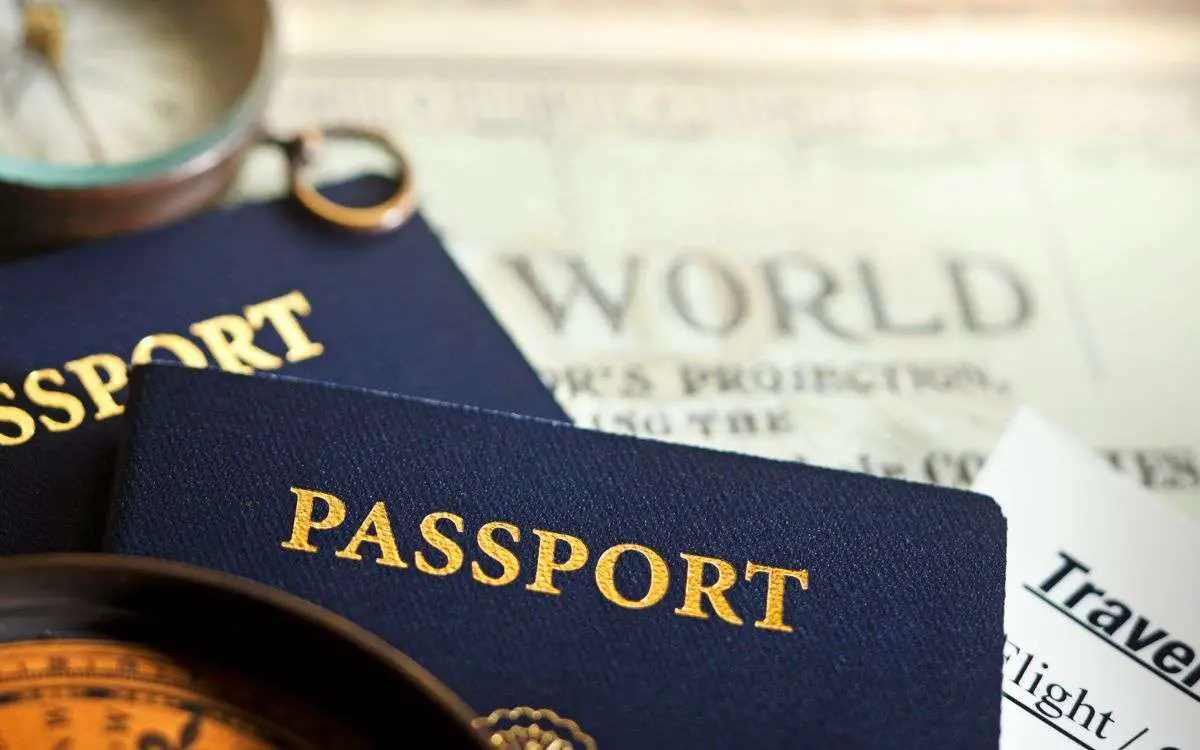
Navigating the entry process is the first step for any non-U.S. citizen planning a trip to the islands. Because Hawaii is an integral part of the United States, the entry requirements are identical to those of the mainland. Whether you are flying from Tokyo, Sydney, or London, your documentation must meet federal standards.
Visa Waiver Program and ESTA
Many international travelers from countries like Japan, South Korea, Australia, and the United Kingdom benefit from the Visa Waiver Program. This allows citizens of participating nations to visit for up to 90 days without a formal visa, provided they obtain an Electronic System for Travel Authorization (ESTA). It is crucial to apply for this at least 72 hours before departure. For citizens of countries not included in this program, such as China or India, a standard B-1/B-2 visitor visa is typically required, which involves an interview at a United States embassy or consulate.
Domestic vs. International Arrivals
A common point of confusion for non-U.S. citizens is the process of flying to Hawaii from a mainland city like Los Angeles or San Francisco. If you have already cleared customs and immigration on the mainland, your flight to Honolulu International Airport is treated as a domestic flight. However, you should still carry your passport, as it remains your primary form of identification as a non-citizen. If you are flying directly to the islands from a foreign country, you will undergo full customs and border protection processing upon arrival in Hawaii.
Agricultural Regulations
Hawaii has some of the strictest agricultural regulations in the world to protect its unique ecosystem. All passengers, including non-U.S. citizens, must fill out an Agricultural Declaration Form. Bringing certain fruits, plants, or animals into the state is strictly prohibited. This is a critical tip for international tourists: always declare any food items you are carrying to avoid heavy fines and to help preserve the delicate biodiversity of the islands.
Immersing in the Hawaiian Cultural Experience
Tourism in Hawaii is more than just sightseeing; it is an invitation to engage with a culture that values “Malama Aina” (caring for the land) and the “Aloha Spirit.” For an international traveler, understanding these local nuances ensures a more respectful and enriching experience.
The Significance of the Aloha Spirit
In Hawaii, “Aloha” is more than a greeting; it is a way of life and even a state law. It refers to the coordination of mind and heart within each person. As a visitor, practicing patience and kindness—especially when navigating traffic in Waikiki or waiting for a table at a popular local eatery—is the best way to honor this tradition. International visitors are often struck by the slower pace of life, often referred to as “island time,” which encourages living in the present moment.
Respecting Sacred Sites and Traditions
The islands are home to numerous “Heiau” (ancient temples) and sacred sites. When visiting places like the Puuhonua o Honaunau National Historical Park on the Big Island, it is vital to stay on marked paths and never remove rocks or sand. Taking lava rocks from Hawaii Volcanoes National Park is not only culturally disrespectful but is also said to bring bad luck, according to local legends involving the goddess Pele.
Language and Communication
While English is the primary language, the Hawaiian language is an official language of the state. You will frequently see and hear Hawaiian words. “Mahalo” (thank you) and “Keiki” (children) are common. Furthermore, “Pidgin” (Hawaiian Creole English) is spoken by many locals. While you aren’t expected to speak it, being aware of it helps in understanding the local rhythm of conversation. If you are visiting from Canada or Germany, you may find the linguistic landscape of the islands to be one of the most fascinating aspects of your journey.
Essential Activities and Sightseeing for International Travelers
Each island offers a distinct personality, and for the non-U.S. citizen, the variety of activities can be overwhelming. To make the most of a trip, it is helpful to categorize interests by island.
Oahu: The Gathering Place
Oahu is often the first stop for international arrivals. Here, you can explore Pearl Harbor, a site of immense historical significance for the United States and the world. A visit to the USS Arizona Memorial provides a somber and educational look at World War II history. For those interested in royal history, Iolani Palace in downtown Honolulu is the only royal palace on U.S. soil and offers insight into the Hawaiian Monarchy.
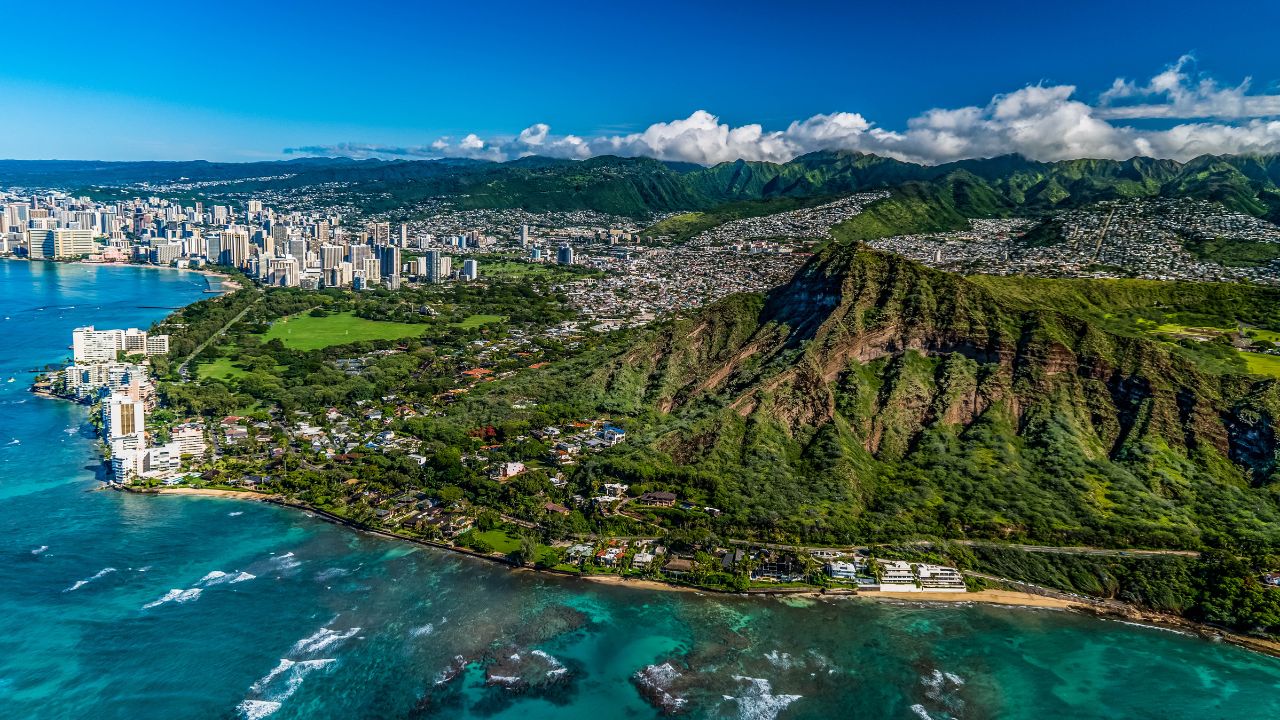
Beyond history, Oahu offers world-class surfing at the North Shore. During the winter months, waves can reach heights of 30 feet, attracting professional surfers from Brazil, France, and beyond. For a more relaxed experience, snorkeling at Hanauma Bay Nature Preserve allows you to see the state fish, the Humuhumunukunukuapuaa, in its natural habitat.
Maui: The Valley Isle
Maui is famous for its natural beauty and luxury experiences. Driving the Road to Hana is a must-do activity, featuring 620 curves and 59 bridges through lush rainforests and past towering waterfalls. Another highlight is witnessing the sunrise from the summit of Haleakala National Park. Standing at 10,023 feet above sea level, you are literally above the clouds. International visitors should note that reservations are required for sunrise viewing, reflecting the state’s move toward sustainable tourism management.
Kauai: The Garden Isle
For those seeking rugged beauty, Kauai is unparalleled. The Na Pali Coast features dramatic emerald cliffs that drop straight into the Pacific Ocean. Since there are no roads through this area, the best way to see it is via a boat tour or a helicopter ride. Additionally, Waimea Canyon, known as the “Grand Canyon of the Pacific,” offers hiking trails with breathtaking vistas that rival any landscape in North America.
A Culinary Journey Through the Islands
One of the best ways for a non-U.S. citizen to connect with Hawaii is through its food. The cuisine is a “melting pot” of influences from Japan, the Philippines, China, Korea, and Portugal, reflecting the history of the plantation era.
Traditional Hawaiian Foods
A traditional “Luau” is an essential tourist activity, where you can sample Kalua Pig cooked in an “Imu” (underground oven). Other staples include Poi (pounded taro root), Lau Lau (meat wrapped in luau leaves), and Haupia (coconut pudding). These dishes offer a taste of the flavors that have sustained the Hawaiian people for centuries.
Local Favorites and Street Food
You cannot visit Hawaii without trying Poke, a dish of raw marinated fish that has gained global popularity. In Hawaii, it is found everywhere from high-end restaurants to local grocery stores. For a sweet treat, head to Leonard’s Bakery for Malasadas, which are Portuguese doughnuts that have become a local obsession. Another must-try is Shave Ice, especially from iconic spots like Matsumoto Shave Ice on Oahu.
The Influence of Asian Cuisine
Due to its proximity to Asia, Hawaii has an incredible array of authentic Asian food. You will find some of the best Ramen and Sushi outside of Japan. The Loco Moco—a hamburger patty topped with an egg and gravy over rice—is a perfect example of the fusion that defines the modern Hawaiian palate.
Practical Tips for a Successful International Trip
To ensure a smooth journey, non-U.S. citizens should be mindful of several practical considerations unique to the islands.
Transportation and Navigation
While Honolulu has a functional bus system called TheBus, exploring the more remote parts of Maui or the Big Island requires a rental car. International visitors should ensure they have a valid driver’s license from their home country; an International Driving Permit (IDP) is recommended if the license is not in English. It is also important to remember that in Hawaii, you drive on the right side of the road.
Health and Safety
The United States healthcare system is expensive, so travel insurance is a mandatory consideration for any non-U.S. citizen. Additionally, the Hawaiian sun is exceptionally strong. Using reef-safe sunscreen is not only a tip for your health but a legal requirement in many parts of the state to protect the Coral Reefs. When hiking or swimming, always pay attention to local warning signs regarding “Rip Currents” or falling rocks.
Currency and Tipping
The currency is the United States Dollar. Credit cards are widely accepted, but having cash is helpful for smaller roadside fruit stands or local markets. Tipping is a standard practice in Hawaii, as it is in the rest of the United States. A tip of 18-20% at restaurants is customary and appreciated by the service staff.
Connectivity and Communication
For international travelers, purchasing a local SIM card or an eSIM is often more cost-effective than roaming. Major carriers like T-Mobile and AT&T offer good coverage across the main islands, though signal strength can drop in mountainous areas or deep valleys like the Waipio Valley.
In conclusion, for a non-U.S. citizen, traveling to Hawaii is entirely possible and immensely rewarding. By preparing the correct documentation, respecting the local culture, and embracing the diverse activities available, you can enjoy a seamless vacation in one of the world’s most beautiful destinations. Whether you are trekking through Volcanoes National Park or enjoying the sunset at Waikiki Beach, the islands offer an experience that stays with you long after you have returned home.
LifeOutOfTheBox is a participant in the Amazon Services LLC Associates Program, an affiliate advertising program designed to provide a means for sites to earn advertising fees by advertising and linking to Amazon.com. Amazon, the Amazon logo, AmazonSupply, and the AmazonSupply logo are trademarks of Amazon.com, Inc. or its affiliates. As an Amazon Associate we earn affiliate commissions from qualifying purchases.