
The image of Hawaii typically involves sun-drenched beaches, swaying palm trees, and the rhythmic pulse of the Pacific Ocean waves. However, for those willing to venture far above the tropical coastline, the United States offers one of its most surprising travel experiences: snow skiing in the tropics. While it may sound like a geographical impossibility, the Big Island provides a unique landscape where fire meets ice. At the center of this anomaly is Mauna Kea, a dormant volcano that reaches heights where the atmosphere thins and the temperature drops below freezing, allowing for a fleeting but exhilarating winter sports season.
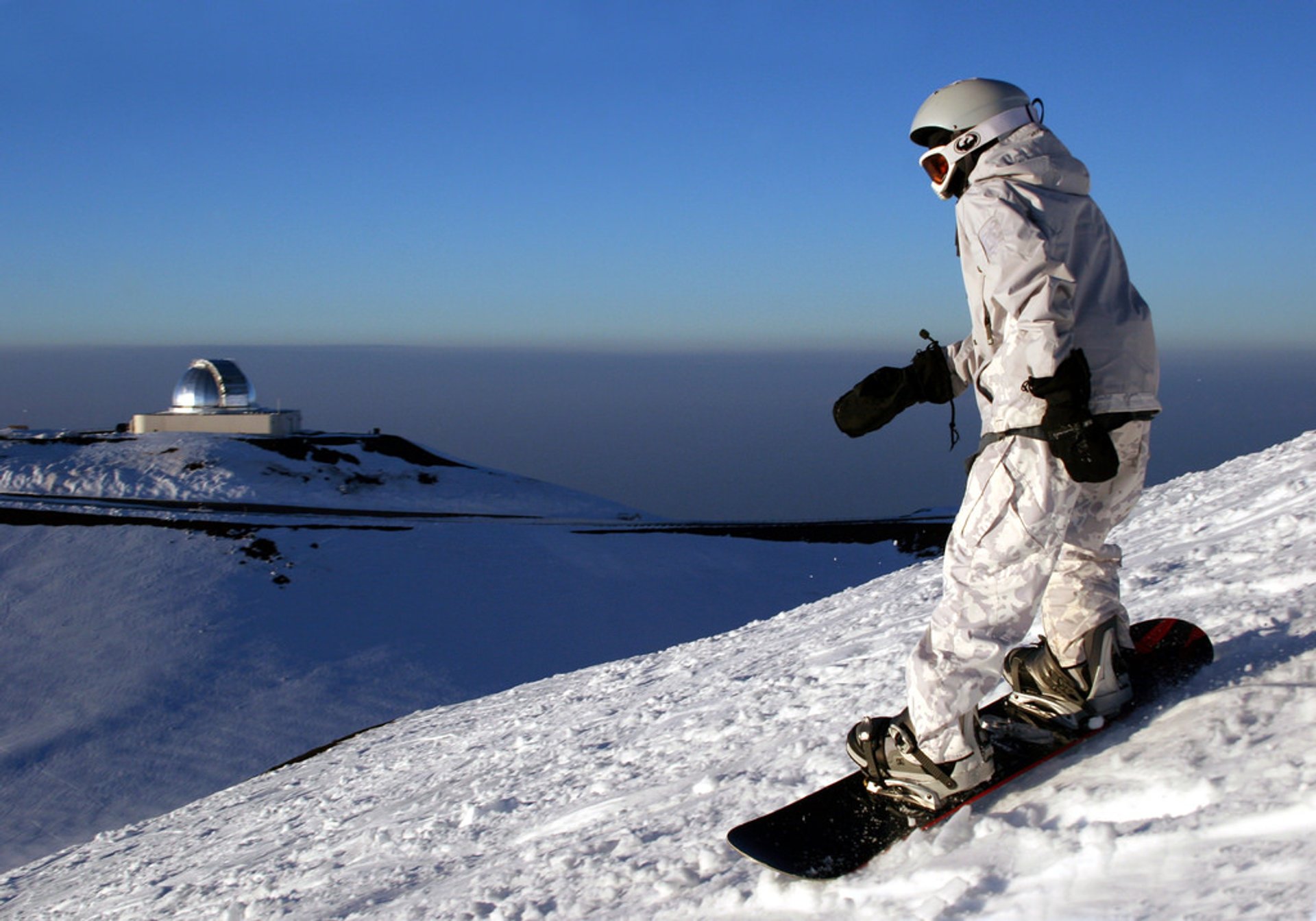
The Frozen Peak of the Pacific: Mauna Kea
To understand how skiing is possible in a state known for its year-round summer, one must look at the immense scale of the Big Island geography. Mauna Kea stands at 13,803 feet above sea level, but when measured from its base on the ocean floor, it is technically the tallest mountain in the world. This extreme elevation creates an alpine tundra climate that is starkly different from the rainforests and beaches just a few miles away.
A Sacred and Scientific Summit
Mauna Kea is not just a destination for thrill-seekers; it is a site of immense cultural and scientific importance. To the Native Hawaiians, the summit is considered “Wao Akua,” the realm of the gods, and remains a deeply sacred place. Travelers are encouraged to visit with a spirit of “aloha” and respect, recognizing the spiritual significance of the peaks.
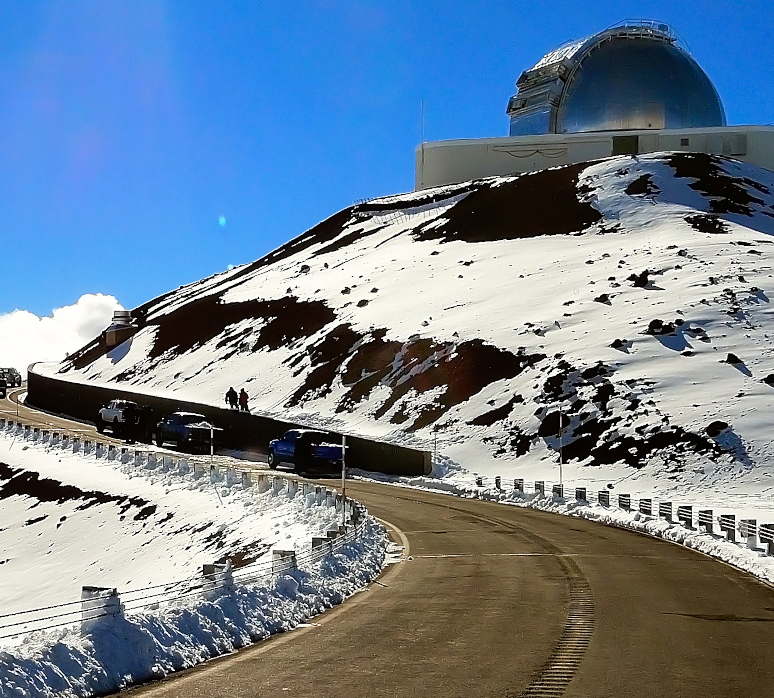
Simultaneously, the summit is home to the Mauna Kea Observatory, one of the world’s premier centers for astronomical research. Because the air is so clear and dry at this altitude, and because the Big Island has minimal light pollution, scientists from around the globe utilize the massive telescopes here to peer into the furthest reaches of the universe. The juxtaposition of ancient tradition, cutting-edge science, and recreational skiing makes Mauna Kea one of the most complex and fascinating travel destinations in the world.
The Phenomenon of Hawaiian Snowfall
Snow in Hawaii usually occurs during the winter months, specifically between December and February, though it can fall as late as April or May. The snow is the result of “Kona storms,” low-pressure systems that bring rain to the lower elevations and heavy snow to the peaks of Mauna Kea and its neighbor, Mauna Loa. Sometimes, even Haleakala on the island of Maui receives a dusting of white, though it is rarely enough for skiing.
On the Big Island, the snow can accumulate several feet deep, covering the volcanic cinder cones in a layer of what locals affectionately call “pineapple powder.” Unlike the groomed runs of the Rocky Mountains or the Alps, the snow here is unpredictable. It can be light and fluffy one day and turn into a hard, icy crust known as “corn snow” the next, as the intense tropical sun melts and refreezes the surface.
Navigating the Slopes: The Practicalities of Skiing and Snowboarding
Skiing in Hawaii is not for the faint of heart, nor is it a traditional resort experience. There are no ski lifts, no lodges serving hot cocoa, and no ski patrols to assist you if you take a tumble. It is a raw, backcountry experience that requires significant planning and a high degree of self-sufficiency.
A True Backcountry Experience
For travelers used to the amenities of Aspen or Whistler, Mauna Kea offers a radical departure. The “ski area” is essentially any part of the mountain that has enough snow coverage to prevent your skis from catching on the sharp volcanic rock. Because the ground is composed of abrasive cinder and lava, skiing is only recommended when the snowpack is deep enough to protect both the skier and the fragile environment.
The terrain is vast and wide open, consisting of large bowls and rolling slopes. However, because there are no marked trails, skiers must be experts at reading the landscape. Obstacles like hidden rocks or patches of thin ice are common. The lack of infrastructure means that you are essentially skiing at your own risk in a remote, high-altitude environment.
Transport and the “4×4 Shuttle” Method
Since there are no mechanical lifts, getting to the top of a run requires a bit of ingenuity. The most common method is the “4×4 shuttle.” This involves traveling with a group and at least one heavy-duty four-wheel-drive vehicle. One person acts as the designated driver, dropping the skiers off at the summit or a high point along the access road. The skiers then glide down the mountain, meeting the driver at a pre-arranged lower point on the road.
The drive itself is an adventure. Most travelers start their journey from either Hilo or Kailua-Kona, taking the Saddle Road that cuts across the center of the island. From there, the Mauna Kea Access Road winds steeply upward. It is mandatory to have a true 4WD vehicle with low-range gearing; standard SUVs or rental cars with all-wheel drive often struggle with the steep inclines and the descent, where brakes can easily overheat.
Planning Your Winter Adventure in the Tropics
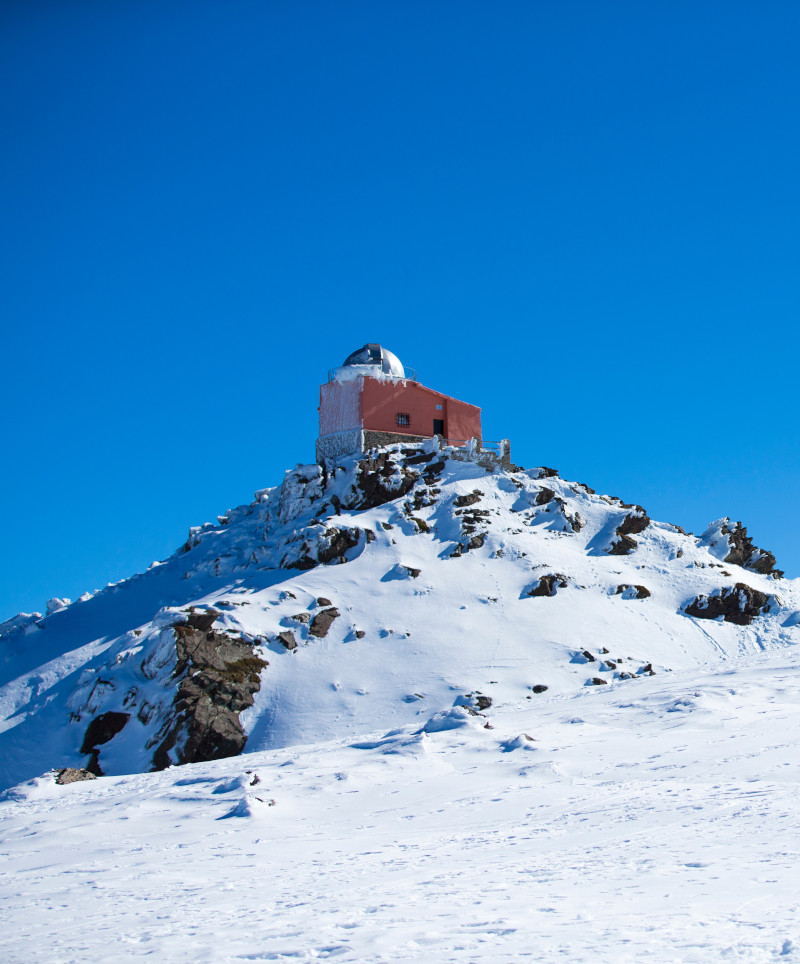
If you are determined to add “Skiing in Hawaii” to your travel bucket list, timing and preparation are everything. This is not a trip you can easily book months in advance with a guarantee of snow.
Timing the Season: When to Go
The snow season on Mauna Kea is highly variable. Some years, the mountain is covered in white for weeks; in other years, it might only see a few days of skiable snow. The best window is generally between late January and early March. Serious enthusiasts often monitor local weather reports and the webcams provided by the Mauna Kea Observatory to catch a storm right as it finishes.
Travelers should also be aware that the road to the summit is frequently closed during and immediately after heavy snowfall due to high winds, icy conditions, or the need for snow removal. Checking the status of the road at the Mauna Kea Visitor Information Station before heading up is an essential step for any visitor.
Essential Gear and Rental Realities
One of the biggest hurdles for skiing in Hawaii is equipment. There are no rental shops on the mountain, and very few places on the Big Island stock winter sports gear. Most people who ski Mauna Kea are either locals who own their equipment or dedicated travelers who fly their skis and boots in from the mainland United States.
If you are flying into Kona International Airport or Hilo International Airport, you must be prepared to transport your gear in your rental vehicle. Additionally, because the volcanic rock is so sharp, many skiers choose to use “rock skis”—an older pair of skis that they don’t mind getting scratched or damaged.
In terms of clothing, layering is key. You might start your day in shorts and a t-shirt in Waimea, but by the time you reach the summit, temperatures can be well below zero with the wind chill. Waterproof outerwear, gloves, and high-quality goggles are non-negotiable.
Safety First: Altitude and UV Hazards
The physical toll of skiing at nearly 14,000 feet cannot be understated. Altitude sickness is a real concern for anyone traveling from sea level to the summit in a single day. It is highly recommended to stop at the Onizuka Center for International Astronomy, located at the 9,200-foot level, for at least 30 to 60 minutes to acclimate to the thinning air.
Furthermore, the sun at this altitude is incredibly intense. The combination of being closer to the equator and the reflection of the sun off the white snow can lead to severe sunburns in a matter of minutes. High-SPF sunscreen and lip balm are vital, even if it feels cold.
Completing the Journey: Exploring the Big Island
Skiing is just one facet of a trip to the Big Island. Part of the magic of this destination is the ability to experience multiple climate zones in a single afternoon.
From the Summit to the Sea
After a morning of carving turns on the slopes of Mauna Kea, travelers can drive down to the Kohala Coast or the Hamakua Coast to warm up. It is entirely possible to go from skiing in the morning to snorkeling in the warm waters of Kealakekua Bay or relaxing on the sands of Hapuna Beach State Recreation Area by sunset.
For those who want to see more of the island’s volcanic power, a trip to Hawaii Volcanoes National Park is essential. Located on the southeastern side of the island, the park features Kilauea, one of the most active volcanoes on earth. Walking through the Thurston Lava Tube or viewing the steam vents provides a stark contrast to the frozen heights of the north.
The Cultural Significance of the Mountain
Travelers should also take time to visit the Mauna Kea Recreation Area and the nearby Pu’u Huluhulu cinder cone. These areas offer hiking trails that showcase the unique flora and fauna of the high-altitude Hawaiian environment. Engaging with local guides or visiting museums in Hilo can provide a deeper understanding of why Mauna Kea is so revered.
Skiing in Hawaii is more than just a sport; it is a lesson in the incredible diversity of our planet. It challenges our perceptions of the tropics and rewards the adventurous with a story that few can claim. Whether you are an expert skier looking for the world’s most exotic run or a traveler who simply wants to see snow in the middle of the Pacific Ocean, the slopes of Mauna Kea offer an unforgettable journey.
LifeOutOfTheBox is a participant in the Amazon Services LLC Associates Program, an affiliate advertising program designed to provide a means for sites to earn advertising fees by advertising and linking to Amazon.com. Amazon, the Amazon logo, AmazonSupply, and the AmazonSupply logo are trademarks of Amazon.com, Inc. or its affiliates. As an Amazon Associate we earn affiliate commissions from qualifying purchases.