
For many visitors to the Sunshine State, the idea of encountering unique wildlife is a significant draw. While majestic alligators, graceful manatees, and vibrant bird species often steal the spotlight, a lesser-known, yet equally fascinating, creature has carved out a substantial niche for itself in Florida’s diverse ecosystem: the armadillo. Yes, for those wondering, armadillos are indeed a common sight across much of Florida, adding another layer to the state’s rich tapestry of natural experiences. Far from being a mythical beast, these armored mammals have become an integral part of the landscape, surprising many who expect only sun-soaked beaches and vibrant city life from their Florida vacation. Understanding their presence, history, and habits enriches any travel guide to this dynamic destination, especially for those keen on exploring beyond typical attractions and immersing themselves in local nature.
The Curious Case of Florida’s Armadillos
The presence of armadillos in Florida is a testament to the adaptability of species and the ever-changing dynamics of ecological systems. These peculiar creatures, known for their distinctive bony shells, are not native to the state but have successfully expanded their range, making themselves comfortable residents in the humid climate and varied terrains that define Florida. Their journey to becoming a staple of the Florida landscape is a captivating tale, often sparking curiosity among both long-term residents and first-time tourists navigating the state’s natural wonders.
Unearthing the Armadillo’s Florida Connection
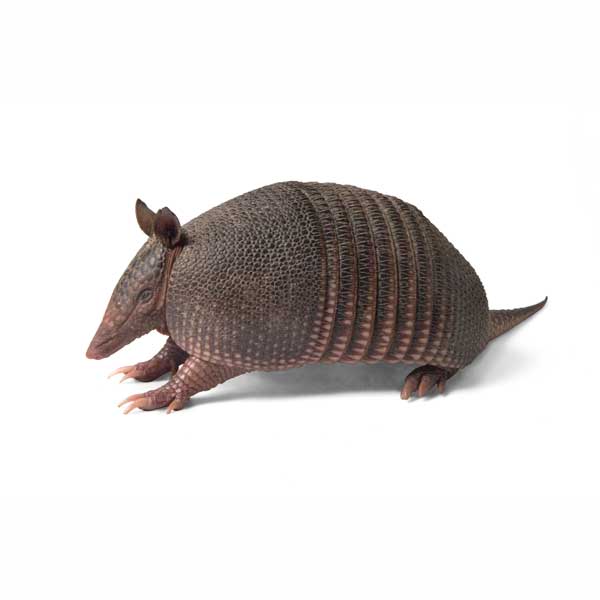
The armadillo most commonly found in Florida is the Nine-banded Armadillo (Dasypus novemcinctus). These creatures are recognizable by their unique armor, which is segmented into nine movable bands across their back, allowing for surprising flexibility despite their rigid appearance. Their small, beady eyes, pointed snouts, and powerful claws are perfectly adapted for their subterranean lifestyle. While they might appear somewhat prehistoric, their gentle demeanor and peculiar habits make them a point of interest. For travelers seeking authentic experiences, spotting an armadillo quietly foraging in the twilight hours can be as memorable as a dolphin sighting, offering a glimpse into the wilder side of Florida that extends beyond theme parks and coastal resorts. The fact that they are now so widespread means that regardless of whether you’re enjoying a luxurious stay in a resort in Miami or an eco-friendly villa rental near Everglades National Park, the possibility of an armadillo encounter adds an element of natural discovery to your trip.
A Journey Through Time: How Armadillos Arrived
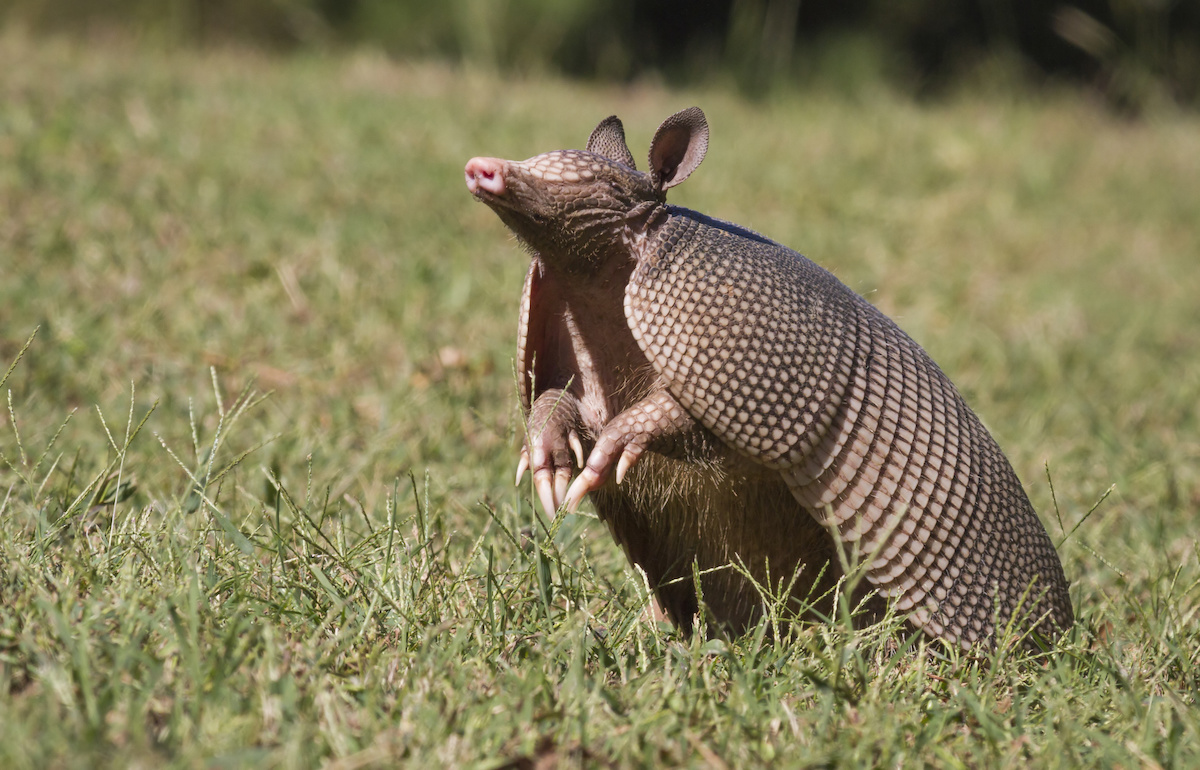
The Nine-banded Armadillo’s natural range originates in South America, with their historical expansion moving northward through Central America and into the United States. Their initial entry into the United States was primarily through Texas, where they crossed the Rio Grande River. Their introduction to Florida is a more recent phenomenon, largely attributed to two main factors. Firstly, natural expansion saw them gradually extend their territory eastward from neighboring states like Georgia and Alabama. Secondly, and more dramatically, some individuals were accidentally or intentionally introduced to Florida in the early 20th century. Historical accounts suggest that in the 1920s and 1930s, several armadillos escaped from captivity, possibly from private collections or zoos near Cocoa Beach and Miami. These escapees found the Florida climate and abundant insect life highly favorable, leading to rapid reproduction and population growth. Today, their population thrives, and they are now found in every county across the state, from the Panhandle to the Florida Keys. This remarkable colonization story is often a talking point for local guides and a fascinating piece of natural history for visitors exploring Florida’s unique biodiversity.
Where to Encounter Armadillos in the Sunshine State
For wildlife enthusiasts and curious travelers, knowing where and how to spot armadillos can enhance a Florida trip. These creatures are quite adaptable, meaning they don’t confine themselves to obscure, untouched wilderness areas. Instead, they can be found in a surprising variety of environments, often closer to human habitation than one might expect. Integrating wildlife observation into your itinerary can transform a standard holiday into an immersive experience, allowing you to connect with the natural rhythms of this vibrant state.
Prime Armadillo Habitats Across Florida
Armadillos prefer habitats with loose soil for digging and ample cover, making many of Florida’s landscapes ideal. You are most likely to encounter them in:
- Forests and Woodlands: Areas like Ocala National Forest, Apalachicola National Forest, and state parks across Florida provide ideal conditions with their tree cover and soft ground. These natural landmarks offer not only armadillo sightings but also a rich array of hiking and nature photography opportunities.
- Prairies and Grasslands: Open spaces adjacent to wooded areas are also common foraging grounds.
- Suburban Gardens and Parks: Perhaps surprisingly, armadillos frequently venture into residential areas, including gardens, golf courses, and urban parks, especially if there’s sufficient vegetation and soft soil for digging. If you’re staying in a vacation rental or a hotel with extensive grounds, particularly those on the outskirts of cities like Orlando, Tampa, or Jacksonville, you might find one rummaging for insects after dusk.
- Agricultural Lands: Farms and plantations, with their often disturbed soil and abundant insect populations, also attract armadillos.
- Coastal Dunes and Scrub: Even along Florida’s famous Gulf Coast and Atlantic Coast, where sandy dunes meet scrub habitats, armadillos can be found, utilizing these unique environments for shelter and food. Places like Fort De Soto Park near St. Petersburg offer a chance to spot them.
Their adaptability means that whether your Florida trip focuses on the bustling attractions of Orlando, the historic charm of St. Augustine, or the serene beauty of the Florida Everglades, an armadillo sighting is a distinct possibility.
Tips for Responsible Wildlife Observation
To increase your chances of spotting an armadillo and ensure a respectful interaction, consider these tips:
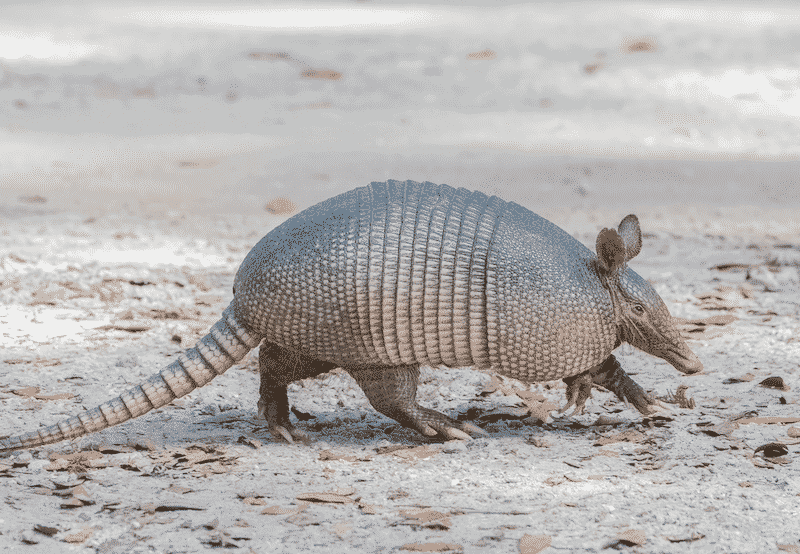
- Timing is Key: Armadillos are primarily nocturnal or crepuscular, meaning they are most active during twilight hours (dawn and dusk) and throughout the night. Your best bet for a sighting is around sunset or sunrise.
- Look for Signs: Freshly dug holes, especially conical ones, are tell-tale signs of armadillo activity as they dig for insects.
- Stay Quiet and Patient: These animals are generally shy. Move slowly and quietly, and be prepared to wait.
- Maintain Distance: Always observe wildlife from a respectful distance. Never attempt to touch, feed, or corner an armadillo. Not only can they scratch or bite if they feel threatened, but they are also known carriers of Mycobacterium leprae, the bacteria that causes Hansen’s Disease (leprosy), though transmission to humans is rare and typically requires prolonged, direct contact.
- Focus on Natural Areas: While they appear in suburban settings, dedicated nature preserves, state parks, and less developed areas offer the most authentic viewing experiences. Popular tourist destinations like the wildlife drive at Ding Darling National Wildlife Refuge on Sanibel Island might offer opportunities for viewing other creatures, and potentially armadillos, in a protected setting.
- Consider a Guided Tour: Many Florida eco-tours, especially those focusing on nocturnal wildlife, might offer insights into local armadillo populations and behavior. These experiences can be a highlight for family trips and offer educational value for all ages.
Living Alongside Florida’s Armadillos: A Visitor’s Guide
For those planning an extended stay, perhaps considering long-term accommodation in a Florida neighborhood, understanding the local wildlife, including armadillos, becomes part of embracing the Florida lifestyle. While fascinating to observe, coexisting with these diggers requires a bit of knowledge and respect for their natural instincts. Whether you’re a luxury traveler staying in an exclusive resort or on a budget travel adventure camping in a state park, these insights are valuable.
Understanding Armadillo Behavior and Diet
Armadillos are insectivores, with their diet primarily consisting of beetles, grubs, ants, and other invertebrates they unearth by digging. Their powerful claws and keen sense of smell are perfectly adapted for this. They also consume some plant matter, small vertebrates, and carrion, making them opportunistic feeders. They are solitary creatures, generally only coming together to mate. When startled, an armadillo’s primary defense is to jump straight up, which, unfortunately, often leads to collisions with vehicles on Florida’s roads. This behavior is crucial for tourists driving through natural areas, highlighting the importance of cautious driving, especially during their active hours. Their burrows, which they dig for shelter and to escape predators, can be extensive, sometimes reaching up to 15 feet in length and 5 feet deep, often with multiple entrances. These subterranean homes are vital to their survival, offering protection from heat, cold, and predators.
Coexisting with Armadillos: Dos and Don’ts
While armadillos are not aggressive, their digging habits can sometimes conflict with human interests, particularly in cultivated landscapes. Here’s what visitors and temporary residents should know:
- DO appreciate them from afar. Enjoy the unique experience of seeing these ancient-looking animals in their natural habitat. They are a part of Florida’s natural charm, much like the iconic palm trees or vibrant hibiscus flowers.
- DON’T attempt to pet or handle them. As mentioned, they can carry Hansen’s Disease and other pathogens. Additionally, they are wild animals and should be treated as such. Wildlife tips universally advise against direct contact with wild animals to protect both humans and the animals themselves.
- DON’T feed them. Feeding wild animals can alter their natural behaviors, making them dependent on human food sources and potentially leading to conflicts. It’s also detrimental to their health.
- If you have a garden (e.g., in a villa rental or apartment with private outdoor space), be aware of potential digging. Armadillos will dig small, conical holes in lawns and gardens in search of food. While this can be a nuisance for pristine landscaping, it’s a natural behavior. Fencing or repellents can sometimes deter them, but prevention is key if you want to protect your garden.
- Report sick or injured animals. If you encounter an armadillo that appears sick, injured, or orphaned, contact Florida Fish and Wildlife Conservation Commission (FWC) or a local wildlife rehabilitator. Do not attempt to intervene yourself.
Understanding these simple guidelines helps ensure that your experience with Florida’s armadillos remains positive and respectful, aligning with best practices for responsible tourism and ecological awareness.
Armadillos and the Broader Florida Experience
Integrating the presence of armadillos into the overall perception of Florida enhances the state’s appeal as a multifaceted travel destination. Beyond the well-trodden paths of beaches and attractions, Florida offers a rich, natural experience, and its diverse wildlife plays a significant role in this. For travelers crafting their ideal Florida itinerary, considering the wilder aspects of the state can lead to truly memorable experiences.
Enhancing Your Florida Travel Itinerary
For those passionate about nature and wildlife, incorporating opportunities for armadillo sightings can be a unique addition to any Florida travel plan. Rather than just seeing them as backyard dwellers, view them as part of the broader ecological story that makes Florida such a captivating destination.
- Visit State Parks and Nature Preserves: These areas, like Myakka River State Park or Big Cypress National Preserve, are excellent for guaranteed nature immersion. Many offer camping facilities and cabins, perfect for budget travelers or those seeking a rustic, nature-focused escape, and providing ample opportunity for nighttime wildlife viewing.
- Consider Eco-Tourism Experiences: Many local tourism operators offer guided nature walks or nocturnal wildlife tours, particularly in less urbanized areas. These guides possess invaluable local knowledge about wildlife behavior and can significantly increase your chances of spotting specific animals, including armadillos.
- Stay in Nature-Adjacent Accommodation: When booking hotels, resorts, or apartments for your Florida vacation, look for properties that emphasize natural surroundings or are close to green spaces. A villa rental nestled near a forest edge, or a resort with extensive landscaped gardens, might just provide an unexpected encounter right outside your door. Reviews and descriptions often highlight the natural amenities and potential for wildlife viewing. This is especially true for luxury travel experiences that often boast expansive, private estates with direct access to natural habitats.
Beyond the Wildlife: A Holistic Florida Journey
The presence of armadillos is just one thread in the rich tapestry of Florida’s appeal. A truly comprehensive travel experience in the Sunshine State involves appreciating its diverse offerings:
- Cultural Exploration: From the vibrant Art Deco District of Miami Beach to the historic streets of St. Augustine, Florida’s landmarks and local culture offer deep dives into history and art.
- Culinary Adventures: Savoring fresh seafood on the Gulf Coast or experiencing the Cuban influences in Tampa’s Ybor City adds another dimension to your tourism journey.
- Diverse Accommodation Options: Whether you prefer the pampered amenities of a five-star resort, the family-friendly features of a vacation apartment, or the intimate charm of a boutique hotel, Florida caters to every preference and budget. Comparing options and reading reviews on booking sites is essential for finding the perfect base for your adventures.
- Active Lifestyle: Florida is a playground for outdoor activities, from kayaking in crystal-clear springs to cycling through scenic trails. Even business stays can be enhanced by taking advantage of the natural surroundings for recreation.
Ultimately, armadillos are more than just another animal; they are a living symbol of Florida’s dynamic and ever-evolving natural environment. For travelers seeking a truly comprehensive and authentic experience of the Sunshine State, understanding and respectfully observing these unique creatures offers a fascinating glimpse into the wild heart of this beloved destination. So, the next time you plan your trip, keep an eye out for these armored wanderers – they’re just another incredible part of what makes Florida an unforgettable place to visit.
LifeOutOfTheBox is a participant in the Amazon Services LLC Associates Program, an affiliate advertising program designed to provide a means for sites to earn advertising fees by advertising and linking to Amazon.com. Amazon, the Amazon logo, AmazonSupply, and the AmazonSupply logo are trademarks of Amazon.com, Inc. or its affiliates. As an Amazon Associate we earn affiliate commissions from qualifying purchases.