
Living the dream in Hawaii often brings a sense of serenity that is hard to find anywhere else in the United-States. From the sun-drenched shores of Waikiki to the lush, rain-swept valleys of Kauai, the lifestyle is one of profound natural beauty. However, as any resident or long-term visitor will tell you, the practicalities of island life come with a unique set of challenges—chief among them being the logistics of getting goods to a chain of islands situated in the middle of the Pacific-Ocean. The question “Does Amazon ship to Hawaii?” is more than just a query about e-commerce; it is a fundamental question about how one maintains a modern lifestyle while tucked away in the most isolated archipelago on Earth.

The short answer is yes, Amazon does ship to the Aloha-State. However, the experience of shopping online while in Honolulu or Kailua-Kona differs significantly from the seamless, often same-day delivery experienced by those in California or New-York. Navigating these differences is essential for budget-conscious travelers, digital nomads, and those planning a permanent move to the islands.
Navigating the Logistics of Island Living
The lifestyle in Hawaii is defined by the “Paradise Tax,” a term locals use to describe the higher cost of goods and services. Because almost everything must be flown in or brought by ship, shipping logistics are a central pillar of the local economy. When you place an order from Maui or Molokai, your package embarks on a journey that covers over 2,000 miles of ocean.
The Realities of Pacific Isolation
For those staying at major resorts like the Hilton-Hawaiian-Village, the arrival of a package might seem like a minor detail. But for a digital nomad working out of a condo in Kakaako, the timing of a delivery can impact their entire work week. Amazon utilizes a variety of carriers to bridge the gap between the mainland and the islands, including the United-States-Postal-Service, UPS, and FedEx. In recent years, Amazon has even expanded its own air cargo network to Daniel-K-Inouye-International-Airport in Honolulu, which has significantly improved delivery speeds for the island of Oahu.
However, the “last mile” of delivery remains the most complex part of the journey. Once a package arrives in Honolulu, it may still need to be transferred to a smaller plane or a barge to reach destinations like Lanai or the remote corners of The-Big-Island. This inter-island transit is often where delays occur, reminding residents that despite the digital connectivity of the modern world, geography still dictates the pace of life.
Prime Benefits in the Aloha State
One of the most common misconceptions is that an Amazon Prime membership is useless in Hawaii. On the contrary, Prime is arguably more valuable here than anywhere else. While the “Two-Day Shipping” guarantee is rarely met—standard Prime delivery usually takes between three to seven business days—the primary benefit is the waiver of shipping fees. Without Prime, shipping costs to Lihue or Hilo can occasionally exceed the price of the item itself. For the lifestyle-focused resident who prioritizes budget travel and smart spending, the savings on shipping fees over a year can amount to thousands of dollars.
Shipping Rates and Delivery Timelines for Travelers
For visitors planning a long-term stay at a luxury villa or an apartment in Kihei, shipping essentials ahead of time can be a savvy lifestyle move. Rather than packing heavy suitcases and paying airline baggage fees, many travelers ship non-perishable items, beach gear, and even specialized equipment directly to their destination.
Standard vs. Expedited Shipping
When ordering to Hawaii, you will generally see three options: Standard, Expedited, and Priority. For those who are not Prime members, the cost of these services is calculated based on weight and volume. It is important to note that many “Free Shipping” promotions offered by third-party sellers on Amazon specifically exclude Alaska and Hawaii.
If you are staying at a major hotel, such as the Sheraton-Waikiki or the Grand-Hyatt-Kauai-Resort-and-Spa, it is standard practice to contact the concierge or front desk before shipping. Some resorts charge a receiving fee for packages, which can range from a few dollars to a significant amount for large crates. Understanding these costs is vital for maintaining a lifestyle of luxury without unnecessary administrative headaches.
Navigating Oversized Items and Restrictions
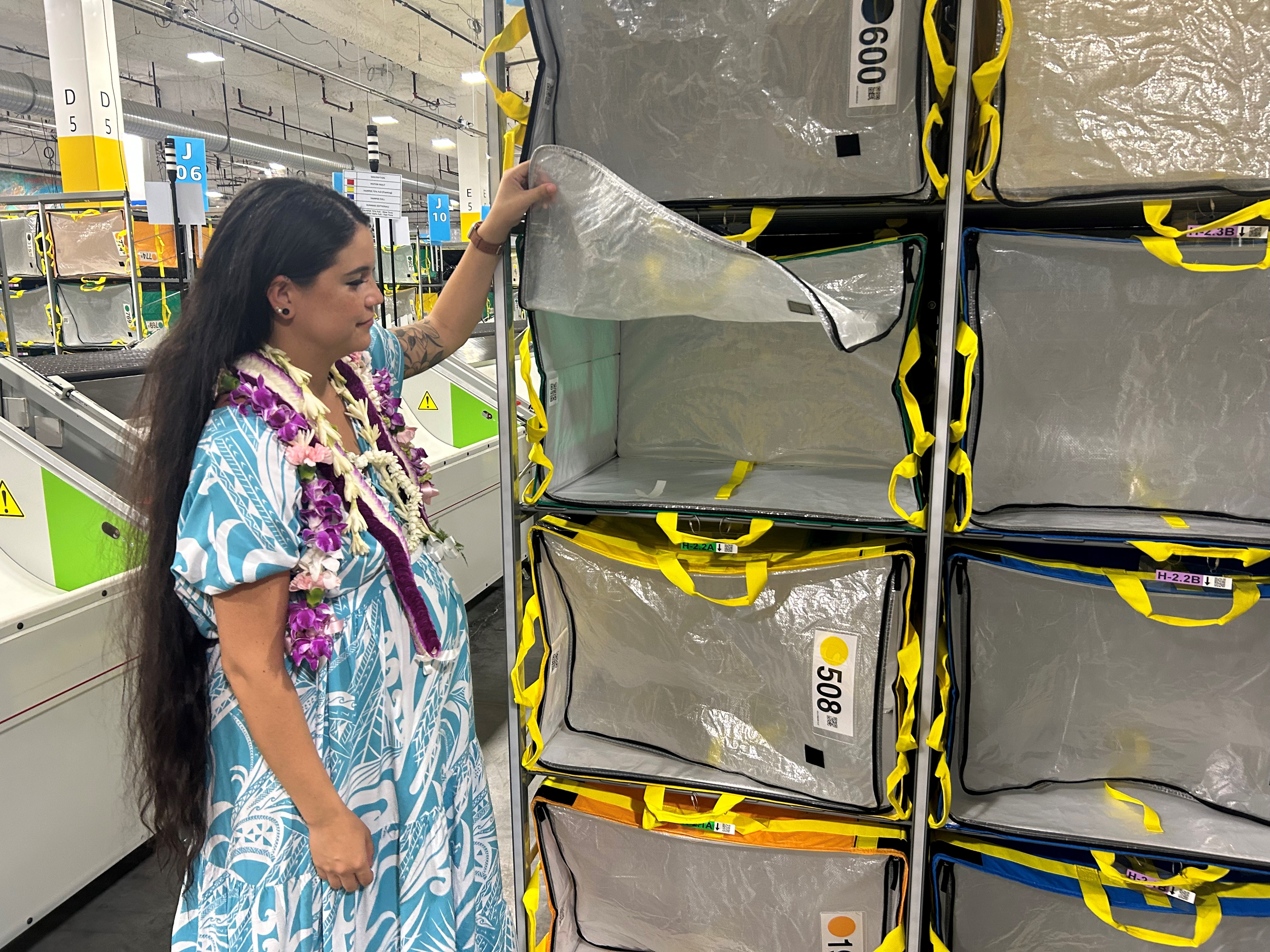
The dream of ordering a surfboard or a set of outdoor furniture to your vacation rental in Hanalei often hits a wall when it comes to shipping restrictions. Amazon has strict limitations on oversized items being shipped to the islands. Many items that qualify for ground shipping in the contiguous United-States cannot be shipped to Hawaii because they require specialized air freight or sea transit that Amazon’s standard carriers do not provide.
Furthermore, certain hazardous materials—which include everyday items like certain lithium batteries, aerosols, and some perfumes—are restricted from air travel. Since almost all Amazon packages arrive in the islands via air, you may find that your favorite high-tech camping gear or specific beauty products are “undeliverable to your location.” This is a common frustration for those trying to replicate a mainland lifestyle in the heart of Polynesia.
Practical Tips for Digital Nomads and Long-term Visitors
The rise of the digital nomad lifestyle has seen a surge of professionals moving to Hawaii for months at a time. For these individuals, reliable access to technology and home office supplies is non-negotiable. Whether you are working from a balcony overlooking Diamond-Head or a quiet cottage in Upcountry-Maui, knowing how to hack the shipping system is a required skill.
Using Amazon Hub Lockers
For those who are constantly on the move or staying in accommodations without secure mailrooms, such as smaller Airbnbs, Amazon Hub Lockers are a game-changer. These lockers are conveniently located in cities like Honolulu and Kahului, often inside grocery stores or near popular tourist spots like Ala-Moana-Center. Using a locker ensures that your package is safe from “porch pirates” and allows you to pick up your supplies on your own schedule, perhaps after a morning of surfing at the North-Shore.
Managing Logistics in Remote Areas
If your lifestyle takes you to the more remote parts of the islands—perhaps a yoga retreat near Pahoa or a research project near Volcanoes-National-Park—shipping becomes even more tactical. In these areas, the United-States-Postal-Service is often the only carrier that delivers to every address. Amazon frequently hands off packages to the local post office for final delivery in rural zones. To ensure success, always use a physical address and, if possible, include a P.O. Box as a secondary line if you know the local post office requires it.
Budgeting for Your Hawaiian Lifestyle
A key aspect of lifestyle management in Hawaii is the constant trade-off between convenience and cost. While Amazon offers a massive selection, it is not always the most economical or environmentally friendly choice for islanders.
Avoiding Hidden Costs
When shopping on Amazon from Hawaii, always check the final checkout screen for unexpected surcharges. Some third-party sellers will add a “shipping and handling” fee at the very last moment. For those living a budget-conscious lifestyle, these small fees can add up. Additionally, be aware of the return policy. While Amazon generally offers free returns, returning a heavy item from Kona back to a warehouse in Kentucky can be a logistical nightmare, sometimes requiring you to drop off the item at a specific UPS-Store that might be miles away from your home.
Local Alternatives to Online Shopping
Part of the beauty of the Hawaii lifestyle is engaging with the local culture and economy. While Amazon is convenient for tech and specialty items, many residents find that shopping at local markets or big-box retailers already on the island, like those in Iwilei, is faster and supports the local community. Visiting the Kapiolani-Community-College-Farmers-Market for fresh produce or browsing the local boutiques in Haleiva offers an experience that a cardboard box can never replicate.
Furthermore, the environmental impact of shipping every small household item across the ocean is significant. A sustainable lifestyle in the islands involves minimizing waste and reducing the carbon footprint associated with trans-Pacific freight. Many residents adopt a “wait and bunch” strategy—holding items in their digital cart until they have a substantial order, thereby reducing the number of flights and boxes required.
In conclusion, while Amazon certainly ships to Hawaii, the service requires a level of patience and planning that mainlanders rarely have to consider. Whether you are a visitor at the Aulani resort or a long-time resident of Oahu, understanding the nuances of shipping is a vital part of mastering the island lifestyle. By combining the convenience of online shopping with a respect for local logistics, you can enjoy all the modern comforts while basking in the timeless beauty of the islands. Whether you are waiting for a new camera to capture the sunrise at Haleakala-National-Park or simply ordering a new pair of slippers (flip-flops) for the beach, the arrival of that Amazon box is a small but essential part of life in paradise.
LifeOutOfTheBox is a participant in the Amazon Services LLC Associates Program, an affiliate advertising program designed to provide a means for sites to earn advertising fees by advertising and linking to Amazon.com. Amazon, the Amazon logo, AmazonSupply, and the AmazonSupply logo are trademarks of Amazon.com, Inc. or its affiliates. As an Amazon Associate we earn affiliate commissions from qualifying purchases.