
Traveling to the middle of the Pacific Ocean to witness the volcanic majesty and tropical splendor of the Hawaiian Islands is a dream for many. For those who prioritize a seamless journey, the question of connectivity is paramount. Delta Airlines stands as one of the primary carriers bridging the vast distance between North America and this island chain. With an expansive network that touches nearly every corner of the United States, the airline offers a robust schedule to several major airports across the islands, ensuring that travelers can transition from the mainland to the “Aloha State” with relative ease.
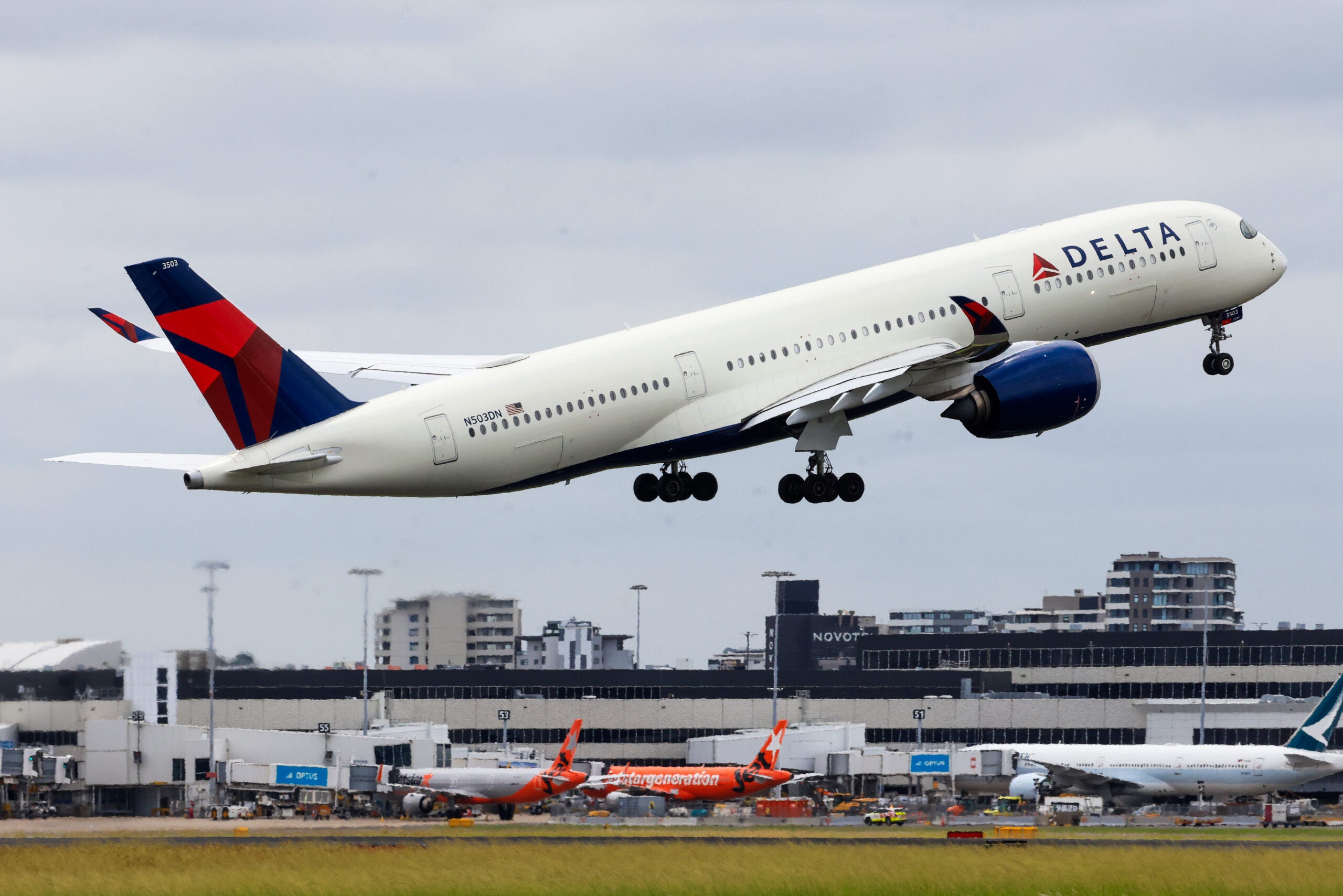
Gateway to Paradise: Delta’s Connectivity to the Hawaiian Islands
The logistical feat of transporting thousands of passengers daily to Hawaii requires a sophisticated hub-and-spoke system. Delta Airlines utilizes several of its key domestic fortresses to facilitate these long-haul transpacific flights. Whether you are departing from the East Coast, the Midwest, or the West Coast, the airline has structured its routes to minimize layovers and maximize time spent on the beach.
Key Hubs and Departure Cities
For travelers starting their journey in the southeastern United States, Hartsfield Jackson Atlanta International Airport serves as a primary jumping-off point. This route is notable for being one of the longest domestic flights in the country, often utilizing wide-body aircraft to ensure comfort over the ten-hour journey. Similarly, those in the Northeast can find direct or convenient connecting flights through John F Kennedy International Airport in New York City, providing a vital link for travelers from the Atlantic coast to the Pacific.
The airline’s presence is even more pronounced on the West Coast. Los Angeles International Airport and Seattle Tacoma International Airport function as the main corridors for Hawaii-bound traffic. From Los Angeles, the flight time is significantly reduced to approximately five and a half to six hours, making it a popular choice for quick tropical getaways. Seattle also provides a strategic gateway, particularly for those coming from the Pacific Northwest or Western Canada. Other significant hubs including Salt Lake City, Minneapolis, and Detroit offer seasonal and year-round service, ensuring a wide geographical reach.
Inter-Island Connections and Strategic Partnerships
While Delta Airlines focuses primarily on bringing passengers from the mainland to the islands, the journey often doesn’t end at the first airport. Once you arrive at a major gateway like Honolulu, you may wish to explore the more remote corners of the archipelago. While the airline itself does not operate a dedicated inter-island fleet of small aircraft, it maintains strong industry relationships that allow for streamlined ticketing and baggage transfers. This interconnectivity is essential for travelers who wish to see the sunrise at Haleakala National Park on Maui and the sunset over the Na Pali Coast on Kauai within the same trip.
Navigating the Destinations: Where Delta Lands in Hawaii
Hawaii is not a singular destination but a collection of diverse islands, each offering a distinct atmosphere and geographical character. Delta Airlines provides service to the four most visited islands, allowing travelers to tailor their experience based on their interests—from urban exploration to secluded nature retreats.
Honolulu: The Vibrant Capital on Oahu
The most frequent destination for any carrier flying to the islands is Daniel K Inouye International Airport in Honolulu. Located on the island of Oahu, this airport serves as the primary gateway for international and domestic arrivals. Oahu is often referred to as “The Gathering Place,” and it is here that the modern world meets ancient tradition.
Travelers landing in Honolulu have immediate access to the world-famous Waikiki Beach, a hub of surfing, luxury shopping, and high-rise resorts. Beyond the city center, Oahu offers profound historical sites such as Pearl Harbor and the USS Arizona Memorial. For those seeking natural beauty, a hike up Diamond Head provides panoramic views of the coastline, while a drive to the North Shore reveals the legendary big-wave surfing spots that draw enthusiasts from around the globe.
Kahului: The Gateway to Maui’s Magic
Maui, known as “The Valley Isle,” is served by Kahului Airport in the city of Kahului. This island is a favorite for those seeking a balance between developed amenities and raw natural beauty. Landing in Kahului places travelers in a central location, ideal for starting the famous journey along the Road to Hana. This winding coastal drive features hundreds of curves, dozens of bridges, and countless waterfalls, epitomizing the tropical rainforest experience.
In addition to its lush eastern side, Maui is home to the dormant volcano Haleakala, where visitors can drive to the summit to stand above the clouds. The western and southern shores of the island, including Lahaina and Wailea, offer some of the best whale-watching opportunities in the world during the winter months, along with pristine beaches and world-class golf courses.
Kona and Lihue: Exploring the Big Island and Kauai
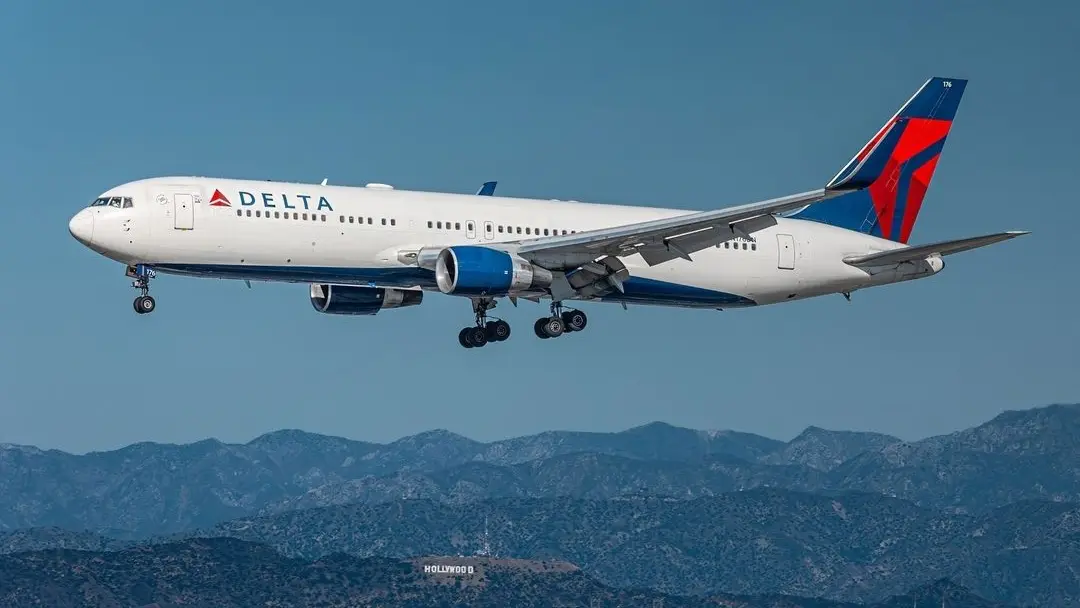
For travelers seeking a more rugged or quiet experience, Delta Airlines also flies into Ellison Onizuka Kona International Airport on the Island of Hawaii and Lihue Airport on Kauai.
The Island of Hawaii, often called the Big Island, is a land of extremes. Landing in Kona places you on the leeward side of the island, famous for its lava fields, coffee plantations, and crystal-clear snorkeling waters. From here, a drive across the island leads to Hawaii Volcanoes National Park, where the earth is literally being reshaped by active volcanic flows. The island is also home to Mauna Kea, a massive peak that serves as one of the world’s premier sites for astronomical observation.
Kauai, “The Garden Isle,” is arguably the most visually stunning of all the islands. Arriving in Lihue, travelers are just a short distance from Waimea Canyon, often described as the “Grand Canyon of the Pacific.” The island is characterized by its emerald-green mountains and the dramatic cliffs of the Na Pali Coast, which are largely inaccessible by car and must be viewed by boat or helicopter, adding to the island’s sense of mystery and adventure.
The In-Flight Experience: Journeying Across the Pacific
The flight to Hawaii is a significant undertaking, often lasting between five and twelve hours depending on the point of origin. Delta Airlines recognizes the importance of the onboard experience for these long-haul routes, implementing various service standards to enhance passenger comfort as they traverse the United States and the ocean.
Cabin Classes and Amenities
On routes to Hawaii, the airline typically operates a variety of aircraft, including the Boeing 767 and Airbus A321neo. For those seeking the ultimate in luxury, Delta One is often available on the longest routes, such as those from Atlanta or New York City. This class features lie-flat seats, premium bedding, and multi-course meals, allowing travelers to arrive in Honolulu or Kahului feeling refreshed.
The Delta Comfort Plus and Main Cabin sections also provide curated experiences tailored for the Hawaii market. In-flight entertainment systems are packed with movies, television shows, and music, including content that highlights Hawaiian culture and history to get passengers in the island spirit. On many flights, the culinary offerings include island-inspired flavors, such as pineapple-infused dishes or local snacks, providing a literal taste of the destination before the aircraft even touches down.
Delta Sky Club Access and Airport Experience
The journey begins long before boarding, and Delta Airlines offers various lounge options for eligible passengers. In major hubs like Seattle, Los Angeles, and Atlanta, the Delta Sky Club provides a sanctuary from the busy terminal. These lounges offer complimentary food, beverages, and high-speed Wi-Fi, along with comfortable seating areas.
In Honolulu, the airline maintains a presence that reflects the local hospitality. The Daniel K Inouye International Airport features a club where travelers can enjoy a final moment of relaxation before their return flight to the mainland. This attention to detail at every touchpoint of the travel process helps define the airline’s reputation as a premier carrier for the Hawaii route.
Planning Your Hawaiian Escape: Best Times and Travel Tips
Understanding the logistics of flying is only one part of the equation; knowing when and how to travel to Hawaii can significantly impact the overall experience. The islands are a year-round destination, but different seasons offer different advantages.
Seasonal Considerations for Flights
The peak travel seasons for Hawaii generally align with the winter holidays and the summer school break. During these times, Delta Airlines often increases its flight frequency to accommodate the surge in demand. However, travelers looking for a more tranquil experience and potentially lower fares may consider the “shoulder seasons” of late spring (April to June) and fall (September to November). During these months, the weather is consistently pleasant, and the crowds at major attractions like Hanauma Bay or Polynesian Cultural Center are more manageable.
Weather patterns also vary by island and side of the island. The windward (eastern and northern) sides tend to be rainier and greener, while the leeward (western and southern) sides are typically drier and sunnier. When booking your flight, consider which island matches your preferred climate and activities. For example, if you are flying to Lihue in the winter, you might encounter more rain on the North Shore of Kauai than you would on the sunny beaches of Poipu.

Navigating the Islands Upon Arrival
Once your flight arrives in Hawaii, the transition to your final destination involves various local transportation options. Most airports, including Kahului and Kona, have well-organized rental car facilities, which are highly recommended for those who want the freedom to explore at their own pace. On Oahu, the public transportation system, known as TheBus, is extensive and can take you from the airport to Waikiki Beach or even to the North Shore.
For those traveling between islands, local carriers provide frequent “puddle-jumper” flights. These short journeys—often less than 45 minutes—offer stunning aerial views of the reefs and volcanic peaks. When planning your itinerary, it is wise to allow ample time for security and check-in when moving between islands, even though the flights themselves are brief. By coordinating your long-haul travel with Delta Airlines and your local transfers efficiently, you can experience the full breadth of what Hawaii has to offer, from the bustling streets of Honolulu to the silent, starry nights atop Mauna Kea.
LifeOutOfTheBox is a participant in the Amazon Services LLC Associates Program, an affiliate advertising program designed to provide a means for sites to earn advertising fees by advertising and linking to Amazon.com. Amazon, the Amazon logo, AmazonSupply, and the AmazonSupply logo are trademarks of Amazon.com, Inc. or its affiliates. As an Amazon Associate we earn affiliate commissions from qualifying purchases.